
17 Mar 2026
Turkey's Best Camping and Diving Spots
Discover unique routes that combine camping and diving, taking you straight from your tent to the depths of the sea.
6 min read
7 views
Kampçı Editör Ekibi
Outdoor Writer @ Kampçı

When you set up camp by a lakeshore, a riverbank, or a secluded Aegean bay, it's hard to resist the call of the water. However, swimming in a chlorinated pool or at a crowded beach with lifeguards is an entirely different discipline from entering open water in the middle of the wilderness. In nature, water acts like a living organism with its winds, undertows, and unpredictable topography. This guide is written for intermediate campers who have mastered basic skills like pitching a tent and building a fire, and want to add dynamic activities like canoeing, SUP, or wild swimming to their outdoor routine.
The biggest misconception in wild swimming and water sports is trying to guess the underlying dynamics just by looking at the water's surface. A mountain lake might look as smooth as glass, but a sudden layer of cold water just two meters down, known as a "thermocline," can instantly cause muscle cramps in an unprepared swimmer. In Turkey, 65% of water accidents in inland waters (lakes and dams) are caused by misjudging the bottom topography and sudden temperature changes.
Similarly, there is a significant difference in effort between sitting in a standard inflatable boat and paddling a SUP board against the wind. Heading out without calculating wind speed and direction—especially on the rugged coasts of the Black Sea or in the Aegean's thermal winds that pick up in the afternoon—can lead to exhaustion and dangerous drifting on the way back. Before entering the water, you should observe it for at least 10 minutes, analyzing the ripples created by the wind on the surface and the frequency of the waves hitting the shore.
Every body of water has its own rules. A safety strategy that works in one environment can turn into a fatal mistake in another.
When camping by lakes like Salda, Eğirdir, or Abant, the first thing you need to know is that fresh water has less buoyancy than seawater (saltwater). This means you have to exert more effort to stay afloat compared to the sea. Additionally, lakebeds can drop off suddenly, and muddy or reedy areas near the shore can wrap around your ankles, causing panic. The safest approach when swimming in lakes is to stay in a horizontal position rather than trying to touch the bottom with your feet.
In rivers like Köprüçay, Fırtına Creek, or Melen, you must always orient yourself according to the current. The golden rule in rivers is never to try swimming against the current; instead, let the current carry you and swim at a 45-degree angle toward the shore. When river canoeing or rafting, reading the "V" shaped current tongues on the water's surface is vital. Downward-pointing "V" shapes indicating the direction of the flow usually mark deep and safe passages, while upward-pointing "V" shapes signal a rock or obstacle beneath the water.
If you want to master water sports as an intermediate camper, you must proceed with the right equipment and tactics:
Nature's waters are no joke. Overconfidence in your experience is one of the biggest mistakes you can make in open water.
Mistake 1: The "I'm a good swimmer, nothing will happen to me" illusion. Just because you can swim 2 kilometers non-stop in a pool doesn't mean you can swim 200 meters in a choppy, 15-degree mountain lake. When currents, cold, and the stress of navigating combine in open water, panic kills much faster than fatigue.
Mistake 2: Not wearing a leash on a SUP board. If you don't attach yourself to your board with an ankle leash while paddleboarding, the wind or a slight current can drag your high-volume board meters away from you in seconds the moment you lose your balance and fall. Swimming to catch up with your board in open water can become impossible.
Mistake 3: Being fooled by offshore winds. A gentle breeze cooling your face while sitting on the shore can turn into a powerful force in the middle of a lake or sea, rapidly pushing you away from the coast. If the wind is blowing from the land toward the water (offshore), absolutely do not head out with inflatable watercraft or a SUP.
Water absorbs body heat about 25 times faster than air. No matter how active you are in the water, your core body temperature will begin to drop after a certain period. The moment you feel shivering, blue lips, or numbness in your fingers, it is well past time to get out of the water.
Waiting in the wind with wet clothes after getting out of the water accelerates hypothermia. Remove wet clothes immediately, dry off, and put on a windproof layer (windstopper). Consume a hot, sugary liquid to raise your body temperature from the inside. The common myth among campers of "warming up with alcohol" is extremely dangerous; alcohol dilates blood vessels, accelerating heat loss at the surface. Never try to overcome hypothermia by drinking alcohol by the campfire.
Lie on your back without panicking and take a deep breath to fill your lungs with air; this will create a natural buoy effect and keep you afloat. Gently stretch the cramped muscle, and if you have one, hold onto your tow float and wait for help, or slowly make your way to the shore using only your arms.
The buoyancy of lakes (fresh water) is lower than that of saltwater, which requires you to constantly exert more effort to stay afloat. Additionally, bottom springs in lakes can create sudden cold water currents, and muddy or reedy areas on the bed pose unpredictable risks.
For intermediate users, wind speeds under 10 knots (about 18 km/h) are ideal and safe. If there is wind, you should always plan your route to start against the wind and have the wind at your back on the return trip.
When doing water sports in Turkey's lakes and the Aegean/Mediterranean waters during spring, a 3/2mm (3mm torso, 2mm arms) thick wetsuit is usually sufficient for flexibility and thermal protection. If the water temperature is below 15 degrees, you should definitely opt for 4/3mm or thicker models.
Absolutely not. Trying to put your feet down in rivers creates a fatal risk of "foot entrapment." When you fall into flowing water, you should always proceed with your feet near the surface, knees slightly bent, and facing downstream (the active defense position).
Integrating with water in the wild transforms the camping experience from mere visual satisfaction into a physical and spiritual practice. When you decipher the language of the wind, imagine the hidden geography beneath the water, and most importantly, act while knowing your own physical limits, water sports become your greatest meditation in nature. A life jacket, a whistle, and a little knowledge added to your camping backpack will turn you from an ordinary spectator into an active outdoor athlete. Check your equipment carefully, respect the power and coldness of the water; on your next camping trip, don't just watch the scenery of that magnificent lake, but safely immerse yourself in its waters.
Related guides and stories from the outdoor world
Discover unique routes that combine camping and diving, taking you straight from your tent to the depths of the sea.

Get ready for an unforgettable camping experience in hidden coves and along riverbanks accessible only by paddling.

Everything you need to know about power banks and portable energy sources—some of the most essential gear you should pack before heading into the wild.
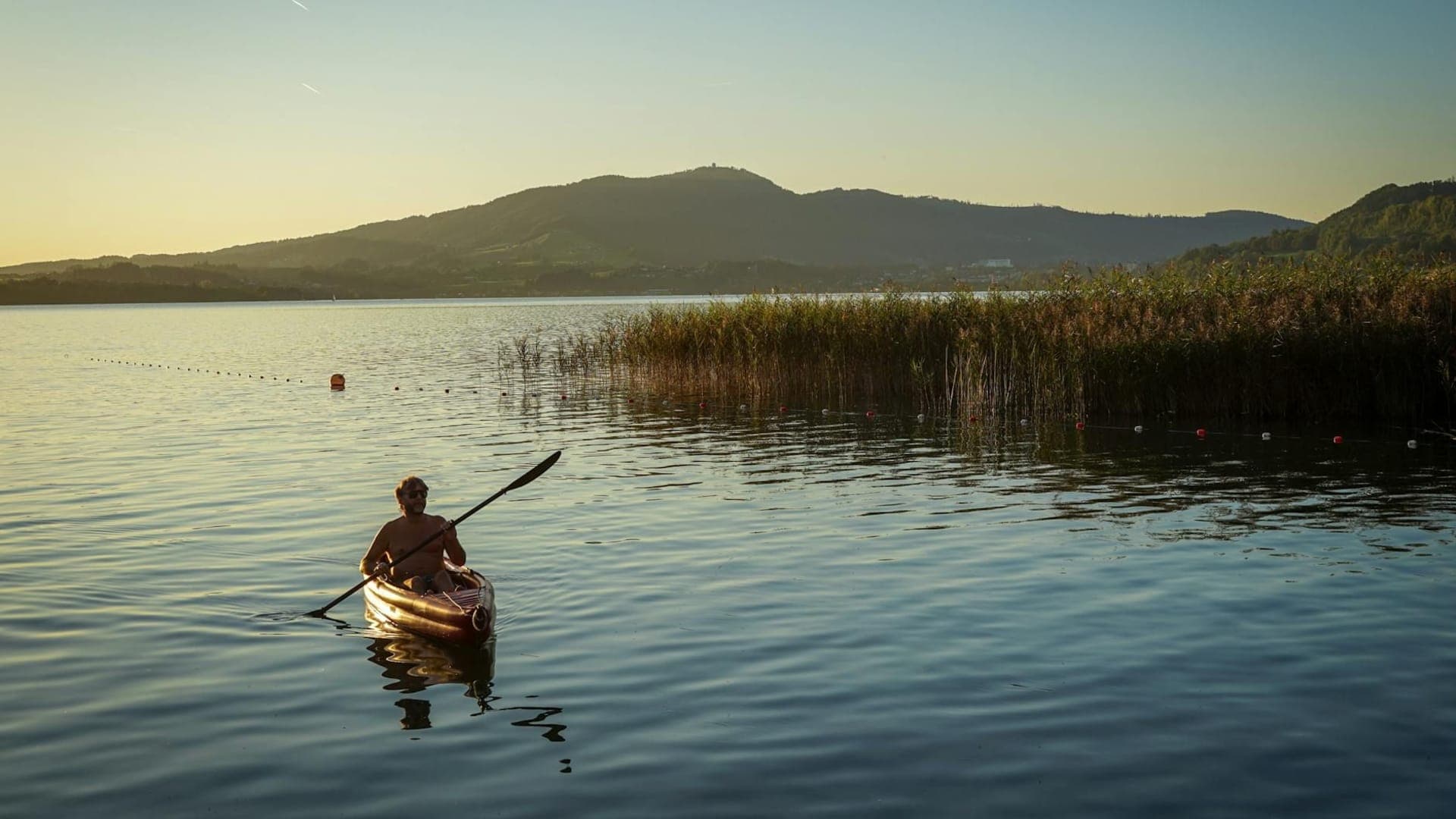
Intermediate-level equipment and safety strategies for a secure canoe, SUP, and camping experience on the lakes and rivers of Central Anatolia.