
30 Nis 2026
Wild Swimming and Water Sports: An Intermediate Camping Guide
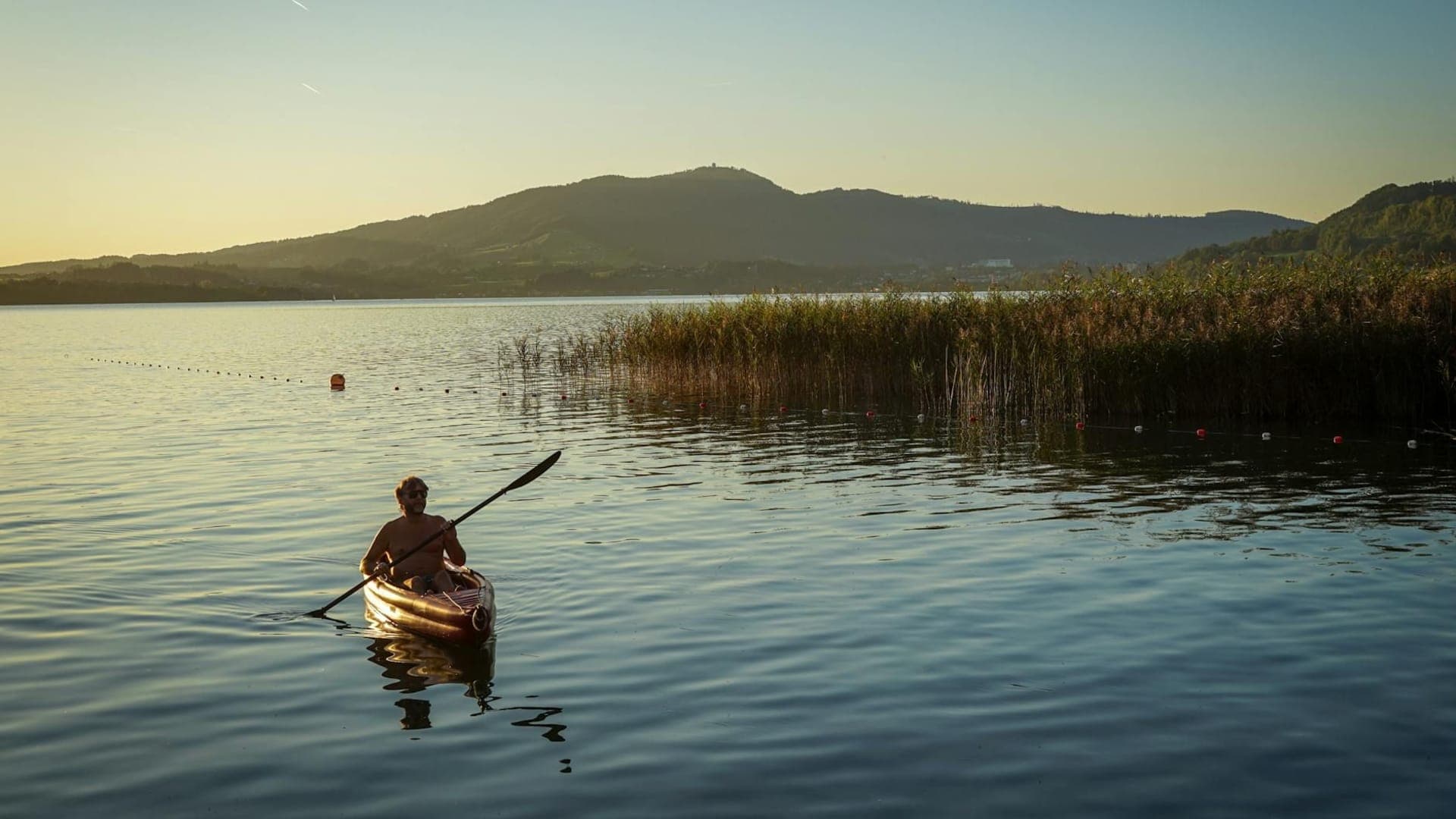
Elevate your camping routine with safe water sports activities in flat waters and rivers.
8 min read
7 views
Kampçı Editör Ekibi
Outdoor Writer @ Kampçı

Imagine waking up one morning, unzipping your tent, and being greeted by a glass-like body of water accompanied only by the chirping of birds. That faint scent of moss and pine wafting through the air washes away the day's fatigue before it even begins. Instead of shouldering a heavy backpack and hiking for miles, you stow your camping gear in an elegant boat and silently glide into the heart of nature... This is the freedom of being on the water. For intermediate outdoor enthusiasts looking to forge a deeper, more isolated, and highly rhythmic connection with nature, canoe and kayak camping routes offer a whole new dimension beyond traditional camping.
As an intermediate camper, you have already moved past the basics of pitching a tent, building a fire, and fundamental survival skills. Now, you want to escape the crowds and explore those hidden coves and untouched riverbanks that are inaccessible by land. This is exactly where canoe and kayak camping comes into play. The biggest advantage is transferring the heavy loads you would normally carry on your back to the buoyancy of the water. This allows you to bring along extra comfort items, better food, and even your camp chair—things you could never pack on a standard backpacking trip. As you paddle across the water, you will be drawn into the meditative effect of rhythmic movements and witness magnificent views of nature from angles you could never see from land.
Surrounded by seas on three sides and boasting rich inland waters, Turkey creates a true paradise for paddling and camping enthusiasts. Here are carefully selected routes for intermediate campers that will both hone your navigation skills and offer a visual feast:
Starting from the village of Üçağız in Antalya's Demre district, this route has a worldwide reputation among canoe campers. Ideal for intermediate paddlers, this course allows you to silently glide over the submerged ruins of the ancient Lycian civilization (the Sunken City). You can pass by the foothills of Simena (Kaleköy), take a break at Tersane Bay, and then set up your camp in the sheltered, wind-free waters of Gökkaya Bay. The most important detail to watch out for on this route is the strong winds that can suddenly pick up in the afternoons. Therefore, it is crucial to plan your paddling for the early morning hours.
Akyaka, the pearl of Muğla, is a spectacular starting point not only for kite surfing but also for sea kayaking and canoeing. Beginning with that unique moment when you transition from the ice-cold fresh waters of the Kadın Azmak River into the salty sea, your route stretches toward the intricately carved coves of the Gulf of Gökova. As you paddle toward spots like İncekum Beach, Sedir Island (Cleopatra Beach), and Lacivert Cove, you can pitch your tent in pristine bays where pine trees sweep right down to the sea. Since currents within the gulf can occasionally change direction, your intermediate experience in map reading and wind forecasting will come in very handy here.
For those who prefer freshwater ecosystems over the sea, Lake Bafa is a fantastic option. Once a gulf of the Aegean Sea in ancient times, Bafa turned into a lake due to the alluvium carried by the Büyük Menderes River, and it now boasts a mysterious atmosphere with its massive granite rocks and the ancient city of Heraclea. As you paddle across the lake, you can step ashore on islands housing thousands of years old monastery ruins and set up camp on one of them, spending the night accompanied only by the hooting of owls. Although Lake Bafa is shallow, it is exposed to thermal winds, so you must never lose control of your boat.
Canoe and kayak camping requires a different gear philosophy than traditional backpacking. You won't be carrying the load on your back, but your space is limited, and the risk of water is always present. Here are some life-saving equipment strategies:
As an intermediate camper, you know how to conduct yourself in nature, but things change a bit when we add water to the equation. For a seamless experience, you should follow these steps:
When it comes to water, safety is always the top priority. Your intermediate experience might give you confidence, but you should never underestimate the power of nature and water. The first rule is that no matter how well you can swim, you must always wear your life jacket (PFD - Personal Flotation Device) while in the boat. In an emergency, you may not have time to grab it from inside the boat and put it on.
You also need a solid communication plan. Always carry your phone in a waterproof, floating case that you can hang around your neck. Keep a marine whistle and a small mirror in the pocket of your life jacket; these are the most effective analog tools for calling for help audibly and visually. Hypothermia can threaten you even in the summer if you stay in wet clothes during windy weather; therefore, make it a habit to get out of your wet clothes and change into dry camp clothes the moment you reach camp.
Canoe and kayak camping doesn't just offer you the opportunity to discover new places; it also teaches you to synchronize with the rhythm of nature. During the hours you spend on the water, your mind clears, you find peace in the sound of the waves, and as you sit by your campfire at night, you feel that unique sense of accomplishment deep in your bones. Canoe and kayak camping routes are waiting for you to write your own story in Turkey's unique nature. Dip your paddles into the water, listen to the whispers of nature, and set sail on an unforgettable adventure; because the most beautiful views await only those who reach them through their own effort!
Related guides and stories from the outdoor world
Elevate your camping routine with safe water sports activities in flat waters and rivers.

Discover unique routes that combine camping and diving, taking you straight from your tent to the depths of the sea.

Everything you need to know about power banks and portable energy sources—some of the most essential gear you should pack before heading into the wild.
Intermediate-level equipment and safety strategies for a secure canoe, SUP, and camping experience on the lakes and rivers of Central Anatolia.