
30 Nis 2026
Wild Swimming and Water Sports: An Intermediate Camping Guide
Elevate your camping routine with safe water sports activities in flat waters and rivers.
8 min read
7 views
Kampçı Editör Ekibi
Outdoor Writer @ Kampçı

Breathe in that cool, salty sea breeze that hits your face as you unzip your tent in the morning. The first rays of sunlight filtering through the pine trees sparkle on the deep blue waters you are about to dive into. As an intermediate camper, you already know perfectly well how to integrate with the rhythm of nature, rather than just pitching a tent or building a fire. Now, it's time to take this rhythm one step further. How about combining the peaceful silence of the forest with the fascinating, weightless silence of the underwater world? This is exactly where the diving spots near campsites along Turkey's magnificent coasts come into play.
Camping and scuba diving are two passions that complement each other wonderfully. Instead of returning exhausted to a concrete hotel room after a dive, sinking into your camp chair with wet hair and sipping coffee brewed over the embers while thinking about the sea turtle or colorful nudibranchs you just saw is an invaluable feeling. Moreover, transitioning from the campsite to the dive boat ensures your continuous bond with nature is never broken. Chatting with your dive buddy around the campfire and planning the next day's dive under the stars transforms your adventure from an ordinary holiday into a true lifestyle.
Turkey is an absolute paradise in terms of both rich underwater fauna and pristine campsites. If you have mastered your basic camping skills and have your diving certification in your pocket, you can set your course for these legendary regions.
Kaş is one of the most important diving centers not only in Turkey but also in Europe. After diving into iconic spots like the Canyon, Flying Fish Reef, or the Dakota Airplane wreck, you can return to Kaş's unique campsites covered with maquis and olive groves. Most campsites in Kaş are right by the sea or within walking distance. Coming face to face with groupers at a depth of 30 meters during the day and watching the sun set against the island of Meis in front of your tent in the evening will wash all your exhaustion away.
Fethiye offers both spacious campsites in the shade of pine forests and adrenaline-filled spots for wall diving enthusiasts, such as Afkule. By staying at campsites around Ölüdeniz or Kayaköy, you can easily reach the dive boats in the early hours of the morning. While Fethiye's underwater caves and tunnels mesmerize you with their play of light and shadow, you will fall asleep to the symphony of cicadas at your campsite in the evening.
Karaburun, one of the most untouched corners of İzmir, is especially known for its clear waters and rich underwater life. The reefs around Büyükada and Küçükada offer spectacular views for intermediate divers. Although Karaburun's windy nature can sometimes be challenging for campers, your tent will be a safe haven if pitched with the right pegs and guy lines. After a dive, that famous Aegean wind is a great helper for drying your neoprene wetsuits.
The Gulf of Saros is one of the rare seas that cleans itself thanks to its currents, and underwater visibility is generally very high. İbrice Port and its surroundings are a special area where diving centers and campsites intertwine. You can pitch your tent on the hills just above the port and walk down to the diving spot in the morning. Ship and airplane wrecks sunk as part of the artificial reef project await history and nature lovers underwater.
The Datça Peninsula, where the Aegean and Mediterranean embrace, is ideal for those who want to camp under almond trees and dive in glass-like waters. Diving spots off Domuz Çukuru or Palamutbükü stand out with their tranquility and untouched nature. Datça's campsites are generally quieter and more isolated, allowing you to maintain the meditative peace of diving in your camp life as well.
Engaging in two different outdoor sports simultaneously brings some logistical challenges. However, as an intermediate camper, you can easily overcome these. Here are some life-saving tips for combining camping and diving:
A successful camping and diving holiday requires good planning. To avoid any surprises, determine your steps in advance:
Safety is the number one priority in both sports. There are critical points to pay attention to when returning to the campsite after a dive. First of all, do not neglect to drink plenty of water, as your body continues to off-gas nitrogen. Even if your campsite is at sea level, strictly avoid driving up to a high-altitude plateau or hill immediately after diving (for example, going up to Babadağ to watch the sunset); this increases the risk of decompression sickness (the bends).
Additionally, post-dive fatigue might cause you to doze off by the campfire. Always keep your fire under control, and when sleepiness sets in, do not retreat to your tent without making sure you have completely extinguished the fire. To maintain your body's temperature balance, don't forget to keep a quality fleece or windbreaker with you against the evening breeze, even if the seawater is warm.
Opening the doors to two different worlds in the same day exponentially increases your respect and admiration for nature. The unique sense of satisfaction that comes from stepping onto the earth, smelling the pine needles, and falling asleep under the stars after that weightless glide underwater transforms you from an ordinary vacationer into a true nature enthusiast. When the wind hitting your tent merges with the rhythm of your breathing underwater, you will feel right at the heart of the universe. Now, pack your diving certification and your tent in the same bag, because nature is calling you to explore both above and below the water; come on, chart that route for your next adventure today!
Related guides and stories from the outdoor world
Elevate your camping routine with safe water sports activities in flat waters and rivers.

Get ready for an unforgettable camping experience in hidden coves and along riverbanks accessible only by paddling.

Everything you need to know about power banks and portable energy sources—some of the most essential gear you should pack before heading into the wild.
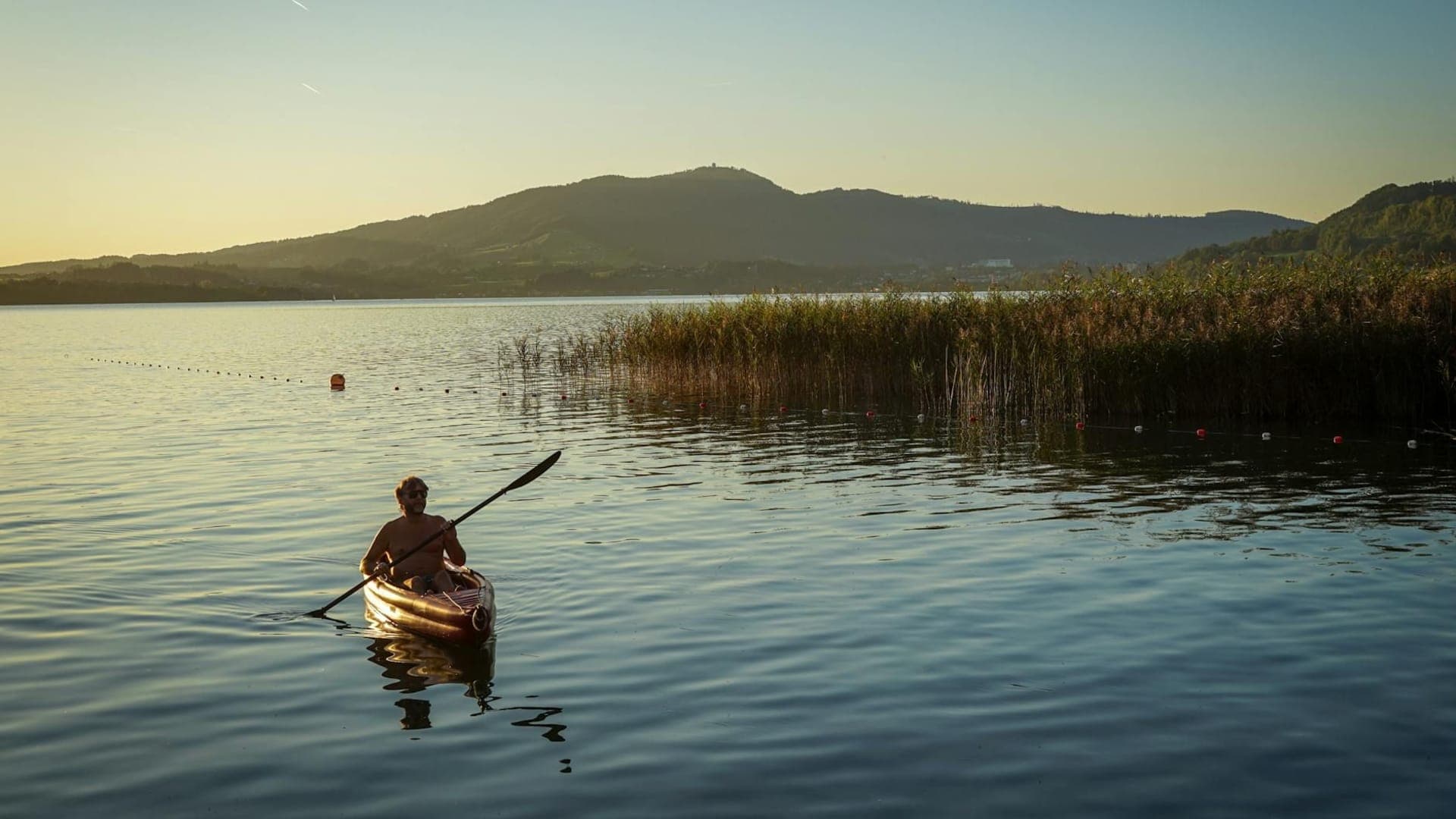
Intermediate-level equipment and safety strategies for a secure canoe, SUP, and camping experience on the lakes and rivers of Central Anatolia.