
30 Nis 2026
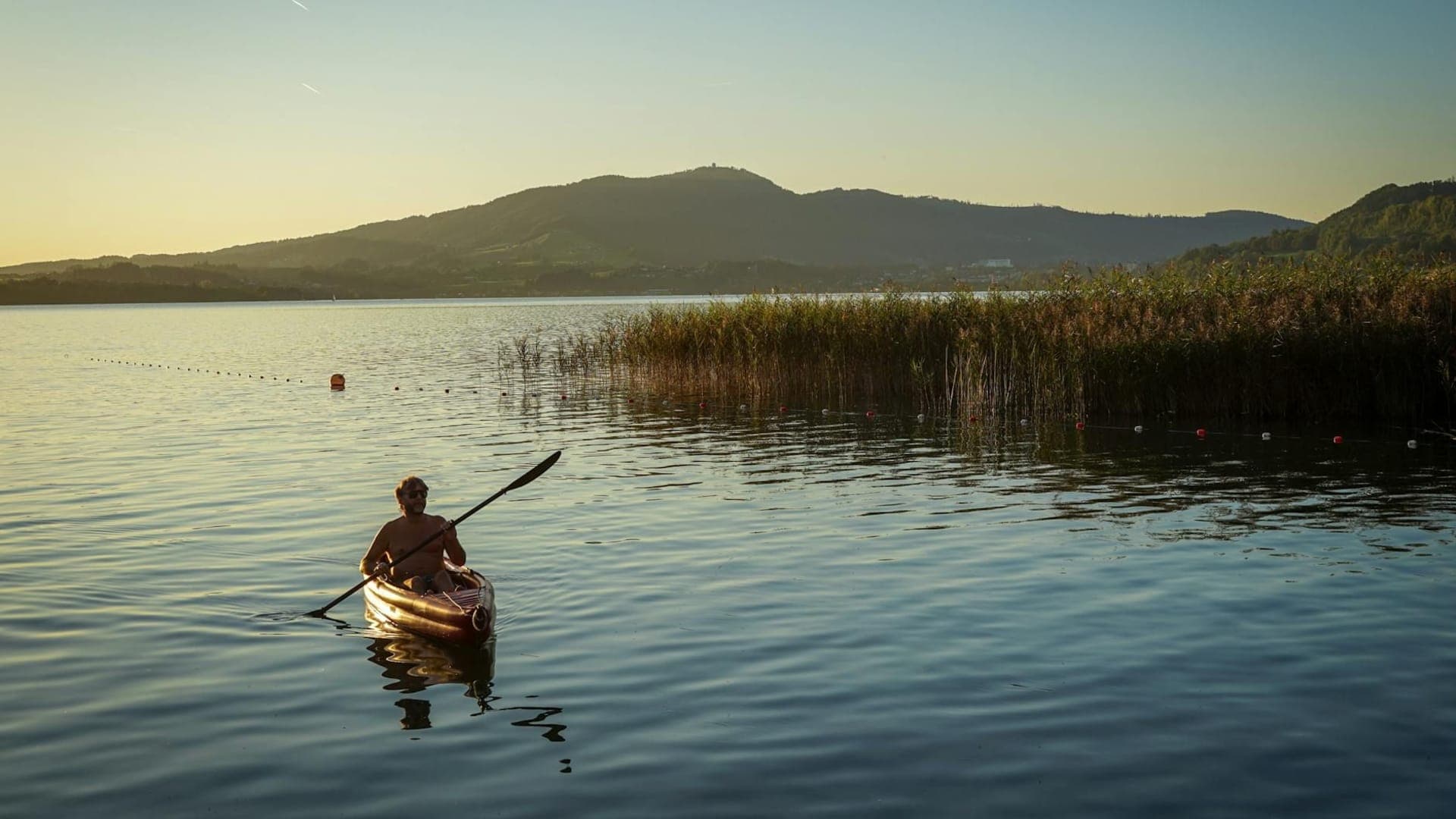
Wild Swimming and Water Sports: An Intermediate Camping Guide
Elevate your camping routine with safe water sports activities in flat waters and rivers.
8 min read
7 views
Kampçı Editör Ekibi
Outdoor Writer @ Kampçı

Hello dear Kampçı readers! Escaping the noise, stress, and concrete jungles of the city to seek refuge in the heart of nature feels amazing to all of us. However, completely disconnecting from technology when heading outdoors isn't always possible—or safe. We need power to take photos, use offline maps, light up our tents at night, and communicate in emergencies. This is exactly where one of the most common questions from beginner campers arises: "How am I going to charge my phone and other devices at camp?"
In this detailed guide, we walk beginner campers through everything they need to know step-by-step, from choosing a power bank and solar panels to energy-saving tips and cold-weather tactics. If you're ready, let's start exploring the solutions that will keep your power levels high in the great outdoors!
Many of us get caught up in the romantic idea of "turning off my phone and throwing it in my bag" when going camping. But reality doesn't always work out that way. The electronic devices we carry into nature are usually not luxuries, but tools for safety and comfort.
There are hundreds of different power bank models on the market. The slim, stylish power bank you carry in your bag for daily use might not be enough for the harsh conditions of nature. You should consider the following criteria when choosing a product for camping:
Power bank capacity is measured in milliampere-hours (mAh). If you are a beginner camper planning 1-2 night weekend trips, a power bank between 10,000 mAh and 20,000 mAh will be more than enough. Today's standard smartphone batteries average around 3000-4000 mAh. This means a 10,000 mAh power bank can fully charge your phone about 2-3 times.
Nature is full of surprises. Your bag might tip over, you could get caught in the rain, or you might drop your power bank on rocky ground. That's why opting for outdoor power banks with an IP rating (like IP67 or IP68) and a rubber or silicone exterior will protect your budget in the long run.
You might need to charge both your phone and your headlamp at the same time. Therefore, choose models with at least two USB or Type-C outputs. Additionally, having a "Fast Charge" (or Power Delivery) feature allows you to quickly revive your devices when time is limited.
If your camping trip exceeds 3 days or you need to power multiple devices, a single power bank might not be enough. Here are other popular energy solutions:
Foldable solar panels that you can hang on your backpack to charge devices even while hiking are great for long-term camping. But beware: Solar panels require direct sunlight. Their efficiency drops significantly in dense forests or on cloudy days. The best method is to use the solar panel to charge a power bank during the day, and then charge your devices from that power bank at night.
If you are car camping (like with a rooftop tent or an RV), portable power stations offer incredible comfort. With 220V AC outlets, these devices can run a mini-fridge, charge drone batteries, or even power a coffee maker. However, they are far too heavy for backpackers.
Hand-crank flashlights and radios that convert mechanical energy into electricity are essentials for emergency kits. They produce very little power, but they are lifesavers in crisis moments when "something is better than nothing."
Energy management doesn't end with just buying the right gear; it also requires planning. Here are the steps you should follow before and during your camping trip:
There are some simple yet highly effective methods you can use to conserve your power in nature:
Electronic devices must be used carefully in nature. For your safety, pay special attention to the following points:
Being intertwined with nature, waking up to the sound of birds, and finding peace by the fire is a priceless experience. It is entirely in your hands to prevent this beautiful experience from turning into stress due to a dead battery. As a beginner camper, investing in a durable power bank with the right capacity for your needs will be one of the best investments you can make.
Remember; choosing the right gear, good planning, and using your devices mindfully are the keys to a flawless camping adventure. Protect your devices from extreme cold and heat, prevent unnecessary battery drain, and enjoy nature to the fullest. As the Kampçı platform, we wish you highly energized, safe, and enjoyable camping trips in advance!
Related guides and stories from the outdoor world
Elevate your camping routine with safe water sports activities in flat waters and rivers.

Discover unique routes that combine camping and diving, taking you straight from your tent to the depths of the sea.

Get ready for an unforgettable camping experience in hidden coves and along riverbanks accessible only by paddling.
Intermediate-level equipment and safety strategies for a secure canoe, SUP, and camping experience on the lakes and rivers of Central Anatolia.