
30 Nis 2026
Wild Swimming and Water Sports: An Intermediate Camping Guide
Elevate your camping routine with safe water sports activities in flat waters and rivers.
8 min read
7 views
Kampçı Editör Ekibi
Outdoor Writer @ Kampçı
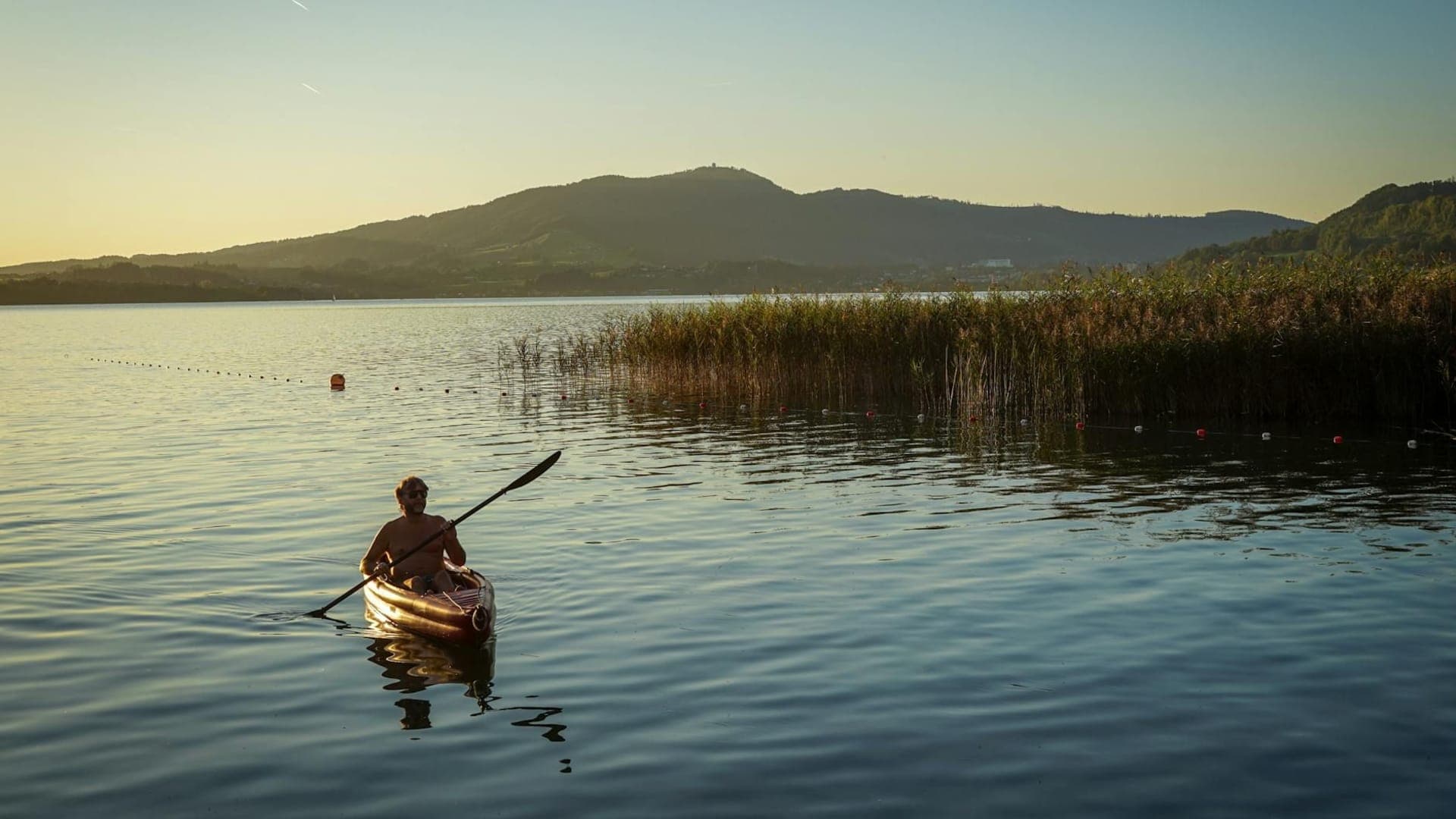
When you move beyond basic camping skills and set your sights on the water, your camping dynamics change entirely. If you're integrating activities like canoeing, kayaking, or SUP (Stand Up Paddleboarding) into your camping routine, water sports equipment and safety standards are subject to much stricter rules than a standard tent camp. With the strong currents of the Kızılırmak River and massive reservoir lakes like Yamula and Hirfanlı, the Central Anatolia region offers challenging yet rewarding routes that demand technical skills from water sports enthusiasts.
Although many consider Central Anatolia to be nothing more than arid steppes, the region's water basins are a serious testing ground for intermediate outdoor athletes. When camping by the waters in this region, you must understand the effect of coastal winds on the water, the risk of thermal shock, and proper navigation techniques. This guide is designed for those who already have basic camping knowledge and are transitioning to waterway navigation and technical water equipment.
Engaging in water sports in Turkey's interior has its own unique dynamics. Unlike the saltwater and mild climate of the coastlines, the freshwater sources in Central Anatolia have lower buoyancy and experience harsher temperature fluctuations. Due to the high altitude, water temperatures in Central Anatolia's reservoir lakes and rivers average between 14°C and 18°C, even in the summer months. This temperature range is more than enough to cause cold shock in an unprepared body upon sudden immersion.
On large reservoir lakes like Hirfanlı or Yamula, a water surface that is as smooth as glass in the morning can suddenly become choppy and dangerous in the afternoon due to thermal winds. Because the distance the wind travels over the water (fetch) is long, wave heights can quickly reach levels that will throw off the balance of your canoe or SUP. Therefore, you must schedule your time on the water according to micro-climatic wind forecasts.
While simply being by the water is enough for a beginner camper, an intermediate participant uses the water as a means of transportation and exploration. This transition should directly influence your technical equipment choices.
Basic boat tour life jackets (Type II) restrict your shoulder movements while paddling and tire you out when carrying camping gear. For canoeing and SUP, you should opt for Type III PFDs that comply with ISO 12402-5 standards, offer 50N (Newtons) of buoyancy, and leave the shoulders completely exposed. In fast-flowing waters like the Kızılırmak, quick-release belt models that allow a throw bag to be attached to the back are vital.
Wearing cotton clothing in Central Anatolian waters is one of the biggest mistakes you can make. To maintain your body heat if you fall in, you should wear a 2mm or 3mm thick neoprene wetsuit, depending on the water temperature. Especially during windy autumn camps, waterproof and breathable dry tops or full drysuits should be used. While neoprene provides insulation even when wet, throwing on a splash jacket for wind protection will cut through the wind chill effect.
When transporting your camping gear on the water, you need to know your IPX ratings. For your sleeping bag and electronics, you should use IPX8-rated bags that can withstand full submersion. Use carabiners and bungee cords when securing bags to your canoe or SUP. When distributing the load, always place heavy items as close to the water level and the center of the canoe as possible to keep the center of gravity (COG) low.
Safety in water sports doesn't end with just wearing the right gear; it requires reading the environment and preparing for potential crises in advance.
Using a leash is mandatory when paddleboarding or surfing, but the model must change depending on the type of water. In flatwater like the Yamula Dam, a coiled leash with an ankle attachment is suitable as it prevents tangling around the board. However, in rivers like the Kızılırmak, an ankle leash can be fatal. In moving water, you must always use a quick-release waist belt leash. If you get snagged on submerged tree branches, the current will push you underwater, making it impossible to reach down to your ankle to untie the leash.
When you set out on the water from your campsite, never plan your return trip to be against the wind or current. The ideal strategy is to paddle against the wind (or current) at the beginning of your trip when your energy is highest, and then let the wind have your back on the return to support your tired body. Always keep your GPS device in a waterproof case or your PFD pocket.
Apply these techniques to use your equipment most efficiently both at the campsite and on the water:
As experience grows, overconfidence can lead to skipping some basic safety steps. Here are the most common mistakes and their solutions:
In the challenging geography of Central Anatolia, never bend these three rules when combining your water and camping experiences:
1. Don't Underestimate Cold Water Shock: A well-chosen combination of a life jacket (PFD) and thermal protection gear reduces the risk of cold shock by 80%, extending your active rescue time in the water up to 30 minutes. When you suddenly fall into the water, your first instinct is to take a deep breath (the gasping reflex). A PFD keeps you on the surface, preventing you from taking this breath underwater.
2. Equipment Redundancy: When you are a few kilometers away from your campsite, a broken paddle or a punctured SUP can leave you stranded. Always carry a collapsible spare paddle and an emergency repair kit (like Tear-Aid or Aquaseal) with you.
3. Beware of Shoreline Traps: Water levels in reservoir lakes can change rapidly even within a single day due to energy production or agricultural irrigation. Instead of pitching your tent right at the water's edge, set it up at least 3-4 meters higher and further back. Always tie your canoe to a sturdy tree or stake at night; rising waters or overnight winds could sweep your gear away.
Yes, even if the air temperature is 30°C, the deep waters of reservoir lakes are usually around 15-18°C. To prevent the risk of hypothermia in case you fall in, it is highly recommended to wear at least a 2mm thick shorty wetsuit.
You should first place your food in ziplock bags, and then put them inside dry bags with an IPX6 rating or higher. Securing the bags to the hull of the canoe with carabiners prevents loss in the event of a capsize.
Rivers contain unseen tree roots and rocks beneath the surface. If an ankle leash gets snagged on these obstacles, the strong current will push you underwater, making it impossible to reach your ankle to untie the leash. That's why quick-release waist leashes must be used.
Basic neck-pouch cases protect against splashes but may not withstand the pressure of a full submersion (capsize). You should opt for IPX8-certified cases for your phone that feature built-in air cushions and are certified to float on water.
In addition to the PFD and appropriate clothing you are wearing, you must absolutely have a storm whistle, a pump (for inflatables), a spare paddle, a communication device in a waterproof case, polarized sunglasses, and at least 1 liter of drinking water with you.
Mastering water sports equipment and safety principles takes your camping experience to the next level. When explored with the right technical knowledge and gear, the reservoir lakes and rivers of Central Anatolia offer a sense of freedom that standard forest camps simply cannot provide. Learning to read the water, respecting the wind, and knowing the limits of your equipment not only keeps you alive but also allows you to forge a much deeper connection with nature. Pack your gear bag, review your safety procedures, and map out your route to meet the tranquility of the water. What is your favorite hidden route to explore by canoe or SUP in Central Anatolia? Don't forget to share your experiences with us.
Related guides and stories from the outdoor world
Elevate your camping routine with safe water sports activities in flat waters and rivers.

Discover unique routes that combine camping and diving, taking you straight from your tent to the depths of the sea.

Get ready for an unforgettable camping experience in hidden coves and along riverbanks accessible only by paddling.

Everything you need to know about power banks and portable energy sources—some of the most essential gear you should pack before heading into the wild.