Summary: The best camping spots in Turkey for beginners consist of national parks and private campgrounds that offer essential facilities like clean water, security, and restrooms. For a first experience, regions with strong infrastructure such as İğneada in Marmara, Akyaka in the Aegean, and Çıralı in the Mediterranean should be preferred. Choosing the right location and analyzing the ground are the most critical factors that directly determine the success of your first camping trip.
Stepping into nature is the most effective way to shake off the mental fatigue brought on by city life. However, if not planned correctly, a first camping experience can easily turn into a physical struggle. Therefore, when choosing among the best camping spots in Turkey, technical infrastructure and safety should take precedence over visual expectations. For a beginner, the "best" spot isn't the one with the most beautiful scenery, but the one with the most accessible restrooms, clean water, and evacuation routes in case of emergencies.
What You Will Learn in This Article
- A list of beginner-friendly campgrounds with solid facility infrastructure
- Ideal, risk-free routes for a first experience in the Marmara, Aegean, and Mediterranean regions
- Ground and wind criteria to consider when choosing a campsite
- Critical mistakes beginners often make when pitching a tent
- Nature safety, food storage, and basic campground rules
Essential Information for First-Time Campers
Although camping is a discipline learned through trial and error, negative experiences during your first trip can completely put you off the activity. According to 2024 data, approximately 35% of the 4.2 million people who prefer organized campgrounds in Turkey are first-time campers. This statistic proves the importance of the safety provided by private campgrounds and national parks during the adaptation process to nature.
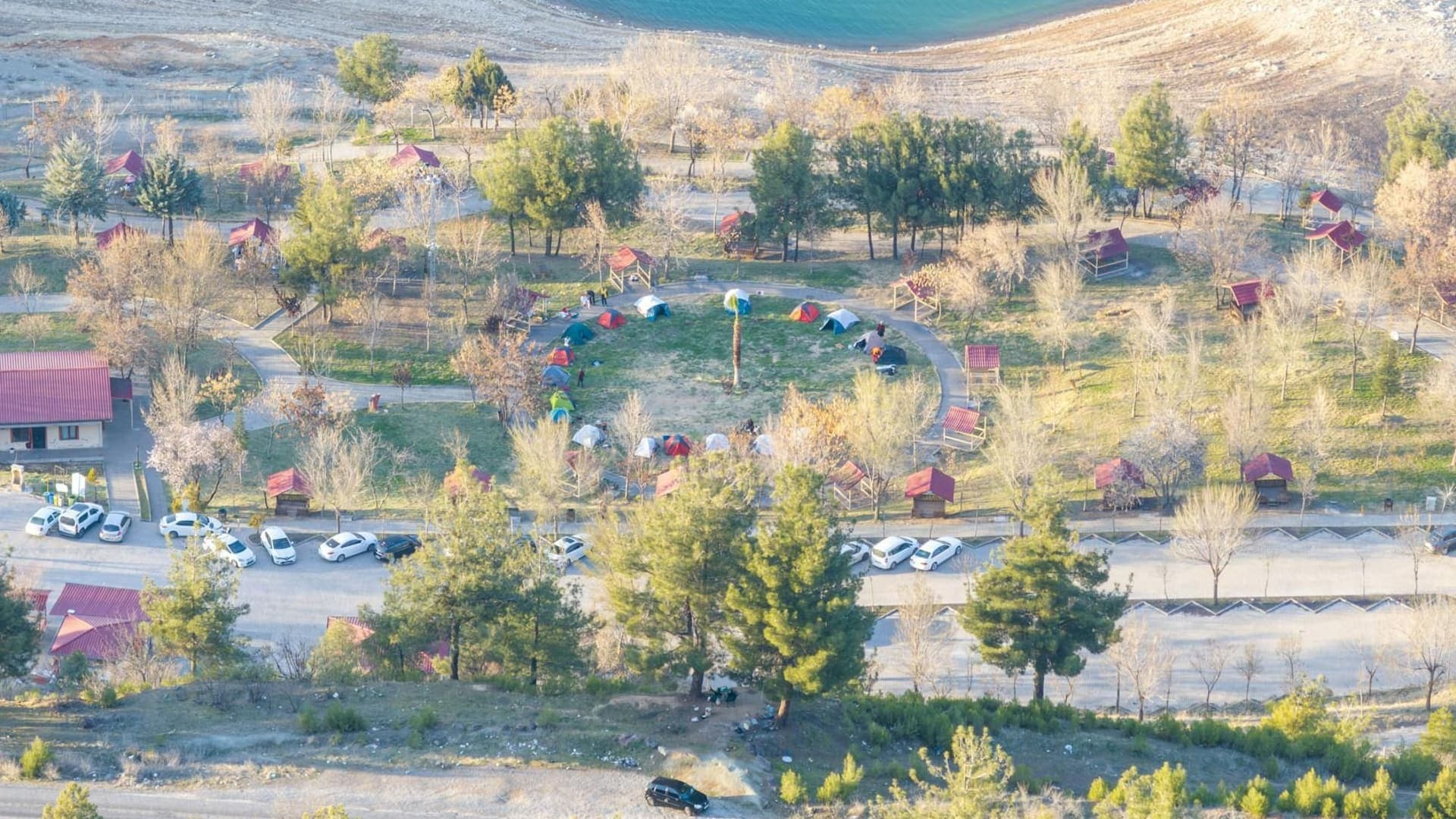
Wilderness camping (free camping) carries significant risks for beginners. Facilities with electricity, clean water sources, leveled ground, and security personnel are a must for your first three camping experiences. These areas allow you to tolerate equipment shortages and focus solely on basic skills like pitching a tent and building a fire.
A Region-by-Region Review of Turkey's Best Camping Spots
Turkey's geographical diversity allows for camping in all seasons. However, for beginners, locations with a relatively mild climate and accessible via asphalt roads should be prioritized.
1. Marmara Region: İğneada Floodplain Forests (Kırklareli)
İğneada is one of the rare regions that offers both forest and marine ecosystems together. Private campgrounds located around the borders of the National Park provide an ideal infrastructure for beginners. The ground is generally covered with soft soil and leaf litter, making it easy to secure tent pegs. Since the region's humidity is high, using a double-wall tent is mandatory.
2. Aegean Region: Akyaka Forest Camp (Muğla)
Located in the Gulf of Gökova, Akyaka Forest Camp is one of Turkey's most well-established campgrounds. It stands out with its electrical panels, clean restrooms, and shower facilities. With its sea-level location, Akyaka Forest Camp experiences slower nighttime heat loss compared to the high-altitude areas in the Kaz Mountains, making it much more suitable for beginners during the spring months. When pitching a tent under pine trees, it is beneficial to stretch an extra tarp over the tent to protect against dripping resin.
3. Mediterranean Region: Çıralı Campgrounds (Antalya)
Private campgrounds nestled in citrus orchards along the Çıralı coast offer the advantages of the Mediterranean climate. Because the soil is sandy, you may need to use wide-surface sand pegs instead of standard tent pegs. It is hot during the day, but there is a noticeable temperature drop at night due to cool air currents descending from the Bey Mountains. The proximity of the facilities to the village allows you to instantly resolve any logistical shortages.
5 Practical Tips for Choosing a Campsite
When you arrive at the campground, choosing those few square meters where you will pitch your tent determines how you will spend the night. Here are the technical steps you should apply in the field:
- Ground Slope Analysis: The ground where you pitch your tent should be as flat as a spirit level. If there is a slight slope, position your sleeping bag so that your head is on the uphill side. Otherwise, blood flow will rush to your head throughout the night, and you will wake up with a headache.
- Water Source Distance (The 20-Meter Rule): Do not pitch your tent right on the edge of a lake, stream, or the sea. In tents pitched closer than 20 meters to water sources, the indoor humidity level rises above 80% due to nighttime dew and evaporation. The ideal distance is 30-50 meters inland from the water's edge.
- Calculating the Sun's Path: Position your tent's door to face east. The interior of the tent warming up with the first light of morning helps dry out the moisture accumulated overnight. However, choosing a spot under a tree where the entire tent will remain in the shade after 10:00 AM prevents a greenhouse effect inside.
- Avoiding Wind Corridors: Narrowing points in valleys and the spaces between two hills act as wind corridors. Do not pitch your tent in these areas. Face the narrowest and most aerodynamic surface of the tent toward the prevailing wind direction, and position the door away from the wind.
- Hazard Analysis (Checking for Dead Trees): Before pitching your tent, look up. Never settle under thick, rotten, dried, or about-to-break tree branches (widowmakers). On a windy night, these branches could fall directly onto your tent.
3 Critical Mistakes Beginners Make
A lack of theoretical knowledge leads to serious comfort and safety issues in the field. The most common mistakes and their solutions are as follows:
- Camping in Dry Riverbeds: Especially in summer, dry riverbeds look tempting with their flat and thorn-free surfaces. However, rain falling miles away can turn this bed into a flood zone within hours. A tent should always be pitched at a vertical height of at least 5 meters above the water level.
- Skipping Ground Clearing: Failing to clear pinecones, sharp rocks, and hard branches from the ground before pitching the tent will cause both the tent floor to puncture and your sleeping pad to lose its function. Before setup, sweep the area with your feet as if you were using a broom.
- Storing Food Inside the Tent: 80% of wildlife encounters (foxes, wild boars, bears, etc.) in campgrounds are caused by food smells left out in the open or brought inside the tent. Keep your food in locked containers, in your car's trunk, or hung on a high branch at least 50 meters away from your tent.
3 Critical Rules You Must Know When Choosing a Campsite
A successful camping trip requires adapting to nature rather than fighting it. Three critical rules lie at the heart of this harmony:
1. Ground Insulation is More Important Than the Tent: Your tent protects you from wind and rain, but not from the cold. A large portion of heat loss inside a tent is caused by inadequate insulation in direct contact with the ground. Using a sleeping pad with an R-value appropriate for the season is a more critical detail than even the most expensive sleeping bag.
2. Make an Emergency Exit Plan: Calculate the distance of your campsite to the main road or the nearest settlement in terms of kilometers and time. Park your vehicle facing directly toward the exit so you can leave without maneuvering in an emergency.
3. Read Meteorological Data Correctly: Looking only at temperature values is misleading. Track wind speed (km/h), precipitation probability, and humidity levels throughout your camping trip. Monitoring cloud movements in real-time via weather radar apps will buy you time against unexpected storms.
Nature Safety Notes
Your safety is your own responsibility. Keeping in mind that you might lose cell signal before reaching the campground, make sure to inform a relative of your exact location and planned return date. It is vital to carry a comprehensive first aid kit and keep it in a well-known, easily accessible spot in the tent (usually the tent's door pocket). Strictly follow facility rules when building a fire; use a fire pit in areas where ground fires are not allowed, and make sure to completely extinguish the ashes with water before going to sleep.
Frequently Asked Questions
Can beginners go to free camping areas?
Free (wilderness/wild) camping areas are not recommended for a first camping experience. The lack of restrooms, security, lighting, and clean water makes staying in nature difficult for inexperienced campers. It is safer to do your first three camping trips in areas with facilities.
Are there restrooms and showers at campgrounds?
Almost all private campgrounds and official camping areas with national park status have common areas, clean restrooms, and shower facilities. When choosing a location, you can call the business to confirm the current state of their facilities.
Is it safe to pitch a tent under a tree?
Pitching a tent under healthy, living trees that do not drip resin is beneficial for providing shade. However, since the risk of dry branches falling (widowmakers) is high in windy weather, the sturdiness of the branches above must be checked before setting up the tent.
Is there electricity at campgrounds?
Most organized campgrounds have electrical panels in common areas or next to the tent plots. To run electricity to your tent, you need to bring an outdoor-rated extension cord of at least 10-15 meters.
Which season should be preferred for a first camping trip?
The most ideal periods for a first camping experience are late spring (May) or early autumn (September), when the temperature differences between day and night are not extreme. These months eliminate both the insect problems brought on by extreme heat and the freezing cold of winter.
Conclusion and the First Step
The best camping spots in Turkey are safe havens for beginners who want to keep up with the rhythm of nature without straying too far from the comforts of city life. From the oxygen-rich forests of İğneada to the pine-scented coolness of Akyaka, every region offers you the chance to discover your own limits. Remember, the best camping equipment is experience, and this experience is only gained when you zip up your tent and spend that first night in nature. Make your plan, check the weather, choose the right facility, and step into the great outdoors. A weekend spent with the right preparation will be the beginning of a lifelong passion.