Wilderness First Aid Guide for Southeastern Camping Routes

Safety Tips•30 May 2026
K

Kampçı Editör Ekibi

Outdoor Writer @ Kampçı
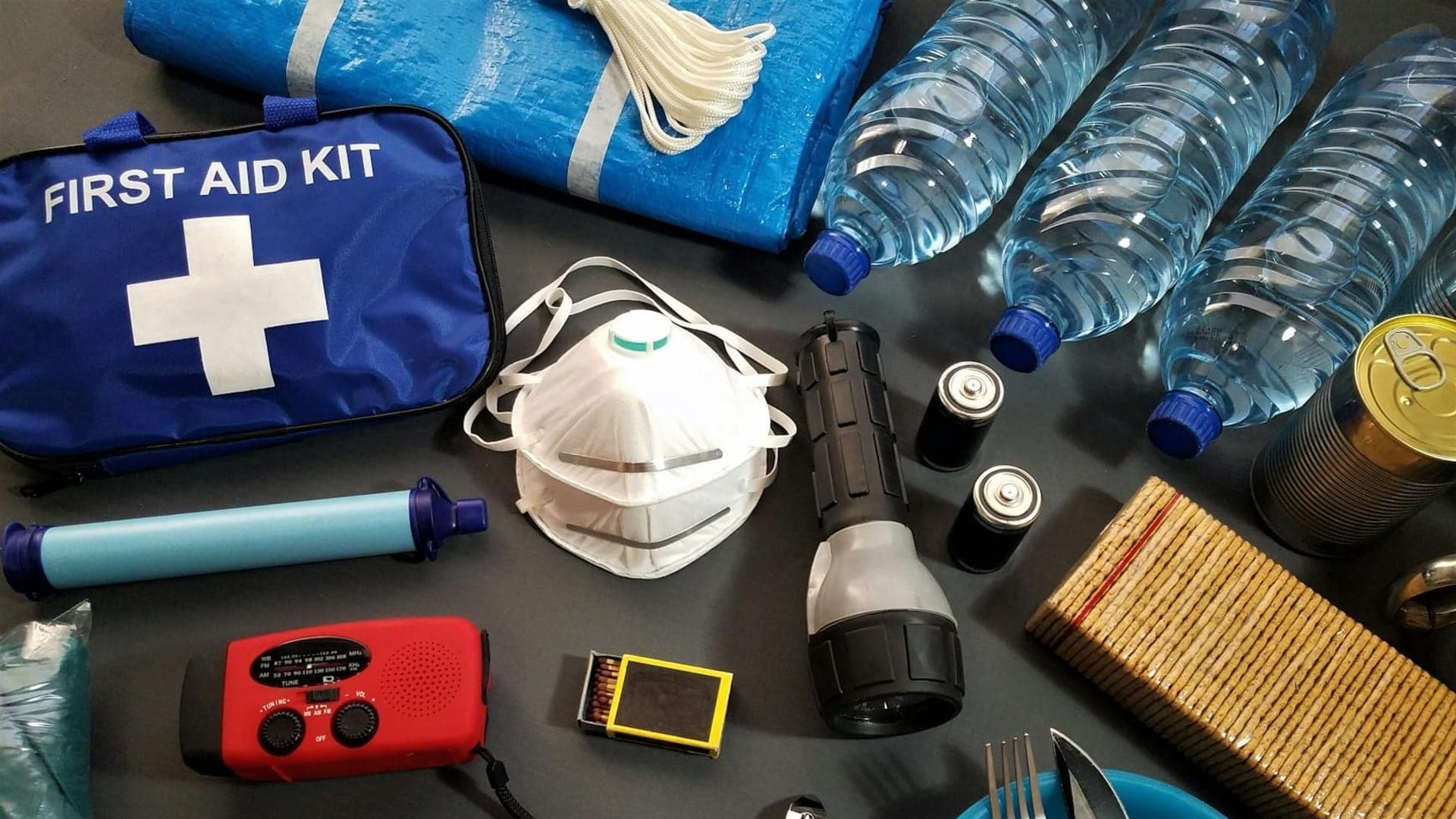
Wilderness First Aid Guide for Southeastern Camping Routes
Summary: First aid knowledge is vital when camping in the high temperatures and rocky terrains of Southeastern Anatolia. This guide covers practical precautions and proper response techniques that beginner campers need to take against heatstroke, scorpion/snake bites, and basic camping injuries.

Camping in Southeastern Anatolia and the Importance of First Aid

The Southeastern Anatolia Region is home to unique camping routes, such as the foothills of Mount Nemrut, the submerged valleys of Halfeti, and the slopes of Mount Karaca surrounded by the historical texture of Mardin. However, the harsh climate, high daytime temperatures, and unique wildlife of this geography make specific first aid knowledge essential for campers. As a beginner camper, you must accept that you are miles away from professional medical help in the middle of nature. The simplest cut or headache in the city can turn into a serious crisis in the wilderness if not managed correctly.

What You Will Learn in This Article

  • Recognizing the signs of heatstroke and dehydration specific to the Southeastern Anatolian climate
  • What to do and what absolutely not to do in case of scorpion and snake bites
  • Critical, region-specific supplies you need in your first aid kit
  • Communication and evacuation planning in emergencies
  • The right way to handle common first aid mistakes made at campsites

Wilderness First Aid Guide: Region-Specific Basics

Wilderness first aid is different from urban first aid. While an ambulance takes an average of 10-15 minutes to arrive in the city, it can take hours in a remote canyon in the Southeast. Therefore, your main goal is not to treat the patient, but to prevent their condition from worsening and ensure their safe evacuation. During summer camping trips in Southeastern Anatolia, proper use of shade and hydration reduces the risk of emergencies by 70%. The most common problems you will face while camping in this region stem from environmental factors. Extreme heat, sudden temperature changes (40 degrees Celsius during the day, 15 degrees at night), and traumas caused by rocky terrains are in the primary risk group.

Step-by-Step Response: Common Emergencies

1. Heatstroke and Dehydration

The sun is your biggest enemy, especially during summer and late spring camps around Şanlıurfa and Diyarbakır. Dehydration creeps up on you. A headache, dark urine, and dry lips are the first signs. Heatstroke, on the other hand, is a medical emergency where sweating stops, the skin becomes dry and hot, and consciousness blurs.

  • Response: Move the person to the shade immediately. Loosen any thick or tight clothing. If they are conscious, have them sip water (chugging it can cause vomiting). Lower their body temperature by applying wet cloths to their neck, armpits, and groin.

2. Scorpion and Snake Bites

The rocky terrain of Southeastern Anatolia is a natural habitat for scorpions and certain snake species. You are likely to encounter these creatures while pitching your tent or gathering firewood.

  • Response: Immobilize the bitten person immediately. Moving accelerates the spread of venom through the bloodstream. Keep the bitten area below or at heart level. Instead of a tourniquet, slow down the lymphatic flow by wrapping an elastic bandage (not too tightly) above the bite area. According to experts, trying to suck out the venom from snake or scorpion bites increases tissue damage by 40% and doubles the risk of infection. Call for medical help without delay.

3. Sprains and Cuts in Rocky Terrain

The ground is quite uneven when hiking around Mount Nemrut or the Ancient City of Dara. Ankle sprains and cuts from falls are common.

  • Response: If there is bleeding, apply direct pressure with a clean cloth. Avoid washing the wound with natural water sources (use your clean drinking water or povidone-iodine). For sprains, apply the RICE (Rest, Ice, Compression, Elevation) method. Since you won't find ice in the wilderness, apply a cold compress using a cloth soaked in a cold water source, if available.

5 Lifesaving Practical Tips

  1. Climate-Proof Your Backpack: Medications in your first aid kit can spoil in the 40-degree heat of the Southeast. Store your meds in the coolest, unexposed inner compartments of your bag.
  2. Make Tent Checks a Habit: Always shake out your shoes, sleeping bag, and backpack before going to sleep at night and when you wake up in the morning. Scorpions love cool, dark places.
  3. Track Your Water Consumption: Don't wait until you're thirsty. Keep drinking water until your urine is clear or pale yellow. Make sure others in your camping group are drinking water too.
  4. Carry an Emergency Whistle: Your voice will get lost in canyons or rocky areas. A whistle sound travels much further. The international call for help is 3 short whistle blasts.
  5. Don't Forget Allergy Meds: You never know what you might be allergic to in nature. A basic antihistamine pill and cream are your best defense against bug bites.

Common First Aid Mistakes

Many mistakes made by beginner campers, based on television or hearsay, only make the situation worse.

  • Mistake: Applying a Tourniquet. Immediately applying a tourniquet for snake bites or simple bleeding leads to tissue death (gangrene). The Right Way: Direct pressure or a pressure bandage that slows lymphatic flow. A tourniquet is only a last resort for unstoppable arterial bleeding, such as an amputated limb.
  • Mistake: Pouring Hydrogen Peroxide/Alcohol Directly on the Wound. These substances burn healthy tissue as well, delaying healing. The Right Way: Wash the wound with clean drinking water and soap, then apply an antiseptic like povidone-iodine around the wound, not inside it.
  • Mistake: Sucking the Venom or Making Cuts. Cutting the area in snake/scorpion bites does not extract the venom; instead, it increases the risk of infection and bleeding. Bacteria from the mouth transfer to the wound. The Right Way: Keep the area immobilized and get to a hospital quickly.

Safety Notes and Region-Specific Equipment

A standard first aid kit is not enough when camping in Southeastern Anatolia. Specific items you should add to your bag include: aloe vera-based burn gels for sunburns, water purification tablets (water sources can be limited in the region), electrolyte powders (to replace salt lost through sweat), and thick-tipped tweezers (for removing splinters or ticks). Also, make sure your campsite is on flat ground, away from tall grass and overturned rocks. When building a fire, due to the abundance of dry grass, do not forget to surround it with stones to prevent fire risks and always keep soil/water nearby ready for immediate intervention.

3 Critical Rules You Need to Know

To prevent panic when faced with an emergency, engrave these three rules in your mind:

  1. Sharing Your Location Saves Lives: Before camping in the Euphrates basin or the foothills of Mount Karaca where there is no cell service, make sure to inform a relative of your route and return date. Download offline maps to your phone.
  2. The Golden Hour Rule: In a serious injury, the first hour (the Golden Hour) is crucial. After stabilizing the patient, do not think about packing up camp; focus directly on the evacuation plan.
  3. Staying Calm is the First Step: If the person providing first aid panics, it accelerates the patient's heart rate as well. Take a deep breath, assess the situation (is the environment safe?), and intervene.

Frequently Asked Questions

What must be in my first aid kit in Southeastern Anatolia?

In addition to standard gauze and band-aids, you must have electrolyte powder, burn cream, antihistamine pills/cream, water purification tablets, and an elastic bandage. The region's hot climate and rocky terrain make these items mandatory.

What is the first thing I should do for a scorpion sting?

Immobilize the bitten area and keep it below heart level. Absolutely do not let the person walk or run. Without trying to suck or cut out the venom, arrange transportation to the nearest healthcare facility as quickly as possible.

How do I tell heatstroke apart from dehydration?

In dehydration, the person continues to sweat and feels thirsty. In heatstroke, the body stops sweating; the skin is dry, red, and extremely hot. Heatstroke is a much more serious emergency that can lead to loss of consciousness.

How do you communicate in an emergency at campsites with no cell service?

Inform the gendarmerie or your relatives of your route before camping. Always carry an emergency whistle and a signal mirror with you. If you camp frequently, getting a satellite-based GPS messaging device is the most reliable way.

Can I clean a wound with natural water sources?

No, river or lake water can harbor bacteria and parasites. To clean an open wound, you should only use your own drinking water or sterile solutions from your first aid kit.

Conclusion

A wilderness first aid guide is the lightest yet most valuable piece of equipment in a camper's backpack. The fascinating nature, ancient cities, and endless canyons of Southeastern Anatolia offer you unique experiences as long as you are prepared. As a beginner, learning these rules means ensuring not only your own life but also the safety of your camping companions. Don't let your guard down while enjoying nature; pack your bag mindfully, know your limits, and step confidently into your next adventure.

Related Articles

Related guides and stories from the outdoor world

Wilderness Fire Safety: A Beginner's Guide
28 Nis 2026

Wilderness Fire Safety: A Beginner's Guide

Essential fire building and extinguishing rules you need to know to protect yourself and nature while camping.

7 min read
11 views
Wilderness First Aid Guide for Camping in Turkey
Nationwide
4 May 2026

Wilderness First Aid Guide for Camping in Turkey

A fundamental first aid and emergency response guide for beginner campers facing wilderness emergencies.

7 min read
10 views
Wilderness First Aid Basics for Beginners
30 Haz 2026

Wilderness First Aid Basics for Beginners

The most fundamental and vital first aid steps for beginner campers to handle potential accidents in the wild.

7 min read
7 views
Wilderness Emergency Response: A Beginner's Guide
11 Nis 2026

Wilderness Emergency Response: A Beginner's Guide

The golden rules of first aid and safely managing potential crises in the wild for beginner campers.

8 min read
7 views