Wilderness First Aid Basics for Beginners

Safety Tips•30 Haz 2026
K

Kampçı Editör Ekibi

Outdoor Writer @ Kampçı

Wilderness First Aid Basics for Beginners
Summary: For beginner campers, wilderness first aid is about choosing the right equipment and having the ability to stay calm and perform basic interventions during emergencies. In remote areas far from the city center, stopping bleeding, stabilizing sprains, and preventing hypothermia are crucial until professional medical teams arrive. With an effective first aid kit and basic knowledge, the vast majority of campsite accidents can be safely managed on the spot.

Escaping the crowds of city life and immersing yourself in nature is one of the most effective ways to rejuvenate physically and mentally. However, nature has its own rules. Especially for beginner campers, knowing the basics of wilderness first aid draws the fine line between a comfortable experience and serious health issues. While an ambulance might reach you in 10 minutes in the city, this can take hours deep in the forest. Therefore, being self-sufficient in the wild is not just a camping skill; it is a necessity.

What You Will Learn in This Article

  • The main differences between wilderness first aid and urban first aid
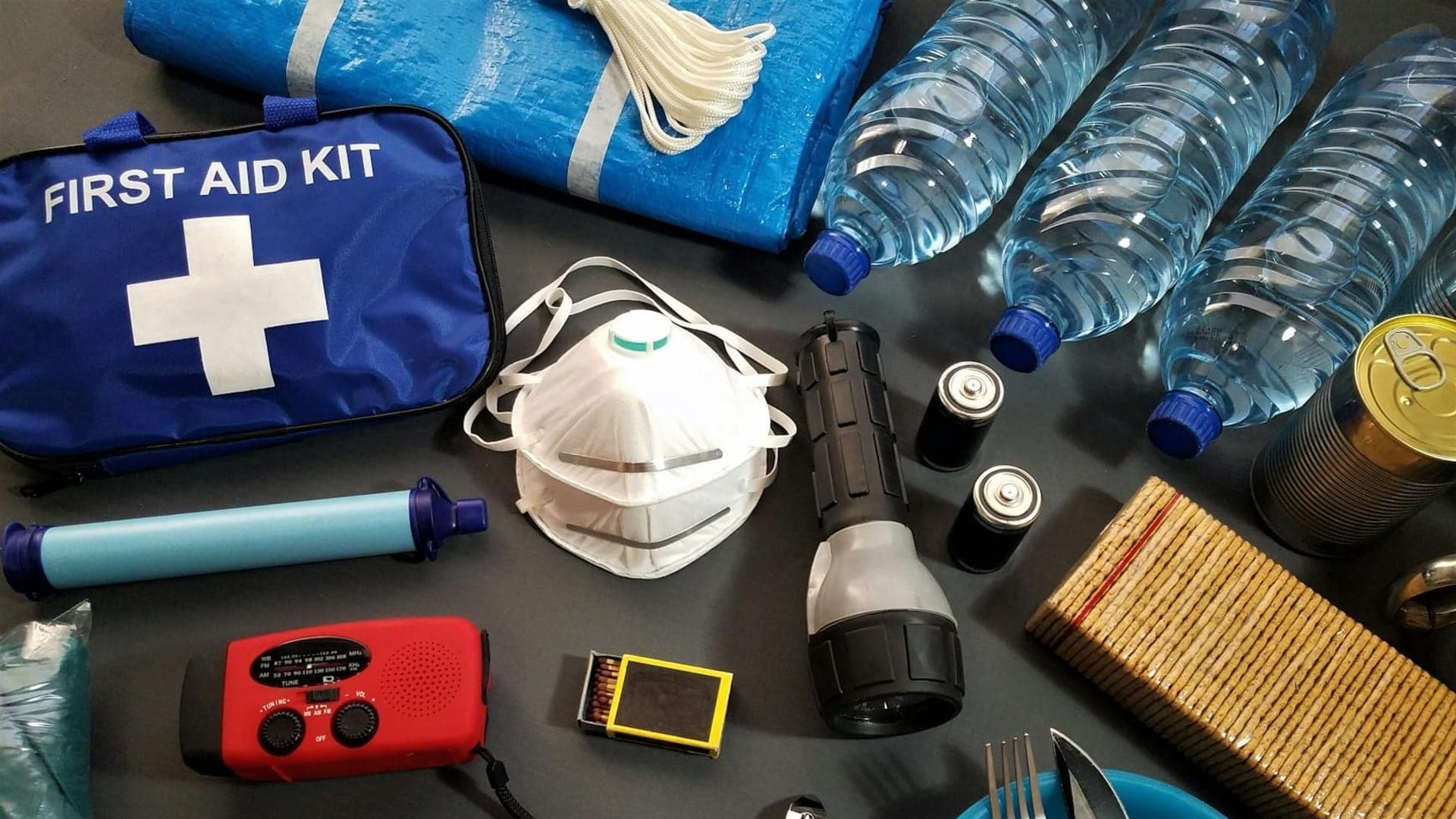
  • The essential items that must be in a camping first aid kit
  • Steps to treat the most common camping accidents, such as cuts, burns, and sprains
  • Strategies for communicating and calling for help in emergencies
  • The most critical first aid mistakes made by beginners

Wilderness First Aid Basics: How Does It Differ from the City?

The biggest difference in wilderness first aid is the limitation of time and resources. In the city, the goal is to keep the patient alive and hand them over to professional teams as quickly as possible. In the wild, the goal is to stabilize the patient, prevent their condition from worsening, and safely evacuate them if necessary. In forested camping areas across Turkey (such as the Kaz Mountains or the Aladağlar in Bolu), it can take emergency medical teams anywhere from 45 minutes to 2.5 hours to reach the scene, depending on geographical conditions. The interventions you perform during this time are absolutely critical.

3 Critical Rules You Need to Know About Wilderness First Aid

  1. Your Own Safety Comes First: In the event of an accident, the first thing you must do is ensure the safety of the environment. Before helping a friend trapped under a fallen rock, you must check if other rocks are falling from above. Two injured people are always worse than one.
  2. The Golden Hour Rule is Flexible: In the city, the first hour for trauma patients is known as the "golden hour." In the wild, this timeframe extends. Therefore, you must be prepared for long-term patient care (maintaining body temperature, providing hydration).
  3. Knowledge Saves More Than Gear: You can have the most expensive first aid kit in the world, but if you don't know how to apply the tourniquet inside it or how to perform CPR, that kit is just dead weight.

Most Common Camping Accidents and a Step-by-Step Response Guide

Most of the problems encountered at campsites stem from simple carelessness. According to research, 70% of accidents in outdoor sports and camping consist of minor cuts, burns, and sprains that occur while pitching a tent, chopping wood, or building a fire.

1. Cuts and Bleeding

For cuts caused by a slipping knife or snagging on sharp branches, the primary goal is to stop the bleeding and prevent infection.

  • Apply Pressure: Apply direct pressure to the wound with a clean gauze pad or piece of cloth. Do not release the pressure until the bleeding stops.
  • Wash: Once the bleeding has stopped, wash the wound with clean drinking water or saline solution. Never use natural water sources (streams, lakes) on open wounds.
  • Cover: Cover with a sterile dressing and tape it. Since deep cuts may require stitches, seek medical help as soon as possible.

2. Burns

Campfire or hot camp stove burns are among the most common mishaps.

  • Cool It Down: Hold the burned area under cool running water for at least 15-20 minutes. Applying ice is much riskier than cool water because direct contact with ice can cause tissue damage and frostbite.
  • Protect It: If blisters form on the burned area, absolutely do not pop them. Cover it loosely with a clean, non-stick bandage.

3. Sprains and Strains

Ankle sprains can be inevitable when hiking on rugged terrain.

  • Rest: Do not put weight on the injured area.
  • Apply Cold: Apply a cold compress within the first 24 hours to reduce swelling (wrap the ice in a cloth so it doesn't touch the skin directly).
  • Immobilize and Elevate: Wrap the area with an elastic bandage, not too tightly, and rest with it elevated above heart level.

Practical First Aid Tips for Beginner Campers

In addition to theoretical knowledge, here is some field experience that will make things easier at the campsite:

  • Waterproof Your Kit: If your first aid supplies get damp or wet, they become unusable. Always store your supplies in sealed waterproof bags (dry bags).
  • Pack Double Your Personal Medications: If you have allergy or blood pressure medications that you use regularly, pack twice the amount you need for your planned camping trip and divide them into two different bags.
  • Show Everyone Where the Kit Is: When you arrive at the camp, let everyone in the group know where the first aid kit is located. Put a red cross or a prominent label on the outside of your bag. In an emergency, no one should waste time digging through the bottom of bags for supplies.
  • Use Offline Maps and an Emergency Whistle: Always carry an emergency whistle around your neck to signal your location in case you get lost or have an accident in areas with no cell service (International distress signal: 3 short whistle blasts).
  • Check Expiration Dates: At the beginning of every camping season, especially when preparing for the 2025 season, be sure to check and replace the expiration dates of the iodine, ointments, and pills in your kit.

Most Common Mistakes Made in Wilderness First Aid

Incorrect first aid practices are often more dangerous than no intervention at all.

  • Mistake: Trying to suck out the venom or applying a tourniquet for a snake or scorpion bite.
    The Right Way: Sucking the venom can cause microbes from your mouth to enter the wound or the venom to infect you. A tourniquet can lead to the complete loss of that limb. Immobilize the bitten area, keep it at heart level, and transport the patient to the nearest healthcare facility without letting them walk (carry them or use a stretcher).
  • Mistake: Pouring iodine/antiseptic directly into an open wound.
    The Right Way: These types of antiseptics damage living tissue and delay healing. The inside of an open wound should only be washed with clean water or saline solution. Antiseptics should only be applied to the intact skin around the wound.
  • Mistake: Applying toothpaste, yogurt, or tomato paste to a burn.
    The Right Way: These substances prevent the burn from breathing, trap the heat inside, and seriously increase the risk of infection. Only apply cool water and cover with a sterile pad.

Camp Safety and Natural Risks: Hypothermia and Heatstroke

Regardless of the season, losing body temperature balance in the wild is a silent but deadly danger. Even on the Aegean coast during the spring, day and night temperature differences can lead to hypothermia. When symptoms of hypothermia (uncontrollable shivering, slurred speech, confusion) are observed, the patient must immediately be protected from the wind, wet clothes should be replaced with dry ones, and they should be warmed up gradually (with warm sugary liquids). Sitting them directly next to a fire can cause shock.

In the case of heatstroke, the patient should be moved to the shade, excess clothing should be removed, and body temperature should be lowered by applying wet compresses to areas like the armpits, groin, and back of the neck.

Frequently Asked Questions

What absolutely must be in a camping first aid kit?

A basic kit must include sterile gauze pads, an elastic bandage, band-aids, antiseptic solution, tweezers, scissors, pain relievers/fever reducers, allergy pills, burn cream, and an emergency blanket (space blanket).

How do I call for help in the wild if there is no cell service?

In situations where your phone has no signal, you should use international emergency signals. Blowing 3 short, loud blasts in a row with an emergency whistle or flashing a flashlight 3 times at night is the universal call for help.

Should hot or cold be applied as a first response to sprains?

For sprains and strains, a cold compress must absolutely be applied for the first 24-48 hours. Applying heat increases blood flow, which worsens edema and swelling; cold constricts the blood vessels to keep swelling under control.

What should be done for a tick bite?

Never handle a tick with your bare hands, do not pour cologne or oil on it, and do not try to burn it. Using tweezers or a tick removal card, grasp the tick as close to the skin's surface as possible (by its head) and pull upward with steady, even pressure, then wash the bite area with soapy water.

I have no first aid training, is it risky for me to go camping?

Camping in remote areas without basic first aid knowledge is risky. Reading a basic first aid guide, watching videos, and preparing a standard first aid kit before going camping will greatly reduce the risks.

Conclusion

Spending time in nature means accepting unpredictable situations. As a beginner camper, being well-equipped in first aid can save not only your own life but also the lives of your campmates and even other people you might encounter in the wild. Adding the right gear to your pack, learning basic response steps, and being able to stay calm in a crisis will transform you from a novice camper into a conscious nature lover. Pack your kit thoroughly, keep your knowledge up to date, and enjoy nature safely.

Related Articles

Related guides and stories from the outdoor world

Wilderness Fire Safety: A Beginner's Guide
28 Nis 2026

Wilderness Fire Safety: A Beginner's Guide

Essential fire building and extinguishing rules you need to know to protect yourself and nature while camping.

7 min read
11 views
Wilderness First Aid Guide for Camping in Turkey
Nationwide
4 May 2026

Wilderness First Aid Guide for Camping in Turkey

A fundamental first aid and emergency response guide for beginner campers facing wilderness emergencies.
7 min read
10 views
Wilderness First Aid Guide for Southeastern Camping Routes
Southeastern Anatolia
30 May 2026

Wilderness First Aid Guide for Southeastern Camping Routes

Lifesaving first aid techniques to help you camp safely on the challenging trails of Southeastern Anatolia.

6 min read
7 views
Wilderness Emergency Response: A Beginner's Guide
11 Nis 2026

Wilderness Emergency Response: A Beginner's Guide

The golden rules of first aid and safely managing potential crises in the wild for beginner campers.

8 min read
7 views