
28 Nis 2026
Wilderness Fire Safety: A Beginner's Guide
Essential fire building and extinguishing rules you need to know to protect yourself and nature while camping.
7 min read
11 views
Kampçı Editör Ekibi
Outdoor Writer @ Kampçı

When you have an accident within the comfortable borders of a city, an ambulance usually takes just minutes to reach you. However, the situation is completely different when you're camping deep in a forest with no cell service or on a steep mountainside. The main purpose of reading a wilderness first aid guide is to keep the patient alive and stable until professional medical teams arrive—which can take hours, or sometimes even days.
Compared to urban first aid, wilderness first aid is a longer-term responsibility because logistics and evacuation processes are complex. If you are a beginner camper, you need to grasp basic first aid principles even before learning how to pitch a tent or build a fire. While 65% of camping accidents in Turkey consist of simple cuts, burns, and sprains, the need for hospitalization drops by 80% with the correct initial response. This statistic shows just how critical that small kit you carry and the basic knowledge in your mind truly are.
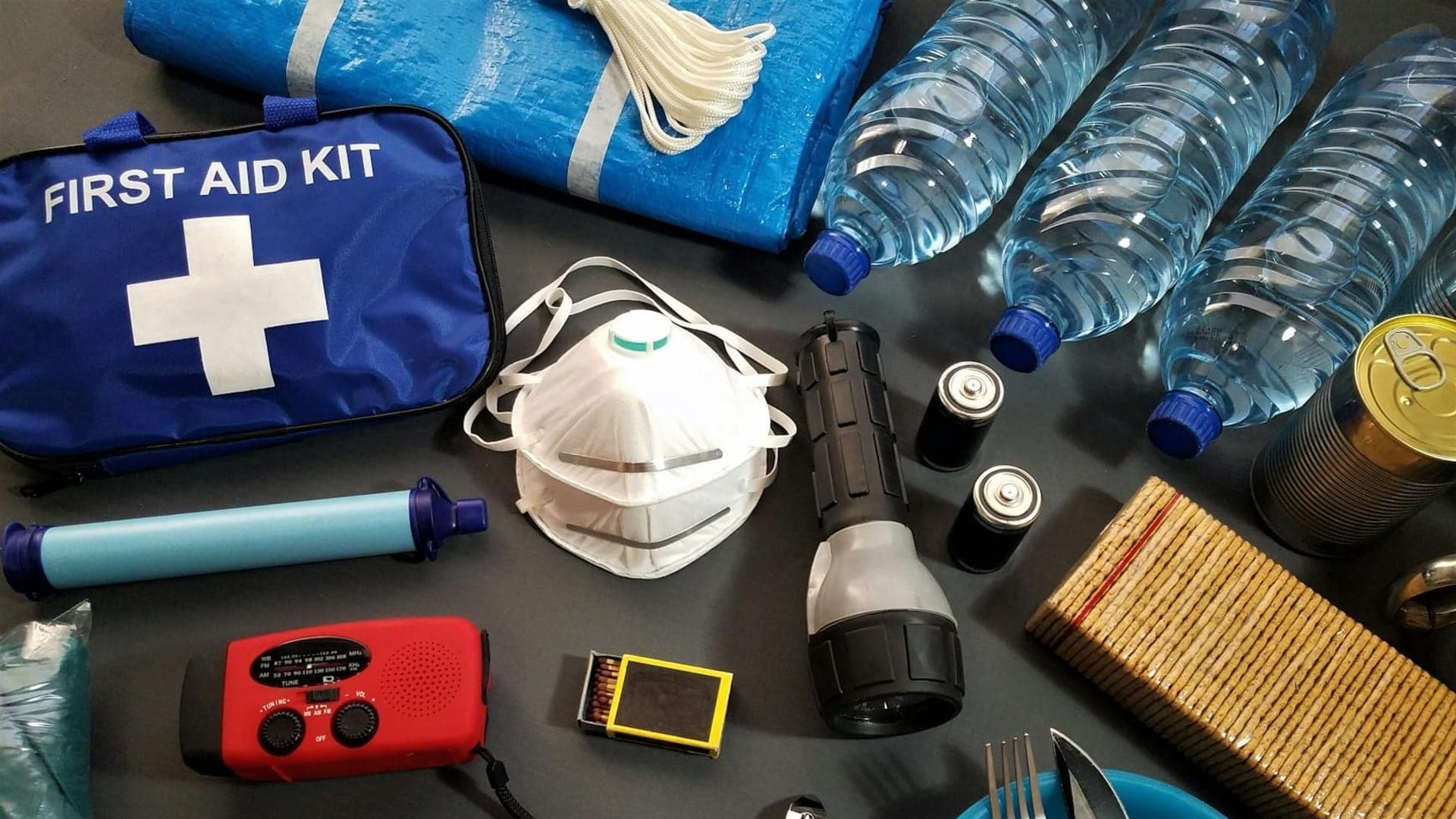
Pre-made first aid kits sold in camping gear stores are usually designed for office or vehicle use. When heading into nature, you need to customize these kits according to your own needs and the conditions of the region you're visiting. For example, if you're doing a damp forest camp in Kazdağları, you should focus on tick and bug repellents, whereas if you're on a rock-climbing focused trip in the Aladağlar mountains of Niğde, you should prioritize bandages, splints, and sprain sprays.
Must-haves for your kit:
Minor accidents from misusing a camp knife or chopping wood are the most common injuries. When faced with an open wound, your first job is to stop the bleeding. Apply direct and firm pressure over the wound with a clean gauze pad. Once the bleeding stops, wash the wound with clean drinking water (never with stream or lake water). Prevent infection by applying antiseptic solution around the wound, not inside it, and cover it with a sterile dressing.
Ankle sprains are frequent when hiking on rough terrain. The RICE (Rest, Ice, Compression, Elevation) rule applies here. Rest the injured area. Since finding ice in the wilderness will be difficult, you can use cold stream water in a waterproof bag as a compress (Ice). Wrap the area with an elastic bandage to prevent swelling (Compression) and rest while keeping the foot elevated above heart level (Elevation).
Grabbing a hot pot handle or getting too close to the fire can cause serious burns. The only rule in burn treatment is to cool the burned area quickly. Hold the burn under cool (not ice-cold) running water for at least 15-20 minutes. The water stops the heat from penetrating the deeper layers of the skin. Then, apply burn cream and lightly cover it with a sterile, non-stick dressing. If blisters form, absolutely do not pop them.
During the summer months, 40% of emergency calls from campgrounds along the Aegean and Mediterranean coasts are due to sunstroke and dehydration. Excessive sweating, dizziness, nausea, and cold/pale skin are signs of dehydration. Move the patient to the shade immediately, loosen their clothing, and have them sip water. If available, water mixed with electrolyte powder ensures a much faster recovery.
First aid methods learned from TV shows or hearsay can drag the patient into a worse scenario rather than fixing the situation in the wilderness.
The final step of wilderness first aid is always a safe evacuation. Once the person you treated is stable, you must plan how to get them to medical teams. In situations with no cell service, climbing to a high hill, using an emergency whistle (international distress signal: 3 short, 3 long, 3 short whistle blasts in a row), or reflecting sunlight with a mirror can save lives. If you are camping alone, always inform a relative of your route and return date in advance.
Sterile gauze pads, band-aids, antiseptic solution, elastic bandage, tweezers, thermal blanket, personal medications, painkillers, and antihistamine pills are absolute must-haves. Needs should be expanded based on the season and route.
Without pouring any chemicals (cologne, oil) on it, you should grab the tick as close to the skin as possible using a special tick removal card or fine-tipped tweezers and pull it straight up. After removing it, disinfect the area and visit a healthcare facility as soon as possible.
You must stop the subcutaneous heating by holding the burned area under cool running water for at least 15-20 minutes. You should absolutely not apply ice, toothpaste, or yogurt, and cover it with a clean cloth.
If you feel severe pain when putting weight on it and the area swells rapidly, you should not continue camping. You need to stabilize it with an elastic bandage (RICE rule), head back on your return route as soon as possible, and rest the foot.
If redness and itching start after a bee sting or plant contact, use the antihistamine medication from your first aid kit. If shortness of breath, or swelling in the face and throat (Anaphylaxis) occurs, initiate an immediate evacuation and call for emergency medical help.
The healing power of nature is indisputable, but it is also a fact that it can be ruthless when you don't respect its rules. The most expensive tent or the lightest sleeping bag in your backpack cannot replace the right knowledge during a life-threatening crisis. The steps in this guide provide a solid foundation for beginner campers. However, knowledge that isn't put into practice fades over time. For your own safety and the health of your loved ones, consider taking a certified first aid course as soon as possible. Remember; when something happens to you in the woods, the best doctor is your camping buddy who can stay calm and knows what to do. Wishing you safe and healthy camps!
Related guides and stories from the outdoor world
Essential fire building and extinguishing rules you need to know to protect yourself and nature while camping.

A fundamental first aid and emergency response guide for beginner campers facing wilderness emergencies.
Lifesaving first aid techniques to help you camp safely on the challenging trails of Southeastern Anatolia.

The most fundamental and vital first aid steps for beginner campers to handle potential accidents in the wild.