
28 Nis 2026
Wilderness Fire Safety: A Beginner's Guide
Essential fire building and extinguishing rules you need to know to protect yourself and nature while camping.
7 min read
11 views
Kampçı Editör Ekibi
Outdoor Writer @ Kampçı

Most beginner campers allocate the majority of their budget to tents, sleeping bags, and camp kitchen gear, often overlooking the health risks they might face in the wild. However, miles away from the city center in a forest with weak cell reception, your most valuable equipment is knowing what to do in an emergency. A comprehensive wilderness first aid guide doesn't just help you bandage wounds; it also empowers you to make the right decisions during a crisis.
In an urban accident, the time it takes for an ambulance to reach the scene is usually measured in minutes. But when camping deep in the Kaz Mountains or the Kaçkars, this can take hours. In rural areas, the response time for emergency teams is on average 45 to 90 minutes longer compared to city centers. This delay changes the very purpose of wilderness first aid. While the goal in the city is to quickly hand the patient over to medical professionals, the goal in the wild is to preserve vital functions until professional help arrives or the patient can be evacuated.
A vast majority of cases encountered at campsites are preventable or can be resolved with simple interventions. Minor cuts, campfire burns, and sprains on rough terrain make up 65% of emergencies at campsites in Turkey. Therefore, your response strategy should focus on using your limited supplies as efficiently as possible.
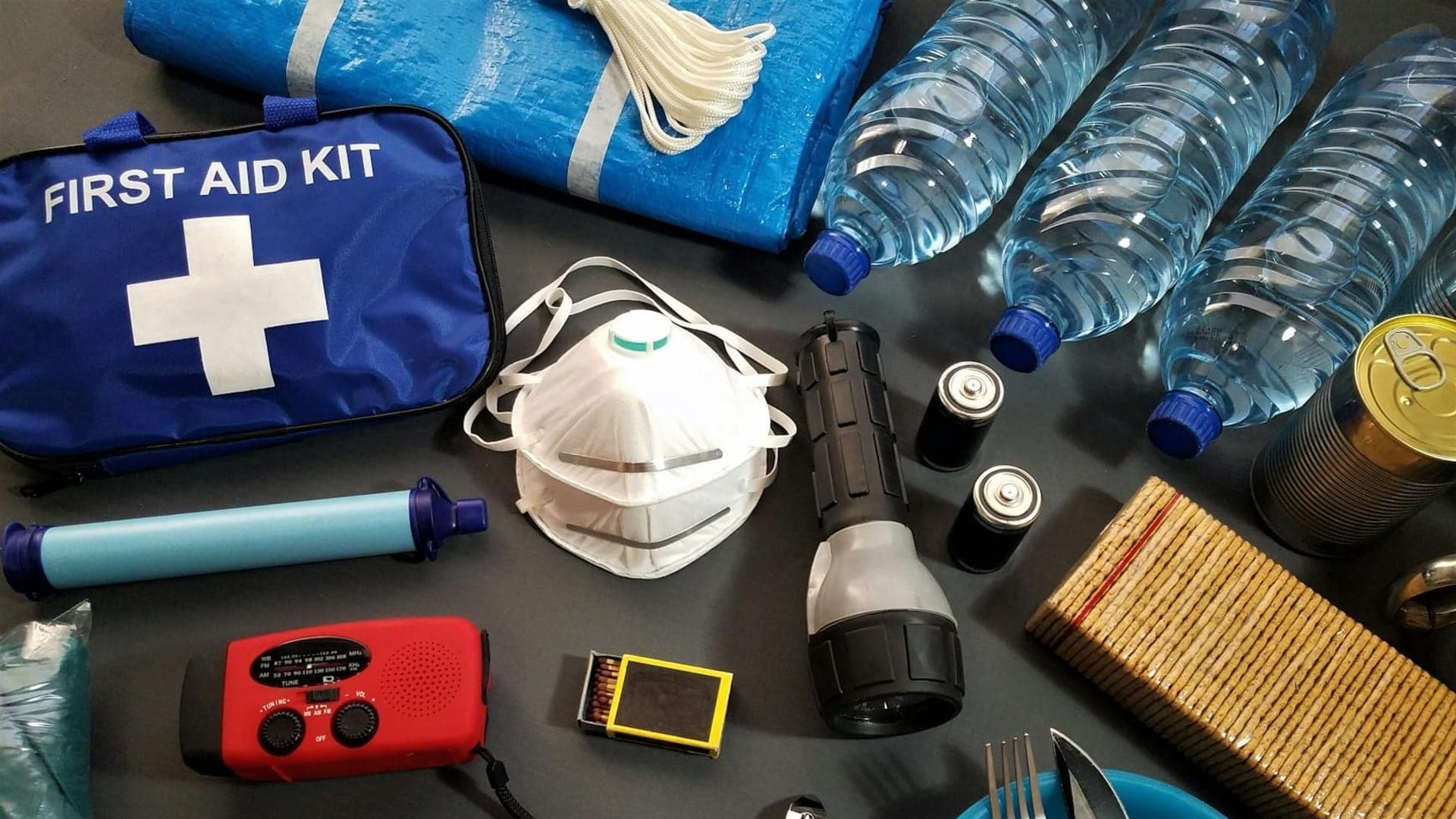
Standard pre-packaged first aid kits are generally designed for office or vehicle use. When heading into the wild, you need to modify these kits. The contents of your bag should be tailored to the geography and season of your camping destination.
A slipping axe while chopping wood or cuts from using a pocket knife are common occurrences at camp. In the event of bleeding, the first step is always to apply direct pressure. Press firmly on the wound with a clean gauze pad or piece of cloth. If blood soaks through, do not remove the pad; simply add a new one on top and continue applying pressure. Elevating the injured area (such as an arm or leg) above heart level will help slow the bleeding.
Carelessness around the campfire or a knocked-over hot camping kettle can lead to burns. Immediately run clean, cool water over the burned area. This should last for at least 15-20 minutes. If there is clothing over the burn and it isn't stuck to the skin, gently remove it; if it is stuck, absolutely do not pull it off—cut around it instead.
Not using a headlamp when going to the bathroom at night can cause you to trip over tent guy lines or tree roots and fall. For sprains, apply the RICE method: Rest, Ice (a cold water bottle wrapped in a cloth works), Compression (wrapping snugly but not too tight with an elastic bandage), and Elevation (raising the injured area).
Misinformation about wilderness first aid learned from movies can make the situation much worse for patients.
Different regions of Turkey harbor different environmental risks. When camping in the Central Anatolia and Black Sea regions during the spring, you must be cautious of ticks carrying Crimean-Congo Hemorrhagic Fever (CCHF). Tucking your pant legs into your socks and wearing light-colored clothing makes it easier to spot ticks. On the Mediterranean and Aegean coasts, especially during the summer, heatstroke (hyperthermia) and dehydration are your biggest enemies. Drinking water frequently and avoiding direct sunlight during midday hours will protect you without the need for first aid intervention.
Immediately immobilize and calm the bitten person. Keep the bitten area at heart level, and absolutely do not cut, suck, or apply a tourniquet. Call the 112 Emergency Call Center without delay to request professional help.
You can carry your own prescription medications, basic painkillers, fever reducers, and allergy pills. However, according to first aid rules, if you are not a medical professional, giving medication to someone else is legally and medically risky.
Do not pour alcohol, cologne, or oil on the tick; this causes the tick to regurgitate and release toxins into the bloodstream. Using fine-tipped tweezers or a tick removal card, grasp the tick at the lowest point where it attaches to the skin, and pull it out slowly at a straight angle without crushing it.
Even if your phone's carrier has no service, 112 calls can be routed through other carriers' cell towers. If there is absolutely no signal, you should climb to a high hill or open area to search for a signal, or ask for help from the surroundings using a camp whistle (3 short, 3 long, 3 short - SOS) or a mirror.
First, disinfect your hands. Clean the wound of dirt and dust by washing it with sterile saline solution or, if unavailable, clean drinking water. Do not use cotton (it sticks to the wound); cover it with a sterile gauze pad and bandage it.
Spending time in nature is an experience that renews and liberates the human spirit. However, this freedom only becomes safe when combined with the awareness of taking personal responsibility. The fundamental knowledge you've learned in this wilderness first aid guide is the lightest yet most vital gear you can carry in your camping backpack. Being prepared reduces fear and increases the joy you get from nature. Make it a habit to check your first aid kit before heading out to camp, and enjoy the great outdoors safely.
Related guides and stories from the outdoor world
Essential fire building and extinguishing rules you need to know to protect yourself and nature while camping.

The most fundamental and vital first aid steps for beginner campers to handle potential accidents in the wild.
Lifesaving first aid techniques to help you camp safely on the challenging trails of Southeastern Anatolia.

The golden rules of first aid and safely managing potential crises in the wild for beginner campers.