
1 May 2026
Family Camping Gear List: A Beginner's Guide
All the essential camping gear you need for a safe and comfortable outdoor experience with your children.
7 min read
11 views
Kampçı Editör Ekibi
Outdoor Writer @ Kampçı

Getting out into nature with your kids is one of the most effective ways to teach them problem-solving, respect for the environment, and how to spend time away from technology. However, if not planned properly, the first tent experience can turn into a stressful ordeal for parents. In 2023, the rate of families with children camping in Turkey increased by 45% compared to the previous year. The main reason for this surge is the growing number of well-equipped and safe camping facilities. When your target audience is children, you should opt for areas with strong infrastructure rather than isolated camping in the middle of the wilderness. Carefully selected family-friendly campsites guarantee both your comfort and that of your children.
For a family camping for the first time, choosing the location is an even more critical step than choosing the equipment. Compared to free camping areas in the forest, private camping facilities are much more effective for beginner families with their 24-hour security and hot water, as they offer the chance for rapid intervention in a potential crisis (sudden weather changes, minor injuries). The key features you should look for in a family-friendly campsite are:
Thanks to its diverse geographical features, Turkey offers a wide range of options for family camping. Here are some regions with well-established infrastructure that you can consider for your 2025 season plans:
Due to the high oxygen levels and cool nights even in the summer, the facilities at the foothills of Mount Ida are highly suitable for families. Private campsites in the Zeytinli, Akçay, and Küçükkuyu regions are usually located by the river and feature shallow waters where children can play safely. Moreover, the vast majority of businesses in this region operate with a family concept and do not allow loud music.
Due to their proximity to major cities like Istanbul or Bursa, they are ideal for those who want to make their first camping attempt without straying too far from home. While Bolu Yedigöller can be challenging in terms of infrastructure, the glamping and tent facilities around the İğneada Floodplain Forests offer an experience that is both safe and intertwined with nature for beginners.
The Mediterranean coast is appealing for families who want to combine the concepts of sea and camping. However, in the middle of summer, the temperatures inside the tent can be overwhelming for young children. Opting for these regions in the spring or autumn months is a more sensible strategy. Facilities in the area generally offer markets, restaurants, and electricity as standard amenities.
Once you've chosen the campsite, managing the time you spend there is the parents' responsibility. Here are the steps to make the process easier:
Beginner parents often make some strategic mistakes, usually out of anxiety. Knowing these mistakes beforehand will change the course of the camp.
Even in August, night temperatures drop significantly in forested areas or places at high altitudes. Using properly insulated sleeping pads and sleeping bags preserves body heat 40% more effectively during night sleep. Instead of just bringing blankets, use sleeping bags suitable for the children's height with a comfort rating of at least 10-15 degrees Celsius.
Trying to replicate the comfort of home exactly in nature will cause you to stuff everywhere, from the trunk of the car to the inside of the tent. Children don't need their plastic toys from home when they are in nature. Rocks, leaves, and dirt are the best playgrounds. Just bring along one or two favorite sleep toys.
Having your first camping experience at a location 5-6 hours away from your home is a huge risk. When the stress of pitching a tent is added to travel fatigue, tension rises. The solution is to choose a facility a maximum of 1.5 - 2 hours away from home. This way, you'll have the peace of mind of knowing you can return home the same day if things go wrong.
There is no such thing as absolute safety in nature, but there is risk management. When going camping with children, you must have a comprehensive first aid kit with you. This kit should include soothing creams for bug and mosquito bites, antipyretic syrups, band-aids, antiseptic solution, tweezers (for ticks or splinters), and allergy medications.
The first thing you should do upon arriving at the campsite is to take a 'boundary walk' with the kids. Designate specific trees or paths around the tent as boundaries and clearly explain to the children that they should not go beyond these limits. Additionally, if a campfire is going to be lit, draw a safe distance line around the fire ring.
For beginner families, two-room, high-ceiling tunnel or cabin-style tents are the most ideal. Tents that allow you to stand up inside and offer ample vestibule space for gear ensure that children can comfortably spend time indoors during rainy weather.
Yes, you can go camping with a baby if the necessary precautions are taken. However, experts and experienced campers recommend opting for private facilities after the 6th month, when the baby's vaccination schedule has reached a certain stage, and during seasons when the day-night temperature difference is minimal.
Instead of free camping in the forest, beginner families should choose private campsites that have cleaning staff and provide a regular water supply. Additionally, portable toilets that can be used in the tent for nighttime emergencies are a practical solution.
Sleeping bags with synthetic fill, that are easy to wash, and have a comfort rating appropriate for the season should be chosen for children. Adult sleeping bags are too spacious to retain a child's body heat; the empty spaces left at the foot area will cause them to get cold.
Camp menus should consist of foods that are as simple as possible, cooked in a single pot, and nutritious. Pasta, sandwiches, oatmeal, and vegetables pre-chopped at home will make your job easier. Drinking plenty of fluids is extra important in nature.
Finding family-friendly campsites is the first step in the most lasting nature-love education you can give your children. By choosing the right facility, taking basic safety precautions, and keeping your expectations flexible, you can turn the time you spend with your family into a stress-free, educational experience. Not everything has to be perfect on your first camp; what matters is enjoying being in nature together. Now, review your checklist, identify the nearest well-equipped campsite, and set off on a new adventure with your family.
Related guides and stories from the outdoor world
All the essential camping gear you need for a safe and comfortable outdoor experience with your children.

The ultimate beginner's guide to enjoying nature with your children without compromising on safety and comfort.

A practical preparation guide to make camping with kids safe and stress-free.
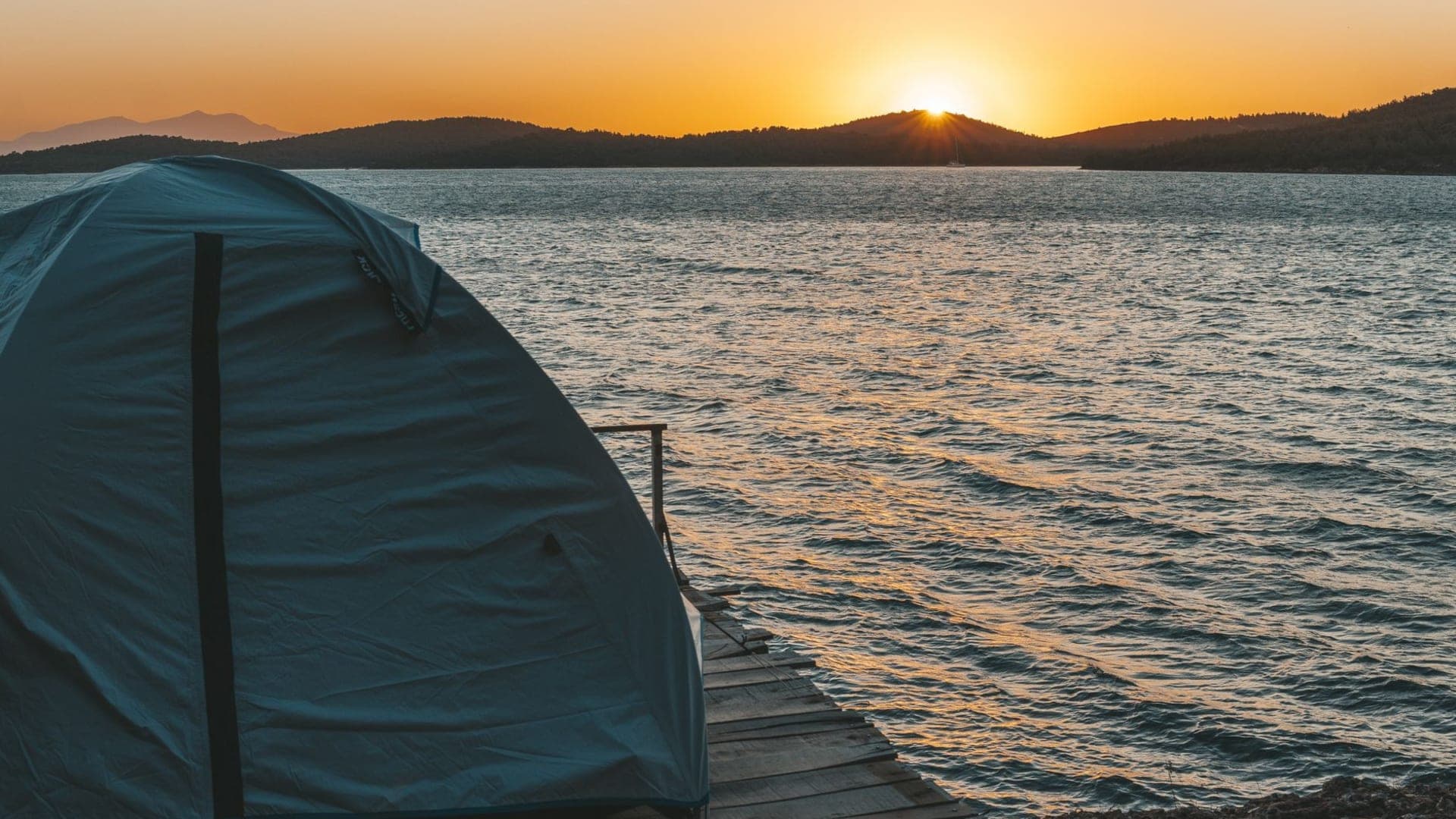
Facility selection, route recommendations, and life-saving practical tips for families embarking on their first camping trip with children in the Aegean Region.