
23 Nis 2026
Family-Friendly Camping Spots: Your First Nature Adventure
The ultimate beginner's guide to enjoying nature with your children without compromising on safety and comfort.
6 min read
7 views
Kampçı Editör Ekibi
Outdoor Writer @ Kampçı

Spending time in nature with your children is an effective way to escape the stress of daily life. However, unlike camping solo or with adult friends, tolerance levels drop when your family is involved. A child who is cold, wet, or sleep-deprived can cause the entire camping experience to end prematurely. Preparing a comprehensive family camping gear list ensures you are ready for any surprises nature might throw your way.
While solo camping prioritizes being ultralight and packable, the main priorities in family camping are durability, spaciousness, and comfort. Children need to be able to stand up, change clothes, and have a living space inside the tent to spend time during rainy weather. 70% of organized campsites in Turkey offer plots suitable for wide-base ground tents rather than rooftop tents. Therefore, you should make your initial investment in tunnel or high-dome tents that can fit in your car's trunk but offer a large living space when pitched.
Your tent is your home in nature. The "N+2 rule" applies to family camping. This means if you are a family of 4, you should opt for a 6-person tent so that your gear and children have plenty of room to move around. The tent's waterproof rating (Hydrostatic Head) should be at least 2000 mm so you don't face issues during the spring rains of the Black Sea or Marmara regions. A footprint to lay under the tent to protect the floor and increase insulation must definitely be added to your list. Additionally, setting up a tarp in front of the tent for protection against the sun or light rain creates a very useful extra living space for families.
A good night's sleep is the most critical part of camping. Many beginner families look for the comfort of home and buy giant air mattresses. However, because the air inside cools down overnight, air mattresses transfer the cold from the ground directly to your body. Self-inflating insulated camp mats are much more effective than classic air mattresses because their foam filling provides thermal insulation. Using a camp mat with proper insulation (an R-value of 3 or higher) blocks 85% of the cold coming from the ground, preventing children from waking up during the night.
When choosing a sleeping bag, base your decision on the lowest night temperature of the region you'll be camping in (look at the Comfort rating, not the Extreme rating). Instead of buying adult-sized bags for children, opt for kids' sleeping bags suited to their height. Any excess empty space inside the bag cannot be warmed by body heat, which will cause the child to get cold.
When camping with children, there is a constant need for snacks and hot meals. Your camp kitchen list must include the following:
Buying the gear is only part of the job; organizing it correctly determines the quality of your camp.
You can save your budget and time by avoiding the most common mistakes beginners make.
Safety is always the top priority. In addition to standard supplies, your family camping first aid kit must include age-appropriate fever-reducing syrups, soothing gels for bug/tick bites, allergy medications, sunscreen, and tweezers. Also, when you arrive at the campsite, set boundaries with your children (like "We don't go past that big oak tree and the creek") and put a small emergency whistle necklace on each child or in their pocket. In case they get lost, the sound of a whistle travels much further than a human voice.
You can find the right tent capacity by adding 2 to the number of people in your family. For example, a family of 4 should opt for a 6-person tunnel or dome-style tent so that gear fits and children can move around comfortably.
A portable travel crib where the baby can sleep safely, and season-appropriate, sleeveless sleep sacks that maintain the baby's body heat against nighttime temperature drops are the most critical pieces of gear.
For weekend (2-day) camps, a well-insulated passive cooler and ice packs are sufficient. However, if you are camping for more than 3 days, you should opt for 12V compressor car fridges powered by the vehicle's cigarette lighter or a portable power station.
You should choose a sleeping bag sized appropriately for the child's height. If an adult sleeping bag is used, the large empty space at the foot section cannot be warmed by body heat, causing the child to freeze throughout the night.
In addition to standard bandages and antiseptics, you must include pediatric fever reducers, a digital thermometer, soothing creams for bug and mosquito bites, band-aids (colorful ones boost kids' morale), and fine-tipped tick tweezers.
A properly prepared family camping gear list directly determines the quality of the time you will spend in nature. Starting to camp with your family might seem like a daunting and costly process at first. However, once you set up the right shelter, properly insulated sleep systems, and a practical kitchen layout, you will clearly see the calming and developmental effects nature has on children. Don't hesitate to build up your gear gradually as you experience your needs. Pack your trunk, set your route, and confidently take that first step to make your children love the great outdoors.
Related guides and stories from the outdoor world
The ultimate beginner's guide to enjoying nature with your children without compromising on safety and comfort.

Everything you need to know about choosing the perfect campsite for a safe, comfortable, and stress-free outdoor experience with your kids.

A practical preparation guide to make camping with kids safe and stress-free.
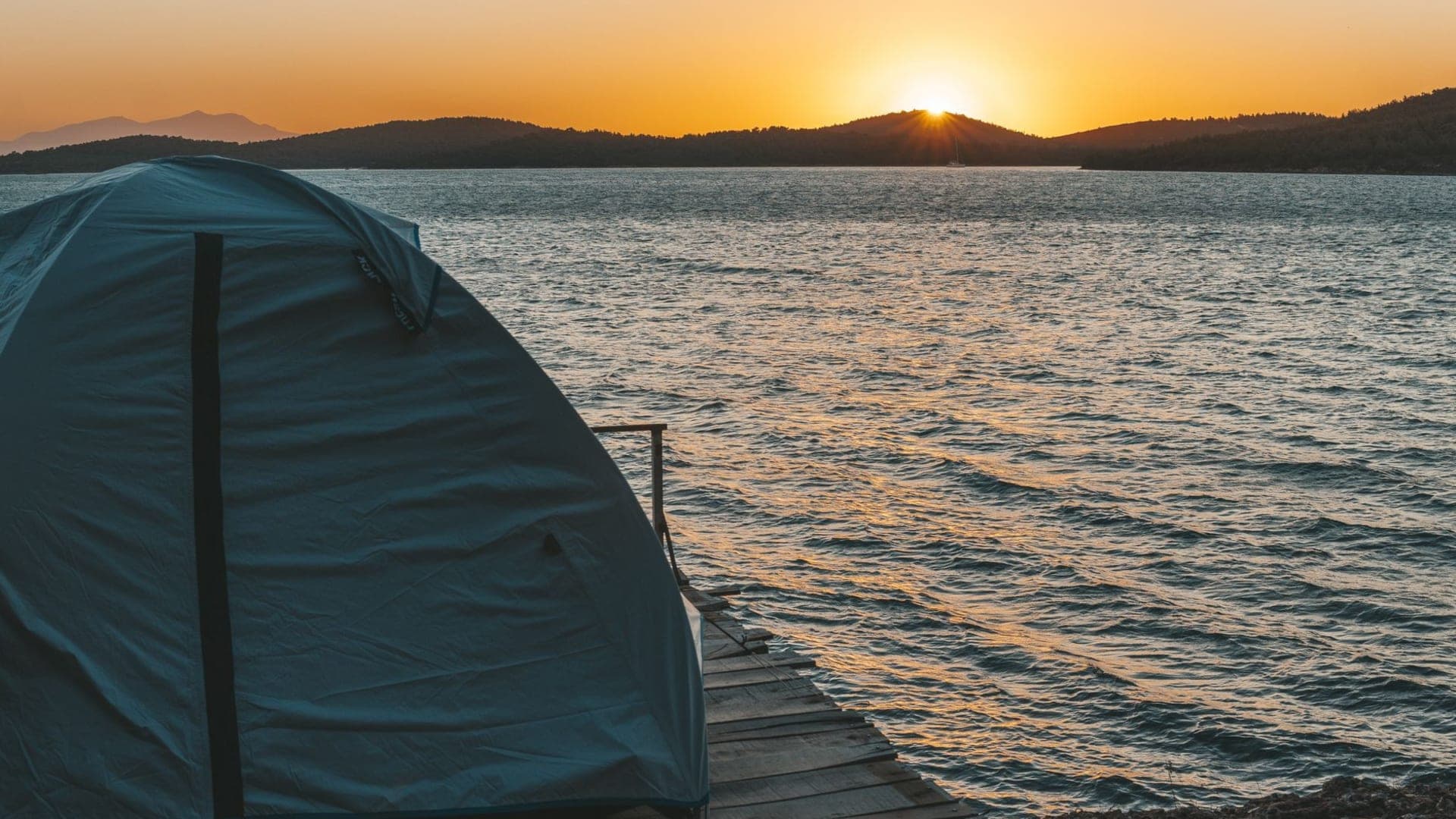
Facility selection, route recommendations, and life-saving practical tips for families embarking on their first camping trip with children in the Aegean Region.