
28 Nis 2026
Wilderness Fire Safety: A Beginner's Guide
Essential fire building and extinguishing rules you need to know to protect yourself and nature while camping.
7 min read
11 views
Kampçı Editör Ekibi
Outdoor Writer @ Kampçı

Imagine waking up one morning at the foothills of Mount Ida (Kazdağları), surrounded by century-old pine trees. The scent of fresh earth and resin filling your nose, the soft sizzle of tea gently brewing on the camp stove, the first rays of sunlight hitting the tent fabric, and the cool morning breeze brushing against your face... Everything seems as perfect as a scene straight out of a nature documentary. However, the wilderness is known just as much for its unpredictable surprises as it is for its breathtaking beauty. A sprained ankle from slipping on damp moss during a forest hike, a sharp branch grazing your hand while chopping wood, or a sudden storm can turn that peaceful moment into a crisis scenario in seconds. This is exactly why anyone new to camping must have a basic understanding of wilderness emergency response. When you are miles away from your urban comfort zone, civilization, and most importantly, immediately accessible healthcare, you are the sole architect of your own safety and the well-being of your loved ones.
When you have an accident in the city, it usually takes minutes for an ambulance or professional help to reach you. There are dozens of people around to lend a hand, well-lit streets, and an uninterrupted cell phone signal. But in a deep valley with no reception, on a steep forest trail, or in a secluded cove, the best first aid expert is you. Wilderness emergency response doesn't just mean bandaging wounds or splinting fractures; it also means maintaining your composure during a crisis, coming up with creative solutions using limited resources, and ensuring survival until professional help arrives without making the situation worse. If you are taking your first steps into camping, you should make being prepared for nature's unexpected side just as much of a priority as learning to pitch a tent or build a fire. This preparation shouldn't scare you; on the contrary, it should make you feel much more free, safe, and at peace in the great outdoors.
When faced with an emergency, your body releases a high amount of adrenaline as a natural defense mechanism. Your heart rate spikes, your breathing quickens, and you enter a state of tunnel vision, focusing solely on the problem while overlooking environmental factors. The first and most crucial intervention at this stage is to get your mind under control.
In that very first second you realize a friend is injured or you are lost, stop. Stop moving physically and take a deep breath. Apply the STOP rule (Stop, Think, Observe, Plan) frequently mentioned in wilderness survival books. Panic prevents you from making rational decisions and often invites secondary accidents. Ask yourself, 'Am I safe right now?' and secure your own safety first. Remember, if the rescuer gets injured, you end up with two victims.
Once you've overcome the panic, carefully examine your surroundings. Is the hazard that caused the injury still present? For example, could more rocks fall from the slope where a rock just hit your friend? If the danger persists, quickly move the victim to a safe area (provided there is no suspected neck/spinal injury). If there is no immediate danger, assess the victim's condition without moving them. Are they conscious? Are they breathing? Is there severe bleeding? These fundamental questions will determine the direction of your response.
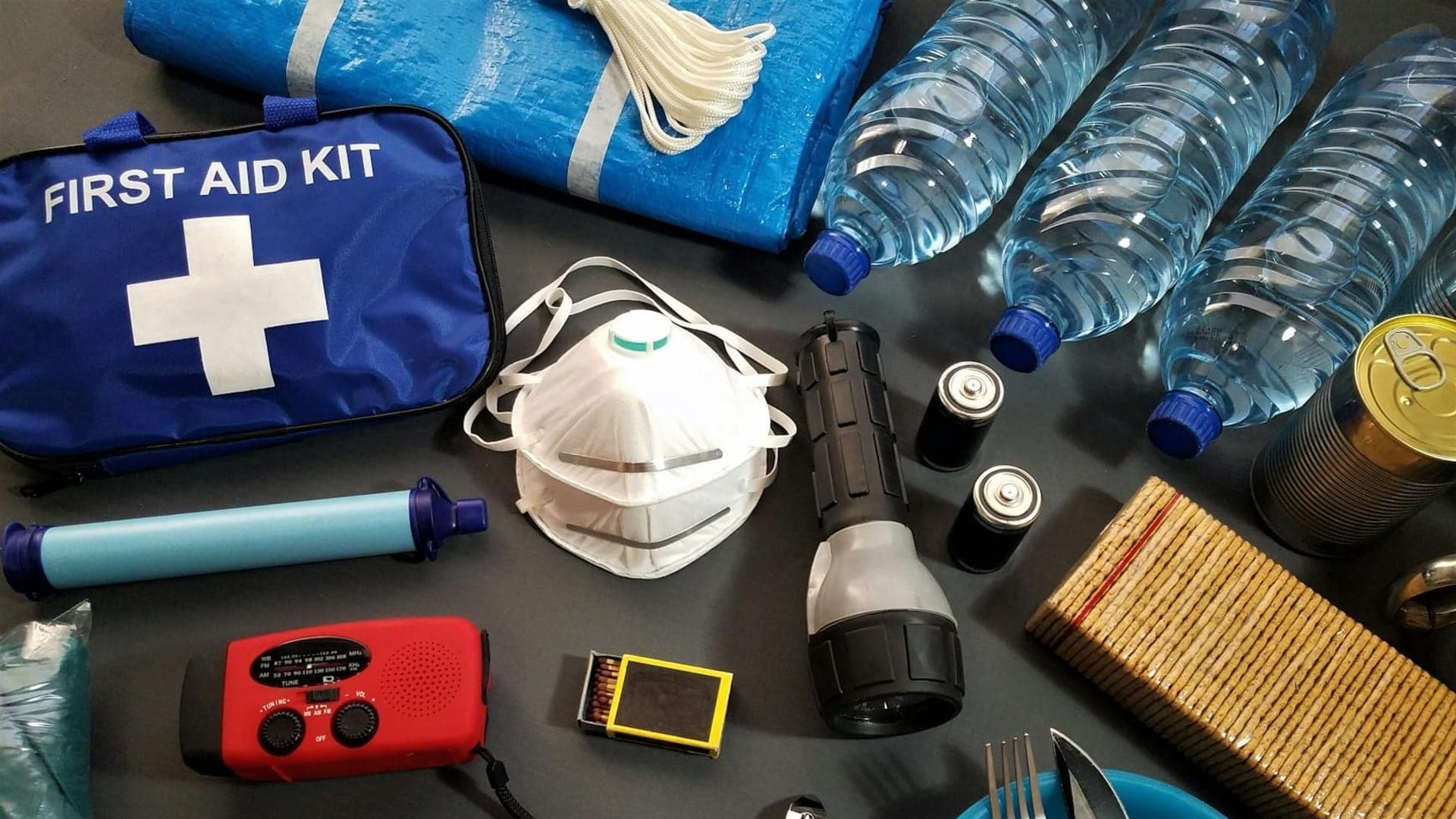
The biggest mistake you can make as a beginner camper is leaving your first aid kit at home with the mindset of 'nothing will happen to me,' or hitting the trail with an ordinary, inadequate kit. The first aid supplies you'll need in the wild differ from those in the city. Here are the essential items that must be in your camping backpack:
The vast majority of accidents encountered at campsites are minor injuries caused by carelessness or fatigue. However, if not treated properly, these small injuries can turn into serious infections under natural conditions.
For cuts sustained while using a camp knife or pushing through bushes, the first rule is to stop the bleeding. Apply direct and firm pressure to the wound with a clean cloth or sterile gauze. Once the bleeding stops, wash the wound with clean water (drinking water if possible). Never use stream or lake water, as the bacteria in it can cause infection. After cleaning the wound with an antiseptic, cover it with a sterile bandage or dressing. If the bleeding doesn't stop despite pressure and is spurting, you may need to apply a tourniquet above the wound (closer to the heart) and call for medical help immediately.
Ankle sprains are one of the most common scenarios when hiking on rugged terrain. If a sprain occurs, do not force the victim to walk. Rest the affected area. If you have the means to apply a cold compress (like a cloth soaked in cold stream water), apply it to the area. Stabilize the joint by wrapping it with an elastic bandage—not too tightly—and elevate the foot above heart level to prevent swelling. If there is a visible deformity in the bone, unbearable pain, or an open fracture, immobilize the area exactly as it is using straight branches and pieces of cloth (creating a splint), and never try to set the bone back into place.
The mesmerizing crackle of a campfire can sometimes lead to burns due to carelessness. A stray ember popping from the fire or a knocked-over pot of boiling tea water... The first thing to do in case of a burn is to hold the burned area under cool (not ice-cold), running water for at least 10-15 minutes. Applying ice causes more damage to the burned tissue. ABSOLUTELY DO NOT apply hearsay remedies like toothpaste, yogurt, or random ointments to the burn. After simply cooling it with water, cover it loosely with a clean, dry cloth. If the burn has blistered, never pop those blisters; they are the body's natural band-aid.
Especially in the spring and summer months, you have a high chance of encountering nature's true owners. For bee or insect stings, if the stinger remains in the skin, scrape it out with a flat object like a credit card rather than using tweezers (tweezers can squeeze the venom sac and inject more venom). Wash the area with soapy water and apply an antihistamine cream. With snake bites, your biggest enemy is panic. Panic accelerates the heart rate, causing the venom to spread through the body faster. Calm the bitten person down and keep them from moving. Keep the bitten area below heart level. NEVER attempt methods you see in movies, such as sucking out and spitting the venom, making cuts, or applying a tight tourniquet. Immobilize the bitten limb and call for medical help as quickly as possible.
The most vital step after a wilderness emergency response is reporting the situation to professional teams. If you are in an area with no cell reception, you must know alternative methods for calling for help. Here are the steps you should follow to call for help:
The best emergency response is ensuring that the emergency never happens in the first place. When choosing your campsite, stay away from beneath dead trees at risk of falling (widowmakers), dried riverbeds that carry a risk of flash floods, and cliff edges. Clear the ground of sharp rocks and insect nests before pitching your tent. When building a fire, surround it with stones and set it up at least 3-4 meters away from your tent, taking the wind direction into account. Additionally, before going camping, always inform a trusted relative or friend exactly where you are going, what route you will take, and when you will return. This simple precaution is the most critical move to ensure search and rescue efforts begin at the right spot in the event you get lost.
Knowing wilderness emergency response techniques shouldn't make your camping experience feel like you're preparing for a horror movie. On the contrary, this knowledge is the lightest yet most valuable piece of equipment in your backpack. Understanding the language of nature, anticipating potential risks, and knowing what to do in a crisis instills you with a unique self-confidence far from civilization. Thanks to this confidence, the tea you sip under the stars will taste much better, and the forest air you draw into your lungs when you wake up in the morning will feel much fresher. Educate yourself, prepare your first aid kit thoroughly, and safely surrender yourself to the arms of that unparalleled peace nature has to offer. Remember, nature always rewards the prepared; now put on your backpack and step confidently into this unique adventure!
Related guides and stories from the outdoor world
Essential fire building and extinguishing rules you need to know to protect yourself and nature while camping.

A fundamental first aid and emergency response guide for beginner campers facing wilderness emergencies.
Lifesaving first aid techniques to help you camp safely on the challenging trails of Southeastern Anatolia.

The most fundamental and vital first aid steps for beginner campers to handle potential accidents in the wild.