
12 Mar 2026
Pedal to the Heart of Nature: A Guide to Cycling While Camping
A comprehensive guide to routes, gear, and safety for campers looking to explore nature on a bike after pitching their tent.
5 min read
11 views
Kampçı Editör Ekibi
Outdoor Writer @ Kampçı
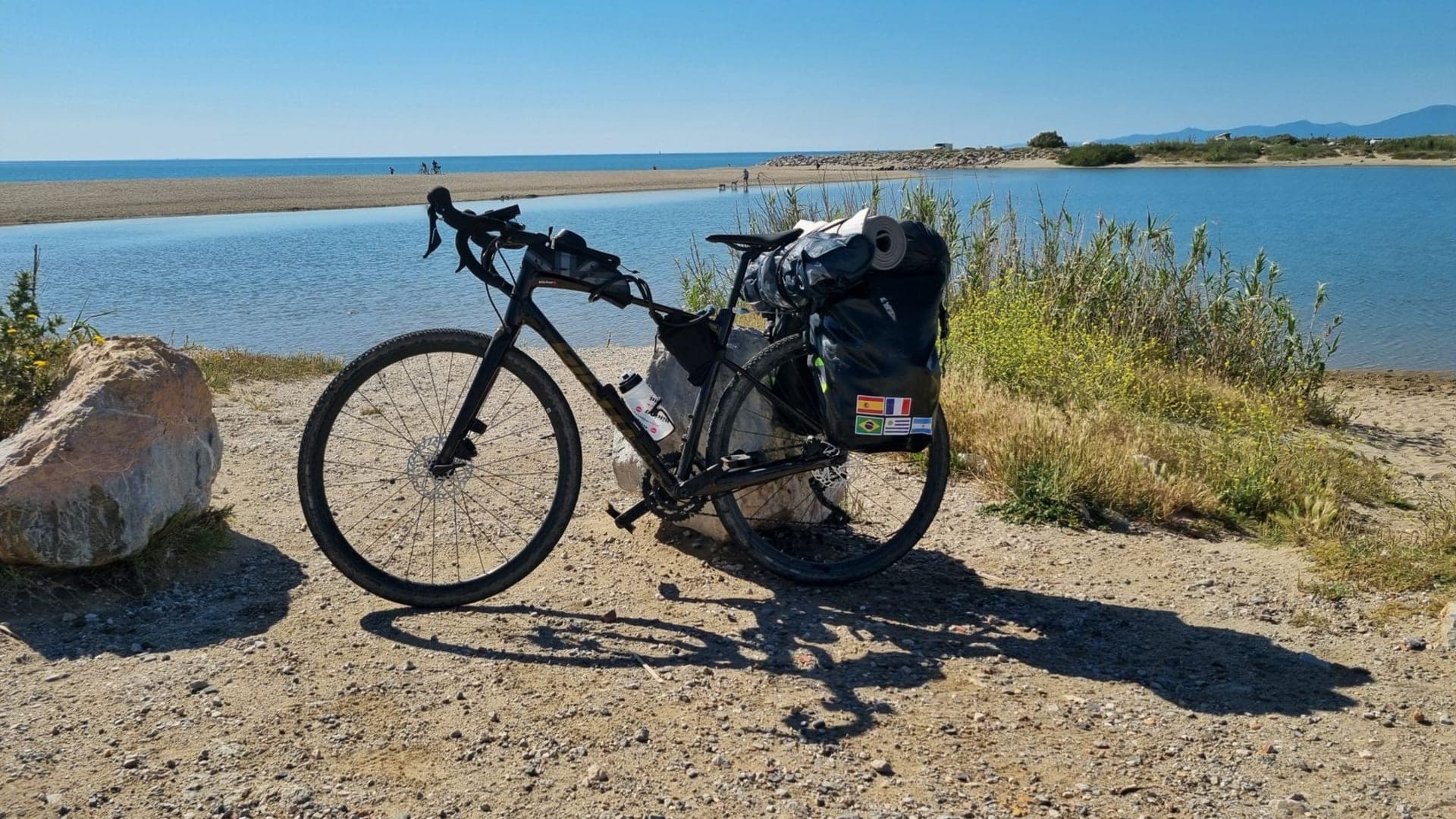
For intermediate riders who are tired of flatlands and short weekend tours and want to steer their routes toward more challenging topographies, the Mediterranean region is a perfect stage of transition and maturation. As one of the first regions that come to mind when mentioning Turkey's best bicycle camping routes, the Mediterranean coastline tests not only your stamina but also your camp planning skills. The routes here feature winding roads that suddenly ascend hundreds of meters from sea level, fierce winds, and deserted coves where water planning is of vital importance.
The primary factor that makes the Mediterranean region unique for bicycle campers is its geographical structure where the sea and mountains intertwine. Compared to the relatively gentler slopes of the Aegean or the long plains of Central Anatolia, the Mediterranean keeps the rider constantly dynamic. 65% of the intermediate cycling routes along the Mediterranean coast involve technical climbs requiring an instant elevation gain of over 500 meters. This situation forces you to learn how to use your gear ratios correctly, cool your brake pads, and conserve your energy before reaching the campsite.
Furthermore, instead of using the main D400 highway, it is safer to opt for old coastal roads and unpaved variants passing through forests because heavy vehicle traffic drops to almost zero on these secondary roads, and the incline is more gradual. These roads provide the ideal terrain conditions for you to experience a true "bikepacking" adventure with the camping gear loaded on your bike.
This route is perfect for those who want to escape the noise of the main road and dive into history and nature. On this approximately 45-kilometer stage, instead of heading directly to Demre from Kaş, you turn south towards Üçağız and Çevreli. The terrain is occasionally old asphalt and hard-packed dirt. The elevation gain reaches up to 800 meters. For camping, you can choose the relatively wind-sheltered olive groves overlooking the waters of Kekova or directly the Korsan Bay (Pirate Bay) area. The most important thing to note on this route is the lack of water sources during the climbs after Üçağız; water bottles must absolutely be filled to the brim in the village center.
Although it seems like a short distance of 35-40 kilometers in total, it demands a full day's effort from intermediate riders due to its steep ramps. The dirt forest road used to cross from Adrasan to Karaöz offers a cool ride under the shade of pine trees, but you must be careful against tire punctures. You can pitch your tent on the Karaöz beach or the flatlands at the beginning of the trail leading to the Gelidonya Lighthouse. Since the ground is rocky, you must definitely lay a thick footprint under your inflatable sleeping pad.
Relatively less known compared to the Antalya side, the Mersin coastline is a hidden paradise for bicycle tourers. Starting from Silifke and heading west, this 55-kilometer route features winding curves descending from the foothills of the Taurus Mountains. Boğsak Bay is both a safe and a beachfront location to pitch a tent. In this region, the wind usually blows fiercely from the sea to the land in the afternoons, so completing the ride in the early morning hours and arriving at the campsite during the midday heat is a critical strategy.
On the Mediterranean's highly winding and sloped roads, your bike's weight balance is much more important than on flat roads. If you are using a traditional four-pannier system (front and rear), distributing 60% of the weight to the front and 40% to the rear prevents the front wheel from lifting while climbing hills. However, bikepacking bags, which have become popular in recent years, are more advantageous in this region as they reduce the risk of getting caught on bushes on narrow forest roads. Positioning the center of gravity 5 cm below the rear wheel axle in a bikepacking setup increases downhill cornering stability by 30%. Always place dense items like camping stoves, tent poles, and water filters in the frame bag; distribute lightweight, bulky items like sleeping bags and clothes into handlebar or saddlebags.
Many campers tend to maintain their old habits when transitioning from beginner to intermediate level. In an unforgiving geography like the Mediterranean, these mistakes can turn the tour into torture. The first major mistake is riding in cotton clothes. Cotton absorbs sweat but doesn't dry; a t-shirt that stays wet in the humid Mediterranean air increases the risk of hypothermia in the evening chill. Merino wool or high-quality synthetic fabrics should definitely be preferred.
The second mistake is underestimating the tunnels of the D400 highway. Especially the tunnels within the borders of Kaş-Kalkan or Mersin are narrow and dark. Even during the daytime, not having a flashing rear taillight of at least 400 lumens on your bike and not wearing a reflective vest is a fatal mistake.
The third common mistake is pitching the tent without checking the ground. Unlike the soft grass of the Aegean, the ground in Mediterranean coves is usually covered with sharp limestone or thorny maquis vegetation. The floor of tents pitched without sweeping the area and using a footprint can get punctured on the very first night.
Being aware of wildlife is essential when camping in the region. The wild boar population is quite high in Mediterranean forests and isolated coves. Do not leave your food out in the open inside the tent or on the bike at the campsite. The safest method is to put all food and smelly garbage in ziplock bags and hang them on a tree branch at least 50 meters away from the tent. Also, against region-specific creatures like scorpions and camel spiders, always turn your shoes and helmet upside down and shake them out before putting them on in the mornings.
1. The Shaded Area Deception: Most of the areas that look like massive forests on the map are actually short maquis vegetation. Majestic trees where you can take shelter and rest at noon don't appear every kilometer. Therefore, carrying a lightweight tarp to create your own shade is a lifesaver.
2. The Variability of Water Sources: Village fountains marked on GPS apps or maps might be completely dried up in July and August. When relying on a water point, you should always have a plan B (at least 1.5 liters of backup water).
3. The Elevation Illusion: Cycling by the sea doesn't always mean riding in a straight line. Transitions between coves can take you from sea level, suddenly make you climb 300-400 meters, and drop you back to zero. This profile, called a "sawtooth," increases the load on knee joints; therefore, you should always keep your cadence (pedal revolution) high.
April, May, and October are the most ideal periods. During the summer months, riding becomes dangerous as the asphalt temperature exceeds 50 degrees Celsius, and in-tent comfort drops significantly.
Since the elevation gain is high, between 45-60 kilometers a day is ideal. A 100-kilometer effort on a flat road is equivalent to 50 kilometers in this region, which features continuous climbs and descents.
Since the ground is generally hard, it will be difficult to drive in standard aluminum pegs. Freestanding dome-type tents, where you can use surrounding heavy stones to secure the tent, should be preferred.
Village fountains, mosques, and gas stations are the main water sources. However, since the distance between stations can be long, a water carrying capacity of at least 3 liters (bottles + drybag) should always be kept on the bike.
Since transitions between asphalt and unpaved roads are frequent, gravel or touring tires with a width between 35c and 45c and reinforced (armored) sidewalls should be used. Flat-road racing tires tear quickly on these routes.
The Mediterranean coast is a unique laboratory for those who want to take their bicycle camping to the next level. These challenging yet rewarding roads, where the scent of pine mixes with the smell of iodine, offer you the opportunity to confront not only nature but also your own physical and mental limits. With proper gear usage, rational water management, and equipment selection suited to the terrain conditions, the hills of this geography will cease to be obstacles and turn into observation terraces where you will enjoy the scenery. Prepare your gear, check your tire pressures, take one last look at your brake pads, and let the pedals take you to the hidden coves of the Mediterranean.
Related guides and stories from the outdoor world
A comprehensive guide to routes, gear, and safety for campers looking to explore nature on a bike after pitching their tent.

A comprehensive trail running guide that will take your camping experience to the next level and let you run free on breathtaking trails.

Ways to balance lightweight travel and camp comfort while pedaling long distances.

A comprehensive bikepacking guide packed with gear, safety, and route tips for intermediate campers looking to pedal into the heart of nature.