
12 Mar 2026
Pedal to the Heart of Nature: A Guide to Cycling While Camping
A comprehensive guide to routes, gear, and safety for campers looking to explore nature on a bike after pitching their tent.
5 min read
11 views
Kampçı Editör Ekibi
Outdoor Writer @ Kampçı
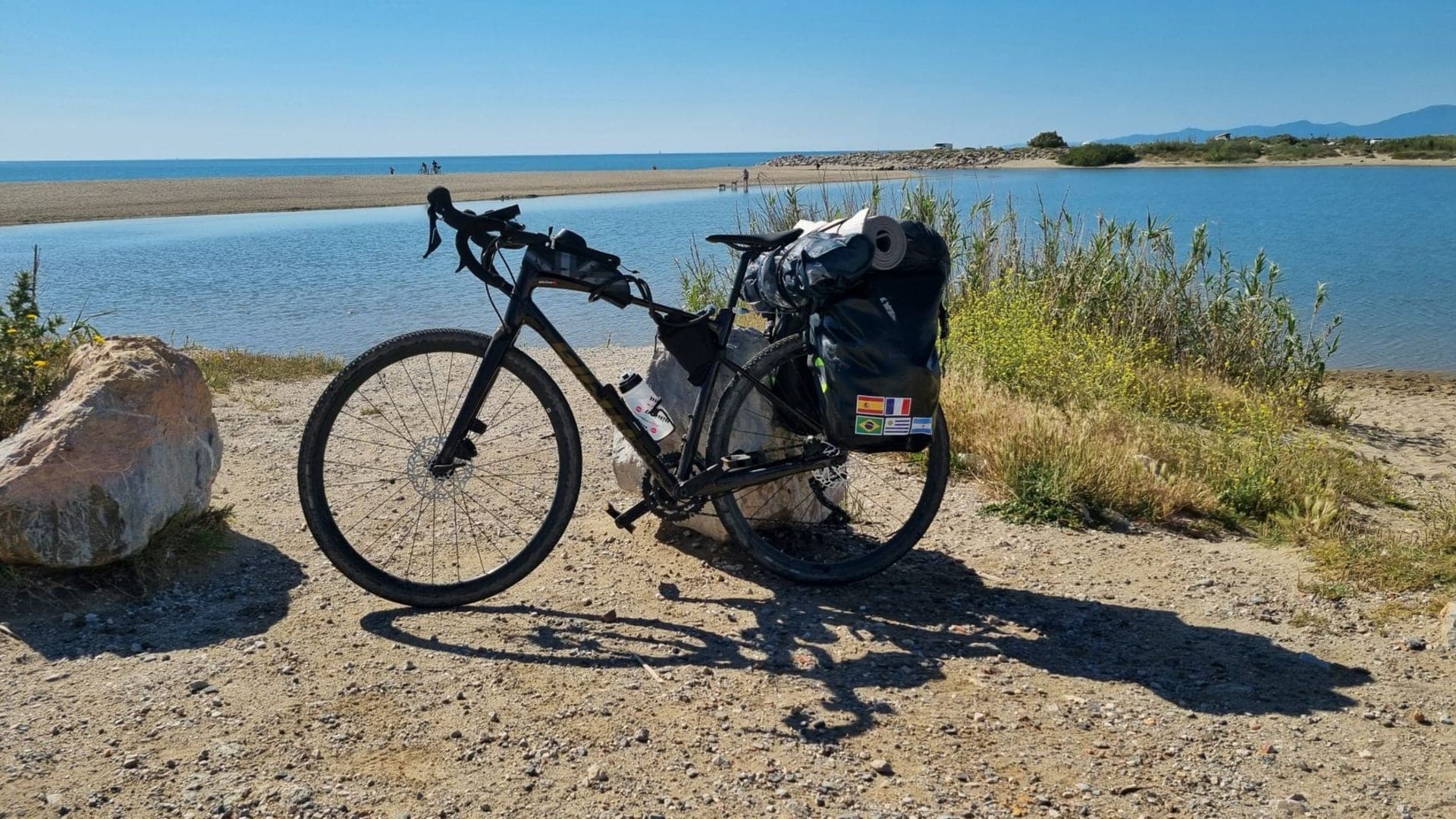
If you are looking for a bikepacking preparation guide, you probably want to take your standard camping experience a step further and blend into nature with the rhythm of your pedals. The Mediterranean region, especially the coastline stretching from Antalya to Mersin and the Taurus Mountains rising right behind it, is a serious testing ground for this discipline. You already have basic camping skills; you know how to pitch a tent, choose your sleeping pad, and spend the night in the wild. But the real challenge is how to efficiently carry this entire life support system on two wheels against the wind and gravity. Your preparation against the unforgiving Mediterranean sun and sudden elevation gains will determine whether the tour turns into an ordeal or a fluid adventure.
There are two main ways to carry camping gear on a bike: the classic rack and pannier system, or bikepacking bags integrated into the bike's frame. On the Mediterranean coast, it is vital to keep your aerodynamic profile narrow, especially against the strong winds blowing from the sea to the land in the afternoons. While a classic touring bike with panniers increases wind resistance by 30%, a modern bikepacking setup consisting of frame and saddle bags limits this resistance to just 8%. This directly affects your daily calorie expenditure and leg muscle fatigue during windy viaduct crossings between Kaş and Kalkan. Therefore, we recommend an aerodynamic bikepacking setup for intermediate campers.
In bikepacking, where you place the weight is just as important as how much weight you carry. To avoid losing your bike's traction and cornering ability, you must keep the center of gravity as low and central as possible.
This triangular space right in the middle of your bike is the most ideal spot for the center of gravity. Tent poles, camping stove, fuel canister, repair tools, spare inner tubes, and most importantly, your main water supply should be placed here. Keeping the weight low prevents the bike from skidding during sharp, winding descents from the Taurus Mountains to the coastline.
Seat packs do not create wind resistance as they sit aerodynamically behind the rider. However, placing heavy items here causes the back of the bike to sway like a pendulum (tail wag) while pedaling. You should pack your spare clothes, inflatable sleeping pad, and light insulation layers to wear at camp in the evening in this section.
Since the handlebar provides the bike's maneuverability, you shouldn't put too much heavy load here. With its cylindrical shape, a handlebar bag is a perfect home for a sleeping bag and tent fly. If you are camping on the Mediterranean beaches, you should opt for a synthetic-filled sleeping bag instead of down due to high humidity; down loses much of its insulating properties when it absorbs moisture.
Your camping experience might lead you to some misconceptions on the bike. Here are the most common mistakes:
1. Stockpiling Cotton Clothes: Packing plenty of cotton t-shirts to be comfortable at the campsite is a huge mistake. Cotton retains sweat, doesn't dry, and adds extra weight. Solution: Take only 2 merino wool t-shirts. Merino wool doesn't hold odors even if you sweat for days and provides excellent moisture wicking.
2. Outsourcing Mechanical Confidence: You might know how to pitch a tent, but if your chain breaks or your shift cable stretches, you'll be left helpless on a deserted mountain road. Solution: Carrying a multi-tool, a chain breaker, and a spare shift cable is just as important as learning how to use them.
3. Unnecessary Electronic Load: Drones, large cameras, or heavy tablets go against the spirit and physical capacity of bikepacking. Solution: A good smartphone and a high-quality 10,000 mAh power bank are more than enough for most intermediate tours.
Although the D400 highway offers breathtaking views, it has blind spots where the shoulder narrows or disappears entirely. Using an active rear flashing light and a reflective vest, especially during tunnel crossings and early morning hours, is a non-negotiable rule. Additionally, in campsites with dense pine forests like Olympos and Adrasan, wild boars might visit your camp at night. Never keep your food inside the tent or in the vestibule; place it in odor-proof bags and hang it on a tree branch away from your bike and tent.
Instead of the region's extremely hot and humid summer months, the April-May and September-October periods are the most ideal times. During these months, water sources are more active, and the asphalt temperature won't push your physical limits.
Due to snakes, scorpions, and the dense mosquito population, especially in humid areas of the Mediterranean, a fully enclosed ultralight tent provides a much safer and more restorative sleep compared to a bivy.
For an intermediate camper, 40-60 km per day on the Taurus slopes and 70-90 km on the coastal flats with a loaded bike is a realistic and sustainable goal.
Hub dynamos integrated into the front wheel are the most permanent solution. Alternatively, a combination of a highly efficient 21W solar panel secured on the handlebar bag and a power bank is sufficient for the Mediterranean sun.
Wild boar herds are common, especially around Çıralı, the foothills of Mount Tahtalı, and Köprülü Canyon. You should store your food outside the tent in odor-proof, airtight bags.
Bikepacking is one of the purest forms of travel, eliminating the glass, engine noise, and metal heaps between you and nature. As you fill your lungs with that sharp pine scent of the Mediterranean, the satisfaction of pitching a tent in a cove you reached with your own muscle power is unlike any other type of camping. With the right gear, balanced packing, and conscious route management, you can put the wind at your back and focus solely on the road and the moment. Prep your bike, map your route, and enjoy this unique geography on two wheels; wherever the road takes you, that will be your home.
Related guides and stories from the outdoor world
A comprehensive guide to routes, gear, and safety for campers looking to explore nature on a bike after pitching their tent.

A comprehensive trail running guide that will take your camping experience to the next level and let you run free on breathtaking trails.

Ways to balance lightweight travel and camp comfort while pedaling long distances.

A comprehensive bikepacking guide packed with gear, safety, and route tips for intermediate campers looking to pedal into the heart of nature.