
28 Nis 2026
Wilderness Fire Safety: A Beginner's Guide
Essential fire building and extinguishing rules you need to know to protect yourself and nature while camping.
7 min read
11 views
Kampçı Editör Ekibi
Outdoor Writer @ Kampçı
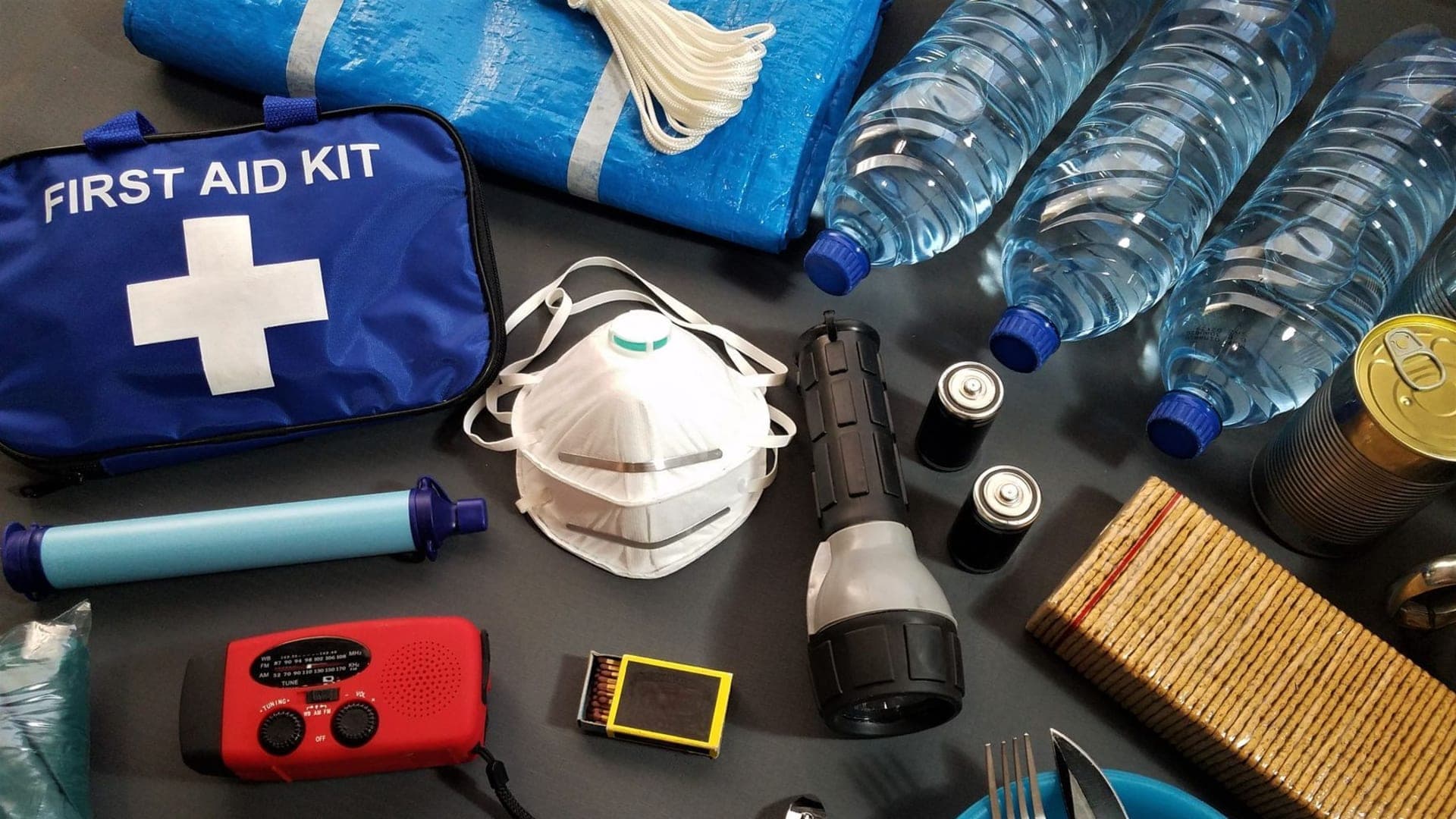
When you have an accident in the city, it takes an average of 10-15 minutes for emergency services to reach you. However, deep in a forest with no cell service or at a high-altitude mountain camp, this can take hours or even days. That is why a wilderness first aid guide for beginner campers is not just a set of procedures, but a survival discipline. The goal of urban first aid is to keep the patient alive until they are handed over to an ambulance; the goal of wilderness first aid is to prevent the patient's condition from worsening for hours and sometimes carrying out the evacuation with your own resources.
The first thing you should do when faced with an emergency is to take a deep breath and analyze the situation. According to research, 65% of injuries that occur during hiking and camping consist of simple sprains, superficial cuts, and insect bites. This statistic shows us that rather than a massive medical operation, basic and correct steps keep the vast majority of campers safe.
Crisis management in the wild starts with the STOP rule: Stop, Think, Observe, and Plan. A rescue attempt that compromises your own safety will do nothing but double the number of casualties in the field. For example, before helping a friend who has fallen on a rocky slope, you must evaluate whether that slope poses a falling risk for you as well.
Bleeding caused by a slipping camp knife or scraping against a sharp rock is among the most common situations. The first goal is to stop the bleeding, and the second is to prevent infection.
Ankle sprains can be inevitable when walking on rough terrain. In this case, you should apply the RICE (Rest, Ice, Compression, Elevation) method. Since finding ice in a camp environment will be difficult, a cloth soaked in cold stream water will do the trick. Compared to a hot application, a cold compress is much more effective in preventing edema in the first 48 hours because it constricts the blood vessels, stopping bleeding and swelling.
Carelessness around the campfire or a knocked-over kettle of hot water can cause burns. Immediately hold the burned area under cool (not ice-cold) running water for at least 15-20 minutes. This process stops the ongoing burning process in the lower layers of the skin. Never pop blisters, as this directly invites infection.
The risk of ticks is high in forested areas, especially during the spring and summer months. If you see a tick attached to your body, absolutely do not apply oil, cologne, or fire to it. Grasp the tick as close to the skin's surface as possible (by its head) with fine-tipped tweezers and pull it slowly upward at a right angle without crushing it. After the tick is removed, clean the area with soapy water or rubbing alcohol.
Beyond theoretical knowledge, you need to develop some practical habits that will save lives in the field. You should start applying these rules the moment you step into the campsite.
Hearsay information does more harm than good in the wild. Here are the most common mistakes made by beginner campers:
The golden rule of wilderness first aid is the "ensure your own safety first" principle. When an emergency occurs, check whether the area where the incident happened still poses a danger. First aid is not performed on a slope with a risk of falling rocks, under a tree about to fall, or right next to a rapidly spreading campfire. Move the injured person to a safe area by dragging them without disrupting their spinal alignment (head-neck-torso) and begin the intervention there.
Even if you don't have advanced equipment, knowing these three basic principles provides a roadmap in a crisis:
For a beginner camper, a basic first aid kit should weigh between 500 and 800 grams. It should contain vital and lightweight supplies such as bandages, antiseptic solution, band-aids, tweezers, painkillers, and allergy medications.
Yes, even if you have successfully removed the tick without crushing it, you should definitely visit a healthcare facility. A blood test should be done against risks like Crimean-Congo Hemorrhagic Fever or Lyme disease, and the process must be monitored by a doctor.
If there is a stream or lake near the campsite, you can soak a clean t-shirt or towel in this cold water and wrap it around the sprained area. You can slow down edema formation by repeating the process as you feel the cloth warming up.
The burned area should immediately be kept under clean and cool (not ice-cold) water for 15-20 minutes. This process stops the burning reaction under the tissue; then the area should be covered loosely with a clean cloth without applying pressure.
You should always carry a camping whistle with you. For the international emergency signal (SOS), blow 3 short, 3 long, and 3 short blasts with the whistle, or if it's night, flash a flashlight in the same rhythm. Additionally, offline GPS devices are lifesavers.
A wilderness first aid guide is much more than the bandages you carry in your backpack; it is the ability to stay calm in a crisis, evaluate limited resources at hand, and make the right decisions. As a beginner camper, preparing your first aid kit is the most responsible step you will take before heading out into nature. Know your equipment, mentally rehearse first aid steps, and respect the rules of nature. Every camp where you don't leave your safety to chance will offer you the purest and most instructive face of nature. We wish you healthy and safe camps.
Related guides and stories from the outdoor world
Essential fire building and extinguishing rules you need to know to protect yourself and nature while camping.

A fundamental first aid and emergency response guide for beginner campers facing wilderness emergencies.
Lifesaving first aid techniques to help you camp safely on the challenging trails of Southeastern Anatolia.

The most fundamental and vital first aid steps for beginner campers to handle potential accidents in the wild.