
12 Mar 2026
Pedal to the Heart of Nature: A Guide to Cycling While Camping
A comprehensive guide to routes, gear, and safety for campers looking to explore nature on a bike after pitching their tent.
5 min read
11 views
Kampçı Editör Ekibi
Outdoor Writer @ Kampçı
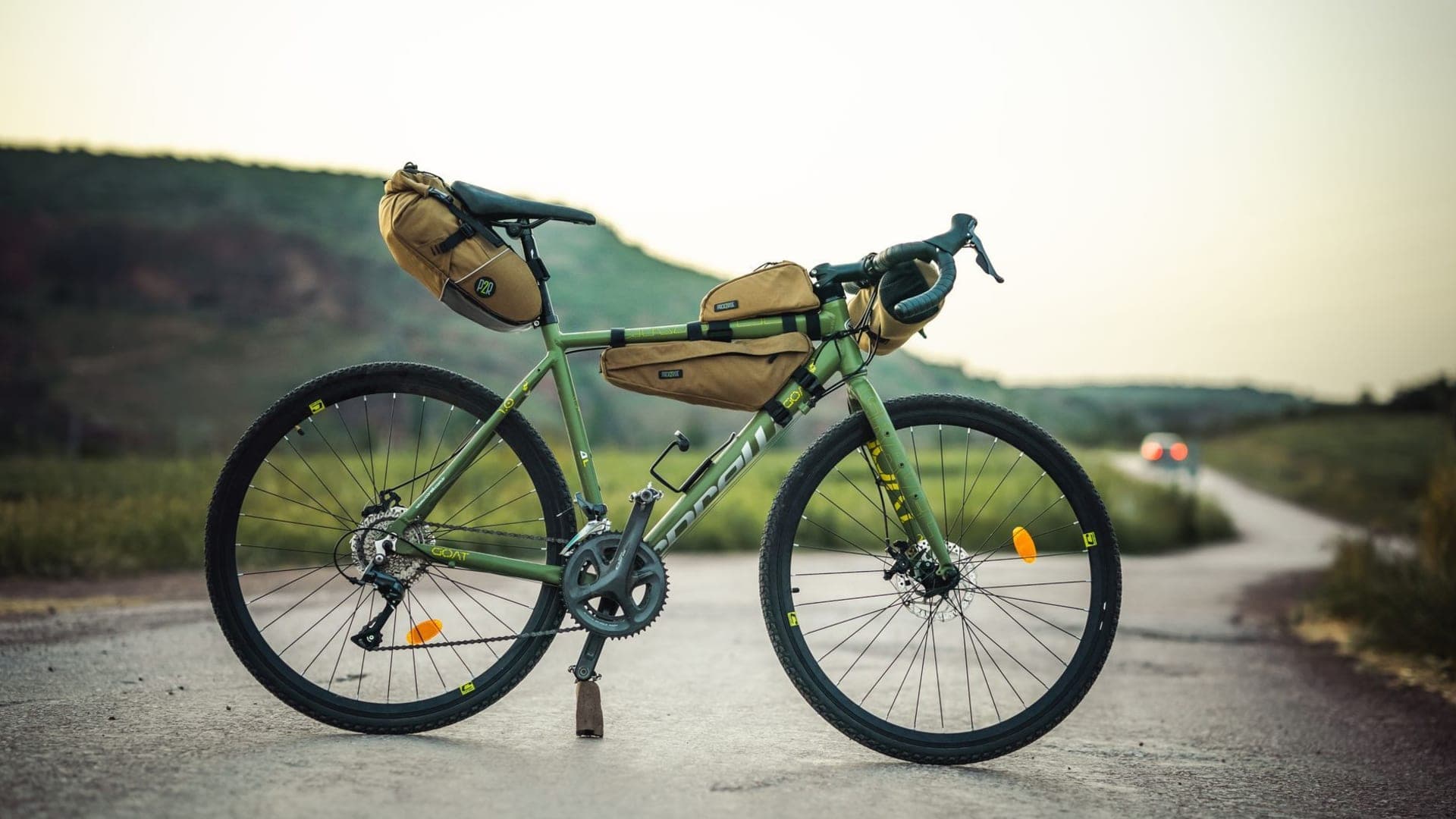
Bicycle camping has very different dynamics compared to grabbing a backpack and hiking into the woods or driving to a campsite. As an intermediate camper and cyclist, you are now ready to move beyond flat coastal roads and tackle trails that involve elevation gain, varying terrain, and logistical planning. Turkey's best bikepacking routes offer more than just visual satisfaction; they also allow you to optimize technical parameters such as the frequency of water sources, wind direction, and the location of campsites relative to the road gradient.
An intermediate bikepacker is someone equipped with basic camping skills (pitching a tent, fire management, wilderness first aid) and moderate bicycle mechanics knowledge (fixing a flat, adjusting gears, repairing a chain). At this level, the most critical factors to consider when choosing a route are "elevation gain" and "terrain type" rather than just "distance." An intermediate bikepacker carrying a 15-20 kg load should aim to cover an average of 45 to 65 kilometers per day on dirt and gravel roads. Exceeding this distance depletes the energy needed to set up camp, thereby increasing your margin for error.
These three routes selected for intermediate riders consist of a mix of asphalt and unpaved dirt roads. All of them feature gradients that will test your climbing technique with a loaded bike (whether using a bikepacking or pannier setup).
Located south of the Marmara Sea, the Kapıdağ Peninsula is a circular route of about 105 kilometers. Starting from the center of Erdek and riding counterclockwise (via Turan, Doğanlar, İlhan, and Narlı) allows you to keep the wind at your back. The route is dominated by rolling hills. Total elevation gain reaches approximately 1,800 meters. Wild camping is possible in the secluded bays between the villages of Ormanlı and Turan. The terrain is 80% asphalt and 20% rough chip seal. Compared to the Gulf of Gökova route, the Kapıdağ Peninsula offers a more effective climbing workout because the constantly changing, short but steep hills with 8-10% gradients seriously test your gear-shifting technique on a loaded bike.
Stretching from Akyaka through Akbük and Ören to Mazı or Çökertme, this route is especially ideal during the spring and autumn months. On this 80-90 kilometer stage, the section between Akyaka and Akbük is narrow, winding asphalt, so you must watch out for vehicle traffic. The climbs starting after Ören reach up to 400-500 meters above sea level. The olive groves around Çökertme or the bays of Mazı are highly suitable for camping. There is no issue with water resupply in the villages along the route, but summer heat will double your water consumption when riding fully loaded.
This is one of Turkey's most technical routes for gravel or mountain bike (MTB) riders. Starting from the center of Yenice and entering Şeker Canyon, the route consists of unpaved forest roads. The terrain is entirely dirt and gravel. The elevation gain is quite brutal; you might need to climb 800 meters in a single ascent. Eğriova Pond is one of the most isolated and safe spots for camping. This route requires a serious gear ratio (e.g., 34T or 30T in the front, 42T or 50T in the rear). Due to the dense forest canopy, GPS signals can weaken, making the use of offline maps mandatory.
Carrying camping gear on a bicycle completely changes your riding dynamics. Here are some technical details that will make things easier on the road:
The most common mistakes made by cyclists transitioning to the intermediate level usually revolve around gear selection and pacing.
Safety in bikepacking comes in two stages. On the road, visibility against vehicle traffic is vital. Keep your rear flashing light on even during the day. When entering blind corners on narrow coastal roads (especially on the Gökova route), make sure to use your bell or voice to warn others. At camp, the golden rule is never to keep food inside your tent. In areas with active wildlife (like bears and boars), such as the Yenice forests, store your food bag by hanging it from a tree branch (a bear hang) at least 50 meters away from your tent. Ensure your first aid kit is fully stocked with items specific to cycling accidents, such as iodine, bandages, and wound closure strips.
Intermediate routes typically range from 2 nights and 3 days to 4 nights and 5 days. This duration is ideal for both testing your physical endurance and experiencing logistical management (carrying food and water).
For an intermediate rider on dirt/gravel terrain with a full camping load, a daily elevation gain between 800 and 1,200 meters is a realistic and manageable goal.
For bikepacking, you should opt for freestanding dome tents with a packed size that doesn't exceed your handlebar width (maximum 40-45 cm) and a weight of around 1.5 to 2 kg.
Food, toothpaste, and scented trash should never be kept inside the tent. They should be placed in odor-proof dry bags and hung from a tree at least 50 meters away from your campsite.
Apps like Komoot and RideWithGPS, which show the terrain type (asphalt, gravel, trail) and detailed elevation profiles, are the most reliable options for downloading offline maps of your route.
Turkey's best bikepacking routes possess the technical and geographical diversity to transform you from an ordinary vacationer into a true explorer. The windy shores of Kapıdağ, the steep olive groves of Gökova, or the deep forests of Yenice... Whatever your choice, every night spent in nature with your bike will reinforce your sense of self-sufficiency. Balance your weight, study your route's elevation profile, check your gear ratios, and start pedaling. Remember, the best camping trip isn't the one that ends without a hitch, but the one where you gain experience by solving the problems you encounter. Choose your route and adapt to the pace of nature on your bike.
Related guides and stories from the outdoor world
A comprehensive guide to routes, gear, and safety for campers looking to explore nature on a bike after pitching their tent.

A comprehensive trail running guide that will take your camping experience to the next level and let you run free on breathtaking trails.

Ways to balance lightweight travel and camp comfort while pedaling long distances.

A comprehensive bikepacking guide packed with gear, safety, and route tips for intermediate campers looking to pedal into the heart of nature.