Summary: Combining trail running and camping in Turkey offers athletes altitude adaptation and uninterrupted training opportunities. From the technical terrains of the Lycian Way to the high-altitude trails of the Aladağlar, this guide covers the most rewarding routes for intermediate runners, recovery-focused camp logistics, and proper gear choices.
For intermediate campers and runners looking to take their outdoor sports to the next level, trail running camp routes in Turkey serve as both a mental and physical testing ground. While knowing how to camp and being able to run on trails are two separate disciplines, combining them requires strategic planning. Running miles on a technical trail during the day and spending the night in nature to prep your muscles for the next day demands much more specific logistical and gear decisions than a standard weekend camping trip.
What You Will Learn in This Article
- Turkey's top 4 technical camp and run routes for intermediate runners.
- Camp setup tactics to maximize post-run muscle recovery.
- The differences between fastpacking (fast and light camping) and base camp strategies.
- Water management and nutrition planning in altitude camps.
Core Dynamics for Trail Running Camp Routes in Turkey
When planning a trail running-focused camp, the "comfort zone" of traditional camping gives way to the concept of "sustainable performance." The weight of your backpack directly affects your running biomechanics. At this point, two different approaches come into play: setting up a fixed base camp and doing loop runs on surrounding trails, or carrying all your camping gear in a running vest/lightweight backpack (fastpacking) to complete the route from start to finish.
72% of experienced trail runners in Turkey prefer fixed camp routes with high altitudes, such as the Aladağlar and Kaçkar Mountains, for ultramarathon race simulations. A fixed camp is much more advantageous, especially for intermediate runners, in terms of safety and recovery. By leaving your tent, heavy sleeping bag, and main food supplies in one spot, you can tackle 15-20 kilometer technical runs carrying only 2-3 liters of water, a windbreaker, and an emergency kit.
The Best Trail Running Camp Routes in Turkey
The following routes have been selected for intermediate runners, taking into account terrain variety, access to water sources, and campsite safety.
1. Aladağlar: Emli Valley and Karagöl Plateau
Located within the borders of Niğde, the Aladağlar (Anti-Taurus Mountains) are known as the Alps of Turkey and offer a flawless altitude training ground for technical runners. You can set up your base camp in the pine forests at the entrance of Emli Valley. Runs from here toward the Karasay Pass or Sıyırma Valley will enhance your experience on scree (loose rock) terrain. Keep in mind that due to the harsh climate of the Aladağlar, night temperatures can drop to single digits even in the middle of summer. Using trekking poles is almost mandatory when running this route.
2. The Lycian Way: Gelidonya Lighthouse - Adrasan Route
This stretch along the Antalya coast tests ankle stability with its sudden elevation gains from sea level and extremely rocky terrain. Pirate Bay (Korsan Koyu) or Adrasan beach are ideal for a base camp. An out-and-back run to the Gelidonya Lighthouse in the early morning hours (before the heat sets in) is perfect for practicing technical ascents and descents. The rocky surface of the Lycian Way strains the joints much more than the soft tuff terrain of Cappadocia; therefore, trail running shoes with high rock plate protection should be chosen.
3. Cappadocia: Red Valley and Pigeon Valley
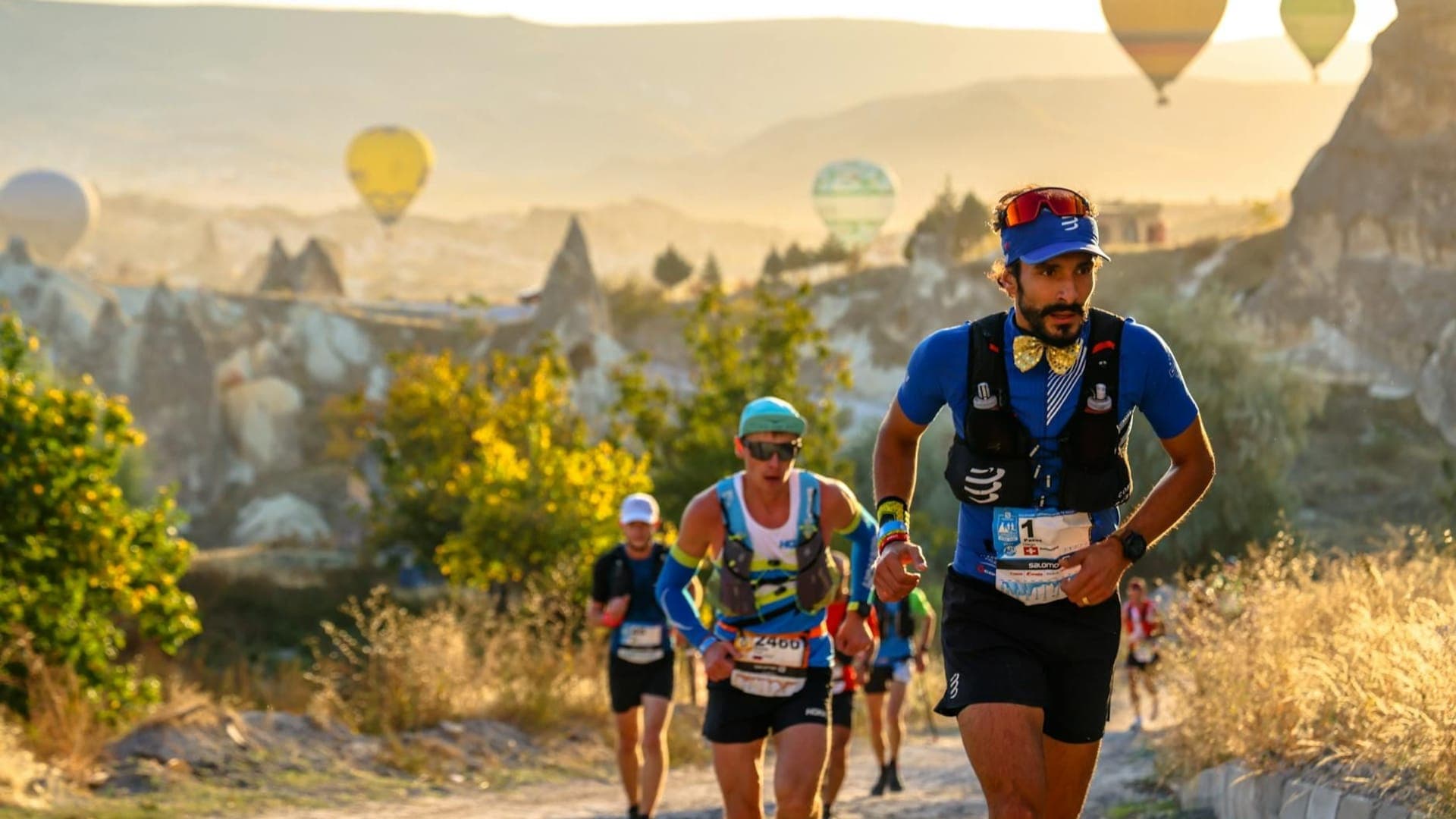
The fairy chimney-filled valleys of Nevşehir are ideal for those seeking fast-runnable trails. You can pitch your tent at camping facilities around Göreme and run through the labyrinth-like tuff channels of the Red Valley (Kızılçukur). The ground is soft and sandy, which increases shock absorption but reduces grip. Using gaiters prevents sand from getting into your shoes. Since the route navigation is quite complex, offline GPS watches are lifesavers here.
4. Kaçkar Mountains: Çat Valley - Elevit - Trovit Traverse
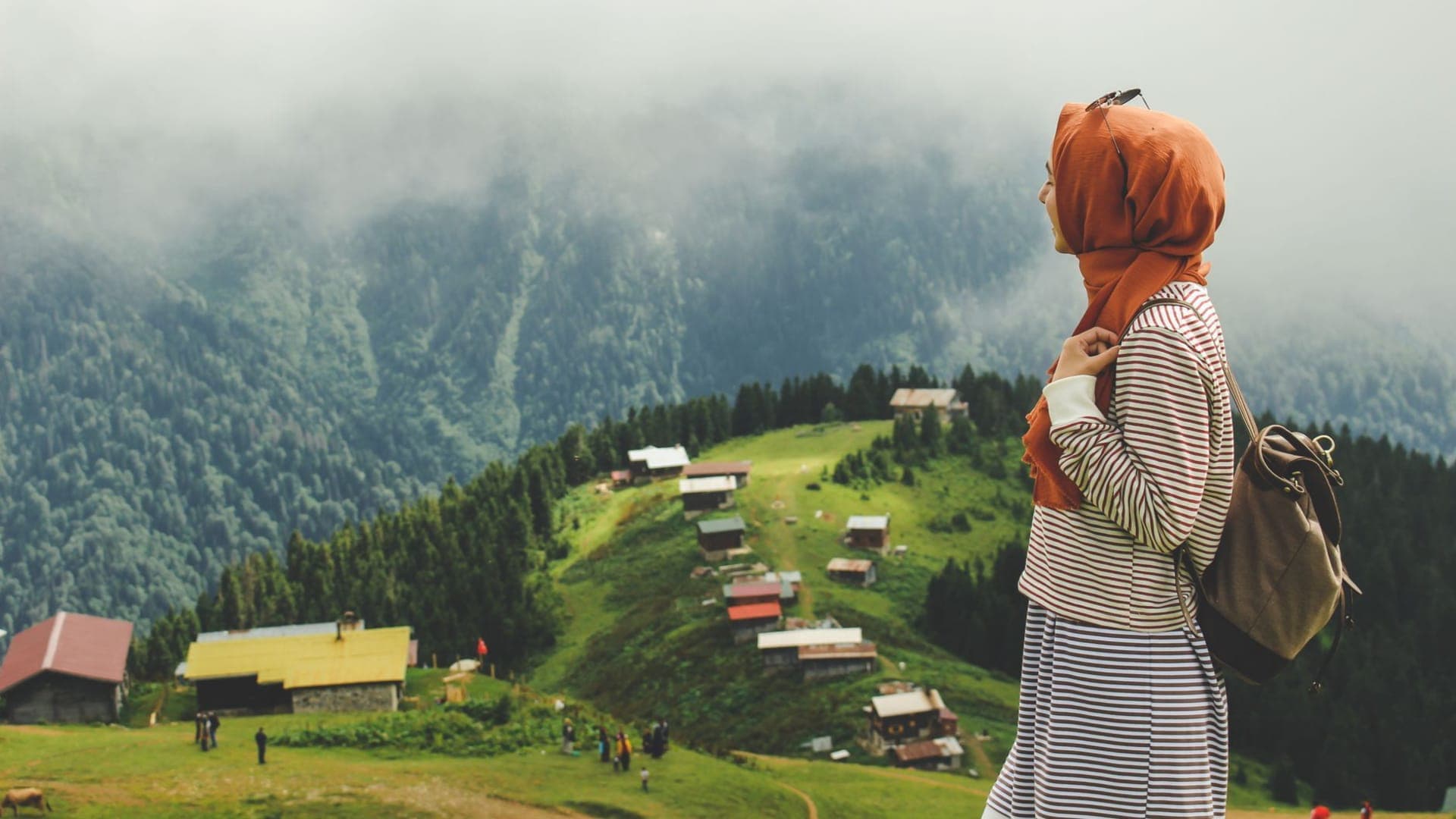
The humid and muddy trails of Rize offer a running experience similar to the Alps or Pyrenees in Europe. You can set up camp in Çat Valley and do vertical kilometer (VK) or long climbing workouts toward the Elevit and Trovit plateaus. The weather in the Kaçkars can change within hours; therefore, you must always carry a rain jacket with a 10,000+ mm waterproof rating in your running pack.
5 Practical Tips for a Running Camp
To use a campsite not just for accommodation but also as a recovery station, apply these strategies:
- Set Up Camp in Advance for Recovery: You don't want to wrestle with tent poles when you return from a grueling 20-kilometer run. Inflate your sleeping pad, unroll your sleeping bag, and prep your recovery drink before heading out.
- Use Water Filtration Systems: To reduce the amount of water you carry during your run, map out water sources on the route beforehand and carry soft-flask compatible microfilters like the Sawyer Squeeze or Katadyn BeFree.
- Upgrade Your Sleep System: A sleeping bag and pad combination that provides proper insulation (R-value of 3.0 and above) preserves body heat throughout the night, speeding up muscle recovery by up to 40%. Heat loss delays muscle repair.
- Do an Active Cool-down: Don't just collapse into a chair as soon as you return to camp. Walking barefoot around the campsite for 10 minutes or doing some light stretching supports lactic acid dispersion.
- Switch to a Modular Clothing System: Hanging around camp in sweaty clothes after a run increases the risk of hypothermia. Change into your merino wool base layers as soon as you get back. Merino wool is odor-resistant and continues to provide warmth even when damp.
3 Common Mistakes Made by Intermediate Runners
Even experienced campers can make critical errors when running dynamics are involved. The most significant ones are:
- "Stupid Light" Syndrome: Leaving behind a first aid kit, spare headlamp batteries, or adequate insulation layers just to lighten your backpack. When the weather turns sour on the mountain, a light pack won't save your life; the right gear will.
- Trying to Close the Calorie Deficit Only with Dinner: You burn 500-700 calories an hour during trail running. You can't make up for this deficit just with the pasta you eat at camp. If you don't consume a carbohydrate gel or solid food every 45 minutes during your run, you won't find the energy to get out of bed (or off your sleeping pad) the next day.
- Neglecting Foot Care: Failing to take off your shoes and socks as soon as you return to camp traps moisture against your feet and leads to blisters. Washing and drying your feet post-run is the insurance policy for the next day's workout.
Safety Protocols for Trail Running Camps
Compared to a normal hike, the risk of sprains, falls, or dehydration is much higher while running. Before heading out, always inform your camp neighbor or a facility official about which route you are taking and your estimated time of return. Offline maps (such as Gaia GPS or Komoot) should be downloaded to your phone, and your device should be kept in airplane mode to save battery. Always carry a whistle and an aluminum thermal blanket (space blanket) in your running vest for emergencies.
3 Critical Things You Need to Know About Trail Running Camps
- Terrain Analysis Dictates Gear: The terrain of your destination (the sand of Cappadocia vs. the rock of the Aladağlar) determines not only the lug pattern of your running shoes but also the type of stakes you'll use to secure your tent (snow stakes, V-profile, or needle type).
- Micro-Climate Changes: When you set up camp on the valley floor, you'll experience morning dew and heavy moisture, whereas running on a ridge 500 meters higher will expose you to harsh winds. Your windbreaker/rain jacket combo must be suited for these transitions.
- Nutrition Timing (The Window): The first 30-45 minutes post-workout is the critical window for replenishing glycogen stores. Instead of tidying up the tent or chopping wood, you should first consume a recovery meal with a 3:1 (Carbohydrate:Protein) ratio.
Frequently Asked Questions
What is the best season for a trail running camp?
Under Turkey's conditions, late spring (May) and early autumn (September-October) are the most ideal periods. During these months, the risk of snow at high altitudes decreases, water sources are active, and extreme heat doesn't hinder running performance.
What should the total weight of my backpack be for a running camp?
If you are setting up a fixed base camp, the weight limit is only restricted by your vehicle or carrying capacity. However, if you are fastpacking (moving camp by running), your pack's dry base weight should not exceed the 4-6 kg range.
How should post-run nutrition be handled at camp?
Within the first 30 minutes after finishing a run, protein and carbohydrates should be consumed in liquid form (e.g., a chocolate milk powder mix). For dinner, complex carbohydrates (oats, quinoa, bulgur) and sodium supplements should be preferred.
How should I carry water while trail running?
Hydration bladders in backpacks slosh around during a run and throw off your balance. Intermediate runners should use 500ml soft flasks carried in front chest pockets and filter water from sources along the route as they go.
What should be considered in high-altitude running camps?
At altitudes of 2000 meters and above (Aladağlar, Kaçkarlar), oxygen density drops. You should acclimatize (adapt to the altitude) by resting at the campsite on the first day, leaving high-effort workouts for the second or third day of the camp.
Conclusion
Thanks to its geographical diversity, Turkey offers world-class training grounds for trail runners. Camping is the purest way to fully experience these areas and test your limits by integrating with nature. Whether you're picking up the pace on the historic trails of the Lycian Way or starting a run at the crack of dawn in the foothills of the Aladağlar, the confidence a well-planned camp gives you is invaluable. Optimize your gear, plan your route according to the weather conditions, and leave your own mark in this massive playground that nature offers. The trails and the campfire await you.