
12 Mar 2026
Pedal to the Heart of Nature: A Guide to Cycling While Camping
A comprehensive guide to routes, gear, and safety for campers looking to explore nature on a bike after pitching their tent.
5 min read
11 views
Kampçı Editör Ekibi
Outdoor Writer @ Kampçı
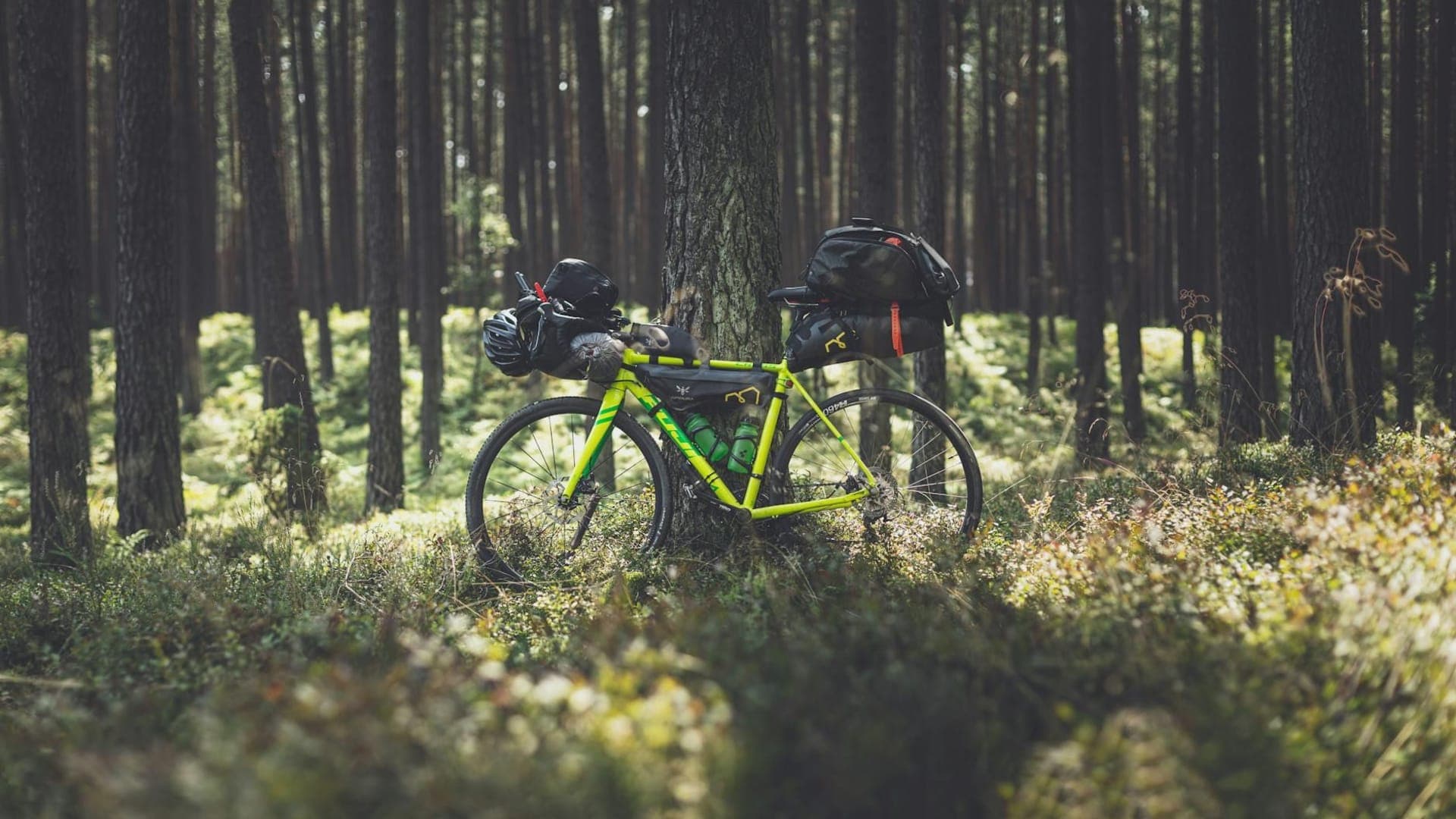
Bikepacking is the purest combination of physical exertion and wilderness survival. If you have basic camping skills and enjoy pedaling, your next step is to turn your bike into a mobile camp. However, Turkey's Eastern Anatolia region is nothing like the flat and mild routes of the Aegean coast. The winds of the Kars-Ardahan plateau, the steep slopes of the Palandöken foothills, and the isolated valleys of Munzur demand not only physical fitness but also serious logistical planning from campers.
This guide is designed for intermediate outdoor enthusiasts who know how to pitch a tent or patch a tire, but want to learn how to optimize their gear, route, and energy for a multi-day wilderness adventure on a bike.
Pedaling in Eastern Anatolia means battling constantly changing altitudes and oxygen levels. The elevation rarely drops below 1,500 meters across the region, and many passes exceed 2,500 meters. This directly impacts both your performance on the bike and your strategy for staying warm at the campsite.
Air density is low at high altitudes. This means the scorching effect of the sun (high UV) is felt more intensely during the day, while temperatures plummet rapidly at night because the atmosphere cannot retain heat. Approximately 65% of cyclists camping on Eastern Anatolian routes experience sleep and recovery issues during their first few days due to temperature drops exceeding 20 degrees between day and night. After sweating your way up a pass during the day, rapidly cooling sweaty clothes at the campsite increase the risk of hypothermia. Therefore, using base layers like merino wool, which wick away moisture while keeping you warm even when wet, is an absolute must.
Carrying camping gear on a bike is nothing like throwing luggage into a trunk. Every single gram comes back to haunt you as gravity during climbs. An intermediate bikepacker should focus on aerodynamics and the center of gravity rather than sheer volume.
On the rugged roads of Eastern Anatolia, the position of your center of gravity dictates your riding safety. According to field tests conducted in Turkey, lowering the center of gravity by 5 cm and centralizing it around the frame reduces balance loss on gravel terrain by 30%.
The region's fierce winds can easily snap tents with standard fiberglass poles. Low-profile (wind-resistant) tunnel or dome tents with aluminum poles should be preferred. Bivy sack systems, which are 40% lighter than traditional tents, are advantageous for saving space, but keep in mind they can cause condensation during the cold nights of Eastern Anatolia. For sleeping bags, choose water-resistant down or high-quality synthetic fill models with an EN standard "Comfort" rating of at least 0 to -5 degrees Celsius.
Beyond theoretical knowledge, here are some technical touches that will save the day on the road:
Even experienced campers can fall into certain logistical traps when they bring a bike into the mix.
The region is highly active in terms of wildlife and livestock. When it comes to safety, one of the first things that comes to mind is shepherd dogs, especially Kangals. A fast-moving object on a bike triggers these dogs' protective instincts. When approaching a flock or a dog, slow down; if necessary, dismount, use your bike as a shield between you and the dog, and walk away slowly. Avoid making sudden movements or shouting.
Additionally, sunburns and windburns can cause severe skin irritation when camping at high altitudes. Your first aid kit must include high-SPF sunscreen, lip balm, and muscle relaxant creams. In case of cuts or falls, carry iodine, sterile gauze, and fine-tipped tweezers to remove splinters or thorns.
Due to the high altitude, snowmelt ends late in the region. For a safe and relatively mild experience, the ideal time frame is from mid-June to the first week of September.
Considering the narrow village roads, rocky trails, and harsh winds of Eastern Anatolia, bikepacking bags (frame, seat, and handlebar bags) are much more effective as they do not disrupt aerodynamics and preserve the bike's maneuverability.
Digestion slows down and appetite may decrease at high altitudes. Instead of heavy meals, consume carb-heavy, easily digestible snacks (dried fruit, energy gels, oat bars) every 45 minutes while riding.
Stop pedaling and dismount. Position the bike as a shield between yourself and the dog. Without making eye contact, walk away from the flock's territory slowly and calmly.
Dynamo hubs integrated into the front wheel are the most reliable solution. If you don't have one, you should use foldable solar panels that can be spread over your handlebar bag, along with a high-capacity, cold-resistant power bank.
Bikepacking in Eastern Anatolia is one of the most honest ways to connect directly with nature. The sweat you pour while climbing the slopes is rewarded by the silence of the camp you set up at the summit. Choosing the right gear and balancing your load allows you to go beyond merely surviving in this rugged terrain and actually enjoy the moment. Complete your preparations, map out your route, and turn your wheels toward the trails of these ancient lands. Don't forget to inspire others by sharing the new campsites and routes you discover during your journey with fellow nature lovers on the Kampçı platform.
Related guides and stories from the outdoor world
A comprehensive guide to routes, gear, and safety for campers looking to explore nature on a bike after pitching their tent.

A comprehensive trail running guide that will take your camping experience to the next level and let you run free on breathtaking trails.

Ways to balance lightweight travel and camp comfort while pedaling long distances.

A comprehensive bikepacking guide packed with gear, safety, and route tips for intermediate campers looking to pedal into the heart of nature.