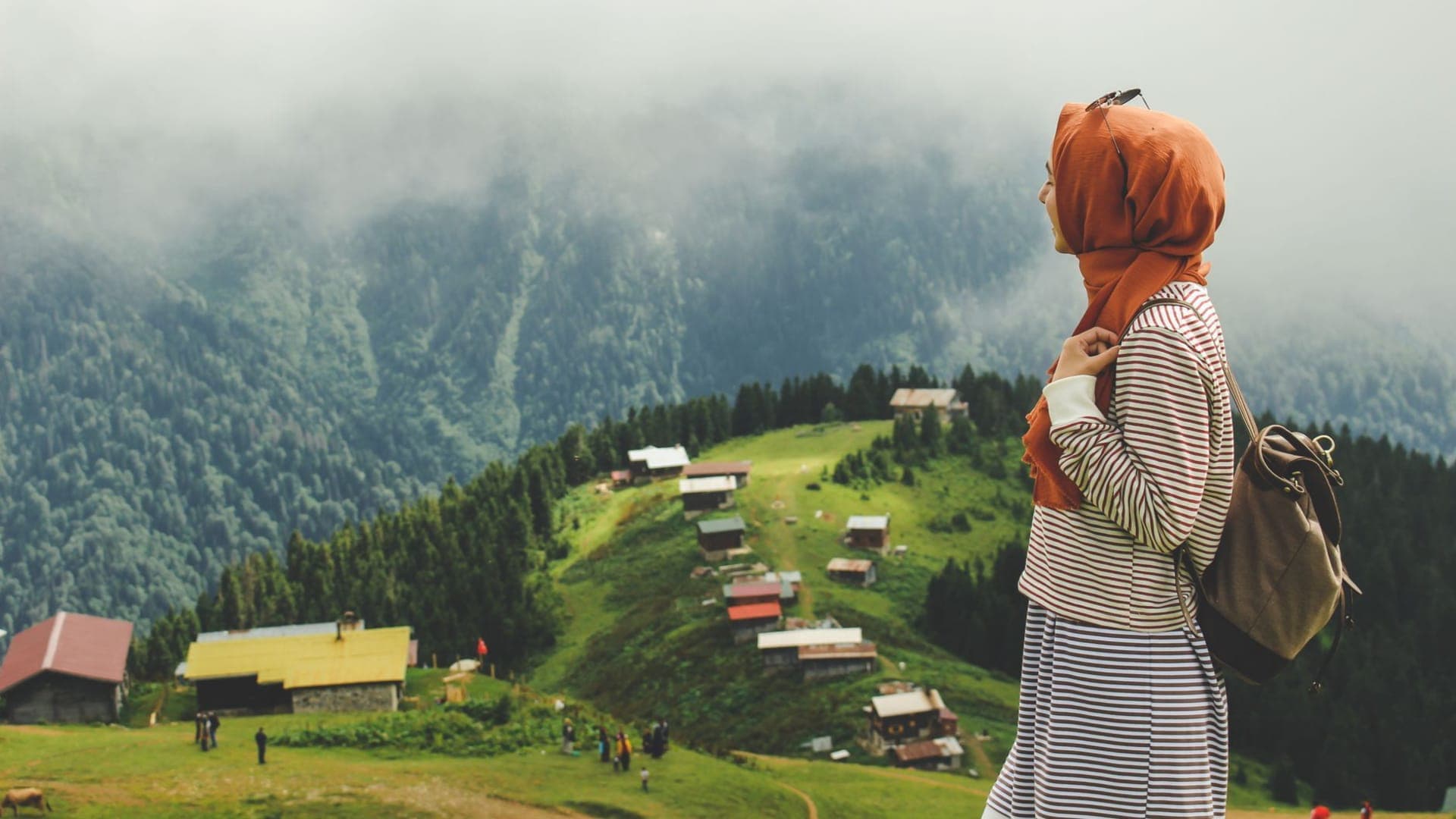
A Visual Journey in the Misty Forests of Marmara
Imagine the cool, pine-scented morning breeze hitting your face as you slowly unzip your tent. Waking up in the misty forests of the Marmara Region, one of the most important things you'll need are outdoor photography tips to immortalize this moment. If you are not just a camper but also a storyteller observing the momentary changes of nature, your camera is your best friend. As an intermediate camper who has long surpassed basic camping skills and can now spend longer, more comfortable times in nature, it is the perfect time to capture the beauty around you with the right light, the right composition, and the right technique.
The Marmara Region offers incredible diversity, from the floodplain forests of İğneada to the mythological peaks of the Kaz Mountains, from the steep cliffs of Uçmakdere to the hidden waterfalls of Yalova. Looking through the viewfinder in this rich geography, you can frame not just a landscape, but the sound of the wind and the scent of the earth. Let's dive into the photography secrets that will take your camping experience to the next level.
The Most Effective Outdoor Photography Tips and Techniques
Taking photos in nature is nothing like a studio environment. You are left alone with an uncontrollable light source (the sun), constantly changing weather conditions, and unpredictable wildlife. As an intermediate nature enthusiast, you must learn to turn these variables to your advantage.
Chasing the Light: Capturing the Golden and Blue Hours
In photography, light is everything. Especially in the dense forested areas of Marmara, photos taken in the middle of the day often feature harsh shadows and blown-out colors. Instead, your greatest allies are the Golden Hour, just after sunrise and just before sunset, and the Blue Hour, when the sun is below the horizon but the sky turns a deep blue. As you watch the first rays of the sun hit the mist in the valley from the hill where you pitched your tent, you can capture that unique depth by lowering your camera's ISO and stopping down the aperture (e.g., f/8 or f/11).
Making Water Flow Silky Smooth with Long Exposure
If you are camping at spots like Erikli Waterfall or Suuçtu Waterfall, you'll want to convey the dynamism of the water in your photos. By using a tripod and attaching an ND (Neutral Density) filter to lower your shutter speed to a matter of seconds, the harsh flow of the water transforms into a silky, fairytale-like texture. This technique adds a professional touch to your photo, turning an ordinary camping memory into a work of art.
Tent Lighting and Night Compositions
An indispensable part of camping photography is a shot of a glowing tent under the stars. For night shoots (astrophotography), use a wide-angle lens (e.g., 14mm or 24mm) and a wide aperture (f/2.8). Place a small camping lantern or a dim headlamp inside your tent to let a warm light filter out from within. In those moments when the Milky Way appears in the dark corners of Marmara (for example, in the desolate coves of Kıyıköy), frame the magic of the sky with 20-25 second exposures to create a contrast with the warmth of your tent.
Best Camping Routes for Photography in the Marmara Region
Before you grab your camera and hit the road, you need to choose the right route to inspire you. The Marmara Region holds a different story in every corner:
- İğneada Floodplain Forests (Kırklareli): The mystical atmosphere of the flooded forests is unique for macro photography and reflection shots, especially in the autumn and spring months. The reflections of the trees in the water during the morning mist are breathtaking.
- Uçmakdere (Tekirdağ): This spot, where the blue of the Sea of Marmara meets the green of the forest on steep slopes, is great for wide-angle landscape photography and including paragliders in your frame.
- Kaz Mountains (Balıkesir/Çanakkale): The subject of legends since ancient times, these mountains are practically an open-air studio for nature photographers with their endemic plant species, ice-cold streams, and deep valleys.
- Kefken and Kerpe (Kocaeli): By doing long exposures at sunset in the Pink Rocks area, you can capture the waves crashing against the rocks and the pastel tones of the sky.
Step-by-Step Nature Photography Routine
Observing your surroundings before taking your camera out of your bag when you arrive at camp is the biggest secret of an intermediate photographer. Here is the step-by-step shooting routine you should follow in nature:
- Scouting: After pitching your tent, determine where the light will rise and set. Plan the position of the sun and the Milky Way in advance using apps (e.g., PhotoPills).
- Setting Up the Composition: Create a frame with your eyes before looking through the viewfinder. Use the 'Rule of Thirds' to place your center of interest at the edges of the frame and add an object to the foreground (a rock, a branch, or your campfire) to add depth.
- Metering Light and Focusing: Get rid of automatic settings. Balance the aperture, shutter speed, and ISO triangle in manual mode according to the lighting conditions. Prefer using manual focus in landscape shots so that sharpness is distributed everywhere.
- Being Patient: Nothing is rushed in nature. Sometimes you may have to wait for hours in the same spot for that perfect beam of light to filter through the clouds. Nature rewards those who are patient.
Safety and Equipment Protection While Photographing in Nature
Marmara's variable climate is full of surprises from time to time. A sudden downpour or temperatures dropping unexpectedly at night affect not only you but also your sensitive electronic equipment. Don't forget to take these precautions to protect your gear:
- Beware of Moisture and Condensation: After shooting outside on a cold winter night, do not suddenly bring your camera into a warm tent or your car. The sudden temperature change will cause condensation (fogging) inside the lens. Put your camera in its bag and wait for it to slowly reach room temperature inside the bag.
- Silica Gels (Desiccants): Be sure to place silica gel packets in different compartments of your camera bag. This delays salty moisture from damaging your equipment during seaside camps (for example, in the Gulf of Saros).
- Waterproof Bags (Dry Bags): Especially during riverside camps or on days when rain is likely, always use a waterproof cover or a 'dry bag' when carrying your camera.
- Respect for Nature (Leave No Trace): Do not damage the vegetation, disturb wildlife, or leave any trace in the camping area for the sake of capturing the perfect shot. Remember, the best nature photographer is the one who interferes with nature the least.
Feeling the rhythm of nature, hearing the whisper of the wind, and freezing that peace on the faces of friends gathered around a campfire... Your camera is just a tool; the real vision lies in your love for nature. Marmara's unique forests, streams, and beaches are waiting for you to tell your own story. Now pack your bag, charge your camera batteries, and hit the road to immortalize your unforgettable memories on your next camp!