
28 Nis 2026
Wilderness Fire Safety: A Beginner's Guide
Essential fire building and extinguishing rules you need to know to protect yourself and nature while camping.
7 min read
11 views
Kampçı Editör Ekibi
Outdoor Writer @ Kampçı

The first rays of sunlight hitting your tent fabric when you wake up in the morning, the fresh scent of pine needles, and the distant chirping of birds... Camping is a unique experience where we escape the chaos of modern life and rest our souls. However, when night falls and you're sitting around the campfire, that faint rustling sound coming from the depths of the dark forest can suddenly make your heart race, especially if you're a beginner camper. We completely understand; this anxiety towards the unknown is a highly human reflex. This is exactly where campsite wildlife safety becomes crucial, both for your peace of mind and the balance of nature.
The moment we step into nature, we must remember that we are actually guests in their home. Our goal is not to conquer nature or fear it, but to learn to live in harmony with it. Feeling completely safe when you zip up your tent and crawl into your sleeping bag depends on following just a few simple yet critical rules. In this guide, we share practical, life-saving information that will actually work for you in the field, far from the usual clichés.
Campsite wildlife safety doesn't just mean protecting yourself from a wild animal attack; it also means protecting the wildlife itself. Wild animals that get used to human food gradually lose their natural hunting and foraging skills. Worse still, an animal that learns not to fear humans (such as a fox, wild boar, or bear) will start approaching campsites more boldly in search of food. In ecology, this is called 'habituation'. Unfortunately, an animal accustomed to human food often has to be euthanized or relocated by authorities because it poses a security threat. So, by storing your food correctly, you are protecting not only yourself but also the innocent inhabitants of the nature you love so much.
The foundation of a safe camping experience lies in preventive measures. The most surefire way to keep animals away from your campsite is to eliminate the smells that attract them.
The sense of smell in wild animals is hundreds of times stronger than that of humans. Your toothpaste, which is just 'minty freshness' to you, can be perceived as the most delicious dessert in the forest by a bear or wild boar miles away. Therefore, when it comes to campsite wildlife safety, the first rule is odor management. You should never keep your food, trash, or even scented personal care products like toothpaste, deodorant, sunscreen, and lip balm in your tent. You should store them in special odor-proof bags or in your car's trunk. If you don't have a vehicle, you should hang them on a tree branch at least 50-60 meters away from your campsite and at least 3-4 meters off the ground (this method is called a 'bear hang').
Your tent is strictly for sleeping and resting. The thought of 'I'll just eat a biscuit and go to sleep' is one of the most common mistakes beginner campers make. A tiny crumb dropped inside the tent or the smell of food lingering on your clothes can cause a curious fox to visit your tent in the middle of the night. Make sure not to sleep in the clothes you cooked and ate in; place these clothes in an odor-proof bag and store them in a safe spot outside the tent.
You should wash your dishes or at least clean up food scraps immediately after eating. You must dispose of dishwater at least 50 meters away from your campsite, tent, and water sources (streams, lakes). Leaving your trash out in the open is an open dinner invitation to all the inhabitants of the forest. By adopting the 'Leave No Trace' principle, put all your trash in leak-proof bags and store them securely for the duration of your camp.
Turkey's unique geography is home to rich wildlife. Knowing the behaviors of the animals you might encounter will help you overcome your fears.
Wild boars are one of the large mammals you are most likely to encounter while camping in Turkish forests. Generally nocturnal, these animals forage for roots and bulbs by rooting in the soil. They are afraid of humans and avoid conflict. However, if there is exposed food at your campsite, they might come in herds. Making noise while walking when you get up to use the bathroom at night is enough to make them move away from you.
These intelligent, opportunistic animals are usually after trash and easily accessible food. They won't attack you, but they might chew on your favorite camp shoes left lying around or snatch your food bag and run away. Keeping your belongings organized will keep these cute thieves at bay.
Especially if you are camping in the Black Sea region, the higher elevations of Marmara, or Eastern Anatolia, you should know that you share the same ecosystem with brown bears. Bears are extremely shy and avoid human voices. Singing, clapping, or talking loudly to each other while hiking sends the message 'we are here, clear the way' to the bears. Preventing surprise encounters is the foundation of bear safety.
In Turkey, you are more likely to encounter massive shepherd dogs like Kangals in the highlands than wild animals. When facing these dogs, which act on their instinct to protect their flocks, you must stay calm, slowly change your direction without making eye contact, and never turn your back and run. Calling out to the shepherd is usually the best solution.
When you arrive at the campsite, you should follow a specific system to create a safe environment. Here is what you need to do step-by-step to ensure wildlife safety at the campsite:
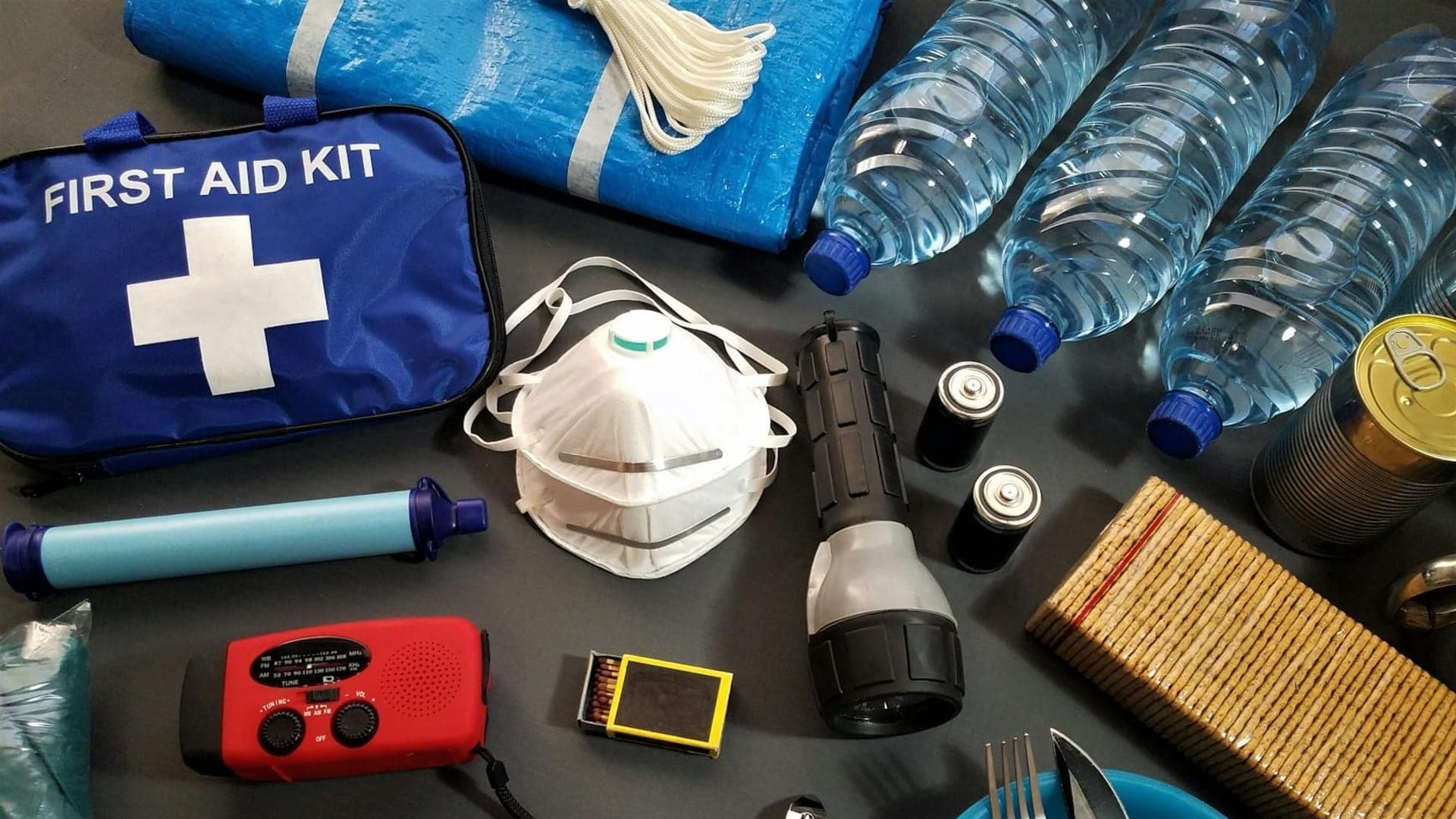
The right gear makes your job much easier when ensuring wildlife safety at the campsite. As a beginner camper, you should make room for the following equipment in your backpack:
Despite all precautions, you might encounter surprises in nature. If you come across a wild boar, fox, or bear while walking on a trail or at the edge of your campsite, the first and most important thing you must do is: Do not panic and absolutely do not run! The hunting instincts of predators in nature are based on chasing a fleeing creature. If you run, you become prey.
If the animal hasn't noticed you yet, back away silently and slowly in the direction you came from. If it has noticed you, stand your ground. Make eye contact, but don't stare aggressively to challenge it. Make yourself look bigger by spreading your arms or holding the edges of your jacket. Speak in a calm, deep, and firm tone (It doesn't matter what you say; you can use phrases like, 'Hey buddy, I'm here, I won't hurt you'). Never make sudden movements, and slowly back away from the area without turning your back. Most wild animals are not interested in you and just want to go on their way.
Nature can seem intimidating when entered unconsciously; but when you understand its language and respect its rules, it is the most compassionate and peaceful home in the world. Ensuring wildlife safety at the campsite is not actually a horror scenario, but a part of the respect for nature and camping culture. When you take the necessary odor precautions, position your tent correctly, and keep your surroundings clean, you can sleep soundly knowing that those rustling sounds you hear at night are just leaves swaying in the wind or a harmless owl out for a night hunt. Now, pack that backpack you've been putting off, place your food in secure bags, and take your first step to experience the unique peace that nature will offer you; the forest is waiting for you with all its beauties and inhabitants!
Related guides and stories from the outdoor world
Essential fire building and extinguishing rules you need to know to protect yourself and nature while camping.

A fundamental first aid and emergency response guide for beginner campers facing wilderness emergencies.
Lifesaving first aid techniques to help you camp safely on the challenging trails of Southeastern Anatolia.

The most fundamental and vital first aid steps for beginner campers to handle potential accidents in the wild.