
28 Nis 2026
Wilderness Fire Safety: A Beginner's Guide
Essential fire building and extinguishing rules you need to know to protect yourself and nature while camping.
7 min read
11 views
Kampçı Editör Ekibi
Outdoor Writer @ Kampçı

For camping beginners, safety should be the top priority right after a tent and sleeping bag, yet it is often left for last. While planning the lakeside spot to pitch our tent or the meal we'll cook over the evening fire, we rarely want to think about potential accident scenarios. However, at a campsite miles away from the nearest healthcare facility, even a simple knife cut or a sprained ankle can lead to serious consequences if not managed correctly. This is exactly where a comprehensive wilderness first aid guide comes into play. According to official studies conducted in Turkey in 2023, 68% of minor accidents in outdoor sports were resolved without needing a hospital visit, thanks to proper first aid interventions. Being equipped with the right knowledge and gear ensures not only your safety but also the safety of your camping companions.
In city life, when you cut your finger, you can access clean water, soap, and a bandage in seconds. If the bleeding doesn't stop, you can reach an emergency room within 10 minutes. However, when camping deep in the Taurus Mountains or Mount Ida, the situation is entirely different. The non-sterile environment of the outdoors—dirt, dust, and moisture—causes even the smallest scratches to get infected rapidly. It can take hours, or sometimes even days, for professional medical help to reach you. Therefore, the primary goal of wilderness first aid is not to cure, but to stabilize the situation, stop bleeding, prevent infection, and keep the injured person safe until professional help arrives or they can be transported to a hospital.
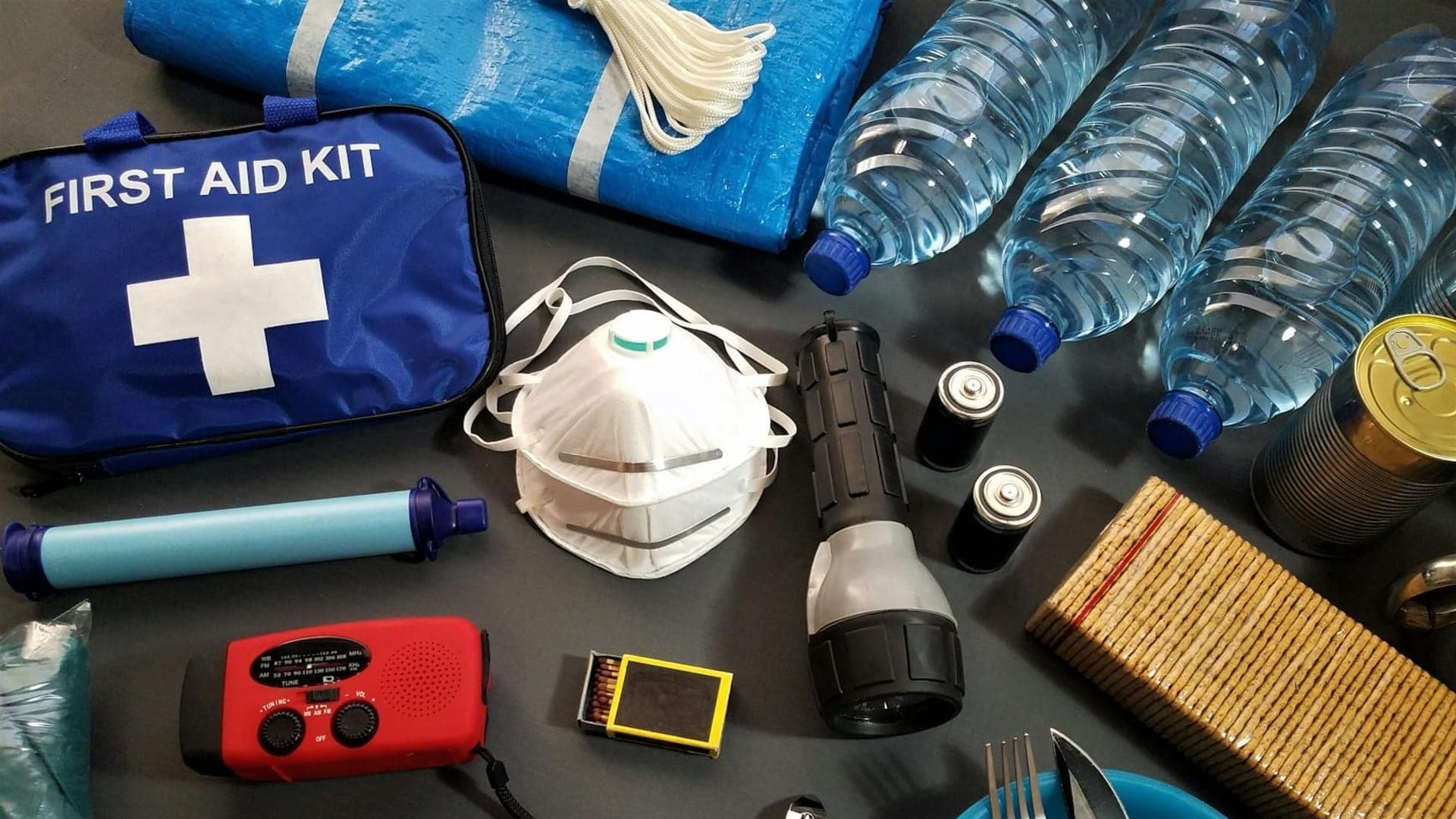
Store-bought, pre-packaged first aid kits are usually designed for cars and are inadequate for camping conditions. You need to build your own kit. Especially if you are planning to camp along the Black Sea or Aegean coasts in the 2025 season, you must consider the high humidity and store all your supplies in waterproof ziplock bags. A basic camping first aid kit should include the following:
Cuts sustained while whittling wood with a knife or prepping food in the camp kitchen are the most common accidents. The first step for a cut is always direct pressure. Apply firm, continuous pressure over the wound with a clean gauze pad or piece of cloth for at least 5-10 minutes. If blood soaks through, do not remove the pad; simply add a new one on top and continue applying pressure. Once the bleeding stops, wash the wound with clean water (preferably drinking water or saline solution). Do not pour iodine solutions directly into an open wound, as this damages living tissue and delays healing. Only disinfect the area around the wound and cover it with a sterile dressing.
Carelessness around the campfire or spending all day exposed to the sun can lead to burns. The fundamental rule in treating a burn is to cool the area quickly. Hold the burned area under cool running water for at least 15-20 minutes. Cool running water is much safer and more effective than ice, because direct contact with ice can freeze the burn tissue, causing cell death (frostbite). After cooling, apply burn cream to the area and cover it loosely with a sterile pad. Never pop blisters; they act as the body's natural barrier against infection.
Ankle sprains are very common when hiking on uneven terrain. For sprains, you should apply the internationally recognized RICE (Rest, Ice, Compression, Elevation) method. Rest the injured person immediately. Apply cold to the area (Ice - if you don't have ice, you can use a cloth soaked in cold stream water). Wrap the ankle with an elastic bandage, being careful not to make it too tight (Compression), and elevate the foot above heart level to reduce swelling (Elevation). Do not let the person walk; putting weight on it will worsen torn ligaments.
Bee stings, spider bites, or tick attachments are common occurrences at campsites. In the event of a tick bite, never pull the tick out with your bare hands, and do not pour cologne or oil on it. Using fine-point tweezers, grasp the tick by its head as close to the skin as possible, and pull upward with slow, steady pressure. Wash the area with soapy water and disinfect it. For snakebites, preventing panic is the most crucial step. Keep the injured person still and lying down to prevent the venom from spreading quickly through the bloodstream. Keep the bitten area slightly below heart level and immediately call emergency services to request a medical evacuation.
In the wilderness, the wrong intervention is more dangerous than no intervention at all. Here are the most common mistakes and the correct ways to handle them:
Calling for help in an emergency is just as important as the first aid intervention itself. If you have cell service, stay calm when calling emergency services; clearly state your exact location first, followed by the number of injured people and their conditions. When there is no cell service, knowing international emergency signals saves lives. Three short blasts on a whistle in a row is the international call for help. According to AFAD data, nature enthusiasts who carry a standard camping whistle are found by search and rescue teams 40% faster in the event of getting lost or having an accident. You can also signal your location to helicopters or teams at higher elevations by reflecting the sun with a mirror or a shiny surface.
The three most critical items in a camping first aid kit are sterile gauze/bandages to stop bleeding, antiseptic solution to prevent infection, and fine-point tweezers for multi-purpose use.
Never try to remove the tick with your bare hands or by ripping it off. Grab it by the head with fine-point tweezers and pull it up slowly, then clean the area with soapy water and antiseptic, and monitor the situation.
You should use international emergency signals. Blowing a whistle 3 times in a row, flashing an SOS signal with a flashlight 3 times (3 short, 3 long, 3 short), or reflecting the sun with a mirror during the day are the most effective methods.
Absolutely not. Trying to walk on a sprained ankle can cause the ligaments to tear completely. Apply cold to the area, stabilize it with a bandage, and wait for help while keeping your foot elevated.
No, applying ice directly to burns freezes the tissue, causing frostbite and making healing more difficult. Instead, the best method is to hold the area under cool running water for 15-20 minutes.
Spending time in the heart of nature is the best way to escape the stress of city life. However, this freedom requires taking responsibility for your own safety. The basic rules you've learned in this wilderness first aid guide should guide you not only during an accident but also during the preparation phase before heading out to camp. Remember, a good camper is not someone who fights nature, but someone who adapts to its conditions and is prepared for any situation. Pack your first aid kit thoroughly, share this information with your camping companions, and enjoy nature safely. Being prepared reduces fear and enhances the joy of the adventure.
Related guides and stories from the outdoor world
Essential fire building and extinguishing rules you need to know to protect yourself and nature while camping.

A fundamental first aid and emergency response guide for beginner campers facing wilderness emergencies.
Lifesaving first aid techniques to help you camp safely on the challenging trails of Southeastern Anatolia.

The most fundamental and vital first aid steps for beginner campers to handle potential accidents in the wild.