Summary: A comprehensive wilderness first aid guide is vital for beginner campers, especially given the high temperatures and rocky terrains of the
Aegean Region. This guide covers medically sound response techniques for heatstroke, insect bites, and physical injuries, as well as how to pack a camping first aid kit. Acknowledging that the rapid emergency response times of the city do not apply in the wild is the first step to a safe camping experience.
Wilderness First Aid Guide: Essential Awareness for Beginners
Escaping the chaos of city life to pitch a tent among the olive trees or in a secluded cove of the Aegean is a dream for many. However, this geography, stretching from the windy capes of Datça to the deep valleys of the Ida Mountains (Kazdağları), harbors its own set of risks. This is exactly where a solid wilderness first aid guide comes into play. If you are a beginner camper, you must understand that health issues encountered in the wild require a completely different approach than those in the city.
While an ambulance might take mere minutes to arrive after an accident in the city, this can take hours in a forested area. In Turkey, the average response time for professional medical teams to reach emergency situations in forested campgrounds ranges from 45 to 90 minutes. During this time, stabilizing the patient, stopping bleeding, or slowing down a venomous reaction depends entirely on your knowledge and the equipment at hand.
What You Will Learn in This Article
- The intricacies of preparing a first aid kit specifically for Aegean campgrounds
- Immediate response methods for heatstroke and dehydration symptoms
- What to do in case of contact with venomous insects, scorpions, and jellyfish
- Proper dressing steps for sprains and cuts commonly encountered in the wild
- Fatal mistakes made during first aid and the correct procedures
Step-by-Step First Aid Practices in Aegean Region Campgrounds
The Aegean Region is characterized by summer temperatures exceeding 40 degrees Celsius, dry maquis vegetation, and a rocky coastline. This geographical structure exposes campers to specific health risks. Below, you will find step-by-step response methods for the most frequently encountered scenarios.
Heatstroke and Severe Fluid Loss (Dehydration)
Especially when camping in areas like Foça, Çeşme, or Akyaka during July and August, your biggest enemy is the sun. Heatstroke, which occurs when the body temperature rises above 40 degrees Celsius, is a condition that requires emergency medical intervention.
- Recognizing the Symptoms: Excessive sweating (or a sudden cessation of sweating), dizziness, nausea, rapid pulse, and confusion are clear indicators of heatstroke.
- Response Steps: Immediately move the patient to a shaded and breezy area. Loosen any thick or tight clothing.
- Cooling Process: Apply wet cloths or cold water to the neck, armpits, and groin areas. Gradually lowering the body temperature is crucial.
- Fluid Replenishment: If conscious, have them sip water. Ideally, add a pinch of salt and sugar to the water to restore electrolyte balance.
Insect, Bee, and Scorpion Stings
Scorpions, centipedes, and wasps are frequently found in the dry grassy areas and under stones in the Aegean. The risk of contact with these creatures increases, especially when getting up for the toilet at night or gathering firewood.
- Bee Stings: If the stinger remains in the skin, scrape it out with a hard object like a credit card without squeezing the venom sac. Apply a cold compress to the area. If there are signs of an allergic reaction (anaphylaxis) such as shortness of breath or facial swelling, call for medical help immediately and assist the patient in using their epinephrine auto-injector (EpiPen) if they have one.
- Scorpion Stings: Immobilize the stung area and keep it below heart level. Absolutely do not make cuts or attempt to suck out the venom. Simply apply cold to slow the spread of the venom and head towards the nearest healthcare facility.
Marine Life Contact (Sea Urchins and Jellyfish)
Stepping on sea urchins and encountering jellyfish are very common in the rocky coves of the Aegean.
- Jellyfish: NEVER wash the affected area with fresh water (fresh water causes the venom cells to burst). Rinse the area with seawater. If available, pour vinegar to neutralize the nematocysts (venom cells). Remove any remaining tentacles with tweezers.
- Sea Urchins: Gently pull out the spines with tweezers without forcing them. For broken pieces left inside, soak the area in hot water (as hot as you can tolerate) for 20-30 minutes. The heat both reduces pain and breaks down the venom. Then, remove the surface spines with a sterile needle and apply an antiseptic.
5 Life-Saving Practical Tips for Beginners in Tent Life
Beyond theoretical knowledge, practical solutions you can apply in the field directly impact your camping comfort and safety.
- Use Proper Pressure Techniques: When treating a bleeding wound, applying direct pressure is much safer than using a tourniquet, as an improperly applied tourniquet can lead to tissue death (gangrene). Apply firm and continuous pressure to the wound with a clean cloth.
- Learn Location Sharing Technologies: Not being able to provide your exact location when calling emergency services is a major problem. Download apps like What3Words or GPS coordinate readers to your phone before heading to camp, and save offline maps.
- Natural Cold Compress Sources: If you don't have ice, you can use stream water or wet a t-shirt and hang it in the wind to create a cold cloth through evaporation for use as a compress.
- Don't Hide Your Personal Allergy Profile: It is essential that your camping companions know about your chronic illnesses and allergies. Keep your blood type and allergy information written down in a visible pocket of your backpack.
- Water Purification Basics: Consuming contaminated water is the number one cause of fluid loss due to severe diarrhea and vomiting in the wild. Boiling is the most reliable sterilization method. Boiling water at a rolling boil for at least 3 minutes destroys all pathogens.
Critical First Aid Mistakes Made by Beginner Campers
Interventions based on hearsay in the wild can cause more harm than the injury itself. Here are common mistakes you should absolutely avoid:
- Pouring Cologne or Alcohol on an Open Wound: This burns the tissues and delays healing. Open wounds should only be washed with clean drinking water or saline solution, and then antiseptics like povidone-iodine should be applied around the wound, not inside it.
- Sucking or Cutting a Snakebite: This myth from Hollywood movies causes the venom to pass to you through the capillaries in your mouth and leads to severe infections in the wound area. Immobilizing the bitten limb and keeping the patient calm is the most appropriate approach.
- Burning a Tick or Pouring Oil on It: When stressed, a tick will regurgitate its toxic stomach secretions (which may carry the Crimean-Congo Hemorrhagic Fever virus) directly into your bloodstream. A tick should be removed by grasping it as close to the skin as possible with fine-tipped tweezers and pulling it out slowly at a straight angle.
Camp Safety and Communication Strategies in Aegean Forests
The foundation of a safe camp is communication. Finding a phone signal can be difficult in the mountainous inland areas of the Aegean (for example, the foothills of Mount Spil). According to research, 68% of getting lost or emergency cases in the wild occur during short walks just 2-3 kilometers away from the campsite. Therefore, always inform someone about where you are going and your estimated time of return when leaving the campsite. Keeping a whistle in your backpack is the most effective way to make your voice heard for miles without getting tired. The international emergency whistle signal is three short, loud blasts in a row.
3 Vital Rules You Must Know Before Going Camping
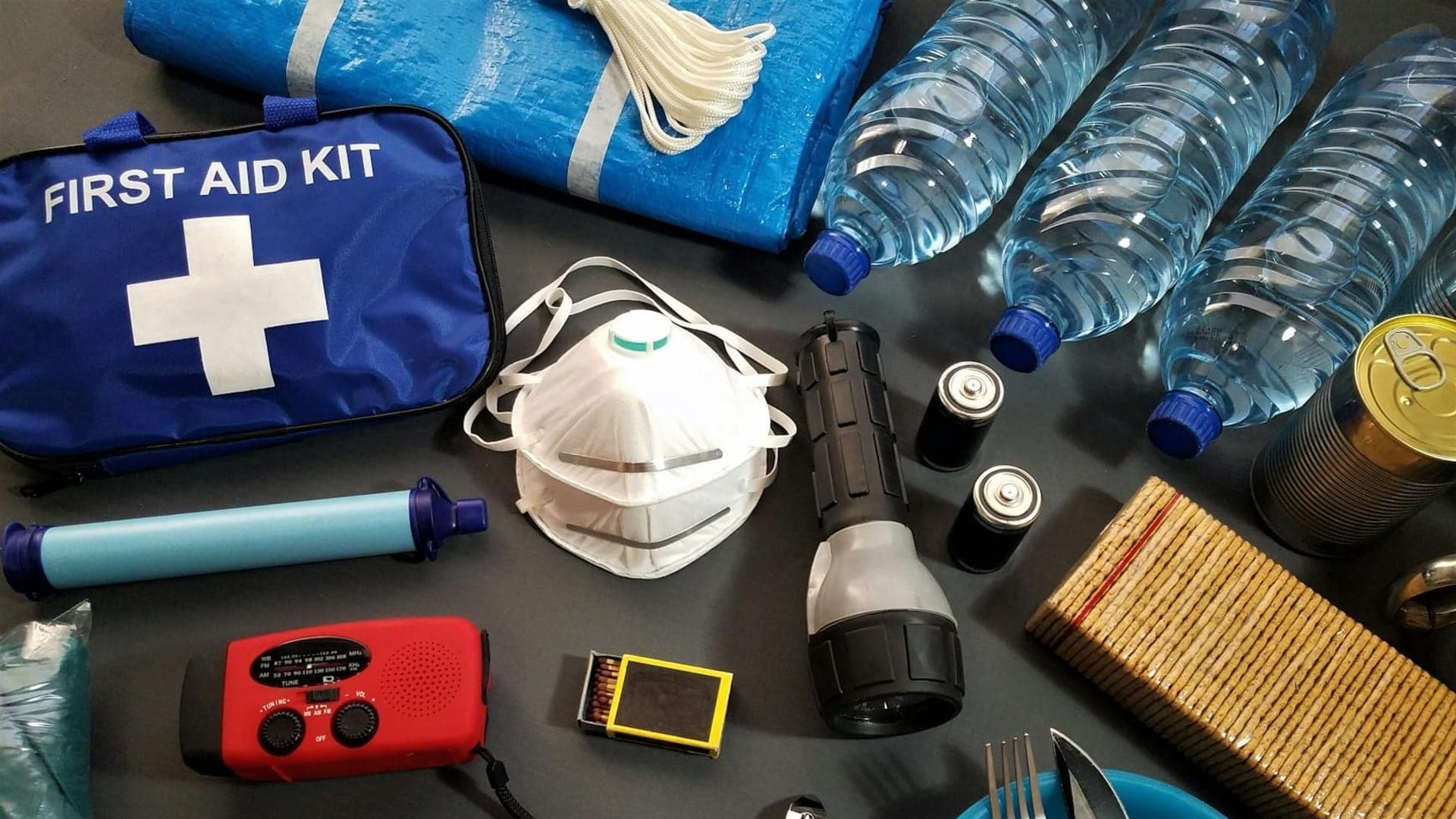
- Your Kit is Your Responsibility: The "my friend has it" mentality doesn't work in the wild. Prepare a personal kit containing sterile gauze, elastic bandages, band-aids, antiseptic solution, tweezers, burn cream, and painkillers.
- Panic Accelerates Blood Flow: In any injury or sting situation, keeping the patient's heart rate slow is essential. A panicking patient's blood circulation speeds up, and venom spreads through the body faster. The primary duty of a first aider is to maintain calm.
- Prevention is Cheaper Than Cure: The golden rule of wilderness first aid is never needing it in the first place. Wearing thick-soled boots, keeping the tent zipper closed at all times, and avoiding exertion during peak sun hours minimize risks.
Frequently Asked Questions
What must absolutely be in a first aid kit when camping in the wild?
A basic camping first aid kit must include sterile gauze, elastic bandages, antiseptic solution, various band-aids, fine-tipped tweezers, burn cream, painkillers, and personal allergy medications. Electrolyte powders should also be added for hot regions like the Aegean.
What is good for a bee sting at the campsite?
For a bee sting, first, if the stinger is in the skin, it should be scraped out using a card. Then, applying a cold compress to the area reduces pain and swelling. If the person has allergic symptoms like shortness of breath, medical help must be sought urgently.
What should be done first at camp in case of heatstroke?
If heatstroke is suspected, the patient should immediately be moved to a shaded and cool area, and excess clothing should be removed. Body temperature should be lowered by applying cold wet cloths to the neck and armpits, and if conscious, water should be given slowly.
Can I remove a tick myself at camp if it attaches?
Yes, in the first moments a tick attaches to the skin, it can be removed by grasping it firmly with fine-tipped tweezers as close to the skin as possible and pulling it slowly at a straight angle without twisting it side to side. Pouring chemicals on it or burning it must be strictly avoided.
How do you dress cuts and bleeding in the wild?
An open wound is first washed with clean drinking water to remove dirt and soil. Alcohol or cologne is never poured directly on it. After cleaning, bleeding is stopped by applying direct and continuous pressure to the wound with sterile gauze, and then it is bandaged.
Conclusion: Head into Nature Prepared, Return Safely
This basic information, serving as a wilderness first aid guide, will not turn you into a healthcare professional, but it will allow you to manage that critical time until professional help arrives in the safest way possible. When camping in the magnificent coves or pine forests of the Aegean, we must respect the rules of nature and be prepared. Make it a routine to check your medical equipment when packing your bag. Remember, the right knowledge saves lives; a prepared mind allows you to enjoy nature without worry. We wish you healthy, safe, and discovery-filled camps.