
12 Mar 2026
Pedal to the Heart of Nature: A Guide to Cycling While Camping
A comprehensive guide to routes, gear, and safety for campers looking to explore nature on a bike after pitching their tent.
5 min read
11 views
Kampçı Editör Ekibi
Outdoor Writer @ Kampçı
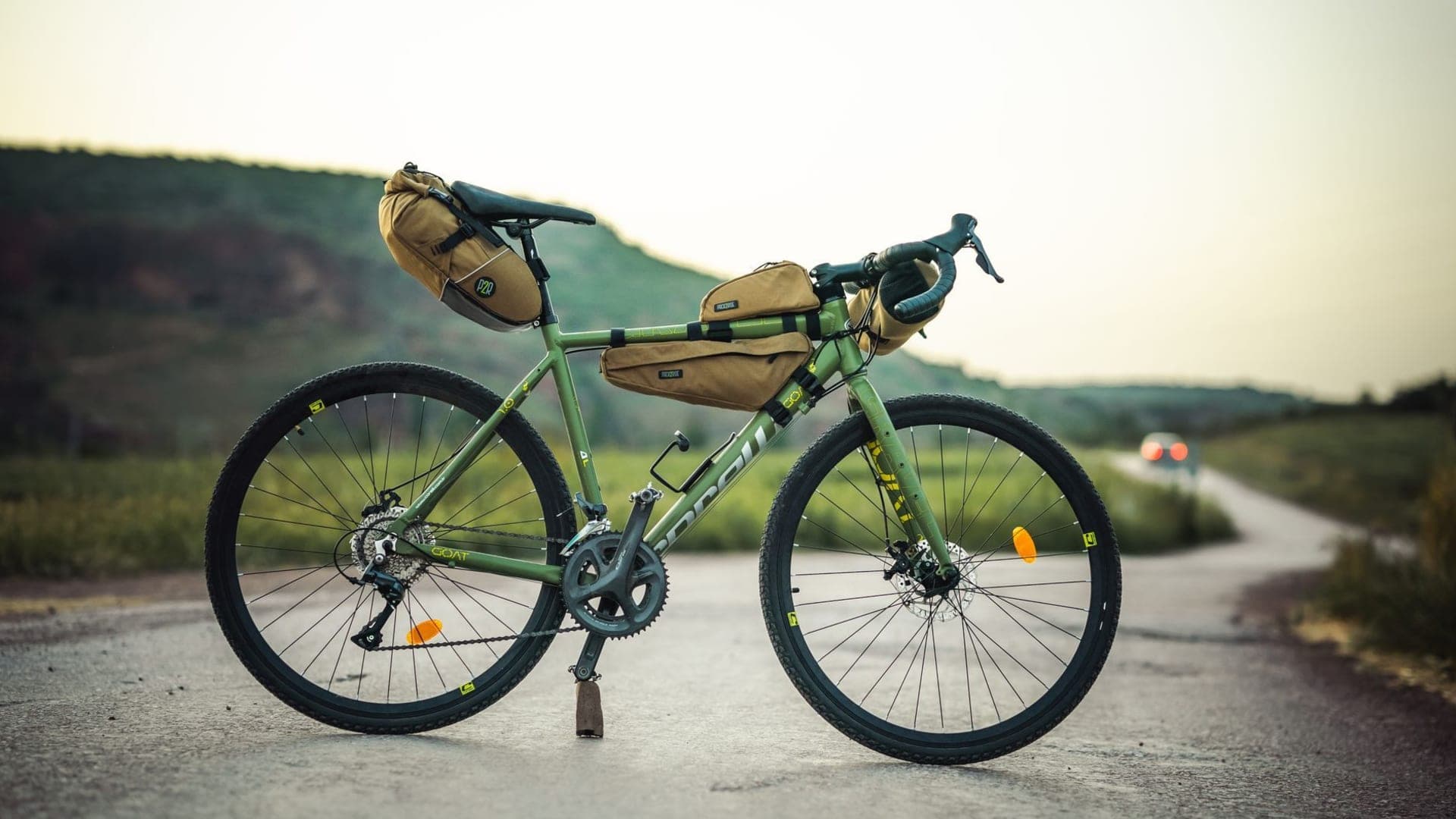
Bicycle camping is the purest way to keep up with the rhythm of nature using your own muscle power. If you've left behind beginner-level short coastal rides and flat-ground camping experiences, it's time to push your limits. For an intermediate bicycle camper, the focus isn't just about reaching a destination; it's about enjoying the route by properly managing the triangle of elevation, wind, terrain, and weight. Turkey's best bicycle camping routes offer extraordinary topographical diversity specifically to test and develop these technical skills.
The transition from beginner to intermediate level is measured more by planning and optimization skills than physical conditioning. Riding 50 kilometers a day on flat asphalt and climbing 30 kilometers on a gravel mountain road with a loaded bike are entirely different disciplines. At this point, you need to know the limits of your equipment and your own biorhythm.
According to field analyses, 65% of intermediate bicycle campers experience significant loss of balance, especially on gravel descents and sharp turns, due to incorrectly positioning the center of gravity in their bags. This loss of balance not only poses a safety risk but also unnecessarily fatigues the rider's upper body muscles, reducing their daily range.
Compared to traditional rear pannier systems, new generation bikepacking bags centralize the weight along the bike's core axis (frame, saddle, and handlebar). Thanks to their aerodynamic structure, this creates 15% less drag in headwinds and increases the bike's maneuverability on off-road terrains. In Turkey's rugged geography, this aerodynamic and balance advantage is crucial.
Located in the Marmara Region, the Kapıdağ Peninsula is a loop route of approximately 95 kilometers. Although it looks short on the map, it is a true intermediate testing ground with its constant up-and-down sawtooth elevation profile and occasionally degraded asphalt/dirt roads. Starting from Erdek and proceeding clockwise, the steep climbs between the villages of İlhanlar and Turhanlar will push your gear ratios to the limit. The waterfall area around Ormanlı village or the Şahinburgaz coast are ideal spots for stealth camping. Since market access is limited on this route, you should set off with at least two meals' worth of food and a minimum water carrying capacity of 3 liters.
Stretching across the southwest of the Aegean, this route has a dynamic structure that starts at sea level, climbs to the foothills of the Kıran Mountains, and then descends back to the beaches. This approximately 130-kilometer line stretching from Akyaka to Datça via Akbük and Ören is perfect for a two or three-day camping plan. However, the biggest challenge of this route is not the elevation, but the strong thermal winds that start in the afternoons. You must calculate the wind direction when pitching your tent and carry steel or durable aluminum pegs to secure them into the hard soil of the Aegean.
If you are riding a Gravel or touring-focused Mountain Bike (MTB), the Yenice Forests within the borders of Karabük are waiting for you. This network, consisting of old forestry roads, passes through one of Turkey's largest block forests. On routes that start from Şeker Canyon and enter deep valleys, phone signals can be lost all day. The ground is generally damp, clayey, and covered with leaf litter; therefore, you need to lower your tire pressure (PSI) to increase traction. When camping in Yenice, it is mandatory to store your food at least 50 meters away from your tent and hang it on a tree to protect against wildlife activity (especially bears and wild boars).
When you transition to the intermediate level, how you load and use your gear on the bike becomes more important than what you bring. Here are the technical details that save lives in the field:
As you gain experience, some habits can turn into misconceptions. Here are the mistakes you need to correct:
80% of technical failures experienced during long-distance bicycle tours across Turkey stem from neglecting basic chain, derailleur, and brake maintenance before the trip. A snapped chain in the middle of nature, 40 kilometers away from the nearest bike shop, can completely ruin your camping plans. Always carry a chain breaker tool, spare chain pins (or a quick link), inner tubes, a patch kit, an Allen key set, and a fiber emergency spoke.
Another crucial safety factor on Turkey's rural routes is shepherd dogs. Especially Kangal or Akbaş breeds may react to passing cyclists out of their instinct to protect their flocks. When you encounter a dog, do not panic and speed up. Stop, use your bike as a shield between yourself and the dog, and slowly walk away from the area without making eye contact. Most of the time, they will stop following you the moment you leave their territory.
Climbing a hill by applying power with a low cadence (pedal revolutions per minute) on a heavy bike causes serious damage to the cartilage in your knees. Downshift and keep your cadence in the 70-85 RPM range to keep your heart rate under control. A high heart rate accelerates lactic acid buildup, turning your next day's ride into a nightmare.
You constantly burn calories on a bike. Drink water before you get thirsty, eat before you get hungry. The feeling of "hitting the wall" (bonking), experienced when your body's glycogen stores are completely depleted, comes with sudden energy loss and trembling. Always keep nuts, fruit bars (like cezerye), or electrolyte tablets in your handlebar bag and consume small snacks every 45 minutes.
The bicycle is the most eco-friendly mode of transportation. Maintain this philosophy in the area where you camp. Wash your dishes by carrying water away, not directly inside water sources. Restore the leaves or stones on the ground where you pitched your tent to their original state when you leave in the morning. Opt for lightweight camp stoves (gas or alcohol) instead of building a fire.
Considering Turkey's geographical structure, the most ideal periods to avoid extreme heat and harsh winter conditions are Spring (April-May) and Autumn (September-October). During these months, water sources are more abundant, and fluid loss during the ride remains at a minimum.
This depends entirely on the topography of the route. While 70-90 km can easily be covered on flat and asphalt roads, 40-50 km a day on rough forest roads with over 1,000 meters of climbing is a highly successful and exhausting goal.
Volume and weight are very critical on a bike. Freestanding dome-type tents under 2 kilograms, with a packed pole length not exceeding 40 cm, can be easily integrated into panniers or handlebar bags.
Food odors attract wild animals. Cook and eat your meals at least 50 meters away from your tent. Place your food supplies in odor-proof drybags and hang them on a tree branch, and absolutely do not keep food or scented cosmetics inside your tent.
In this case, "Stealth Camping" rules come into play. You can spend a safe night by entering a flat forested area at sunset that is invisible from main roads and trails, not on private property, and outside agricultural lands, and leaving quietly with the first light of morning.
Intermediate bicycle camping is more of a mental chess game than a physical activity. You are in a constant dialogue with the direction of the wind, the steepness of the gradient, and your own endurance. Turkey's magnificent trails, stretching from Kapıdağ to Yenice, are waiting for you to sharpen these skills. Optimize your equipment correctly, analyze your route with elevation charts, and enjoy the profound silence nature offers with every pedal stroke. If you have completed your preparations, lube your chain and map your route; the road is calling you.
Related guides and stories from the outdoor world
A comprehensive guide to routes, gear, and safety for campers looking to explore nature on a bike after pitching their tent.

A comprehensive trail running guide that will take your camping experience to the next level and let you run free on breathtaking trails.

Ways to balance lightweight travel and camp comfort while pedaling long distances.

A comprehensive bikepacking guide packed with gear, safety, and route tips for intermediate campers looking to pedal into the heart of nature.