Summary: Beginners looking for quiet and hidden camping spots can find safe, isolated areas just a few kilometers away from popular routes. This guide covers the basic rules of crowd-free camping in Turkey, methods for discovering hidden trails, and the essential safety steps for your first wilderness camping experience.
When you step into nature to escape the noise and stress of the city, being greeted by loud music from a neighboring tent is one of the biggest disappointments a camper can face. Especially for those new to the outdoors, there is a fine line between finding a safe space and isolating yourself from the crowds. Many novice campers flock to overcrowded popular facilities simply out of safety concerns. However, with proper planning and a little map-reading skill, finding quiet and hidden camping spots is not as difficult or dangerous as it seems.
What You Will Learn in This Article
- Strategies for finding safe yet isolated spots near popular campgrounds
- Essential safety and logistical preparations for a quiet camp
- Common mistakes made when camping in isolated areas and practical solutions
- Critical rules to keep in mind when staying in nature alone or with a small group
Why Are Quiet and Hidden Camping Spots Important?
At the heart of camping lies the desire to be alone with nature and experience a mental reset. While commercial and popular campgrounds are suitable for those seeking a social environment, a true nature experience requires silence. According to a 2024 sectoral analysis in Turkey, human-caused noise pollution decreases by 85% when you step just 3 kilometers outside the radius of commercial campgrounds. This not only allows for mental relaxation but also helps you notice the sounds of birds, the rustling of the wind through the trees, and the natural rhythm of wildlife around you.
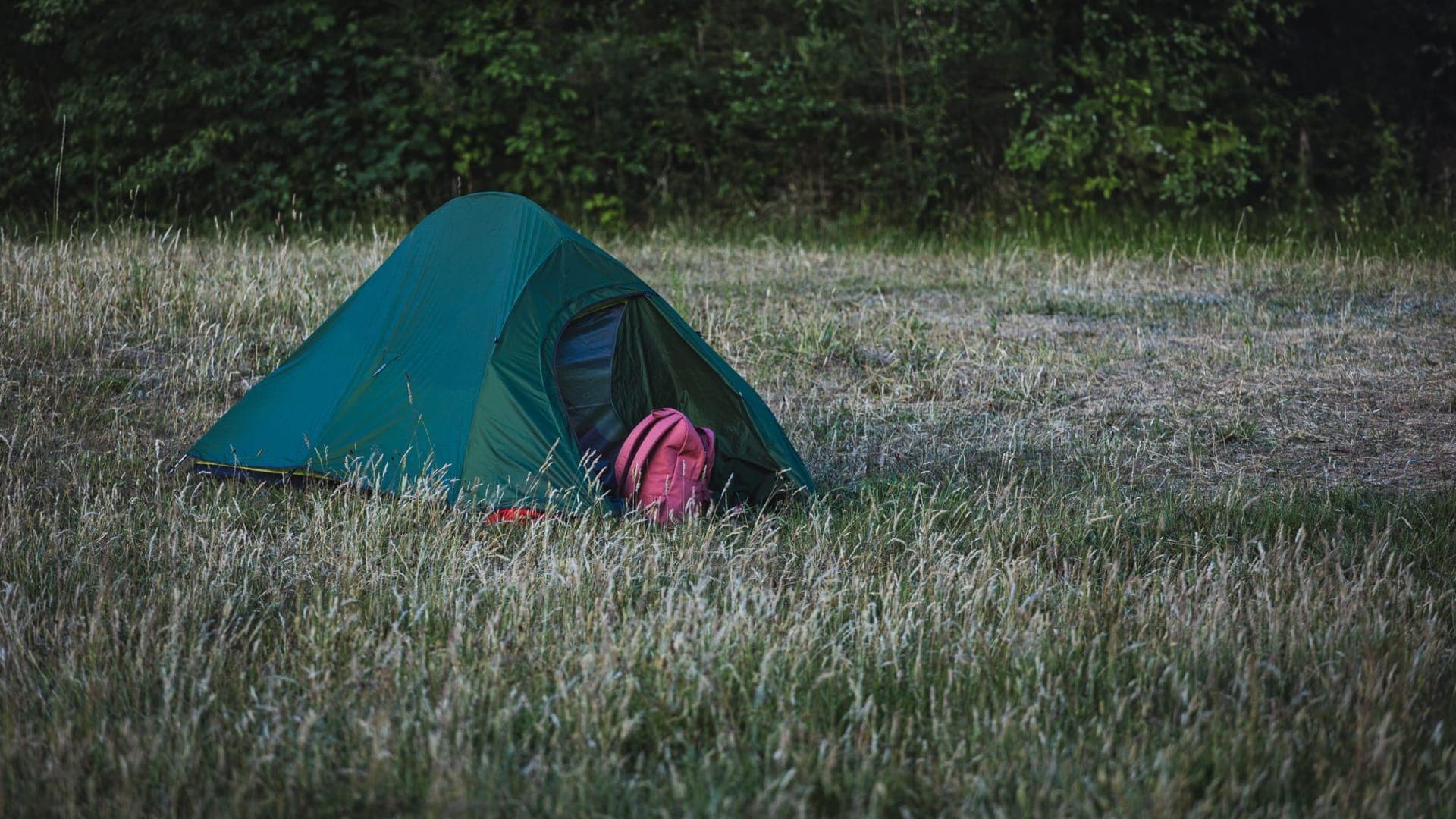
If you are a beginner, you don't need to venture deep into a completely desolate forest. The goal is to find "buffer zones" where you can step out of the crowd's line of sight just by deviating slightly from the main roads. This way, you can quickly reach civilization in case of an emergency while still achieving the absolute silence you seek.
Step-by-Step Hidden Campsite Discovery
Finding a quiet route is not something to be left to chance. By using the right tools, you can pinpoint your own hidden spot:
- Use Satellite Maps: On apps like Google Earth or Gaia GPS, center your search around popular campgrounds (for example, Bolu Yedigöller or the main camping areas of Mount Ida). Follow the forest roads (usually thin, earth-colored lines) within a 2-5 km radius of this center. Mark flat areas that are close to water sources but hidden from the main road.
- Research Local Forest Roads: Fire roads and logging trails opened by forestry directorates in Turkey often lead to perfect, secluded camping flats. The secondary roads of the Karabük Yenice Forests or the high-altitude trails of the Kocaeli Yuvacık Dam are rich in this regard.
- Do Micro-Explorations: Don't go to an isolated spot for the first time with the intention of staying overnight right away. First, explore the area with a day hike to test the terrain and cellular reception.
5 Practical Tips for a Peaceful Nature Experience
Once you find a hidden spot, you need to pay attention to some practical details to ensure a smooth experience.
- Get the Timing Right: On weekends, even the most isolated places can be visited by local hikers. If possible, plan your camp for weekdays, from Sunday evening to Thursday.
- The Distance to Water Rule: In quiet places, water sources are also frequented by wildlife. Pitch your tent at least 60-70 meters away from the water source, not right next to it. This protects you from morning dew and ensures you don't block the animals' path to water.
- Maintain Light Discipline: When camping in a hidden spot, building massive campfires or using very powerful floodlights is unnecessary. Opt for low-lumen, red-light headlamps to avoid disrupting nature's rhythm and attracting insects.
- Pay Attention to Ground Selection: The ground in quiet areas is usually unmaintained. Clear away pinecones, sharp rocks, and dry branches before pitching your tent. Using a tent footprint is mandatory to protect the tent floor in isolated areas.
- Be Prepared for a Lack of Facilities: Always carry a portable camping shovel with you. To relieve yourself, you should walk at least 50 meters away from the tent area and water sources, dig a hole 15-20 cm deep, and cover it up when you're done.
Common Mistakes Made When Getting Away from the Crowds
Beginners often make planning mistakes in their quest for a quiet camp. Foremost among these is an overreliance on technology.
Mistake 1: Failing to Anticipate Signal Loss. 40% of novice campers experience navigation issues during their first isolated camping trip because they fail to anticipate losing cellular reception.
Solution: Always download offline maps of the area via Maps.me or Google Maps to your phone before heading out.
Mistake 2: Going Too Deep. Creating a risk of getting lost by straying too far from the vehicle or hiking trail in an attempt to escape the crowds.
Solution: Going just 100-200 meters into the forest road relative to commercial facilities or main roads is usually enough to provide visual and auditory isolation. Don't step completely outside your safety circle.
Mistake 3: Miscalculating Water Consumption. In places without facilities, when the water runs out, the camp is over.
Solution: Bring at least 4 liters of water per person per day, accounting for drinking, cooking, and cleaning.
Safety Precautions on Hidden Routes
An isolated camping experience means the responsibility is entirely yours. Make sure to share your location with a trusted friend or family member. Establish a clear communication plan, such as, "I will be at these coordinates; if you don't hear from me by 3:00 PM on Sunday, notify the authorities."
Your first aid kit should contain more than just band-aids; it should include tweezers for removing splinters, burn cream, elastic bandages for sprains, and allergy medications. Additionally, park your vehicle facing the exit route so you can leave immediately in case of an emergency.
3 Critical Rules You Need to Know About Isolated Camps
- Leave No Trace Principle: Keeping quiet and hidden places that way depends on you. Never leave your trash (including organic waste) in nature. If you are going to build a fire, prefer previously used fire rings or use a firebox.
- Food Storage Protocol: In desolate areas, the smell of food attracts wildlife. Store your food in airtight containers and, if possible, in the trunk of your vehicle (if you are car camping), rather than inside your tent.
- Preparation for Microclimate Effects: Valleys and riverbanks cool down much faster after sunset compared to surrounding hills. Quiet spots are often located in these low-lying areas. Ensure that your sleeping bag's comfort rating is suitable for temperatures 5 degrees colder than the lowest expected temperature.
Frequently Asked Questions
Are quiet and hidden camping spots safe?
Yes, they are extremely safe as long as you take basic safety precautions, inform your loved ones of your location, and follow wildlife rules. For beginners, simply stepping out of the line of sight without straying too far from the main road or settlements provides enough isolation.
How do you camp in places without toilets and showers?
For bathroom needs in isolated areas, dig a 15-20 cm deep hole with a portable camping shovel and cover it up afterward. For personal hygiene, use biodegradable wet wipes or camp showers that operate with a small amount of water.
How do I protect myself from wildlife?
The most effective method is keeping the campsite clean. Not leaving trash and food out in the open, washing dishes immediately, and not eating inside the tent will prevent wildlife from approaching your area 99% of the time.
How do you choose a hidden campsite for beginners?
Using satellite maps, you should select flat areas near forest roads that are no more than 3-4 kilometers away from a main road or village. Spots that are easy to access, where you can keep your vehicle nearby but are off the popular routes, are ideal for beginners.
What should I do if there is no cell reception at an isolated campsite?
Before heading to camp, you should download offline maps and share your itinerary with your loved ones. Remember that in emergencies, you can walk away from the campsite and climb a high hill to search for a signal.
Take Your First Step into the Silence of Nature
Finding quiet and hidden camping spots is one of the most enriching steps you will take in your camping adventure. When you step out of the comfort zone offered by facilities and set up your own system, your connection with nature will be much more authentic and deep. Start examining maps, simplify your backpack, and begin preparations for your first isolated camp. Remember, the best campsite is the one where you leave nothing but footprints behind when you depart. We wish you safe, peaceful, and discovery-filled camps.