
28 Nis 2026
Wilderness Fire Safety: A Beginner's Guide
Essential fire building and extinguishing rules you need to know to protect yourself and nature while camping.
7 min read
11 views
Kampçı Editör Ekibi
Outdoor Writer @ Kampçı
Escaping the noise of the city and immersing yourself in nature is a refreshing experience, especially for those just stepping into the world of camping. However, when you pitch your tent in the dense forests of Kazdağları or along the cool trails of Yedigöller, you are often miles—sometimes hours—away from the nearest hospital. This is exactly where a wilderness first aid guide comes into play. A minor scratch from a branch, a scrape while chopping wood, or accidentally touching a hot camp stove are all very common occurrences while camping. In such scenarios, having the right knowledge and keeping a cool head prevents a minor mishap from ruining your trip.
One of the biggest mistakes made when going camping is bringing along a standard car first aid kit. The dynamics of nature are different. According to AFAD data and search and rescue statistics, 68% of accidents in outdoor sports become severe due to a lack of basic first aid knowledge and inadequate medical equipment. A camper's first aid kit must be durable against outdoor conditions and customized to personal needs.
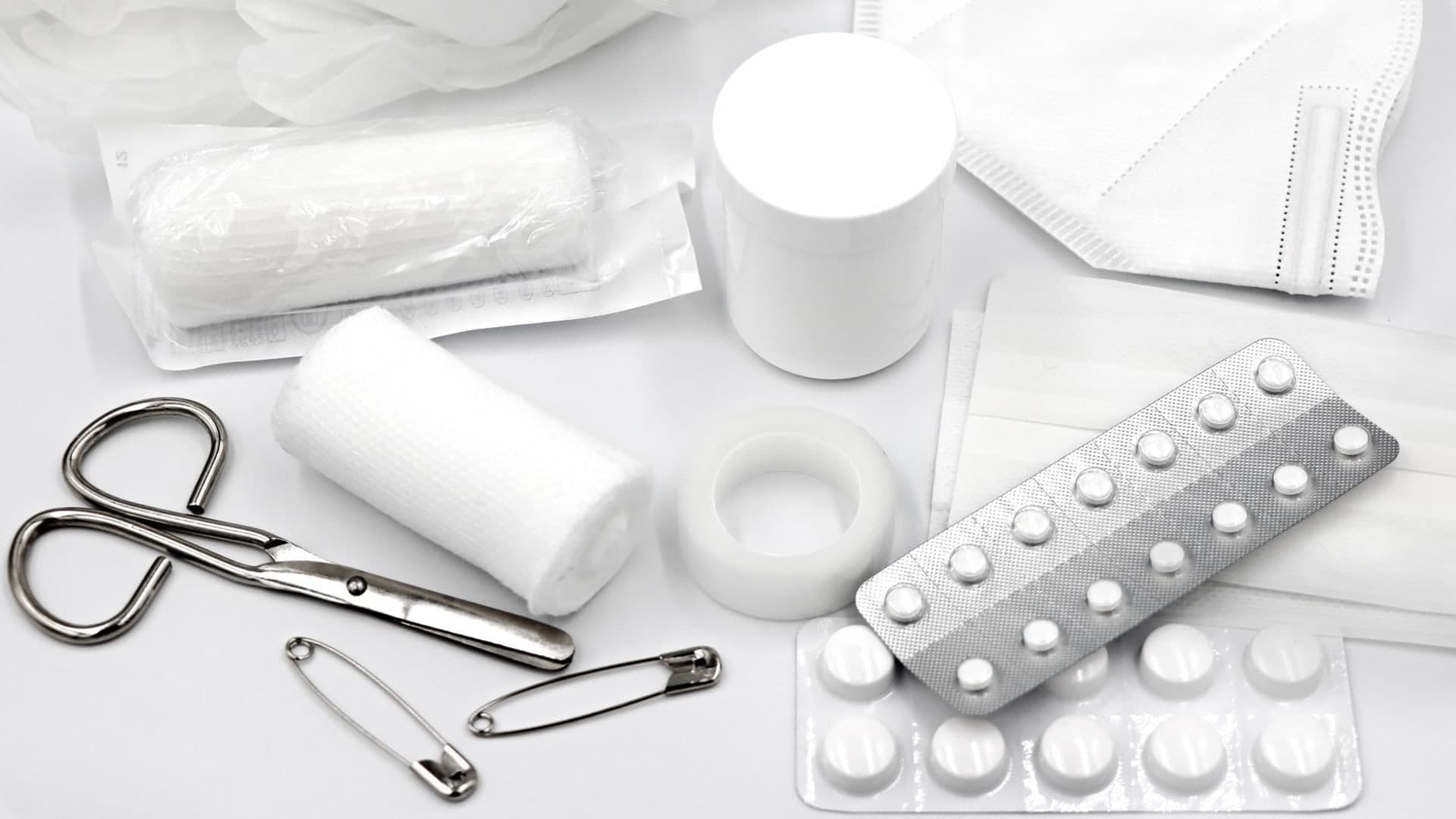
A basic wilderness first aid kit should include the following:
While visiting a clinic in the city is easy, deep in the forest, you have to be your own doctor. It is essential to know how to respond to the three main situations beginner campers face most often.
It is quite likely to cut your hand while chopping wood or hammering tent pegs. In the wild, an open wound is an open door for infection. Research shows that cleaning an open wound with clean drinking water and antiseptic within the first 30 minutes reduces the risk of infection in the wilderness by 85%. When treating it, never wash the wound with stream or lake water. Use only drinking water. After cleaning the wound from the center outward, cover it with a sterile gauze pad and secure it.
Touching a hot tent stove or a recently extinguished but still smoldering campfire can lead to serious burns. The first thing you should do in case of a burn is to immediately hold the burned area under cool (not ice-cold) running water for 15-20 minutes. Gently remove any clothing or jewelry near the burn area before swelling begins. If the skin is intact, apply burn cream and lightly cover it with a sterile pad; if it blisters, absolutely do not pop it.
Insect bites are inevitable, especially in the spring and summer months. If a bee stinger remains in the skin, scrape it off with the edge of a credit card instead of squeezing it with tweezers (squeezing pushes more venom into the body). In the case of a tick bite, stay away from traditional but highly dangerous methods like pouring cologne or oil on it, or holding a lighter to it. Grab the tick by its head (closest to the skin) with fine-tipped tweezers and pull it out slowly at a right angle without breaking it. Then, wash the area with soapy water and apply antiseptic.
A lack of theoretical knowledge breeds wrong reflexes in moments of panic. Here are the common mistakes beginner campers make and the correct ways to handle them:
When faced with an emergency, you should have an emergency protocol in mind. In camp life, this protocol consists of three stages:
You can handle simple injuries with your first aid kit. However, in cases of loss of consciousness, unstoppable bleeding, shortness of breath (especially in the event of allergic shock/anaphylaxis), or suspected spinal injuries, you must call emergency services (like 112 or 911) immediately. If you have no cell service, try climbing to a high hill where the signal might be weak and try calling again, as emergency calls can use any carrier's cell towers. Additionally, letting your loved ones know your location before going camping and downloading an offline map (Maps.me, Wikiloc, etc.) to your smartphone will make it easier to provide coordinates to rescue teams.
Knowing how to respond is only part of first aid; properly organizing your gear and environment is just as important. Here are steps to strengthen your camping practices:
The three most needed basic supplies in camping conditions are: an antiseptic solution (like Betadine) to prevent infection, sterile gauze pads to stop bleeding and cover wounds, and an elastic bandage to immobilize joints against sprains.
The burned area should immediately be held under clean, cool running water for 15-20 minutes. If you can't find water, cool it with a clean wet cloth; absolutely do not apply ice, toothpaste, or yogurt.
Do not pour any chemicals (cologne, oil) on the tick. Using fine-tipped tweezers, grab the tick as close to the skin's surface as possible, and pull it slowly straight up without twisting it, then disinfect the area.
The RICE method is applied for sprains: Rest, Ice (stream water or a cold compress), Compression (wrapping with an elastic bandage), and Elevation (raising the foot above heart level).
Emergency numbers (like 112 or 911) can make calls using the signals of other carriers even if your own carrier has no service. Climb to a high hill or an open area to find a signal. Always inform a loved one of your route before going camping.
Nature is a place that offers the greatest peace when its rules are respected. However, this peace requires being prepared for nature's unpredictable character. As a beginner camper, adopting the principles of a wilderness first aid guide is the lightest yet most valuable equipment in your backpack. In the event of an unexpected accident, being a conscious camper who knows what to do instead of panicking can save both your life and the lives of your campmates. With a properly packed kit and basic health knowledge, you can enjoy nature much more safely. Don't leave your safety to chance; make your preparations and confidently surrender yourself to the healing power of nature.
Related guides and stories from the outdoor world
Essential fire building and extinguishing rules you need to know to protect yourself and nature while camping.

A fundamental first aid and emergency response guide for beginner campers facing wilderness emergencies.

Lifesaving first aid techniques to help you camp safely on the challenging trails of Southeastern Anatolia.

The most fundamental and vital first aid steps for beginner campers to handle potential accidents in the wild.