
12 Mar 2026
Pedal to the Heart of Nature: A Guide to Cycling While Camping
A comprehensive guide to routes, gear, and safety for campers looking to explore nature on a bike after pitching their tent.
5 min read
11 views
Kampçı Editör Ekibi
Outdoor Writer @ Kampçı
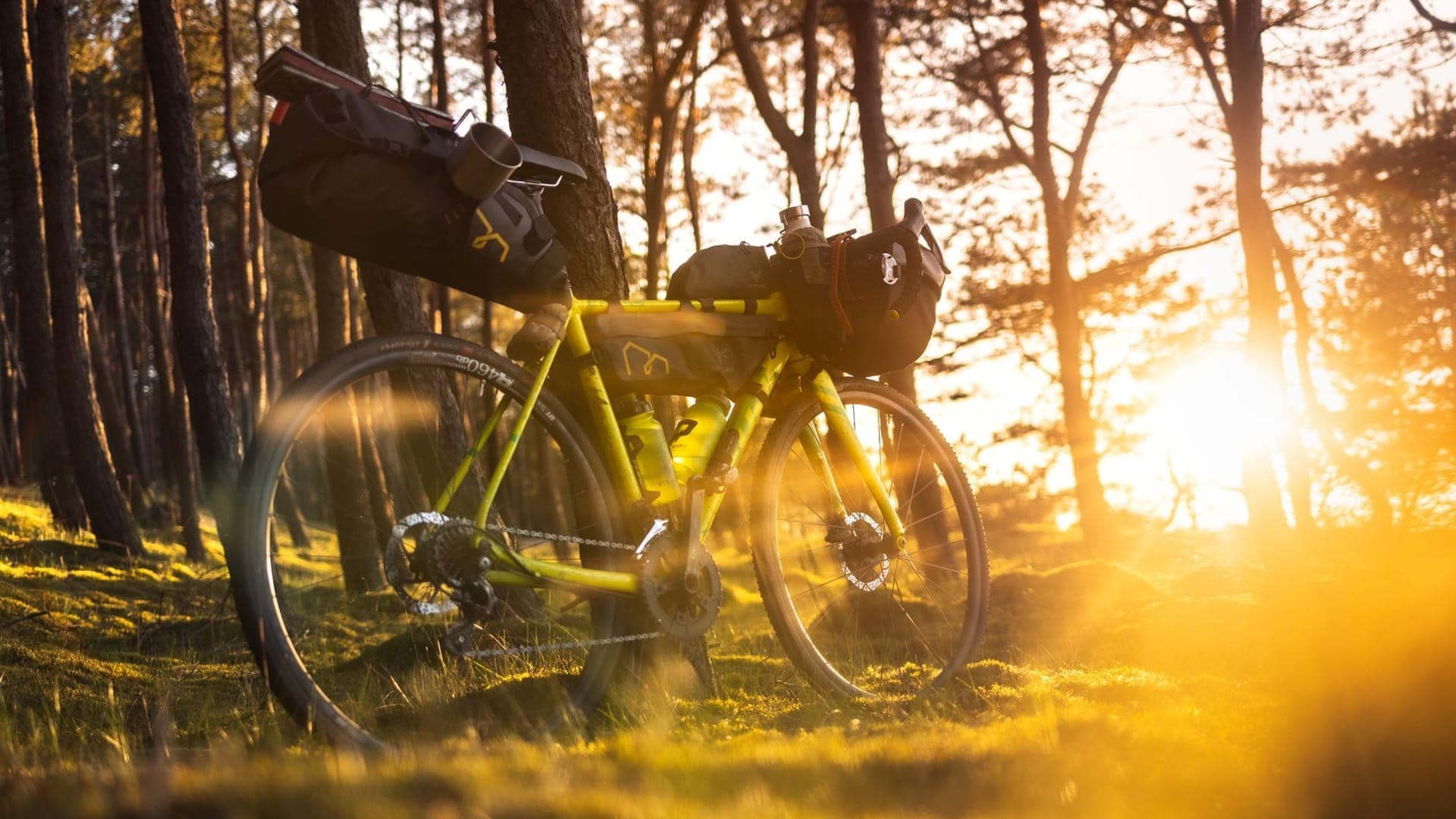
Bicycle camping is a discipline that deepens rather than rushes your connection with nature. For intermediate riders who have left behind flat, short asphalt routes for beginners and are now seeking more elevation, variable terrain, and isolated campsites, planning becomes much more critical. Turkey's best bicycle camping routes test riders not only with their scenery but also with their diverse terrain and logistical challenges.
For an intermediate bicycle camper, route selection is more than just drawing a line between two points on a map. The terrain type (asphalt, gravel, dirt, macadam), daily climbing amount (elevation gain), and distance to water sources are decisive factors in route planning. 68% of experienced bicycle campers in Turkey consider the distance to water sources and markets as their primary priority when determining their routes. Pedaling on gradients over 10% with a loaded bike requires both physical and mechanical endurance.
While beginner routes generally follow coastlines and flatlands, intermediate routes include forest roads, mountain passes, and historical trails. At this stage, your bike's gear ratios (especially the number of cassette cogs suitable for climbing) and tire width directly affect the difficulty level of the route.
The historical Phrygian Way is one of Turkey's most characteristic routes for mountain and gravel bikes. The route passes through volcanic tuff rocks and over ancient wheel ruts. The terrain is generally hard dirt, sandy and gravelly in places.
With its dense forest texture and deep valleys, the Yenice Forests are ideal for campers seeking isolation. Forest roads are generally dirt and can be muddy depending on seasonal rains. Elevation gain is continuous.
Despite being a coastline, the foothills of the Kıran Mountains stretching from Akyaka to Ören and the undulating structure of the Datça peninsula elevate this route to an intermediate level. Asphalt quality varies and creates a constant "rollercoaster" effect.
In intermediate rides, how you pack your gear on the bike is just as important as the quality of the gear itself. A proper bikepacking bag setup (using frame, saddle, and handlebar bags) reduces the bike's aerodynamic drag by up to 30% compared to traditional panniers. This provides tremendous energy savings, especially when pedaling against headwinds.
Keeping the center of gravity low is the fundamental rule. Water, tools, and heavy food should be carried in the frame bag. Bulky but light items like sleeping bags, mats, and spare clothes should be distributed between the handlebar and saddle bags. To prevent your saddle bag from swaying during the ride, you must strap it very tightly and place heavy items closest to the seat post.
As experience increases, the nature of mistakes also changes. Here are the common traps intermediate campers fall into and their solutions:
Bicycle camping is an activity where you move alone or in a small group in nature, making you highly exposed to external factors. Safety starts with visibility. Even during daytime rides, reflective details or brightly colored jerseys should be preferred.
Another common safety factor on Turkish routes is shepherd dogs. When you encounter a Kangal or a shepherd dog on deserted roads, instead of panicking and speeding up (you can't outrun them with a loaded bike anyway), the most effective method is to dismount and use the bike as a barrier between yourself and the dog. Leave the area slowly, avoiding sudden movements.
Depending on the terrain and elevation, 40-70 kilometers per day is ideal on dirt/gravel routes with a loaded bike. This pace allows you to arrive at the campsite in daylight and find enough time to rest.
The center of gravity should be as low and centered on the bike as possible. Heavy tools, water, and food should be placed in the frame bag; bulky but light items like sleeping bags and mats should be packed in the handlebar and saddle bags.
Although it varies based on the total weight of the bike and tire volume, tubeless setups with 20-30% lower pressure than asphalt (usually between 35-45 PSI) should be preferred to increase comfort and traction.
Dry foods, nuts, and dehydrated meals should be carried in frame bags in a way that they won't get crushed. To avoid attracting wild animals while camping at night, food should be stored at least 50 meters away from the tent, hung on a tree branch.
It is not mandatory. High-volume tires (e.g., 700x45c or 29x2.1 inches) and the right carbon/steel fork usage provide sufficient vibration damping on most intermediate Turkish routes, saving you from the extra weight of a suspension fork.
Turkey's best bicycle camping routes offer a unique platform to discover your own physical and mental limits. Transitioning to intermediate routes means not just sweating more, but also achieving a smarter harmony with nature. When you choose your gear correctly, lighten your load, and improve your mechanical skills, the challenging yet generous geography of Anatolia will show you a completely different face. Now open your maps, mark the water sources, and start planning your new route with that pure sense of freedom that comes from pedaling.
Related guides and stories from the outdoor world
A comprehensive guide to routes, gear, and safety for campers looking to explore nature on a bike after pitching their tent.

A comprehensive trail running guide that will take your camping experience to the next level and let you run free on breathtaking trails.

Ways to balance lightweight travel and camp comfort while pedaling long distances.

A comprehensive bikepacking guide packed with gear, safety, and route tips for intermediate campers looking to pedal into the heart of nature.