Summary: Backpacking routes in
Central Anatolia offer a technical experience for intermediate campers with their vast steppes, deep canyons, and volcanic terrain. While water management and wind protection are crucial on trails like the Phrygian Way and Ihlara Valley, these regions are ideal for learning the dynamics of long-distance backpacking and weight distribution.
Shouldering your backpack and stepping into the depths of nature requires a very different discipline than stationary camping. Although Central Anatolia, the heart of our country, is often overshadowed by the Black Sea or the Mediterranean in terms of backpacking routes, it hosts challenging and educational trails where intermediate hikers can hone their technical skills. The endless horizon of the steppe, volcanic tuff terrains, and canyon microclimates offer hikers both physical and mental endurance tests. In this guide, we explore route details, gear strategies, and region-specific survival practices for those planning a backpacking trip in the arid yet fascinating geography of Central Anatolia.
What You Will Learn in This Article
- The technical dynamics of backpacking in the Central Anatolian steppes
- Detailed analysis of intermediate trails like the Phrygian Way and Ihlara Valley
- Water management and tent pitching techniques in volcanic and arid terrains
- Common mistakes in long-distance hiking and their solutions
- Safety precautions against region-specific sheepdog encounters and sudden temperature drops
Dynamics of Backpacking Routes in Central Anatolia
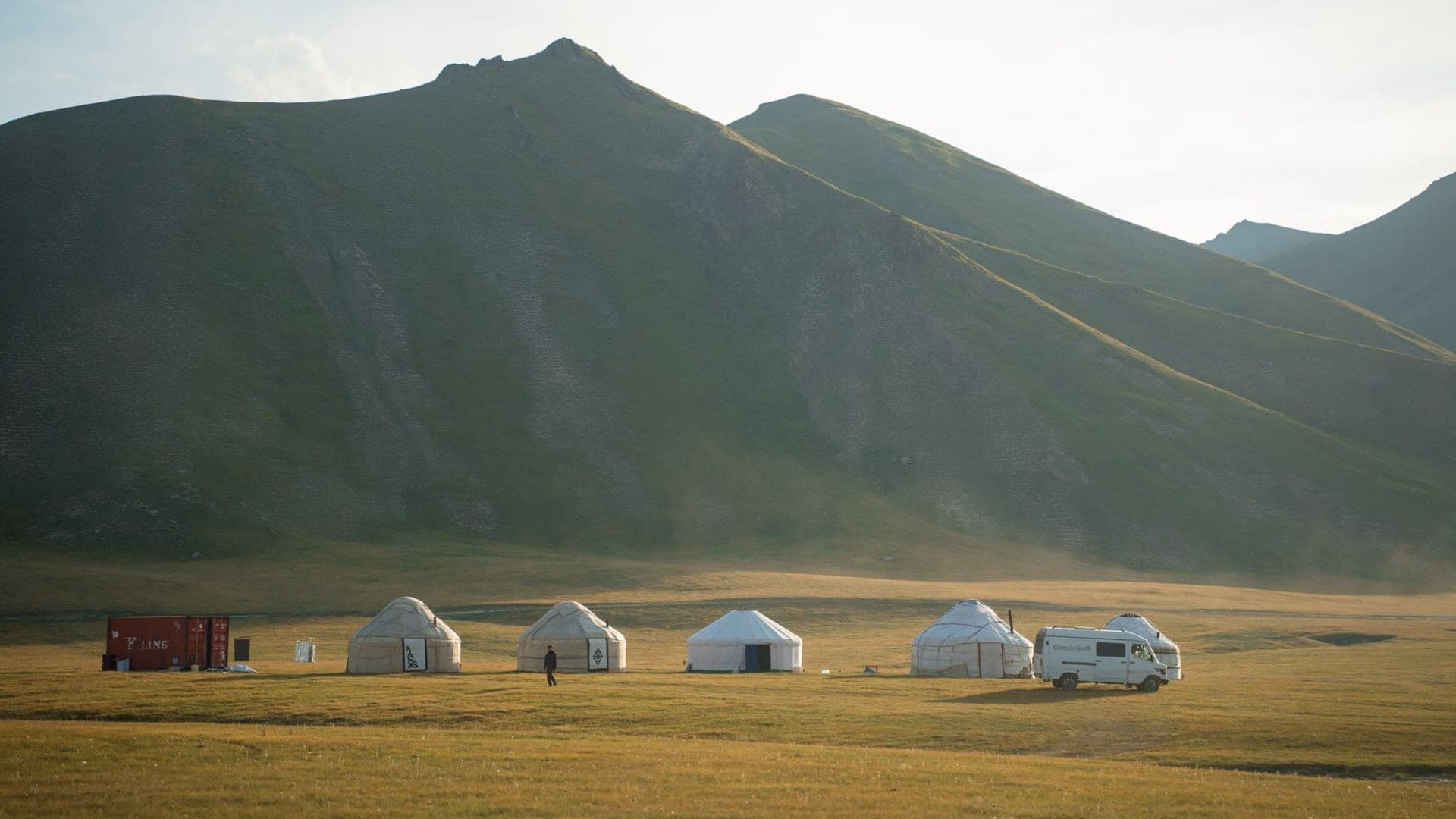
Combining camping and hiking in the Central Anatolia region means operating in an environment with low humidity but high winds and temperature fluctuations. Compared to Black Sea routes, Central Anatolian trails have fewer forested areas and natural water sources; therefore, hydration planning and sun protection require extra attention. In Central Anatolia, the temperature difference between day and night can reach up to 15 degrees during the spring months. This makes the principle of layering not just a preference, but a necessity.
The region's terrain generally consists of volcanic tuff, limestone, and hardened soil. While this type of ground turns into slippery mud when it rains, it presents a dusty and abrasive surface in dry weather. Hiking on this terrain with a heavy backpack increases the load on your ankles and knees. When pitching a tent, the hard ground requires you to use more durable steel pegs or rock-anchored guy lines instead of standard aluminum pegs.
Featured Trail Reviews for Intermediate Hikers
If you are an intermediate camper, it means you are ready to move beyond day hikes and spend at least 2 nights in nature with a 12-15 kilogram backpack. The most qualified routes where you can experience this in Central Anatolia are:
The Phrygian Way (Afyon-Eskişehir-Kütahya Triangle)
Tracing the footsteps of the ancient Phrygians, this route is located on the western border of Central Anatolia and blends historical ruins with nature. The total length of the Phrygian Way is 506 kilometers, and it is ideal for intermediate campers to hike it in 3-4 day stages. The İhsaniye, Ayazini, and Yazılıkaya (Midas Monument) line is the most suitable section for backpacking. Water sources along the route are limited; fountains in some villages may dry up during the summer. Therefore, you should have the capacity to carry at least 3-4 liters of water daily. Since the terrain mostly consists of rock cavities and hard trails, an ankle-supporting B/C class trekking boot should be preferred.
Ihlara Valley and Cappadocia Crossings (Aksaray-Nevşehir)
Ihlara Valley is a canyon system formed by the Melendiz River and, unlike the arid nature of Central Anatolia, has its own microclimate. Although camping on the valley floor is generally prohibited or subject to permission, you can hike the entire length of the valley by setting up camp in safe areas near the river at the valley's entrance (Ihlara town) or exit (Selime) points. On the Cappadocia side, routes stretching from Pigeon Valley (Güvercinlik) to Red Valley (Kızılçukur) test your navigation skills among the fairy chimneys. The soft tuff terrain in these areas makes the use of trekking poles mandatory; otherwise, there is a high risk of slipping during descents.
5 Practical Tips for Hiking in the Steppe and Canyons
To conserve your energy and increase your comfort while backpacking in the unique geography of Central Anatolia, you should apply the following practices:
- Water Filtration and Carrying Strategy: Due to agricultural activities in the region, there may be a risk of fertilizer runoff (nitrates) in natural water sources. Carry not only mechanical filters (Sawyer, Katadyn) but also chemical purification tablets. Always carry your water close to your backpack's center of gravity (against your back).
- Pitching a Tent Against the Wind: Since there are no tree barriers in the steppe, the wind will batter your tent directly. Face the narrow and aerodynamic side of the tent toward the prevailing wind direction. If it's difficult to drive pegs into the volcanic ground, secure the tent by tying the guy lines to heavy rocks nearby (Deadman anchor technique).
- Early Start and Midday Breaks: The sun is scorching at noon in Central Anatolia. Start your hike at 06:00 AM and take a long rest break between 12:00 PM and 3:00 PM by finding a shaded canyon wall or rock overhang. Leave the final stretch to your campsite for the cool of the late afternoon.
- Foot Care and Dust Gaiters: The dry and dusty ground can easily get inside your boots, increasing friction and causing blisters. Use short ankle gaiters to prevent fine dust from reaching your socks.
- Weight Distribution with Trekking Poles: The heavy load in your backpack will throw off your balance. Using two trekking poles not only reduces the strain on your knees during canyon descents but also helps you keep a steady rhythm on the flat steppe.
3 Critical Mistakes Made While Backpacking
The most common mistakes intermediate campers make during their transition phase are usually related to gear selection and weight distribution:
- Incorrectly Adjusting the Backpack's Center of Gravity: Hanging heavy items like a tent and sleeping bag on the very top or outside of your backpack will pull you backward while hiking. Heavy items (water, food, tent body) should be in the middle of the pack and as close to your back as possible. When backpacking, every 1 kilogram of extra weight applies 4 kilograms of pressure on your knee joints during descents.
- Insisting on Cotton Clothing: In Central Anatolia, the wind blows suddenly. Standing in the wind with a sweaty cotton t-shirt increases the risk of hypothermia. Synthetic-based t-shirts that wick away sweat quickly or merino wool base layers that provide thermal balance should be used.
- Planning the Route Only in Your Head: The misconception that "the trail is obvious" often leads to getting lost, especially in the identical-looking valleys of Cappadocia. Failing to download the route in advance to an offline GPS app (Wikiloc, Komoot) is a major planning mistake.
Safety and Climate Risks on Central Anatolian Routes
One of the biggest safety risks you will encounter in the region is livestock guardian dogs (Kangal or Akbash breeds) rather than wildlife. If dogs charge at you barking when you approach a flock or a fold, absolutely do not run; slowly change your direction without making eye contact. Instead of raising your trekking poles in a threatening manner, hold them crossed in front of you to create a barrier and wait for the shepherd to notice you.
From a climatic perspective, you must be careful of sudden thunderstorms (known locally as 'kırkikindi' rains) during late spring and autumn. When setting up camp on canyon floors (e.g., Ihlara), you should choose a terrace at least 2-3 meters above the riverbed with an escape route to protect against flash floods.
3 Basic Rules You Must Know Before Hitting the Trail
Never skip these three rules before embarking on Central Anatolian routes:
1. Self-Sufficiency: Unlike the Lycian Way, you won't find a guesthouse or market every few kilometers on the Phrygian Way or Cappadocia routes. The first aid kit, repair materials (duct tape, tent pole repair splint), and backup calories in your backpack are of vital importance.
2. Accurate Calorie Calculation: Backpacking in the steppe causes your body to burn 3500-4500 calories a day. You cannot close this deficit with just pasta or instant soup. Include foods with a high weight-to-calorie ratio in your meals, such as peanut butter, nuts, jerky, and olive oil.
3. Route Notification: Assuming that cell phone signals will be completely lost inside the valleys, make sure to inform a trusted person or the local gendarmerie station of your planned route, estimated campsites, and return date.
Frequently Asked Questions
What is the best season for backpacking in Central Anatolia?
The most ideal times for the region are between late April and early June (spring), and mid-September to late October (autumn). Extreme heat and water scarcity in the summer, and freezing cold in the winter, make hiking difficult.
Are water sources on the Phrygian Way sufficient for campers?
No, natural water sources are limited and seasonal. Water can be obtained from villages along the route, but since the distances between villages are long, you should always carry at least 3 liters of backup water and a water filter with you.
How many kilometers a day should intermediate hikers walk with a backpack?
On the rolling and hard terrain of Central Anatolia, walking an average of 12 to 16 kilometers a day with a 12-15 kilogram backpack is ideal. This distance is a safe limit to manage fatigue and leave enough time for setting up camp.
How should I behave towards the sheepdogs in the region?
When dogs approach you, absolutely do not run or make sudden movements. Lower your trekking poles to the ground to create a barrier between you, slowly walk away from the flock without turning your back on them, and call out to the shepherd.
What type of shoes should be preferred on Cappadocia and Ihlara routes?
Due to the slipperiness of the volcanic tuff terrain and hard rocks, mid or high-cut trekking boots that protect the ankle against sprains, have a stiff sole, and offer high traction (Vibram, etc.) should be preferred.
Final Words and Hitting the Trail
Backpacking in Central Anatolia is a highly educational adventure where nature reminds you of your limits and endurance with every step. The nights you spend amidst the historical texture of the Phrygian Way or the canyon walls of Ihlara are not just a physical activity, but also the art of integrating with the geography. As long as you choose your gear correctly, manage your water wisely, and respect the region's climate dynamics, the silence of the steppe will offer you one of the best camping experiences. Now it's time to balance your backpack, tighten your boot laces, and leave your own mark on the hidden trails of Central Anatolia. Wishing you safe and enjoyable trails!