
Black Sea Region
14 Nis 2026
Tech Gear for Camping: A Black Sea Guide
Lifesaving camping tech gear for beginners braving the challenging yet enchanting nature of the Black Sea.
6 min read
11 views
Kampçı Editör Ekibi
Outdoor Writer @ Kampçı
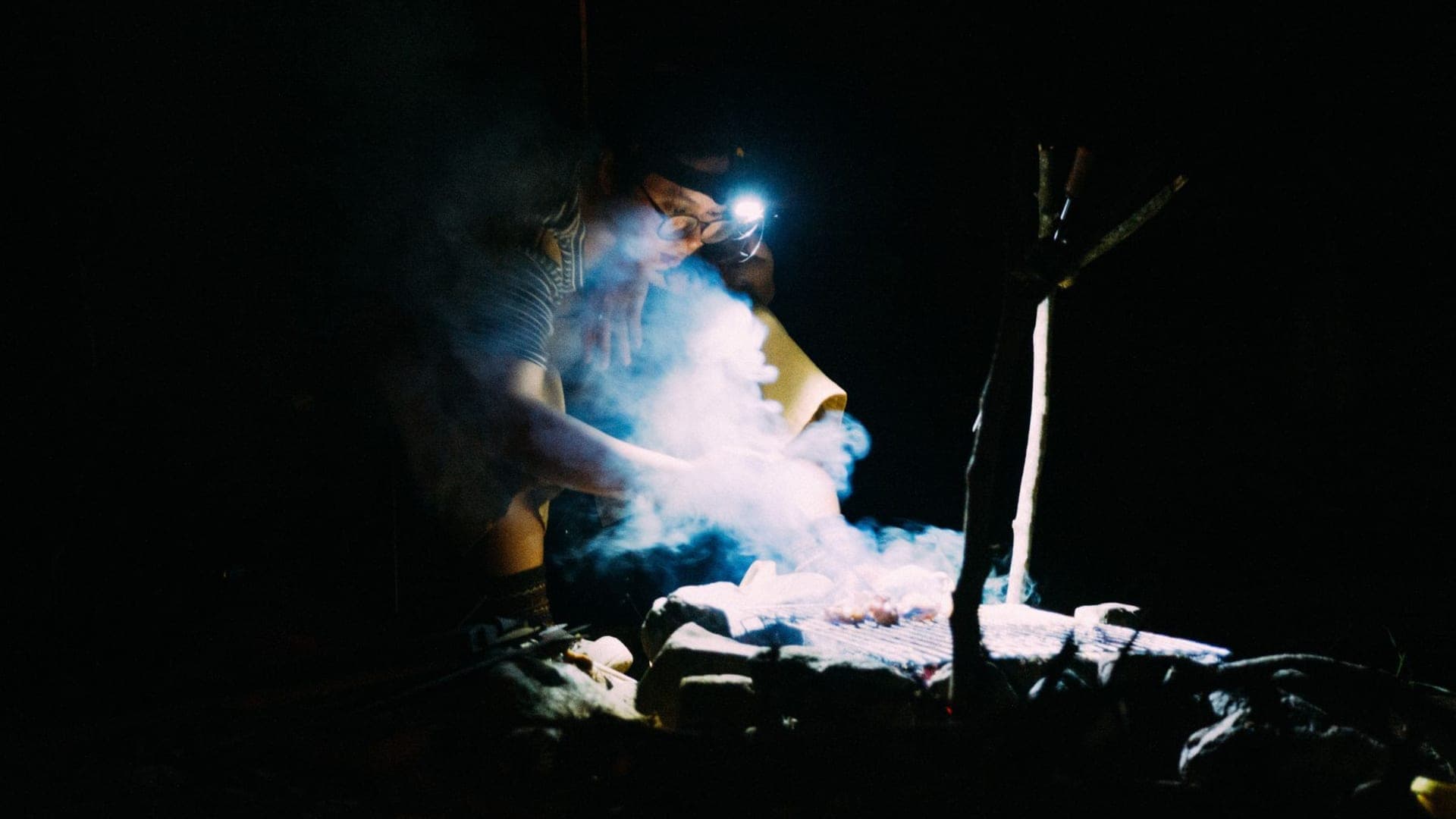
When you venture deep into the Black Sea region, such as the Kaçkar Mountains, Macahel forests, or Pokut plateau, the sense of isolation nature offers is priceless. However, this isolation means stepping completely outside the technological comfort zone we are used to in city life. For camping beginners, choosing the right tech gear for camping is not just a luxury, but a matter of safety and survival. On Black Sea routes where rain can suddenly pour, fog makes navigation difficult, and cell service is left miles behind, the right electronic equipment you bring along will directly determine the quality of your camping experience.
There are two main factors to consider when choosing tech gear for Black Sea camping routes: constant humidity and the lack of cell service. Many novice campers make the mistake of coming to the Black Sea with standard equipment that works perfectly fine on the Aegean or Mediterranean coasts. However, the dynamics of this region are entirely different.
Lighting Systems: A headlamp that keeps your hands free at the campsite is arguably the most important piece of gear. However, the lamp you choose for the Black Sea must absolutely be water-resistant. An IP67-certified electronic device can continue to operate without letting water in for 30 minutes at a depth of 1 meter. Therefore, instead of an IPX4 rating that only withstands a light drizzle, you should opt for an IPX6 or IP67-certified headlamp between 150-300 lumens to protect against heavy downpours and the possibility of dropping it in puddles.
Power Sources: Solar panels often lead to disappointment on Black Sea routes. Dense cloud cover and thick pine forests prevent the panels from working efficiently. Instead, you should lean towards high-energy-density portable chargers (power banks). High-quality power banks with lithium-polymer batteries and a rubberized outer shell are ideal for this region.
Communication and Navigation: Finding a cell phone signal between the valleys is almost impossible. That's why you should think of your smartphone more as an offline GPS device rather than a communication tool. Your phone's GPS chip can connect to satellites and determine your location even without a cellular network.
Categorizing your gear while packing your bag helps you find what you're looking for quickly at camp and protects it from moisture. Here is a step-by-step preparation guide:
Determine how much energy you will need based on the duration of your camp. During camping activities in the Black Sea forests, standard smartphone batteries drain 30% faster than normal due to low temperatures and humidity. For a weekend camp (2 nights), a reliable power bank with a capacity of at least 20,000 mAh to charge your phone and headlamp is a must.
Before leaving home, download the topographic maps of the region you are going to onto your phone. Save route data via apps like Wikiloc, Maps.me, or Komoot. Make sure you make this data available for offline use.
Place all your tech gear into an extra polyurethane-coated 'dry bag', even if your backpack has its own rain cover. Do not put your electronics in the same compartment as your clothes; a wet raincoat can transfer moisture to your devices.
The biggest enemy of electronic devices in the Black Sea is invisible moisture. Follow these practical steps to protect your devices in this challenging terrain:
The mistakes made by first-time campers usually stem from bringing city habits into nature.
1. Relying on Solar Panels: In Black Sea regions like Rize or Artvin, it's rare to see the sun uninterrupted for hours. Relying solely on a small solar panel hanging from your backpack will leave you without light and communication by the end of the second day. Instead, always carry a fully charged backup power bank.
2. Using Standard City Cables: The thin, plastic-coated charging cables you use at home easily break or snap at bending points in nature. Failing to choose braided and Kevlar-reinforced durable cables suitable for outdoor conditions will result in you being unable to charge your devices, even if you have a solid power bank.
3. Misunderstanding Waterproofing: "Water-resistant" and "waterproof" are not the same thing. A water-resistant device can only withstand sweat or a light drizzle. If a device falls into water, only IPX7 and higher certified devices can survive. Buying a device without reading the label will lead to equipment failure in the first serious rain.
Tech gear doesn't just break down; it can also pose physical dangers if misused. Lithium-ion batteries carry a risk of swelling and catching fire when exposed to direct and high heat. Be careful when you get cold during a Black Sea camp and get too close to the campfire, or when you place your devices next to a tent stove to dry them. Trying to dry a wet electronic device by placing it near a fire or stove can cause the circuits to melt or the battery to explode. Turn off wet devices, dry them with a towel, and let them dry naturally inside a bag filled with rice or silica gel.
Due to the Black Sea's dense forest cover and frequently cloudy weather, portable solar panels generally operate at low efficiency. Instead of a solar panel, carrying high-capacity, high-quality lithium-ion power banks is a much more reliable energy solution in this region.
For beginners, a power bank with a capacity of at least 20,000 mAh is ideal for a 2-day weekend camp. This capacity allows you to fully charge a standard smartphone an average of 4-5 times, despite the losses in cold weather conditions.
For camping beginners, a headlamp between 150 and 300 lumens is sufficient for illuminating the inside of the tent and the immediate surroundings. Unless night hiking or search and rescue activities are planned, higher lumen lamps will unnecessarily drain the battery.
The chemical reactions inside the lithium-ion batteries found in smartphones slow down in cold weather. This causes the device to shut down as if the battery is dead, even though it is actually full; you can prevent this problem by keeping the device warm in your sleeping bag.
Yes, transparent waterproof cases worn around the neck are highly functional, especially in regions like the Black Sea where sudden rains are common. However, before putting your phone in these cases, you should always check for leaks using a tissue test.
Although the main purpose of getting out into nature is to disconnect from technology, carefully chosen tech gear for camping allows you to integrate with nature more safely and harmoniously. The Black Sea's unpredictable weather conditions and rugged geography do not forgive the unprepared. However, if you have a reliable light source in your bag, a device showing your route safely stored in waterproof cases, and power sources that won't let you down, you can enjoy those magnificent plateau views emerging through the fog without worry. Choose your gear carefully, make your preparations, and step confidently into the deep greens of the Black Sea.
Related guides and stories from the outdoor world
Lifesaving camping tech gear for beginners braving the challenging yet enchanting nature of the Black Sea.

All the clothing secrets you need to know to spend your first night in the great outdoors warm and comfortable.

Essential camping tech to keep you safe and connected in the great outdoors.

The essential tech and power management guide you need for a safe and comfortable camping experience without running out of battery in the wild.