
Black Sea Region
14 Nis 2026
Tech Gear for Camping: A Black Sea Guide
Lifesaving camping tech gear for beginners braving the challenging yet enchanting nature of the Black Sea.
6 min read
11 views
Kampçı Editör Ekibi
Outdoor Writer @ Kampçı
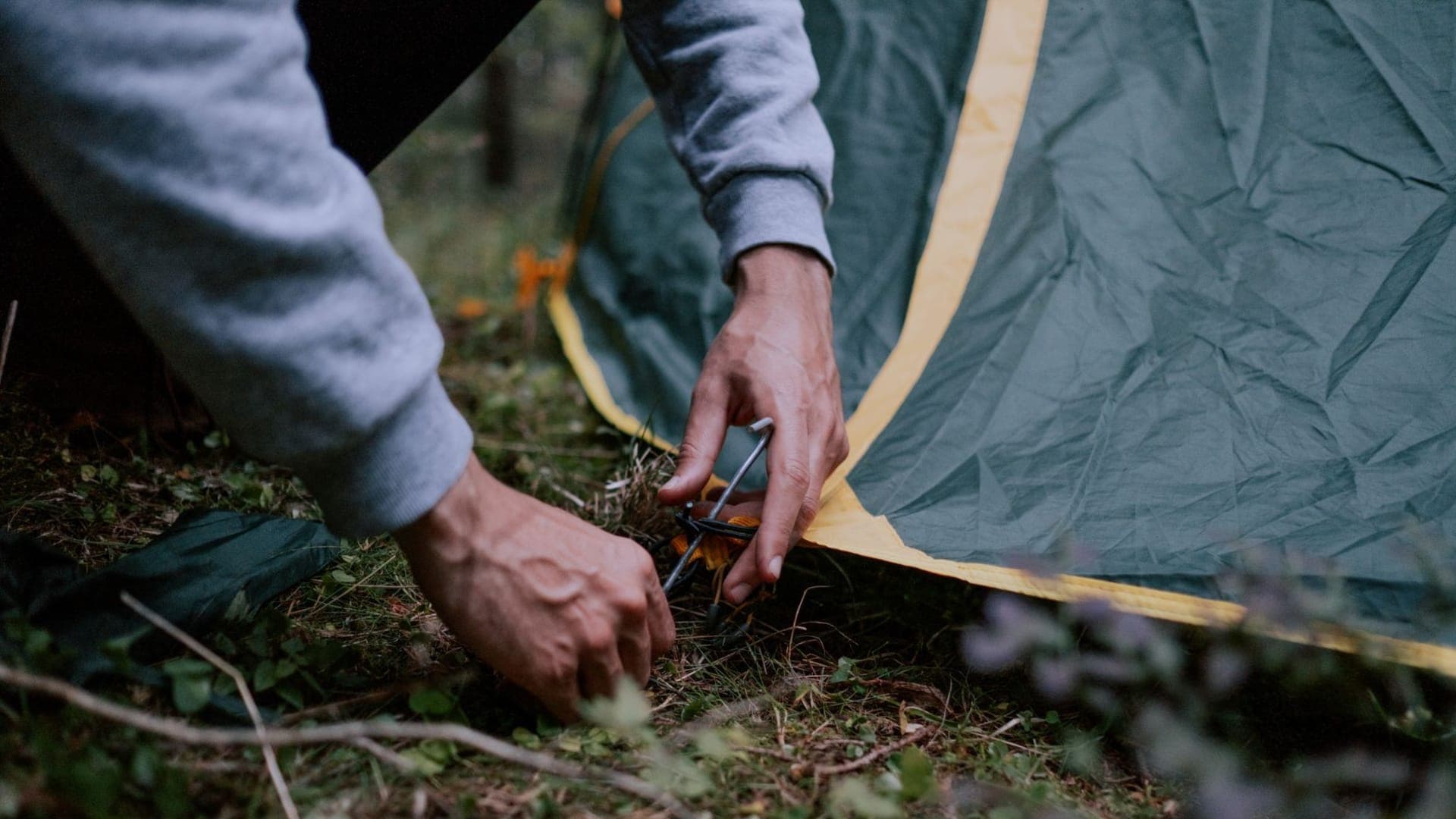
While the idea of getting out into nature is exciting for beginners, choosing a tent—the most important piece of camping gear—often turns into a confusing process. With hundreds of brands, various geometric designs, and technical jargon on the market, shopping without a proper tent buying guide frequently ends in frustration. Waking up to a wet sleeping bag or having your tent poles bend in a moderate night breeze can crush your camping enthusiasm on day one. In this guide, instead of a sales rep's memorized pitches, you'll find field-tested technical facts and practical knowledge.
When you start looking for a tent, the first two filters you'll encounter are capacity and season ratings. These two criteria directly determine the tent's weight, volume, and price.
Tents sold by manufacturers as "2-person" usually represent the minimum space where two adults can fit shoulder-to-shoulder. Once you add backpacks, shoes, and personal items to the mix, this space falls short. In Turkey, 65% of camping beginners buy their first tent based solely on the number of people, leading to gear storage issues. If two people are camping, you should opt for a 3-person tent; if you're going solo and want ample space, go for a 2-person tent. The N+1 rule is also a practical safety margin that prevents your sleeping bag from touching the tent walls and getting wet.
Many new campers lean towards 4 or 5-season tents with the mindset of "It's sturdier, I'll buy it once and be done with it." This is a huge mistake. 4-season tents are designed to bear heavy snow loads and retain heat in freezing winds. They have fewer ventilation windows and thicker fabrics. If you use a 4-season tent on the Aegean coast or in the Kaz Mountains during summer, the greenhouse effect inside will make it impossible to sleep.
If you plan to camp in the spring, summer, and fall, what you need is a 3-season tent. Thanks to their large mesh inner panels, 3-season tents provide air circulation and prevent you from sweating in the summer. Rather than focusing on thermal insulation like 4-season tents, they prioritize a balance of wind resistance and ventilation.
There is no single "best" tent for everyone; there is only the tent that best suits your camping style. You can simplify the decision-making process with the following steps:
Go beyond catalog specs and pay attention to these details based on real campsite experiences:
Knowing the common pitfalls beginners face at campsites beforehand will save you from unnecessary expenses and bad experiences.
Pop-up (automatic) tents that set up in seconds when thrown into the air are designed for festivals or kids playing in the backyard. Their wind resistance is near zero, and they are usually single-layered. Single-wall tents cannot vent the moisture from your breath, causing condensation (sweating) inside throughout the night. When you wake up in the morning, even if it hasn't rained, you'll find water dripping on you from the inside of the tent. For wilderness camping, you must choose double-wall models.
Very cheap tents sold in supermarkets usually have a hydrostatic head rating of 400-600 mm. This rating can only withstand a light morning drizzle. In an average spring rain, water will start leaking into the inner tent. Bought simply because they are cheap, these tents are doomed to be thrown away after the first rain.
Trying to set up your newly purchased tent for the first time in the woods, perhaps as it's getting dark, is highly stressful. A missing peg or an incorrectly threaded pole can ruin the whole night. Always set up your new tent in your living room or a nearby park first to understand the system.
A tent's reliability is measured by how prepared it is for nature's surprises. The "PU" (Polyurethane) coating value you see on tent labels indicates the fabric's waterproofing. A 2000 mm hydrostatic head rating is the minimum safety limit required to stay dry in a standard spring rain. For the floor fabric, this value should be at least 3000 mm due to the pressure of body weight.
Wind safety, on the other hand, is entirely about setup technique. Even if you buy the most expensive tent in the world, it can collapse in the wind if you don't use the guy-lines. Driving the pegs into the ground at a 45-degree angle away from the tent, rather than at 90 degrees, is a basic rule of physics that prevents the wind from tearing the tent away.
No, using it is a safety risk. The pole structure of 3-season tents is not designed to bear snow loads, and their large mesh panels cannot retain warm air inside, creating a risk of hypothermia.
It should have a minimum hydrostatic head rating of 2000 mm for the rainfly and at least 3000 mm for the floor fabric. These values provide adequate protection for standard spring and fall rains in Turkey.
Automatic tents can be practical only for car camping in windless and rainless summer conditions. However, in terms of durability against natural elements and longevity, manually pitched dome tents are much more reliable.
Aluminum poles are always superior. They are much lighter than fiberglass poles, and because they have a high flex margin under wind, their risk of breaking is minimal.
Absolutely not. Washing machines and detergents completely destroy the water-repellent polyurethane (PU) coating on the tent fabric. You should only clean your tent by wiping it with warm water and a damp sponge.
Choosing the right gear is the insurance for your peace of mind in nature. When selecting from thousands of models on the market, you need to focus on technical details and your own use case rather than outward appearance. An expensive tent that doesn't suit your needs can cause far more problems than a well-chosen mid-range tent. Making a choice by considering the capacity, season, and material criteria in this guide will be the first and most solid step toward years of enjoyable camping adventures. We wish you safe and peaceful camping trips intertwined with nature.
Related guides and stories from the outdoor world
Lifesaving camping tech gear for beginners braving the challenging yet enchanting nature of the Black Sea.

All the clothing secrets you need to know to spend your first night in the great outdoors warm and comfortable.

The best lighting solutions to make your first night in nature safe and peaceful.

The essential tech and power management guide you need for a safe and comfortable camping experience without running out of battery in the wild.