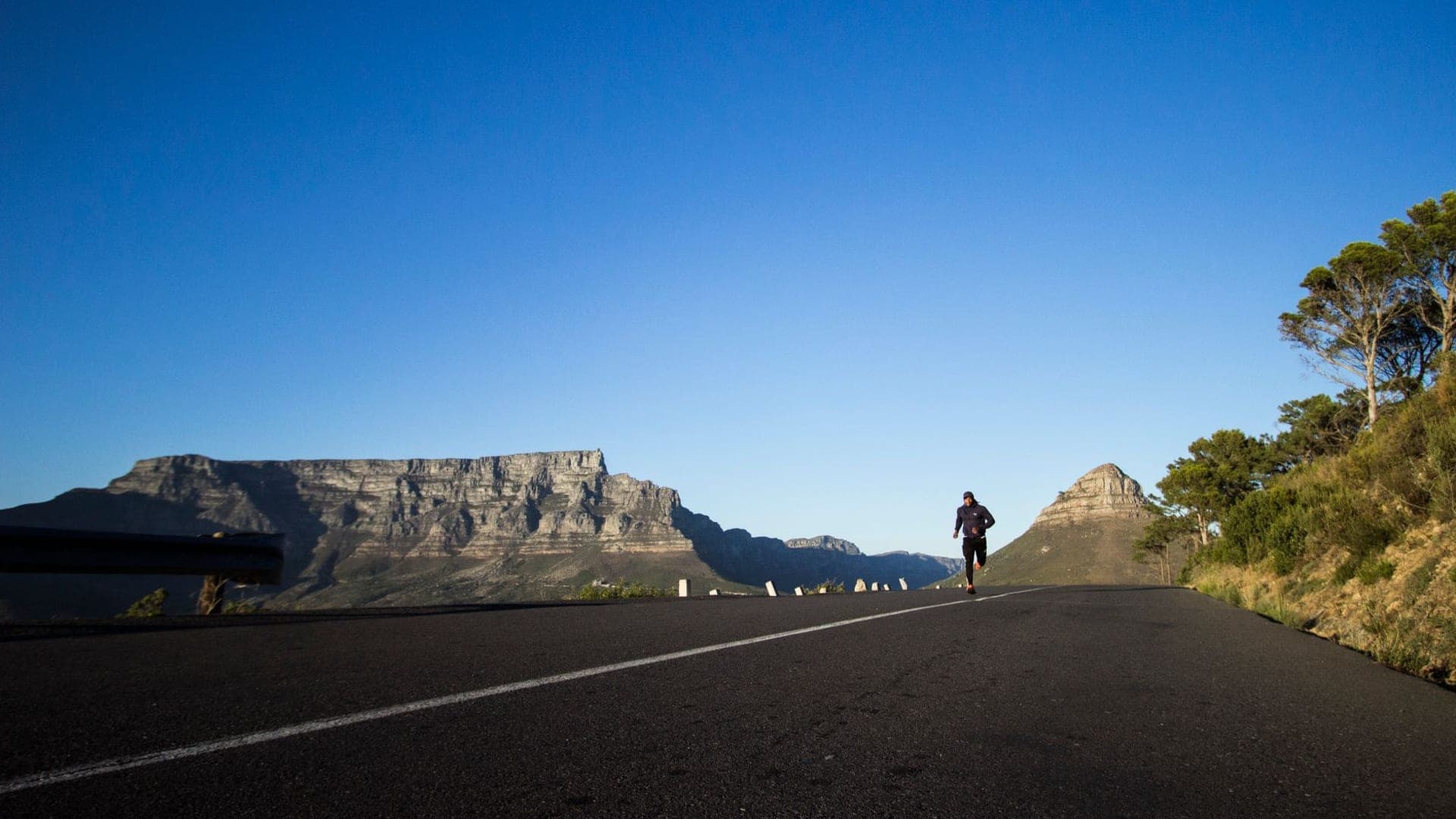
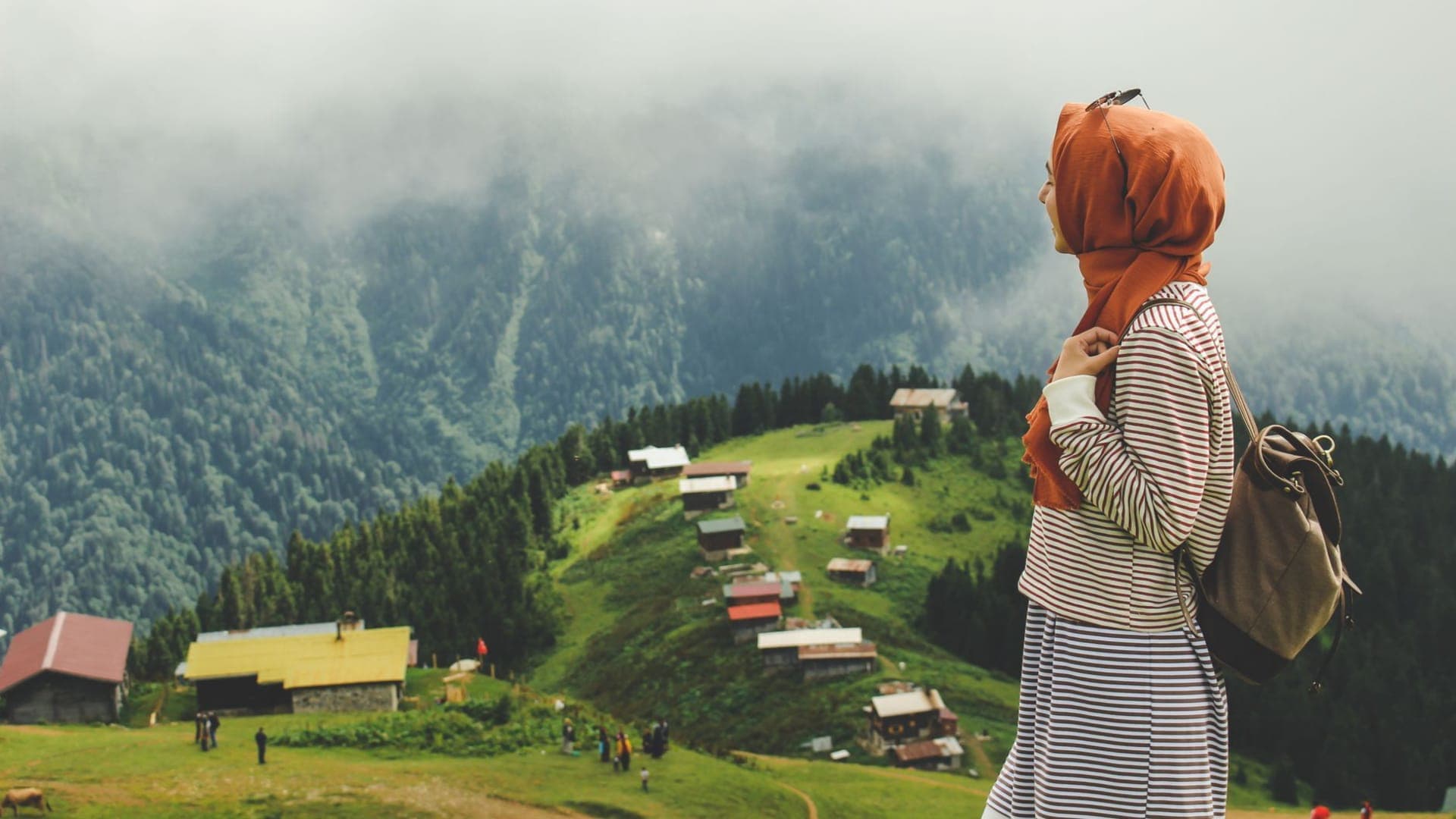
Summary: The most efficient camping routes in Turkey for intermediate trail runners consist of technical terrains in the 1,000-2,000 meter elevation range. This guide provides a detailed analysis of the logistics, terrain structure, recovery, and safety criteria to consider when choosing camping routes for trail running, from the rocky stages of the Lycian Way to the scree slopes of Aladağlar.
Combining trail running with camping is the most direct way to push your physical limits while deepening your connection with nature. However, if you are an intermediate runner, you need to carefully manage the logistical differences between a regular weekend camp and a training-focused one. When determining camping routes for trail running, you should consider not only the scenery of your campsite but also its distance to running routes, water sources, and elevation profile. In this guide, we will explore route selections, campsite strategies, and the technical details you will encounter in the field to maximize your training efficiency.
What You Will Learn in This Article
- Analysis of ideal elevation and terrain profiles for intermediate runners
- 4 specific camping routes in Turkey best suited for trail running
- Energy and hydration management when transitioning from campsite to trail
- Common training camp mistakes and their solutions
- Tactics to speed up the recovery process in the tent
Trail Running Camp Dynamics and Terrain Selection
For an intermediate trail runner, a campsite is not just a place to sleep, but also a recovery and resupply center (basecamp). Unlike the "fastpacking" style of constantly moving, the basecamp strategy involves pitching your tent in a strategic hub and organizing hub-and-spoke runs on routes with different gradient/terrain profiles each day. According to research and field data, a 3-day active training period at a campsite established 1,500 meters above sea level can raise the lactate threshold by 10% to 12%.
Terrain selection is the most critical factor in determining where you will camp. Intermediate runners have moved beyond flat dirt roads and are athletes seeking technical descents, root-covered forest floors, and scree (loose rock) crossings. The hard rocky terrain in Aladağlar significantly increases the risk of ankle sprains compared to the soft dirt trails of the Kaz Mountains; therefore, when choosing a camp location, you must confirm that your current shoe rotation (lug depth, rock plate protection) is suitable for the region.
Camping Routes for Intermediate Trail Running in Turkey
Turkey's topography features regions that offer serious elevation gains for runners looking to spend their 2025 training calendar in nature. Here are the four most efficient regions for intermediate runners in terms of technical terrain and camp logistics:
1. Aladağlar National Park - Emli Valley (Niğde)
Located at an altitude of approximately 1,700 meters, Emli Valley is an ideal hub for intermediate runners looking to get into high-altitude training. Runs from here towards Sıyırma Valley or the foothills of Alaca require serious technical skills. The terrain consists largely of limestone and scree. Having the campsite close to a stable water source (depending on the season) provides an advantage for post-run hydration. Since the elevation gain is very high over short distances, training planning should focus on meters climbed rather than distance.
2. The Lycian Way - Gelidonya and Adrasan Route (Antalya)
Best visited in the spring and autumn months, this region tests endurance with its technical rocky terrains and steep ascent/descent profiles. A camp set up around Pirate Bay (Korsan Koyu) or Adrasan is an excellent starting point for both a technical climb towards the Gelidonya Lighthouse and crossing Mount Musa. The terrain is highly abrasive; trail shoes with strong rock plate protection are a must when running this route.
3. Kaz Mountains - Ayazma and Sarıkız Foothills (Çanakkale/Balıkesir)
If you are looking for forest single tracks, stream crossings, and soft grounds covered with pine needles, the Kaz Mountains are the right destination. By pitching your tent in legal camping areas near the national park borders, you can do long-run endurance training on forest roads stretching from 600 meters up to 1,500 meters. The terrain is more forgiving compared to Aladağlar or Lycia, making it attractive for runners looking to increase their weekly mileage volume.
4. Kapıdağ Peninsula (Balıkesir)
For those seeking an undulating profile, Kapıdağ is one of Turkey's hidden trail running paradises. A camp set up in the bays in the north of the peninsula immerses you in both a humid maritime climate and steeply inclined forest trails. The terrain is generally covered with dirt, mud (during rainy periods), and thick vegetation. It is highly satisfying, especially for intermediate athletes looking to improve their trail descent techniques.
5 Practical Tactics to Increase Efficiency at a Running Camp
The success of a trail running camp lies more in the camp life before and after the run than in the run itself. Apply these tactics to integrate tent life into your training efficiency:
- Turn Cold Water Sources into an Advantage: Make sure to choose your campsite near a stream or mountain lake. Soaking your legs in cold water for 10-15 minutes after returning from a run reduces inflammation and significantly speeds up recovery for the next day's training.
- Shoe Drying Strategy: Placing shoes that got wet in dewy grass or stream crossings next to the fire will melt their adhesives. Dry your shoes in the vestibule of your tent by stuffing them with newspaper or a dry microfiber towel and letting the natural wind flow do the work.
- In-Tent Leg Elevation: Before getting into your sleeping bag, place your backpack at the foot of your sleeping pad to keep your legs above heart level. This simple gravity assist helps with lactic acid dispersion.
- Early Carbohydrate Loading: In a medium-difficulty 15-kilometer trail run, the body burns an average of 1,200 to 1,500 calories depending on terrain resistance. The first 45 minutes after returning from the run (the glycogen window) are critical for consuming complex carbohydrates (oats, couscous, or dehydrated camp meals) that can be quickly cooked on a camp stove.
- Protect Your Wearable Tech: GPS watches are the brains of trail running. Cold weather rapidly drains battery life. At night, protect your GPS watch and power bank with your body heat by keeping them inside your sleeping bag.
Critical Mistakes Made in Trail Running Camps
Managing camp and training stress simultaneously is challenging. Here are the most common mistakes intermediate runners make and their solutions:
Mistake 1: Overtraining on the First Day. Gaining much more elevation than targeted on the first day due to camp motivation leads to muscle fatigue in the following days, turning camp life into torture. Solution: Spread the 80/20 rule across your camp days. Plan the first day for trail familiarization and low heart rate, the second day for the main load, and the third day for an active recovery run.
Mistake 2: Ignoring the Calorie Consumption of the Cold Night. While camping, the body burns much more energy overnight to maintain its temperature compared to your bed in the city. If you only calculate the calories burned during the run and base your camp nutrition on that, you will experience an energy deficit. Solution: Add an extra 500-800 calories to your daily calorie needs as a campsite warming allowance.
Mistake 3: Lowering Sleep Quality with the Wrong Pad Selection. The spine and joints become sensitive after trail running. Sleeping on a thin pad with a low R-value (insulation coefficient) causes muscles to remain tense throughout the night. Solution: No matter how smooth the ground looks, use inflatable and insulated sleeping pads at least 5-7 cm thick during training camps.
Safety and Risk Management in the Field
Intermediate routes are generally in geographies where phone signals weaken or completely drop. A sprain that happens 10 km away from where you left your tent can turn into a serious survival scenario. When heading out for a run, always inform someone at the campsite (or the campsite operator) of your route and estimated return time. Always carry an emergency blanket (aluminum foil blanket), a whistle, an elastic bandage, and water purification tablets in your running vest. For wild animal encounters, making noise periodically (or wearing a bear bell) if you are running alone very early in the morning or at dusk is an effective safety measure.
3 Rules You Must Know Before Going on a Trail Running Camp
- Logistical weight requires running lightness: Because you are setting up a basecamp strategy, you can carry large, heavy, and comfortable gear to the camp. However, when you head out for a run, you should only have a minimalist and ultra-light running vest on you. Do not try to combine two different gear philosophies into a single backpack.
- Calculate the route vertically, not horizontally: If a route that looks like 15 kilometers on the map includes 1,200 meters of elevation gain, this run requires effort equivalent to 30 kilometers on a flat road. Calculate your camp return time based on the elevation profile, not the distance.
- A foot care kit is a necessity, not a luxury: During the time you spend in the tent, you must dry your feet, treat blisters, and clean your cuticles. A high-quality medical tape (kinesiology or zinc oxide tape) should be a staple in your camp bag.
Frequently Asked Questions
What is the best season for a trail running camp?
Under Turkey's conditions, the most ideal periods for mid-altitude (1,000-1,500m) camps are April-May and September-October. During these months, the terrain is neither too muddy nor excessively dusty; and the temperature differences between day and night do not reach extreme levels that would hinder recovery.
How many kilometers of trails should an intermediate runner plan per day at camp?
Duration and elevation should be based rather than kilometers. For an intermediate athlete, staying on the trail for 2 to 4 hours a day and aiming for 800-1,200 meters of vertical gain is a sustainable training volume for consecutive camp days.
How does water consumption at the campsite affect running performance?
Inadequate hydration increases lactic acid buildup and causes cramps. In addition to water loss during the run, the dry air at altitude also leads to fluid loss at the campsite. At least 3-4 liters of electrolyte-supplemented water should be consumed daily at the campsite.
Does sleeping in a tent increase muscle soreness?
It does if the right equipment is not used. However, if you use an inflatable pad with high ground insulation (R-value 3.0 and above) and a wide-cut sleeping bag that doesn't restrict the body (rectangular or expanded instead of a mummy), the fresh air and the silence of nature will improve your sleep quality and support muscle recovery.
What are the mandatory camp first aid supplies I should pack in my running vest?
On trails where you venture far from the campsite, your vest must include: an elastic bandage for sprains, hydrocolloid tape for blisters, an emergency blanket, a whistle, and a small antiseptic solution.
Conclusion
Choosing camping routes for trail running is not just about finding challenging climbs and technical descents; it is also about building a safe haven where you can rest your body and synchronize with the rhythm of nature. From the forests of the Kaz Mountains to the harsh peaks of Aladağlar, this unique topography offered by Turkey is waiting for you to redefine your training limits. Pitch your tent, strap on your running vest, and be open to the new endurance lessons the trails will teach you. Don't forget to share your own favorite routes with our camping community and pass on the experiences you gain at your next training camp. Stay in nature and on the trail!