
12 Mar 2026
Pedal to the Heart of Nature: A Guide to Cycling While Camping
A comprehensive guide to routes, gear, and safety for campers looking to explore nature on a bike after pitching their tent.
5 min read
11 views
Kampçı Editör Ekibi
Outdoor Writer @ Kampçı
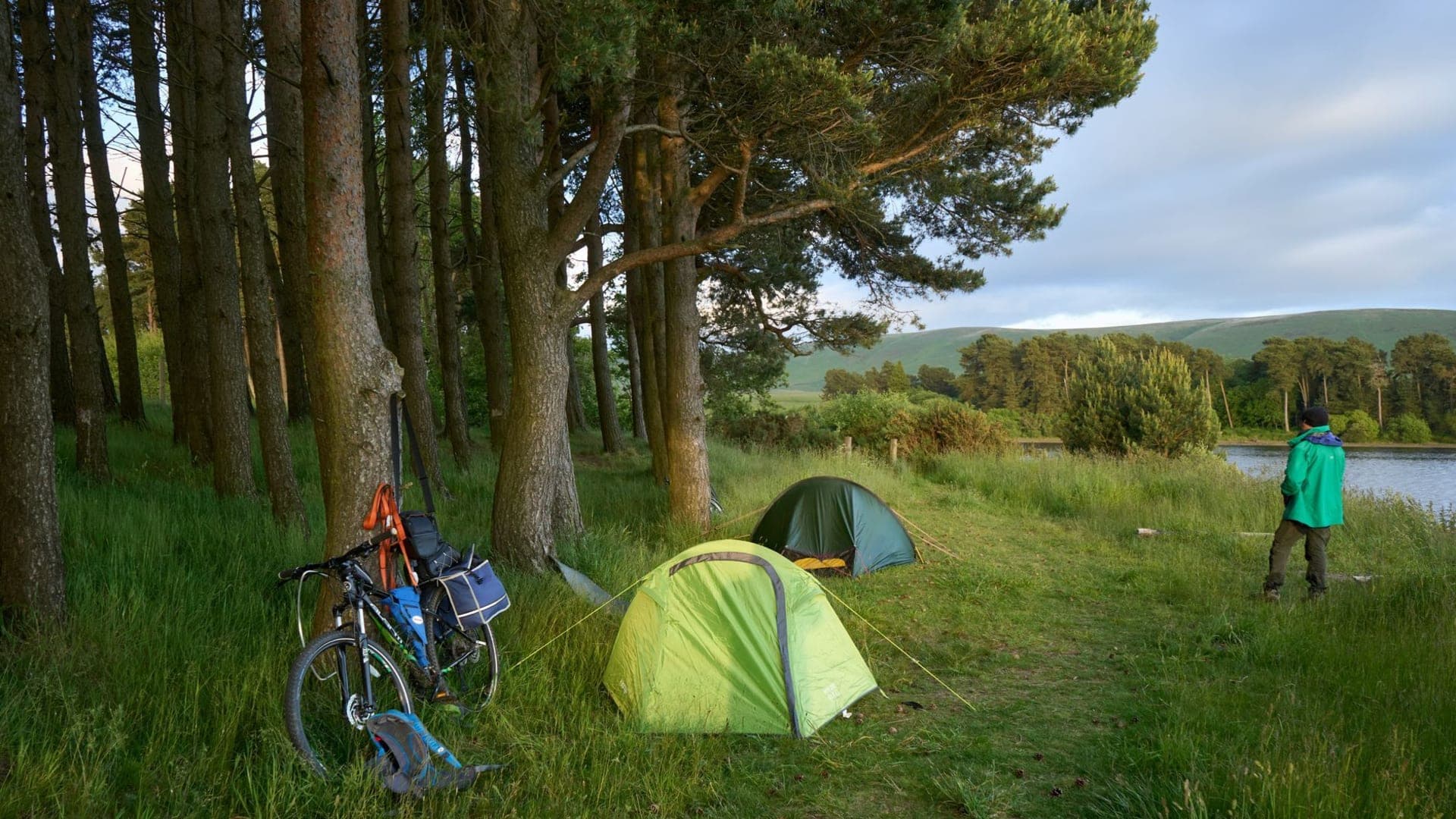
Pitching your tent in the shade of an olive tree after days of riding your bike is one of the most direct connections you can make with nature. Traveling on two wheels is not just a mode of transportation; it is a discipline that completely transforms your camping practice. If you have basic camping experience and want to embark on longer adventures with your bike, you should point your compass toward the Aegean Region in your search for Turkey's best bicycle camping routes. The topography of the Aegean offers both gradients that will test your physical endurance and safe camping spots where you can rest at the end of the day.
The Aegean Region holds serious potential for bicycle campers, not only with its sea and sun tourism but also through its geographical diversity. The approximately 500-kilometer stretch of the European cycling network EuroVelo 8 route, located in and around Izmir, offers international-standard signage and safe riding opportunities. This infrastructure reduces navigation stress for intermediate cyclists, allowing them to focus on finding a campsite and enjoying the riding dynamics.
Compared to the constantly rainy and rapidly elevating nature of the Black Sea or the extremely humid summer climate of the Mediterranean, the Aegean offers optimal pedaling temperatures in the spring and autumn months. Unpaved village roads intersecting with wind corridors and ancient cities provide both technical terrain experience and a historical backdrop until you reach the spot where you will pitch your tent.
An intermediate bicycle camper is someone who can pedal an average of 60-80 kilometers a day and stay independently in nature by carrying their own equipment. Routes suitable for this level should neither be completely flat asphalt nor overly technical mountain bike trails.
Starting from Akyaka and extending to the tip of the Datça Peninsula (Knidos), this route is known for its winding roads through pine forests. Totaling around 150 kilometers, this itinerary is ideal for a 2 or 3-day camping plan. Along the route, gradients reaching 8% at the foothills of the Kıran Mountains will challenge you. For camping, you can opt for the forest clearings around Çubucak or Akçapınar. The increasing wind as you approach Datça requires you to choose aerodynamic tents with strong pole structures when setting up camp.
This is an approximately 120-kilometer loop route starting from Urla and circling the entire Karaburun Peninsula. This itinerary will seriously work your leg muscles due to the constantly undulating coastal roads (rolling hills). After passing Mordoğan and the center of Karaburun, you will find rocky yet flat grounds around the Sarpıncık Lighthouse where you can wild camp. Since the prevailing northeasterly winds (poyraz) in the region can reach speeds of 30-40 km/h during the summer months, finding natural shelters that put the wind at your back is crucial when pitching your tent.
This route starts from Ayvalık, crosses the Gulf of Edremit, and follows the olive trails at the lower foothills of Mount Ida. It is particularly suitable for gravel bike riders. Once you leave the asphalt and enter dirt village roads, you can find safe camping areas among the olive trees. Because it cruises at a higher altitude compared to traditional coastal routes, you must be careful with your sleeping bag selection (comfort rating of 5°C and below) against nighttime temperature drops.
Bicycle camping requires logistical planning that falls right between backpacking and car camping. You carry your load on the bike rather than on your back, but aerodynamics and balance factors come into play.
Even campers who have reached a certain level of experience can fall into some basic traps when bicycle dynamics are introduced.
1. Riding and Camping in Cotton Clothing: Cotton absorbs sweat but doesn't dry. Trying to set up a tent in a windy campsite with a wet cotton t-shirt after sweating on hot Aegean days increases the risk of hypothermia. Synthetic or merino wool layers should always be preferred during the ride and at the campsite.
2. Pitching the Tent in Wind Corridors: Pitching a tent right by the sea or in narrow passes between two hills (wind corridors) for the sake of a view is one of the biggest mistakes made in the Aegean. The wind, which picks up at night, can flex your tent poles and make it impossible to sleep. Always position the tent aerodynamically according to the wind direction and tension the guy-lines with all the pegs.
3. Carrying Unnecessarily Extra Spare Parts: On intermediate routes, settlements are generally 30-40 kilometers apart. Instead of carrying a complete tool kit, a compact set that will solve critical breakdowns—such as a chain tool, spare inner tube, patch kit, pump, and Allen key set—is more than enough. Every extra gram carried returns to you as a penalty on the climbs.
Safety encompasses both your riding in traffic and your stay in the wild. The wild boar population is high in regions like Mount Ida and Datça. After cooking at the campsite, you should keep your food waste and food stocks not inside your tent, but in odor-proof dry bags hung on a high tree branch at least 50 meters away from your tent.
In terms of riding safety, you should have a high-lumen flashing taillight on the back of your bike that is noticeable even in daylight. Additionally, if your journey to the campsite takes longer than planned and it gets dark, having a headlamp that can be both attached to your helmet and used in the tent will make things much easier.
Bicycle camping requires different energy and time management compared to standard backpacking.
The most ideal periods for bicycle camping in the Aegean Region are April-May and September-October. During these months, you are protected from extreme heat and experience a more tranquil nature getaway as the summer crowds in camping areas decrease.
For an intermediate rider, riding between 50 and 80 kilometers per day while fully loaded on the bike is ideal. This distance allows you to manage fatigue and find enough time to reach the campsite and pitch your tent in daylight.
In the variable geography of the Aegean, which includes both asphalt and rough unpaved village roads, gravel bikes are one step ahead thanks to their versatility. However, if you will only be following asphalt coastal roads, classic touring bikes can also be preferred for their heavy load-carrying capacity.
Since luggage volume is limited in bicycle camping, freestanding dome-style tents with a small pack size and a weight not exceeding 2 kilograms should be selected. Additionally, having a spacious vestibule to store your panniers is an advantage.
Wild camping in forested and rocky areas outside of national parks and private properties is generally tolerated. Not lighting fires, leaving no trace in nature, and choosing inconspicuous spots away from settlements are the basic rules for safety.
Among Turkey's best bicycle camping routes, the Aegean always holds a special place. Choosing the right route, balancing your equipment load, and learning to put the wind at your back rather than fighting it will turn the days you spend in this geography into a true exploration rather than an ordeal. From the pine forests of Akyaka to the rugged cliffs of Karaburun, every pedal stroke will strengthen your bond with nature a little more. Complete your bike's maintenance, balance your bags, and take the first step to feel the Aegean wind on your face. The road is open, and the campfire (only in safe areas) awaits you.
Related guides and stories from the outdoor world
A comprehensive guide to routes, gear, and safety for campers looking to explore nature on a bike after pitching their tent.

A comprehensive trail running guide that will take your camping experience to the next level and let you run free on breathtaking trails.

Ways to balance lightweight travel and camp comfort while pedaling long distances.

A comprehensive bikepacking guide packed with gear, safety, and route tips for intermediate campers looking to pedal into the heart of nature.