
Black Sea Region
14 Nis 2026
Tech Gear for Camping: A Black Sea Guide
Lifesaving camping tech gear for beginners braving the challenging yet enchanting nature of the Black Sea.
6 min read
11 views
Kampçı Editör Ekibi
Outdoor Writer @ Kampçı
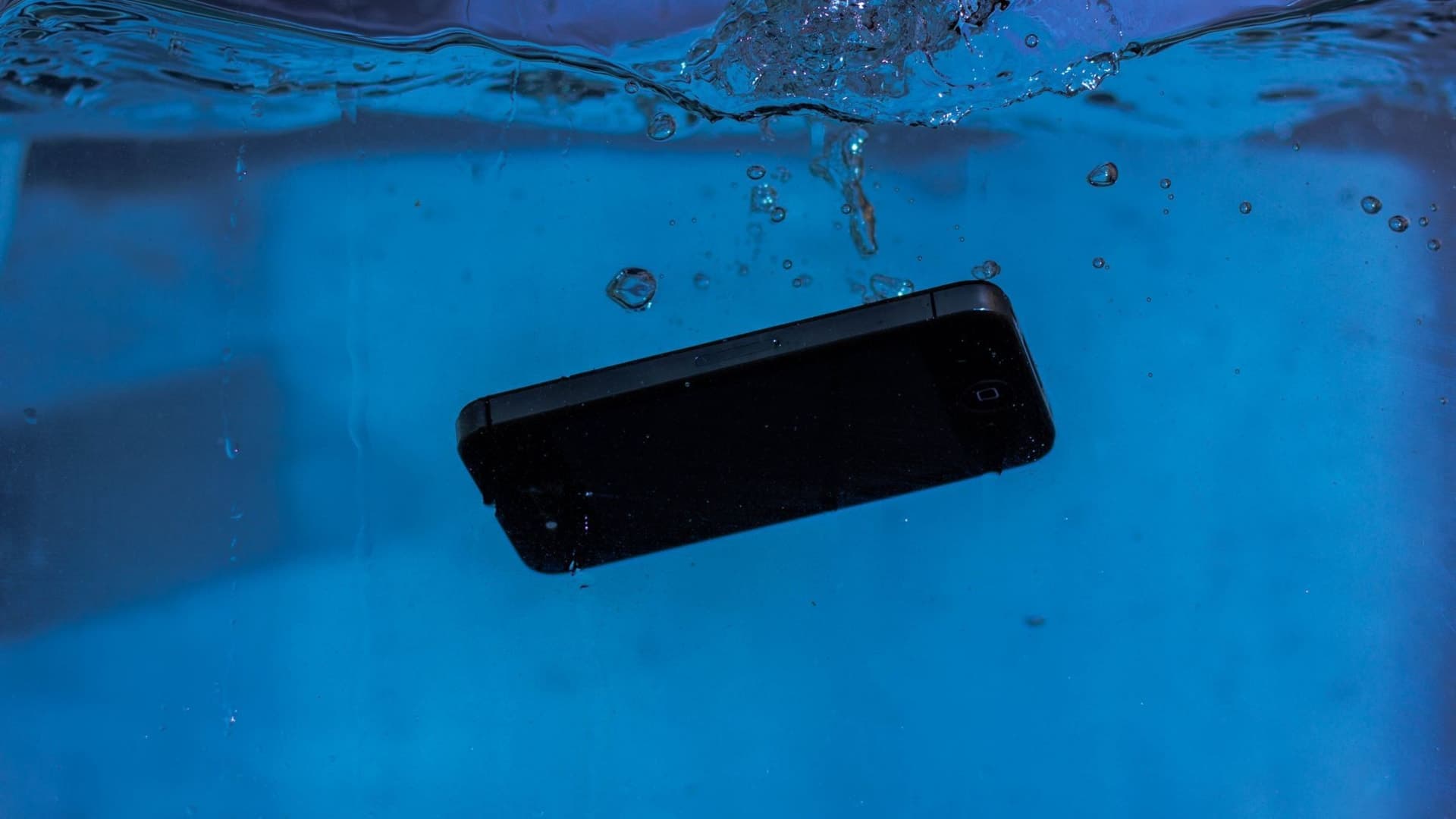
The lush forests, foggy plateaus, and ever-changing weather conditions of the Black Sea present a serious test for anyone stepping into nature. Especially if you are a beginner, running out of phone battery or having your flashlight break from water damage in the middle of a sudden downpour in the highlands of Artvin or Rize is the last scenario you want to face. At this point, choosing the right tech gear for camping draws the line between a standard camping trip and a struggle for survival.
The Black Sea region receives the highest rainfall in Turkey and features some of its most rugged terrain. As campers shift their routes to more isolated areas for the 2025 season, the need for reliable technology has evolved. A standard power bank or smartphone you use in the city center can quickly lose its functionality at the foothills of the Kaçkar Mountains. The main reason for this is that high humidity causes oxidation in the internal circuits of devices, and low temperatures rapidly degrade battery performance.
Communication itself requires thorough planning. On average, 65% of the camping areas and plateaus in the Black Sea region fall outside the coverage of standard GSM operators. This makes it impossible to call for help in an emergency or even just check the weather forecast. Therefore, you must accept that the technology you bring to camp is not a luxury, but a layer of security.
When packing your gear bag, you must remember that every gram will be a burden on your back. Beginners often tend to bring all their electronic gadgets from home. However, what you need in the Black Sea is not quantity, but durability and functionality.
Your phone, headlamp, and perhaps your GPS device all need power. Instead of a standard power bank for a Black Sea camp, you should opt for models with rubber coating, shock-absorbing features against drops, and an IP67 or IP68 (water and dust resistance) certification. A lithium-polymer (Li-Po) power source with a capacity of at least 20,000 mAh will provide enough energy for a weekend camping trip. Having an integrated flashlight or an emergency SOS flasher on the device also provides an extra advantage.
To prevent your phone from rapidly draining its battery while searching for a cell tower, you should put the device in airplane mode as soon as you reach the campsite. For navigation, the built-in GPS antennas of smartphones work without needing cellular data. However, it is essential to download maps offline while you are still at home. For more professional and longer-term camps, independent GPS communication devices that can send SMS via satellite and feature an SOS button (such as the Garmin inReach series) are lifesavers.
You need your hands free at the campsite; using a handheld flashlight while gathering wood, pitching a tent, or cooking is not practical. Therefore, a headlamp is mandatory. In the dense, foggy nights of the Black Sea, white light can reflect and restrict visibility. Choosing a headlamp with a red light mode not only preserves your night vision in foggy weather but also keeps night bugs away from your tent. A rechargeable device between 200 and 300 lumens is ideal for a start.
Buying technological gadgets is only the first step. Keeping them alive in the harsh conditions of the Black Sea is the real skill. Here are the practical steps you need to apply in the field:
There are some common traps that first-time campers fall into regarding technology. These mistakes can leave you vulnerable in nature.
Mistake 1: Focusing Only on Capacity
Many people buy massive power banks with a 40,000 mAh capacity. However, if these devices lack waterproofing, they will short-circuit at the first hit of rain they take in the Black Sea. Furthermore, the weight of these high-capacity devices creates a serious disadvantage during hikes.
Mistake 2: Ignoring the Effect of Cold Weather
The batteries of electronic devices work through chemical reactions. In environments where the temperature drops below 5 degrees Celsius, the discharge rate of standard lithium-ion batteries increases by 30% to 50% compared to room temperature. This is why your phone suddenly shuts down when it has 40% charge left. Failing to plan your energy consumption by factoring in the cold weather is a major mistake.
Mistake 3: Relying on a Single Device
Using your smartphone as a flashlight, map, camera, and communication tool may seem practical. But when your phone breaks or runs out of battery, you lose four different pieces of camping gear all at once. Distributing functions across different devices is a fundamental safety rule.
Technology provides you with comfort but does not change the rules of nature. Over-relying on your devices can lead you to make risky decisions. Entering an unfamiliar, densely forested, and foggy valley thinking, "I have GPS anyway," is dangerous. The vegetation in the Black Sea forests is so dense that sometimes even connecting to satellites can take minutes.
Additionally, absolutely do not attempt to charge lithium batteries that are damaged, swollen, or have fallen into water and haven't dried. A battery catching fire inside a tent can escalate the fire risk to a lethal level in seconds. A physical map, an analog compass, and a mechanical whistle should always be in a corner of your bag as your backups.
For a standard 2-3 day weekend camp at a beginner level, a power bank with a 20,000 mAh capacity is ideal. This capacity will be enough to fully charge your smartphone 4-5 times and provide energy for your headlamp.
Especially in regions with high rainfall and humidity rates like the Black Sea, an IP67 (resistant to drops in water and dust) or IP68 certification is mandatory. Standard devices can be damaged even by nighttime condensation inside the tent.
In overcast and cloudy weather, the efficiency of solar panels drops by 70%. Although high-quality monocrystalline panels continue to produce a low current, solar panels should not be relied upon as the main power source on Black Sea routes.
In situations where there is no cellular network, satellite-based SOS devices (like inReach) are used. If you do not have this device, you must absolutely inform your relatives or the local gendarmerie of your route and return time before going to camp.
In cold weather, you should not leave your phone in outer pockets or on the tent floor. You can protect the battery cells with your body heat by carrying it in inner pockets close to your body during the day and taking it inside your sleeping bag at night.
The unique nature of the Black Sea offers you unforgettable experiences when prepared correctly. However, this challenging geography does not forgive a lack of gear or carelessness. The care you show when choosing tech gear for camping directly affects your comfort and safety in nature. Pack your bag smartly with waterproof power sources, reliable lighting systems, and offline navigation tools. Before leaving home, make sure you have fully charged all your devices, your cables are intact, and you have downloaded your maps offline. Now you are ready to listen to the sounds of nature and have a safe camping experience. Happy camping!
Related guides and stories from the outdoor world
Lifesaving camping tech gear for beginners braving the challenging yet enchanting nature of the Black Sea.

All the clothing secrets you need to know to spend your first night in the great outdoors warm and comfortable.

Essential camping tech to keep you safe and connected in the great outdoors.

The essential tech and power management guide you need for a safe and comfortable camping experience without running out of battery in the wild.