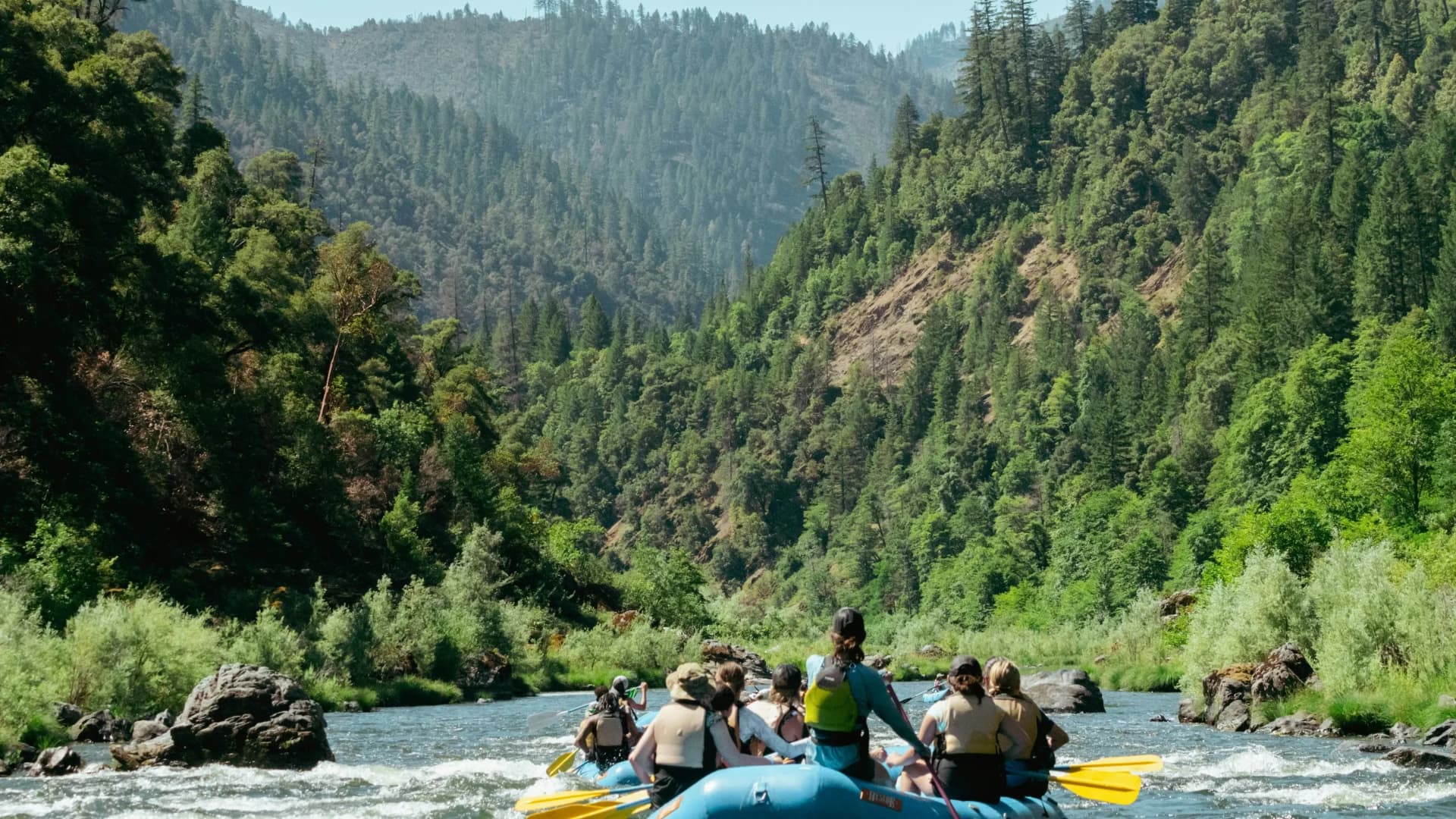
As one of Turkey's most impressive mountain ranges, the Kaçkar Mountains offer a true paradise for experienced campers and mountaineers. Forming the roof of the Eastern Black Sea region with the 3,937-meter-high Mount Kaçkar, this mountain range awaits adventure enthusiasts with its glacial lakes, alpine meadows, endemic plant species, and challenging trekking routes.
Camping in the Kaçkar Mountains is much more than an ordinary nature experience. It is an adventure that combines all the challenges and beauties of high-altitude mountain camping, allowing you to truly test your limits. In this guide, we will cover everything you need to know in detail for a safe and unforgettable camping experience in Kaçkar.
Where Are the Kaçkar Mountains?
The Kaçkar Mountains are a magnificent mountain range stretching between the provinces of Rize and Artvin, forming the highest section of the Eastern Black Sea Mountains. Spanning approximately 100 km, this mountain range is located inland, parallel to the Black Sea coastline.
Location and GPS Coordinates
The central coordinates of the Kaçkar Mountains are approximately 40.8333° N, 41.2000° E. However, since this is a vast mountain range, different coordinates are required for various trekking routes and camping spots:
Main Camping Spots:
- Deniz Lake Camping Area: 40.8500° N, 41.1833° E (3050m)
- Dilberdüzü Plateau: 40.8667° N, 41.1500° E (2750m)
- Büyük Lake Region: 40.8333° N, 41.2167° E (3065m)
- Aygır Lake Surroundings: 40.8000° N, 41.1833° E (3030m)
The most popular trekking route, the Trans-Kaçkar Trail, stretches between Ayder (Rize) and Yaylalar (Artvin) and is typically a 5-7 day journey.
Getting There by Private Vehicle
Direct vehicle access to the Kaçkar Mountains is not possible. However, you can drive to various trekking starting points:
From Rize (Ayder): You can drive from Rize city center through Çamlıhemşin and Ayder up to Kavron Plateau. This is one of the most popular starting points.
- Rize → Çamlıhemşin: 55 km (1 hour)
- Çamlıhemşin → Ayder: 19 km (30 minutes)
- Ayder → Kavron Plateau: 2 km (5 minutes, road may be rough)
The hike begins after Kavron Plateau. Vehicles can be parked here (daily fee of 50-100 TL).
From Artvin (Yaylalar): Trekking starting points can be reached via Artvin through Yusufeli and Barhal.
- Artvin → Yusufeli: 92 km (1.5 hours)
- Yusufeli → Barhal: 30 km (45 minutes)
- Barhal → Yaylalar: 15 km (30 minutes, rough road)
Important: If you plan to leave your vehicle at the starting point and return from a different location after trekking, you will need to arrange a transfer service. Alternatively, you can do a round trip from the same point.
Getting There by Public Transport
Reaching the Kaçkar trekking routes via public transport is possible but requires more planning:
Ayder Route:
- Minibus (dolmuş) from Rize city center to Çamlıhemşin (a few times a day)
- Minibus from Çamlıhemşin to Ayder (regular in summer)
- Hike or take a local taxi from Ayder to Kavron
Yaylalar Route:
- Minibus from Artvin or Yusufeli to Barhal (limited schedule)
- You may need to rent a local vehicle from Barhal to Yaylalar
Transfer Services: For a more comfortable option, you can arrange a private transfer from Rize or Artvin to the trekking starting points. This can be economical if you are traveling in a group.
Campsite Features and Facilities
Camping in the Kaçkar Mountains embodies all the characteristics of high-altitude mountain camping. This means both immense beauty and serious challenges.
Free Camping Spots
Camping in Kaçkar is completely free and relies on wild camping principles. The most popular camping spots are:
1. Deniz Lake Camping Area (3050m): One of the most popular camping spots on the Trans-Kaçkar Trail. You can camp by a large glacial lake accompanied by impressive mountain views. The lake water is freezing, but the brave can take a dip. It is a natural camping area with a capacity of usually 20-30 tents.
Pros: Magnificent scenery, water source, socializing with other campers Cons: Can get crowded due to popularity, winds can blow very fiercely
2. Dilberdüzü Plateau (2750m): A relatively sheltered camping area on a wide plateau plain. Ideal especially for the first day of camping.
Pros: Wide area, relatively flat ground, multiple water sources Cons: Possible livestock activity (cattle/sheep herds)
3. Büyük Lake Surroundings (3065m): Ideal for those seeking a more secluded camping experience. A magnificent camping spot right by the lake.
Pros: Less crowded, pristine nature, starry night sky Cons: Harder to reach, higher altitude
4. Aygır Lake Region (3030m): An area featuring multiple small glacial lakes. You have the opportunity to pitch a tent by any of the lakes.
Pros: Various camping spots, abundance of water, photographic opportunities Cons: Some spots may not be flat
5. Mount Kaçkar Approach Camps (3200-3500m): High-altitude camps for those climbing Mount Kaçkar. Strictly for experienced mountaineers.
Pros: Proximity to the summit, extreme mountaineering experience Cons: Very harsh conditions, lack of oxygen, extreme weather
Water and Toilet Situation
Water Sources: The Kaçkar Mountains are very rich in water sources. Almost every camping spot has glacial lake or stream water:
- Glacial lakes: Clean but freezing water
- Mountain streams: Flowing rivers, glacial melts
- Snow melts: Water obtained from snow during the summer months
IMPORTANT: Even at high altitudes, boiling or purifying water is a must. Parasites like Giardia can be present due to animal herds.
Toilet Situation: There are no toilet facilities in Kaçkar. Wilderness toilet rules must be strictly followed:
- Relieve yourself at least 70-100 meters away from water sources
- Bury solid waste in a 15-20 cm deep hole in the soil
- Carry ALL your trash with you, including toilet paper and wet wipes
- Using a portable toilet bag (wag bag) is highly recommended
- Never leave waste in plastic bags
Fire Rules
Lighting a fire in the Kaçkar Mountains is strictly forbidden and highly discouraged:
- You are above the tree line; there is no firewood
- Alpine vegetation is very fragile and takes years to form
- Fires don't burn properly at high altitudes anyway (lack of oxygen)
- Using a camping stove is mandatory
Using a Camping Stove:
- Make sure to bring a multi-fuel or gas camping stove
- Carry spare cartridges/fuel (consumption increases in the cold)
- Use a windscreen (important!)
- Set up the stove on a stable surface
Is There Cell Phone Reception?
There is no cell phone reception in most parts of the Kaçkar Mountains:
- There is a signal at the plateaus and starting points
- Altitudes above 2500m are generally out of coverage
- You might occasionally catch a signal on some high peaks
- In emergencies, 112 (emergency services) might be accessible from certain spots
Precautions:
- Always carry offline maps and a GPS device
- Make sure to inform someone of your route and return date
- Consider carrying a satellite phone or GPS tracker (SPOT, Garmin InReach)
- Carry a flare for emergencies
Best Camping Season and Weather
There is a very limited time window for camping in the Kaçkar Mountains. Conditions show extreme variability throughout the year.
Seasonal Recommendations
Spring (May-June): Early June is still under the influence of winter. Snow cover persists, and some passes may be inaccessible.
Pros: Lakes have just thawed, less crowded, plateau flowers are blooming Cons: Snow cover, cold (nights -5 to 5°C), some routes are closed
Summer (July-August): The most ideal period for Kaçkar. The snow cover has largely melted, and temperatures are at a tolerable level.
July: The most popular month. The weather is at its best, and all routes are open. However, it is the most crowded period.
August: Still good, slightly less crowded. Some water sources begin to diminish.
Pros: Good weather, all routes open, long daylight hours Cons: Crowded (especially July), some weekends are very busy
Autumn (September-October): September is still suitable, but the weather starts to deteriorate. Snowfall begins after October.
Pros: Less crowded, autumn colors (at lower altitudes) Cons: Variable weather, very cold nights (can drop to -10°C), risk of early snowfall
Winter (November-April): Only for those with professional winter mountaineering equipment and experience. Extremely dangerous.
Temperature and Precipitation Information
Weather conditions in the Kaçkar Mountains change dramatically depending on the altitude:
At 2500-3000m Altitude (Average Camping Heights):
June:
- Day: 8-15°C
- Night: -2 to 5°C
- Precipitation/snow: Frequent, risk of snow
July:
- Day: 12-20°C
- Night: 3-10°C
- Precipitation: Moderate, usually rain
August:
- Day: 12-18°C
- Night: 3-10°C
- Precipitation: Moderate to low
September:
- Day: 8-15°C
- Night: -2 to 5°C
- Precipitation/snow: Increasing, risk of snow
IMPORTANT WARNING: The weather in Kaçkar can change at any moment. A sunny morning can turn into dense fog and heavy rain within 2 hours. Sudden temperature drops, fierce winds, and even snowfall in the middle of summer are possible.
Nearby Attractions and Activities
The Kaçkar Mountains offer much more than just camping. It is an outdoor paradise.
Hiking Routes
1. Trans-Kaçkar Trail (Hard, 55-60 km, 5-7 days): Turkey's most famous trekking route. It starts in Ayder and ends in Yaylalar (or vice versa).
Route: Ayder → Kavron → Avusor → Dilberdüzü → Deniz Lake → Dölek Pass (3400m) → Büyük Lake → Dübe Lake → Yaylalar
Difficulty: Advanced level, high altitude, challenging climbs Best Time: July-August Required: Experience, good fitness, full equipment
2. Mount Kaçkar Summit Climb (Very Hard, 2 days): Climbing the 3937m Mount Kaçkar. Requires technical mountaineering skills.
Starting Point: Usually from Dilberdüzü or Deniz Lake Difficulty: Technical climb, glacier crossing, high altitude Required: Mountaineering equipment (crampons, ice axe, rope), experience, preferably a guide
3. Kaçkar Lakes Tour (Moderate-Hard, 3-4 days): A circular route that includes multiple glacial lakes.
Lakes: Deniz Lake, Büyük Lake, Aygır Lakes, Dübe Lake Difficulty: Moderate-hard, high altitude but no technical climbing Best For: Photography, nature observation
4. Dilberdüzü-Aygır Lakes (Moderate, 1-2 days): A shorter but satisfying route.
Difficulty: Moderate, well-marked trail Scenery: Alpine meadows, glacial lakes, Kaçkar views
Water Activities (if any)
Traditional water sports are not practiced in Kaçkar, but there are some water-based activities:
Glacial Lake Swimming: For the very brave! Lake waters are between 3-8°C. Due to the risk of hypothermia, it should be very brief and done with caution.
Stream Trekking: At lower altitudes, canyoning can be done in the Fırtına Stream and its tributaries (with a professional guide).
Photography: Great opportunities for lake reflections, sunrise, and sunset photos.
Camping Equipment Recommendations
Camping in the Kaçkar Mountains is highly demanding in terms of equipment. Going with incomplete gear can be life-threatening.
Must-Haves
Tent and Shelter:
- 4-season mountain tent (resistant to extreme wind and rain)
- Spare tent pegs (titanium pegs that can be driven into rocky ground)
- Stone weights (to secure the tent in the wind)
- Emergency bivvy bag (at least 1 for the group)
Sleep System:
- Sleeping bag with a -10°C comfort rating (a must!)
- High R-value insulation mat (at least R-4, preferably R-5+)
- Spare blanket or bivvy bag liner
- Inflatable pillow (for comfort)
Clothing (Layering System):
- Base layer: Merino wool or synthetic thermal underwear (2 sets)
- Mid layer: Fleece (2 of different thicknesses) + puffy jacket
- Outer layer: Gore-Tex or similar waterproof/windproof jacket and pants
- Spare clothing: Extra of everything (wet clothes = hypothermia)
- Footwear: Sturdy mountaineering boots (ankle support, waterproof) + spare socks (3-4 pairs)
- Gloves: Thin fleece + thick outer gloves/mittens
- Headwear: Wool beanie, buff/bandana, sun hat
- Carrying: 50-70L backpack (with rain cover)
Navigation and Safety:
- GPS device or smartphone + offline maps (at least 2 devices)
- Paper map + compass (digital devices run out of battery)
- Headlamp + flashlight (with spare batteries/charge)
- Multi-band radio (for group communication)
- Whistle (everyone should have one)
- Emergency flare
Kitchen:
- Multi-fuel or gas camping stove
- Windscreen
- Spare fuel (consumption doubles in the cold)
- Lightweight titanium/aluminum pots
- Water purification system (filter + tablets)
- High-calorie foods (energy bars, nuts, pasta)
- Thermos for hot drinks
First Aid and Emergency:
- Comprehensive first aid kit
- Altitude sickness medication (Diamox - with doctor's advice)
- Painkillers, antibiotics
- Blister plasters (crucial for feet!)
- Emergency blanket (space blanket)
- Repair kit (for tent, mat, stove repairs)
Region-Specific Recommendations
High Altitude Preparation:
- Adequate water consumption to prevent altitude sickness (3-4 liters a day)
- Slow climbing (max 500m elevation gain per day is ideal)
- Plan acclimatization days
Weather Variability:
- Extra sets of dry clothes
- Waterproof bags (dry bags) for everything
- Extra heating measures (hot water bottle, chemical warmers)
Weight Optimization:
- Do not bring unnecessary luxury items (every gram counts)
- Remove food from its packaging and transfer it to ziplock bags
- Opt for multi-purpose items
Safety Tips and Rules
The Kaçkar Mountains are one of Turkey's most challenging outdoor environments. Safety is an extremely serious matter.
Wildlife Warnings
Bears: There is a brown bear population in the Kaçkar region:
- Do not store food in the tent; hang it at a distant spot
- Make noise while hiking (wear a bear bell)
- In a bear encounter: Back away slowly, maintain eye contact, do not run
- Consider carrying bear spray
Wolf Packs: Rare but possible:
- Stay in your tent at night
- Although campfires are forbidden, they can be considered if there is a threat
Shepherd Dogs: Dogs guarding herds can be aggressive:
- Approach by calling out to the shepherd
- Never approach the herd directly
- Stay calm, do not shout
Venomous Snakes: Rare at high altitudes, but present in plateau areas:
- Wear long pants and boots
- Step carefully
Emergency Information
Emergency Numbers:
- 112: Emergency assistance (if working)
- 156: Gendarmerie (Jandarma)
- AFAD Mountain Rescue: Regional numbers (note them down beforehand)
Nearest Help Points:
- Ayder side: Ayder Health Clinic, Çamlıhemşin Hospital, Rize State Hospital
- Yaylalar side: Yusufeli District Hospital, Artvin State Hospital
Common Emergencies and Precautions:
1. Altitude Sickness:
- Symptoms: Headache, nausea, fatigue, shortness of breath
- Precaution: Ascend slowly, drink plenty of water, acclimatize
- Treatment: Descend to a lower altitude (the only definitive cure!)
2. Hypothermia:
- Symptoms: Shivering, loss of coordination, slurred speech
- Precaution: Stay dry and warm, wear layered clothing
- Treatment: Remove wet clothes, put the person in a sleeping bag, give hot drinks
3. Getting Lost:
- Stay where you are, do not panic
- Blow your whistle (6 short blasts - mountain distress signal)
- Find a sheltered spot, pitch your tent
- Stay near a water source
4. Storm/Lightning:
- Move away from peaks and ridges, descend to the valley floor
- Stay away from metallic objects
- Crouch down to minimize contact area
- Move away from the tent (metallic structure with pegs)
5. Injury:
- Move as a group (never go alone)
- In case of serious injury: Stabilize the injured person, one person should go for help
- If possible, a helicopter rescue can be coordinated
Rescue Protocol:
- Assess the situation (is it life-threatening?)
- Administer first aid
- If there is a signal, call 112; if not:
- One person goes to the nearest settlement for help
- The others stay with the injured person and provide emergency care
- Record your location with GPS coordinates
- Identify and mark an open area for a helicopter
Frequently Asked Questions (FAQ)
Is experience required to camp in Kaçkar? Yes. Kaçkar is not suitable for beginner campers. It requires high altitude, variable weather, challenging trekking, and navigation skills. You should have at least 2-3 years of regular camping and trekking experience.
Is it safe to go alone? No, it is highly discouraged. Go in a group of at least 3-4 people. If you go alone, you won't be able to get help in case of injury or getting lost.
Should I go with a guide? If it's your first time or your experience is limited, we strongly recommend going with a professional mountain guide. Guides possess route knowledge, weather interpretation, and emergency response skills.
Can I go to Kaçkar in June? The risk of snow is high in June. Some passes may be closed, and night temperatures can drop to -5°C. It is possible if you are experienced and well-equipped, but July is safer.
How much food should I bring? Your total trek duration + 2 extra days (for emergencies). You need about 3500-4000 calories daily (metabolism speeds up at high altitudes). Opt for lightweight, high-calorie foods.
How will I find water? Water is abundant, but you must purify it. There are plenty of glacial lakes, streams, and snow melts. You need to consume 3-4 liters of water a day.
Can I go with children? No. Kaçkar is not suitable for children. Due to the high altitude, challenging trekking, and hazards, a minimum age of 16+ is recommended.
Can my camping gear get stolen? Theft is very rare in Kaçkar. However, still carry your valuables with you; do not lock them in the tent.
Can I go with a pet? Technically not forbidden, but highly discouraged. Dogs are affected by high altitude, their paws can get injured, and there is a danger of wild animals.
Is there internet/cell phone reception in Kaçkar? No. There is no signal on most trekking routes. Offline maps and a GPS device are mandatory.
When can I take the best photos? Sunrise (05:00-06:00) and sunset (19:30-20:30) are the golden hours. Additionally, dramatic light plays can be captured on cloudy days.
Do I need a trekking permit? No, a special permit is not required. However, make sure to inform someone (gendarmerie station, your guesthouse, etc.) of your route and return date.
Related Content:
- Turkey's 30 Free Camping Areas →
- Black Sea Free Camping Areas →
- Ayder Plateau Camping Guide →
- Pokut Plateau Camping Guide →
- Borçka Karagöl Camping Guide →
- What to Bring for Free Camping →
- Free Camping Safety Guide →
The Kaçkar Mountains offer Turkey's most magnificent but also most challenging camping experience. With the right preparation, equipment, and respect, it is possible to gather unforgettable memories in these unique mountains. Realistically evaluate your experience and fitness, push your limits but never exceed them. The mountains will always be there.