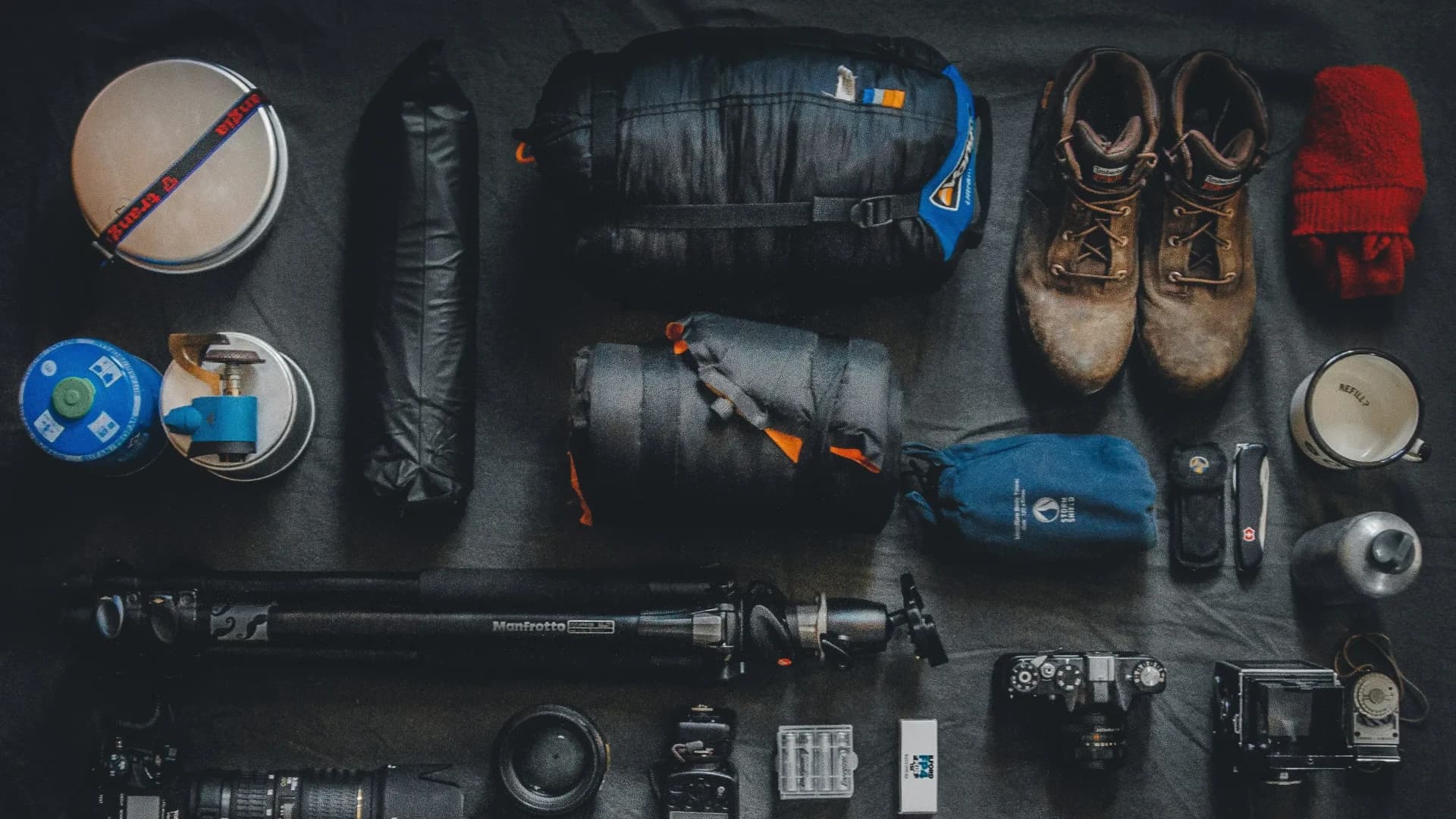
Free camping is a wonderful experience, but having the right gear is crucial when spending time in nature without the infrastructure and amenities provided by paid campsites. In this guide, we present a detailed, categorized list of all the equipment you'll need for a safe and comfortable free camping experience.
Essential Shelter Gear
Tent
Choosing a tent is your most important decision. Since free camping lacks infrastructure support, your tent must provide protection against all weather conditions.
Tent Features:
- Seasonality: 3-season tents are sufficient for spring, summer, and fall. 4-season tents are a must for winter camping.
- Capacity: Ideally, one more than the number of people using it (a 3-person tent for 2 people provides space for gear).
- Waterproofing: Minimum 3000mm hydrostatic head. 5000mm and above is ideal for heavy rain.
- Ventilation: Mesh windows and vents are essential for adequate airflow.
- Ease of Setup: Freestanding tents (pole system, can stand without pegs) can be pitched on any terrain.
- Weight: Maximum 2-3 kg for backpacking; 5-7 kg is acceptable for car camping.
Recommendations:
- Budget-Friendly: Quechua MH100 (800-1200 TL)
- Mid-Range: Naturehike Cloud-Up 2 (1500-2200 TL)
- Premium: MSR Hubba Hubba NX (6000-8000 TL)
Tarp
An additional protective layer stretched over the tent. It provides extra protection from the sun and rain, extending the life of your tent.
- Size: At least 1 meter larger than the tent
- Material: Silicone-coated nylon or polyester
- Color: Silver/Green (for sun reflection and camouflage)
- Weight: Between 300-800 grams
- Price: 200-600 TL
Sleeping Bag
A sleeping bag suited for nighttime temperatures is the foundation of your comfort.
Temperature Ratings:
- Comfort: You will sleep comfortably at this temperature
- Limit: You might feel cold but can still sleep
- Extreme: Survival temperature, not comfortable
Seasonal Choice:
- Spring/Fall: +5°C / 0°C comfort
- Summer: +15°C / +10°C comfort
- Winter: -5°C / -10°C comfort or lower
Fill Type:
- Down: Lighter, more compressible, expensive (2000-8000 TL)
- Synthetic: Heavier, cheaper, retains heat even when wet (500-2500 TL)
Shape:
- Mummy: Warmer, takes up less space, slightly restrictive
- Rectangular: Roomier, can be unzipped and used as a blanket
Sleeping Pad / Insulation
Blocks the cold from the ground and increases comfort. It is just as important as a sleeping bag.
Pad Types:
- Foam Pad: Cheap (150-400 TL), lightweight, durable, bulky
- Self-Inflating Pad: Mid-price (600-1500 TL), semi-automatic inflation, medium comfort
- Air Pad: Expensive (1200-3500 TL), very comfortable, risk of puncturing
R-Value (Insulation Value):
- R 1-2: Summer
- R 2-4: 3-season
- R 4+: Winter
Recommendations:
- Budget: Decathlon Foam Pad (200 TL)
- Balanced: Naturehike Self-Inflating (800 TL)
- Comfort: Therm-a-Rest NeoAir (2500 TL)
Pillow
Inflatable camping pillows provide great comfort in a small package. Alternatively, you can stuff clothes into a sack to make a pillow.
- Ultralight inflatable pillow: 100-400 TL
- Weight: 50-150 grams
Cooking and Dining Gear
Camp Stove
Building a fire while free camping may not always be possible or could be prohibited. A portable stove is a must.
Stove Types:
Canister Stoves:
- Most popular and practical
- Price: 150-800 TL
- Fuel: Threaded canister (30-60 TL)
- Pros: Lightweight, easy to use
- Cons: Performance drops in cold weather
Liquid Fuel Stoves:
- White gas or kerosene
- Price: 1500-4000 TL
- Pros: Works in the cold, cheap fuel
- Cons: Requires maintenance, heavy
Alcohol Stoves:
- Cheap and simple
- Price: 50-200 TL (DIY possible)
- Pros: Very lightweight, safe
- Cons: Slow cooking, sensitive to wind
Wood Stoves:
- No combustible fuel required
- Price: 500-1500 TL
- Pros: Free fuel (twigs and branches)
- Cons: May be banned in some areas, smoky
Cookware
Pot Set:
- For 1-2 people: 1L + 2L pots are sufficient
- Titanium: Very lightweight, expensive (1500-4000 TL)
- Aluminum: Lightweight, cheap (200-600 TL)
- Stainless steel: Heavy, durable (300-800 TL)
Cutlery:
- Titanium or plastic spork/cutlery set
- Pocket knife (can be combined with a multi-tool)
- Price: 50-300 TL
Plates and Bowls:
- Aluminum or plastic
- Collapsible types take up less space
- Price: 100-400 TL per set
Mug/Thermos:
- Steel insulated mug: Keeps drinks hot
- Collapsible silicone cup: Lightweight and compact
- Price: 150-600 TL
Water and Hydration Gear
Water Containers:
- Soft (collapsible) jug: Takes up little space when empty, 10L (150-400 TL)
- Hard jug: More durable, 5-10L (200-500 TL)
- For daily carrying: 1-2L thermos/bottle (100-800 TL)
Water Purification Gear:
If you plan to use water from natural sources, purification is a must.
- Water Filters: LifeStraw, Sawyer Mini (250-800 TL) - Filters out bacteria
- UV Purifier: SteriPEN (1200-2500 TL) - Kills bacteria, chemical-free
- Purification Tablets: Micropur (80-150 TL/50 tablets) - Cheap, lightweight, chemical taste
- Boiling: Free but consumes fuel
Food Storage
- Cooler Bag: For short-term trips (200-1000 TL)
- Airtight Bags: Keeps food dry, protects from animals
- Bear Bag / Hang Bag: Hanging food from a tree to protect it from bears and other animals
Safety and First Aid
First Aid Kit
When free camping, the nearest medical facility could be hours away. A comprehensive first aid kit is a lifesaver.
Basic Contents:
- Band-aids (various sizes)
- Sterile gauze and compresses
- Elastic bandage
- Antiseptic solution (Betadine)
- Antibiotic ointment
- Painkillers (Paracetamol, Naproxen)
- Fever reducer
- Anti-diarrhea medication
- Antihistamine for allergic reactions
- Insect bite cream
- Burn cream
- Tweezers
- Scissors
- Gloves
- Thermometer
- Personal medications
Pre-made Kits: Between 200-800 TL DIY Kit: 300-500 TL
Navigation Gear
Map and Compass:
- Topographical map of the area (1:25000 scale)
- Compass (military style recommended): 150-500 TL
- GPS device: 1500-5000 TL (optional)
- Offline map apps: Maps.me, OsmAnd (free)
Lighting
Headlamp:
- The most practical option - keeps your hands free
- LED, rechargeable preferred
- Minimum 200 lumens
- Red light mode preserves night vision
- Price: 200-1200 TL
Flashlight:
- Backup lighting
- Stronger light output
- Price: 150-1000 TL
Camp Lantern:
- Tent and group area lighting
- Rechargeable LED lanterns
- Hangable and collapsible models
- Price: 150-600 TL
Communication and Power
Powerbank:
- Minimum 20000 mAh
- Solar panel models (charges slowly)
- Multiple USB ports
- Price: 300-1500 TL
Smartphone:
- Waterproof case
- Fully charged backup battery
- Offline maps downloaded in advance
Emergency Whistle:
- In case of getting lost or injured
- Very lightweight, cheap: 20-50 TL
Two-Way Radio (Optional):
- Communication during group camps
- In areas with no cell coverage
- Price: 400-2000 TL/pair
Tools
Pocket Knife / Multi-tool:
- Swiss Army Knife or Leatherman style
- Minimum: Knife, can opener, screwdriver
- Price: 200-2000 TL
Axe / Saw:
- For cutting wood (where fires are legal)
- Small folding saw is practical
- Price: 200-800 TL
Rope and Paracord:
- Hanging clothes, reinforcing the tent, rigging a tarp
- 10-20 meters is sufficient
- Paracord is multi-purpose and durable
- Price: 50-200 TL
Pegs and Mallet:
- Extra tent pegs (originals can get lost)
- Rock pegs for hard ground
- Rubber mallet is handy for rocky terrain
- Price: 100-400 TL
Repair Kit:
- Tent and pad patches
- Sewing needle and thread
- Duct tape - fixes everything!
- Multi-purpose glue
Clothing and Personal Care
Clothing Strategy: Layering
Base Layer:
- Moisture-wicking, quick-drying material
- Merino wool or synthetic
- Short and long sleeve (2 of each)
- Price: 200-800 TL/piece
Mid Layer:
- Provides insulation - fleece or softshell
- Price: 300-1500 TL
Outer Layer (Shell):
- Waterproof and windproof
- Breathable (Gore-Tex or similar)
- Price: 800-5000 TL
Clothing List
- Underwear: 3-4 pairs (quick-drying)
- Socks: 3-4 pairs (merino wool recommended)
- Pants: Trekking pants, convertible shorts (2 pairs)
- T-shirts: 2-3 quick-drying
- Sweater/Fleece: 1-2 pieces
- Raincoat/Jacket: Waterproof, windproof
- Hat/Beanie: Sun protection / warmth
- Gloves: For cold weather
- Bandana/Buff: Multi-purpose (sun, dust, cold protection)
Footwear
Trekking Boots:
- Ankle support
- Waterproof (Gore-Tex)
- Good sole traction
- Price: 800-3000 TL
Camp Slippers/Sandals:
- Comfortable in the tent and around camp
- Crocs, sandals, or lightweight sneakers
- Price: 150-600 TL
Personal Care
- Soap: Biodegradable soap (eco-friendly)
- Shampoo: Dry shampoo or biodegradable
- Toothbrush/Toothpaste: Travel size
- Toilet Paper: In a waterproof bag
- Hand Sanitizer: 50-100 ml
- Sunscreen: SPF 50+, waterproof
- Insect Repellent: DEET-based or natural
- Lip Balm: With SPF
- Towel: Microfiber (quick-drying, compact)
- For Women: Sanitary pads/tampons, paper bags
Extra Gear by Region
Beach Camping (Çıralı, Kabak, Patara)
- Beach umbrella/awning: For shade
- Snorkel gear: For underwater exploration
- Water shoes: For rocky shores
- Cooler bag: For food
- Extra water jug: Fresh water might be scarce
Check out our beach camping guide
Mountain/Highland Camping (Aladağlar, Kaçkarlar, Uludağ)
- 4-season tent: For sudden weather changes
- Warm sleeping bag: -5°C or lower
- Trekking boots: For rugged terrain
- Trekking poles: For balance and knee protection
- Windproof jacket: Winds are harsh at high altitudes
- Altitude medication/cream: For altitude sickness
- Thermos flask: For hot drinks
Lake Camping (Abant, Eğirdir, Bafa, Nemrut Crater Lake)
- Fishing gear: Rod, bait
- Boat/Inflatable kayak: For water activities
- Dry bag: For valuables
- Mosquito repellent: Abundant by the lake
Forest Camping (Yedigöller, Ballıkayalar, Ilgaz)
- Axe: For cutting wood (where permitted)
- Raincoat: Forests are damp and rainy
- Insect repellent: Ticks, mosquitoes, flies
- Tick remover: Ticks are common
- Powerful flashlight: Forests get very dark
Budget-Friendly Gear Recommendations
Minimum Budget Camp Setup (Total: ~3000-4000 TL)
- Tent: Quechua MH100 (1000 TL)
- Sleeping bag: Decathlon synthetic (600 TL)
- Sleeping pad: Foam pad (200 TL)
- Camp stove: Basic canister stove (200 TL)
- Cookware: Aluminum (250 TL)
- Water jug: Collapsible plastic (150 TL)
- Light: LED headlamp (250 TL)
- First aid: Pre-made kit (250 TL)
- Pocket knife: Basic Victorinox model (200 TL)
- Clothing: Existing sportswear + cheap raincoat (500 TL)
- Other: Rope, bags, etc. (200 TL)
Mid-Range Budget Setup (Total: ~8000-10000 TL)
- Tent: Naturehike Cloud-Up (2000 TL)
- Sleeping bag: Mid-range synthetic (1500 TL)
- Pad: Self-inflating (1000 TL)
- Stove: Quality canister stove + spare (500 TL)
- Cookware: Quality aluminum set (600 TL)
- Water: Jug + filter (800 TL)
- Lighting: Headlamp+flashlight+lantern (800 TL)
- First aid: Comprehensive kit (500 TL)
- Multi-tool: Leatherman (800 TL)
- Clothing: Trekking pants, jacket, boots (2500 TL)
Premium Setup (Total: ~20000+ TL)
- Tent: MSR Hubba Hubba (7000 TL)
- Sleeping bag: Down -10°C (4000 TL)
- Pad: Therm-a-Rest (2500 TL)
- Stove: Liquid fuel (2500 TL)
- Cookware: Titanium set (2000 TL)
- Water: Premium filter + jugs (1500 TL)
- Lighting: Premium LEDs (1500 TL)
- Clothing: Gore-Tex, Merino wool (5000 TL)
- Other: GPS, two-way radios, etc. (3000 TL)
Gear Maintenance and Longevity
- Tent: Dry and clean it after every trip, wait until it's completely dry. Storing it damp causes mold.
- Sleeping Bag: Do not store it compressed; keep it in a large sack or hang it up.
- Stove: Keep it clean, clean the jets, perform regular maintenance.
- Clothing: Follow specific washing instructions, re-waterproof materials 1-2 times a year.
- Footwear: Remove dirt, dry completely, apply shoe care cream/wax.
Gear Checklist
Pre-Camp Checklist
□ Tent (with pegs and guylines) □ Sleeping bag □ Sleeping pad □ Pillow □ Camp stove + fuel □ Pot/pan set □ Dinnerware (spoon, fork, knife, plate) □ Water jugs (filled) □ Water purification gear □ First aid kit □ Flashlights/Headlamps (charged) □ Powerbank (charged) □ Pocket knife/multi-tool □ Rope and paracord □ Extra pegs □ Repair kit □ Map and compass □ Smartphone (offline maps downloaded) □ Raincoat □ Extra clothing □ Sunscreen □ Insect repellent □ Toilet paper □ Trash bags □ Food and snacks □ Matches/lighter (in a waterproof bag) □ Emergency whistle
Post-Camp Checklist
□ Is all trash collected? □ Is the fire completely out? □ Are all tent pegs collected? □ Is any gear left behind? □ Is the area cleaned up? □ Is the natural environment restored to its original state?
FAQ
What should I invest in first when buying gear? Order of priority: 1) A quality sleep system (sleeping bag + pad), 2) A waterproof tent, 3) Raincoat/jacket, 4) Good footwear. A good night's sleep is the foundation of the camping experience.
Should I buy second-hand gear? Yes, buying second-hand is smart, especially for tents, sleeping bags, and clothing. However, we recommend buying safety gear (lights, first aid) and sleeping pads brand new. You can find them on local marketplaces or Facebook groups.
Should I go camping without testing my gear? Never! Before your first trip, pitch the tent in your backyard, sleep in your sleeping bag, and test the stove. It's much easier to solve problems while still in the city.
How many kg of gear should I carry for a multi-day camp? For backpacking, a maximum of 12-15 kg (20% of your body weight). For car camping, there is no limit. Longer trips might actually require less gear if you plan on washing clothes.
How should food be stored? Dry foods (pasta, rice, canned goods) in airtight bags. Fresh foods in a cooler bag. All food must be protected from animals at night - kept outside the tent, hung from a tree, or stored in your vehicle.
Should I rent or buy camping gear? Renting makes sense for your first few trips (1-2 times a year). If you plan to camp frequently (5+ times a year), buying is more economical. Rental prices: Tents 100-200 TL/day, sleeping bags 50-100 TL/day.
Where should I buy gear? Decathlon (affordable, mid-quality), outdoor stores (high quality, expensive), online (for sales), and second-hand platforms (for budget). You can catch great discounts at the end of the season (September-October).
Conclusion
The right gear makes your free camping experience safe, comfortable, and enjoyable. While this list may seem extensive, you don't need to buy everything at once. Start with the essentials (tent, sleep system, cooking) and expand your collection as you gain experience.
Remember: The most expensive gear isn't always the best gear. Choose what fits your needs, camping style, and budget. And always ask yourself, "Do I really need this?" - minimalism is freedom in camping.
Happy camping!
Related Content: