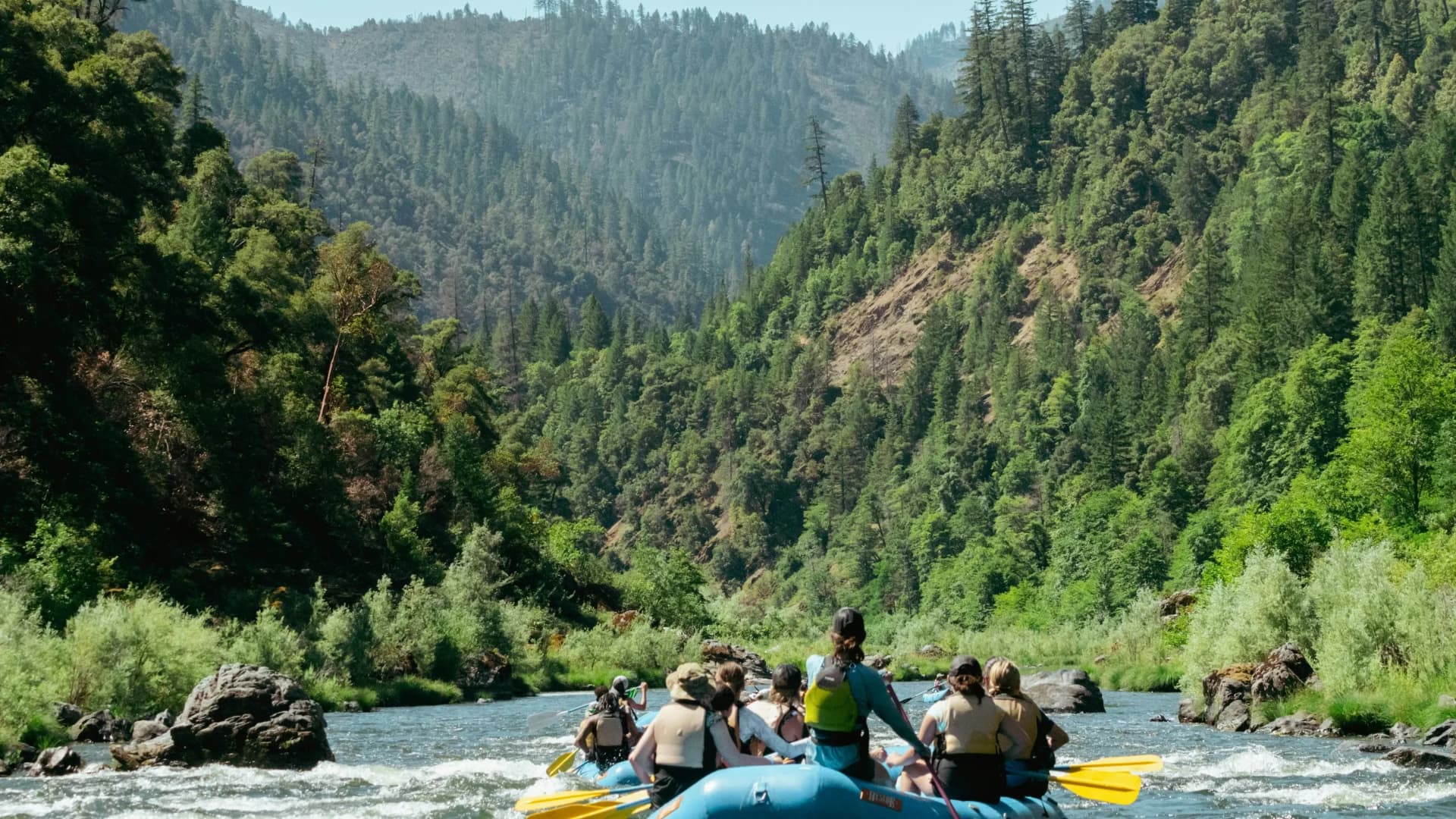
Camping with kids is a fantastic opportunity for children to connect with nature and for the family to spend quality time away from technology. Free camping makes this experience budget-friendly. In this guide, you will find the most suitable free campsites for families with children and everything you need to know for a successful family camping trip.
Benefits of Camping with Kids
Developmental Benefits
Connection with Nature: While playing in a natural environment, children develop their motor skills, balance, and coordination. Climbing trees, collecting stones, and observing insects are not only fun but also educational.
Creativity and Imagination: Without tablets and televisions, children invent their own games. Activities like collecting branches, painting stones, and setting up camp trigger creativity.
Problem-Solving Skills: The practical aspects of camping, such as building a fire, pitching a tent, and cooking, develop children's problem-solving skills.
Self-Confidence: Learning new skills (using a compass, building a fire, fishing) boosts children's self-confidence.
Family Bonding
Quality Time: Spending quality time together as a family in a screen-free environment strengthens communication and creates memories.
Cooperation: Working together on tasks like setting up camp and preparing meals strengthens family bonds.
Creating Traditions: Regular family camping trips become a family tradition, and children will keep these memories alive when they grow up.
Educational Value
Science and Nature: Stars, plants, animals, geology - nature is a living classroom.
Mathematics: Calculating distances, measuring materials, and reading maps are practical math applications.
Responsibility: They learn responsibility in areas like gear maintenance, picking up trash, and fire safety.
Top 10 Free Campsites for Family Camping
When camping with kids, safety, accessibility, shallow water, shaded areas, and a variety of activities are important. Here are the 10 most family-friendly spots:
1. Cirali Beach, Antalya
Why It's Family-Friendly:
- Shallow and calm sea - safe for kids
- Sandy beach - ideal for making sandcastles and playing
- Shaded areas under pine trees
- Caretta caretta sea turtles - educational observation
- Nearby village - markets for urgent needs
Activities:
- Playing in the sea and sand
- Exploring the ancient city of Olympos (nearby)
- Turtle nest observation (June-August)
- Yanartas hike (evening activity)
Age Suitability: All ages
Details: Cirali Free Camping Guide
2. Cennet Bay, Kas
Why It's Family-Friendly:
- Sheltered bay - waveless sea
- Crystal clear, turquoise water
- Plenty of tree shade
- Perfect for snorkeling - safe for kids
- Lots of other families - opportunity to socialize
Activities:
- Snorkeling and observing marine life
- Cliff jumping (in deeper parts)
- Playing in the sand
- Watching the sunset
Age Suitability: 5+ (with life jackets for non-swimmers)
Details: Cennet Bay Free Camping Guide
3. Adrasan Bay, Antalya
Why It's Family-Friendly:
- Long sandy beach - wide area for running and playing
- Shallow shore - little ones can swim safely
- Cafes along the beach - parents can take a coffee break
- Clean beach
Activities:
- Cycling on the beach
- Sandcastle competition
- Night walks on the beach
- Beach volleyball
Age Suitability: All ages
Details: Adrasan Bay Free Camping Guide
4. Around Yedigoller National Park, Bolu
Why It's Family-Friendly:
- Easy and short hiking trails
- 7 different lakes - variety
- Plenty of oxygen - healthy environment
- Cool weather - ideal in the summer heat
- Picnic areas and toilets are nearby
Activities:
- Skipping stones by the lake
- Tree and leaf collection
- Bird watching
- Photography - the lakes are very photogenic
- Short trekking routes
Age Suitability: 3+ (all ages with a baby carrier)
Warning: Permission is required inside the national park; free in surrounding forest areas
5. Lake Egirdir, Isparta
Why It's Family-Friendly:
- Shallow lake shore
- Clean and fresh water
- Tree shades
- Calm and peaceful environment
- Yesilada and other islands - boat tours available
Activities:
- Swimming by the lake
- Fishing (fun for kids)
- Boat trip to the island
- Bicycle tours (around the lake)
- Sunset photography
Age Suitability: All ages
Details: Lake Egirdir Free Camping Guide
6. Hamsilos Bay, Sinop
Why It's Family-Friendly:
- Unique fjord view - a visual feast
- Calm and waveless bay
- Freshwater stream - kids can play
- Safe and sheltered area
- Great spot for photography
Activities:
- Swimming in the bay
- Exploring the stream
- Rock climbing (simple)
- Photography
- Fish observation
Age Suitability: 5+
Details: Hamsilos Bay Free Camping Guide
7. Erikli Plateau, Rize
Why It's Family-Friendly:
- Plateau breeze - coolness and fresh air
- Wide area surrounded by greenery
- Animal observation (cows, horses)
- Local yogurt and dairy products (kids will love it)
- Panoramic views
Activities:
- Plateau excursion
- Meeting the animals
- Running in the grassy meadows
- Hazelnut picking (in season)
- Cloud watching
Age Suitability: All ages
Details: Erikli Plateau Free Camping Guide
8. Foca, Izmir
Why It's Family-Friendly:
- Multiple beach options
- Small town nearby - accessible markets and pharmacies
- Shallow coastline
- Ancient ruins - a history lesson
- Siren Rocks - storytelling of legends
Activities:
- Playing in the sea and sand
- Exploring ancient ruins
- Boat tour (chance to see seals)
- Strolling through the town
- Fishing
Age Suitability: All ages
Details: Foca Free Camping Guide
9. Lake Bafa, Mugla
Why It's Family-Friendly:
- Calm lake environment
- Ancient city ruins - a sense of adventure
- Flamingo watching (winter months)
- Shallow shore
- Nearby village - for basic needs
Activities:
- Swimming by the lake
- Exploring the ancient city
- Bird watching (flamingos, pelicans)
- Fishing
- Photography
Age Suitability: 5+
Details: Lake Bafa Free Camping Guide
10. Patara Beach, Antalya
Why It's Family-Friendly:
- 18 km long beach - endless playground
- Very shallow shore - ideal for small children
- Caretta caretta sea turtles
- Ancient ruins of Patara - educational
- Clean sandy beach
Activities:
- Making sandcastles
- Searching for Caretta tracks
- Touring the ancient theater and harbor
- Exploring the sand dunes
- Running races by the sea
Age Suitability: All ages
Details: Patara Free Camping Guide
All Locations: Turkey's Top 30 Free Campsites
Age-Specific Camping Recommendations
Ages 0-3 (Babies and Toddlers)
Campsite Selection:
- Short driving distance (<2 hours)
- Flat ground (for strollers)
- Shaded area (babies are sensitive to the sun)
- Nearby toilet facilities (for diaper changes)
Gear:
- Baby carrier (front or back)
- Portable crib or inflatable mattress
- Plenty of spare clothes
- Wet wipes (lots of them)
- Feeding equipment
- Sunscreen (baby-specific, SPF 50+)
- Mosquito repellent (baby-safe)
- Sound machine (white noise - for sleep)
Tips:
- Maintain routines (meal and sleep times)
- Short initial trips (1-2 nights)
- Bring a familiar toy
- Choose a quiet, less crowded area
- Pay attention to the temperature (>30°C is tough on babies)
Ages 4-7 (Preschoolers)
Campsite Selection:
- Safe waterfront (shallow, calm)
- Wide play area
- Things to explore (stones, branches, animals)
- Other families around (playmates)
Activities:
- Scavenger hunt (prepare a list beforehand)
- Nature collection (leaves, stones, feathers)
- Simple hikes (maximum 1-2 km)
- Storytelling around the campfire
- Stargazing and constellations
Gear:
- Kids' sleeping bag (colorful, fun patterns)
- Kids' headlamp (they love having their own)
- Life jacket (for water activities)
- Sand toys
- Play equipment (ball, frisbee)
Tips:
- Assign chores (collecting tent pegs, carrying water)
- Explain safety rules (fire, water, getting lost)
- Establish an evening routine (teeth, pajamas, story)
- Plan for nighttime bathroom trips (potty or nearby toilet)
Ages 8-12 (School-Age)
Campsite Selection:
- Adventure opportunities (climbing, hiking)
- Water sports available (snorkeling, kayaking)
- Ancient ruins or natural wonders (educational)
- Slightly challenging (for a sense of achievement)
Activities:
- Orienteering (using a map and compass)
- Fishing
- Building a fire (supervised)
- Cooking (simple recipes)
- Nature photography
- Night hiking
- Kayaking/canoeing
Gear:
- Their own backpack (small, for their own belongings)
- Kids' multi-tool (safe, like Victorinox)
- Journal or nature notebook
- Camera (simple, durable)
- Their own water bottle
Tips:
- Give them responsibilities (packing their own bag, gear maintenance)
- Involve them in decision-making (where to camp, what to eat)
- Teach skills (compass, first aid, knots)
- Let them bring a friend (1 friend)
Ages 13+ (Teens)
Campsite Selection:
- Sports activities (mountain biking, trekking, climbing)
- Social environment (other teens)
- Photography potential (Instagram!)
- Challenging activities
Activities:
- Challenging trekking routes
- Water sports (surfing, paddleboarding)
- Night photography (stars, long exposure)
- Camp cooking competition
- Solo mini-adventure (in a controlled environment)
Tips:
- Grant autonomy (their own tent, with friends)
- Provide leadership opportunities (route planning, navigation)
- Be flexible about technology use (photography, music)
- Guide them toward their interests (climbing, photography, survival)
Camping Gear for Kids
Sleep System
Kids' Sleeping Bag:
- Smaller than adult bags (less empty space = warmer)
- Colorful and fun patterns (motivating)
- Appropriate temperature rating (+5°C for summer)
- Price: 500-1500 TL
Sleeping Mat:
- Thick mat (for comfort)
- Colorful or patterned (helps them recognize their own space)
- Inflatable mats are comfortable but can puncture
- Price: 300-1000 TL
Pillow:
- Inflatable pillow or bring their favorite pillow
- A familiar pillow provides comfort
Clothing
Layering Principle:
- Base Layer: Quick-drying, moisture-wicking
- Middle Layer: Fleece or sweater
- Outer Layer: Windbreaker/raincoat
Extras:
- 2x extra underwear (in case of getting wet or dirty)
- Spare shoes (wet shoes are a problem)
- Hat and sunglasses
- Sandals/slippers (comfortable around the campsite)
Safety Gear
Kids' Life Jacket:
- Essential for water activities
- Appropriate for the child's weight
- Bright color (visibility)
- Price: 200-600 TL
Kids' Helmet:
- If biking or kayaking
- For rock climbing
Reflective Bracelet:
- Nighttime visibility
- Cheap and effective
Whistle:
- In case of emergency (getting lost)
- Worn around the neck
- Teach them how to use it (3 short blows = emergency)
Entertainment and Activities
Toys (Minimal):
- Sand toys (beach camping)
- Ball or frisbee
- Paper and crayons
- Card games
Exploration Gear:
- Magnifying glass
- Bug-catching jar
- Kids' binoculars
- Nature observation notebook
Hygiene and Health
Personal Hygiene:
- Kids' toothbrush and toothpaste
- Wet wipes (lots)
- Hand sanitizer (kid-friendly)
- Sunscreen (SPF 50+, kids' formula)
- Lip balm
First Aid (Kid-Specific):
- Band-Aids (their favorite characters)
- Antiseptic
- Kids' pain reliever (syrup)
- Fever reducer
- Allergic reaction cream
- Thermometer
Camping Activities and Entertainment Ideas
Daytime Activities
Scavenger Hunt: Prepare a list beforehand:
- Red leaf
- White stone
- Pinecone
- Feather
- Interestingly shaped branch
- Bug (to be released alive)
Nature Art Workshop:
- Stone painting
- Branch sculpture
- Leaf printing
- Sand mandala
Water Activities:
- Skipping stones
- Building a dam (in a stream)
- Water gun fight
- Snorkeling and marine life
Exploration Hike:
- Tracking
- Finding animal tracks
- Bird watching
- Plant identification
Evening Activities
Around the Fire:
- Storytelling (everyone takes turns)
- Singing songs
- Roasting marshmallows
- Shadow puppets (with a flashlight)
Stargazing:
- Finding constellations (Star map app)
- Meteor hunting
- Chatting about space
- Using a telescope (if available)
Night Games:
- Flashlight tag
- Glow stick games
- Night hike (group)
- Sound recognition game
Educational Activities
Survival Skills:
- Tying knots
- Using a compass
- First aid basics
- Building a fire (safely)
Nature Lesson:
- Leaf collection and classification
- Bug observation
- Weather forecasting
- Reading tracks
Camping Skills:
- Helping pitch the tent
- Cooking
- Gear maintenance
- Leave No Trace principles
Safety Tips (Kid-Specific)
Preventing Getting Lost
Rules:
- "Stop and Stay" (If you get lost, stop and wait)
- Dress them in bright colors
- Have them carry a whistle (3 blows = emergency)
- Mark the campsite boundaries
Communication:
- Bracelet with your phone number
- The concept of a "safe adult" (uniformed, family, with kids)
- Establish a meeting point
Water Safety
Rules:
- Always have adult supervision
- Life jacket (even if they know how to swim)
- No jumping without knowing the water depth
- No entering the water alone
Non-Swimmers:
- Life jacket or armbands are mandatory
- Stay in the shallow shore
- Within an adult's arm's reach
Fire Safety
Rules:
- At least 2 meters away from the fire
- No running near the fire
- No throwing things into the fire (they might explode)
- Do not touch hot pots
Supervision:
- Building a fire always accompanied by an adult
- First aid kit on hand
Animal Safety
Teach Them:
- No feeding wild animals
- Do not touch animal droppings/tracks
- If you see a snake or bug, stay calm and call an adult
- Ask the owner before petting a dog/cat
Plant Safety
Rules:
- No eating unknown plants
- No foraging for mushrooms
- Point out harmful plants like stinging nettles
- Watch out for thorny plants
Common Challenges and Solutions
The "I'm Bored!" Problem
Solution:
- Prepare an activity list (different every day)
- Involve kids in the planning process
- Allow free play time (not everything should be scheduled)
- Introduce them to other kids
Sleep Issues
Solution:
- Maintain a routine (teeth, story, bedtime)
- Comfortable sleep gear (favorite pillow, toy)
- Night light (small flashlight or glow-in-the-dark stars)
- White noise (app or device)
- Don't go to bed too early the first night (let them get tired)
Homesickness
Solution:
- Bring familiar items (toy, blanket)
- Show photos (of what you'll do when you get back)
- Focus on the positive (the experience they are having)
- Short camping duration (maximum 2 nights for the first time)
Picky Eating
Solution:
- Cook their favorite meals
- Involve them in cooking (they eat what they make)
- Camp classics (hot dogs, marshmallows)
- Have plenty of snacks
Nighttime Bathroom Trips
Solution:
- Potty in the tent (for little ones)
- Flashlight-lit path to the toilet (safe)
- Use the bathroom before bed
- Limit fluids (before night)
Weather Changes
Solution:
- Prepare for all possibilities (raincoat, extra clothes)
- In-tent games (card games, stories)
- Flexible plans (cancel the hike in the rain)
- Positive attitude (rain is fun too!)
Budget Planning
Economical Family Camping (4 People, 3 Nights)
Gear (0 TL if you already have it):
- Family tent (4-6 person): 2000-4000 TL
- Sleeping bags (4x): 2400 TL (600 TL/person)
- Sleeping mats (4x): 1600 TL (400 TL/person)
- Cooking equipment: 800 TL
- Total Gear: 6800 TL (One-time investment)
Camping Cost:
- Fuel (round trip): 800 TL
- Food: 1500 TL (3 days, 4 people)
- Extras (ice cream, tea, etc.): 300 TL
- Total: 2600 TL (650 TL per camper, 217 TL per night)
Comparison:
- Paid camping (family, 3 nights): 4500-9000 TL
- Hotel (family room, 3 nights): 6000-15000 TL
- Savings: 60-80%
FAQs
We are camping for the first time, how long should we stay? 1-2 nights is ideal for the first trip. You can increase the duration as the kids get used to it. A successful short trip is better than an unsuccessful long one.
At what age should we start camping? Any age is suitable, but 2+ is easier. Camping with babies is possible but requires extra preparation. At 4-5 years old, they start to understand the joy of camping.
Will the kids have trouble sleeping at night? Sleep issues on the first night are normal (excitement, change of environment). Maintaining a routine, having familiar items, and making sure they are tired will help. The second night is much easier.
What should we do if a dangerous animal appears? Family-friendly areas (like the ones on our list) are generally safe. Still, keep food away from the tent and seal your trash well. Teach kids to stay calm and call an adult if they see an animal.
Is single-parent camping safe? Yes, thousands of single parents camp successfully. Choose areas with other families, make an emergency plan, and inform the local authorities. It's easier if the kids are 8+ years old.
What if they get sick during the trip? Carry a first aid kit and know where the nearest health facility is. Minor illnesses (stomachache, scrapes) can be treated in the tent. For serious situations like high fever or fractures, go to the emergency room. Carry your health insurance information with you.
What about a baby who isn't potty trained? Not a problem. Carry plenty of diapers, leak-proof bags for dirty ones, and a clean mat for changing. A portable changing mat is practical. Dispose of used diapers at home or in a trash can (bagged).
What should a picky eater eat? Bring their favorite foods. Camping is not the time to try new dishes. Have guaranteed options like pasta, sandwiches, and fruit on hand. If they help cook, they are more likely to taste new things.
Conclusion
Free camping with kids is a perfect way to spend quality time as a family, help your children connect with nature, and have a budget-friendly vacation. The first camping trip can be exciting but a bit stressful - this is normal. With good preparation, realistic expectations, and a flexible attitude, you will create wonderful memories.
Remember: There is no such thing as a perfect camping trip, only the precious time you spend together. Even if you laugh in the rain or pitch the tent backwards, your children will remember these as the most beautiful memories.
We wish you happy and safe family camping trips!
Related Content:
- Turkey's Top 30 Free Campsites
- Free Camping Gear List
- Free Camping Safety Guide
- Summer Vacation Beach Camping
- Cirali Free Camping
- Patara Free Camping