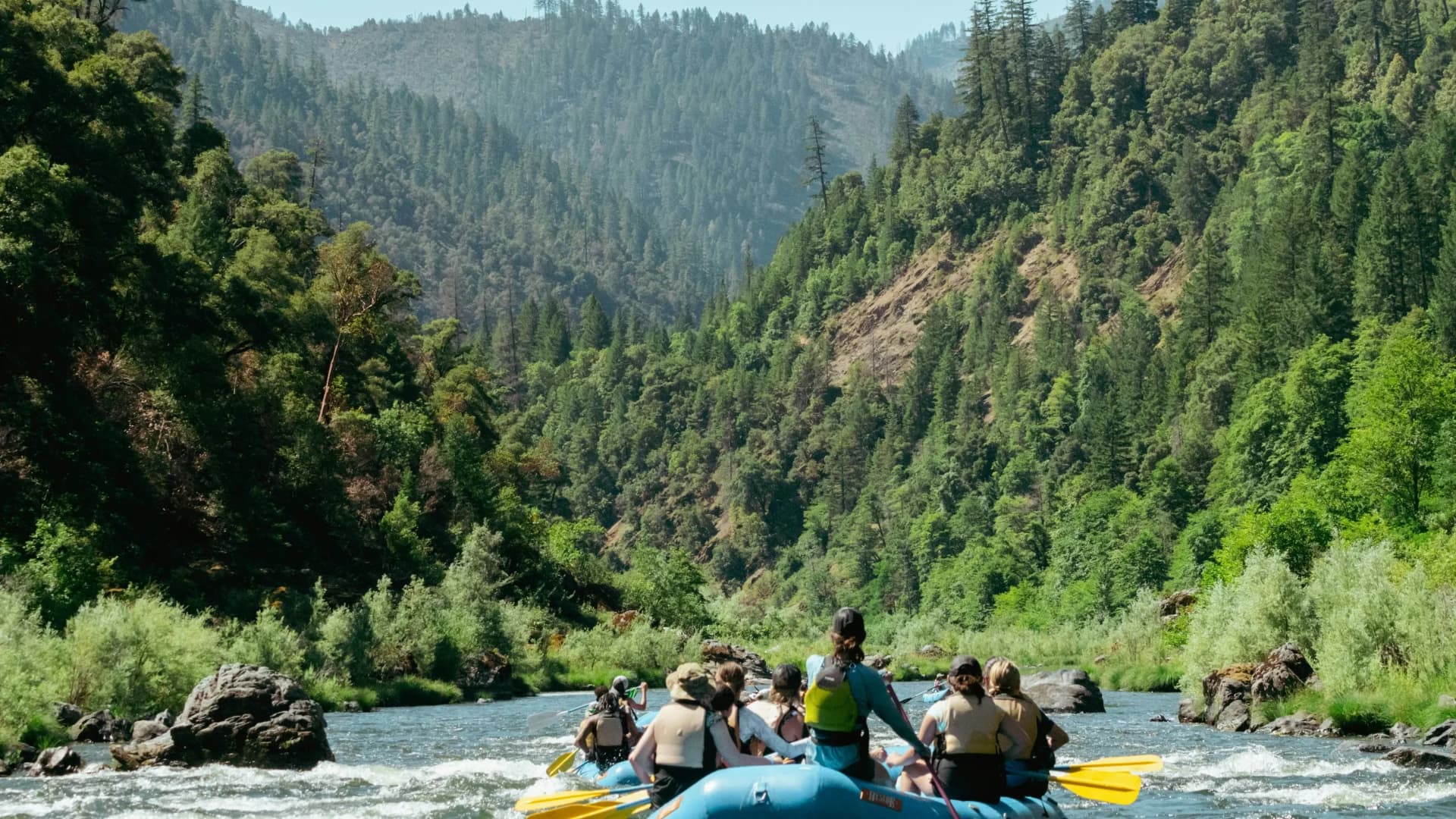
Bearing the traces of a civilization lying deep in history, Kekova attracts attention not only with its sunken city but also with the unique natural beauties and authentic experiences it offers to campers. Located in the Demre district of Antalya, this region has become an indispensable destination for nature and history enthusiasts with its shores adorned with the ruins of the ancient Lycian civilization, crystal-clear turquoise waters, and quiet bays.
Turkey's 30 Best Free Camping Areas →
Where is Kekova?
Kekova is the general name for an island and its surrounding coastal area located in the turquoise waters of the Mediterranean, within the borders of the Demre (Kale) district of Antalya. Opposite Kekova Island on the coast are the settlements of Üçağız (Teimiussa) and Kaleköy (Simena), and this region is famous for the ruins of a sunken city dating back to ancient times.
Location and GPS Coordinates
The central GPS coordinates of the Kekova region are approximately 36.1833° N, 29.8667° E. The region is about 150 km from Antalya city center, 30 km from Kaş, and 20 km from the Demre district center.
The most ideal spots for camping:
- Around Üçağız village (36.1917° N, 29.8567° E)
- Near Kaleköy (36.1867° N, 29.8783° E)
- Buçak Deniz coast (36.1750° N, 29.8500° E)
Searching for "Üçağız Köyü" or "Kaleköy Simena" on navigation apps will provide the most accurate route to the region. Camping on Kekova Island itself is prohibited as it is under special protection, but camping is allowed in the settlements on the opposite shore.
Transportation by Private Vehicle
Reaching the Kekova region by private vehicle makes it easy to carry your camping equipment, but the final stretch of the roads can be narrow:
From Antalya: Follow the D400 highway towards Finike-Demre. After reaching Demre, follow the Üçağız/Kaleköy signs from the town center. A narrow coastal road of about 20 km from Demre will take you to Üçağız. The total distance is about 160 km, and the journey takes 2.5-3 hours.
From Antalya Airport: Join the D400 from the airport exit and follow the Finike-Demre route heading west. A 170 km journey taking about 3 hours awaits you.
From Kaş: The most practical route is to go to Demre via the D400 and then follow the Üçağız/Kaleköy road. It is about 50 km away and takes 1 hour. Alternatively, you can also reach it by boat from Kaş.
From Fethiye: It is about 140 km away heading east on the D400 via Kalkan, Kaş, and Demre. The journey takes around 2.5 hours.
After arriving at Üçağız village, you can find parking at the village entrance or inside the village. Vehicle access to Kaleköy is restricted; you can get there from Üçağız by boat or on foot (about 3 km). The road quality in the last 10-15 km is narrow and winding, requiring careful driving. Slow down, especially when encountering oncoming vehicles.
Transportation by Public Transit
Reaching the Kekova region by public transit is possible but requires a journey with transfers:
From Antalya:
- Take the Demre buses from Antalya Bus Terminal (5-6 trips a day, takes about 2.5 hours).
- After getting off in Demre, wait for the Üçağız/Kaleköy minibuses (dolmuş). These minibuses run 3-4 times a day and are generally more frequent in the morning and noon hours.
- In the summer months, the last minibus usually leaves around 18:00-19:00, while it may be earlier in the winter.
From Kaş: You can reach Demre with buses departing from Kaş (once an hour) and connect to the Üçağız minibuses from there. Alternatively, there are daily boat tours from Kaş to Kekova in the summer (however, these are day tours and not suitable for carrying camping equipment).
Difficulty of Carrying Equipment: If you are arriving by public transit, it is crucial to keep your equipment to a minimum. Opt for lightweight backpack-style camping gear, foldable equipment, and a compact tent. Minibuses may charge extra for excess baggage.
To get from Üçağız village to Kaleköy, small boat shuttles (5-10 TL) or walking (3 km, 45 minutes) options are available.
Mediterranean Free Camping Areas →
Camping Area Features and Facilities
The Kekova region has some restrictions regarding camping because it is under special protection due to its historical and natural values. However, it still offers wonderful camping experiences.
Free Camping Spots
There are a few main spots where you can camp for free in the Kekova region:
Around Üçağız Village: You can set up camp in the olive groves and open areas near the beach on the east and west sides of the village. This area is the most popular and accessible camping spot. The ground is a mix of soil and gravel, rocky in places. Finding a flat area may require a bit of searching. Being close to the village provides an advantage for water and basic needs.
Buçak Deniz Coast: Located to the west of Üçağız, it offers a more secluded and natural camping experience. In this area, where ancient Lycian rock tombs can be seen, there are small camping spots among the rocky areas. It is ideal for those seeking a quieter and more private experience, but facilities are more limited.
Near Kaleköy: Since there is no vehicle access to Kaleköy, carrying camping equipment is difficult. However, for campers with light gear, a camp can be set up in the olive orchards around the village, near the castle. The view is extraordinary (overlooking Kekova Island and the sunken city), but the ground can be rocky and uneven.
Tips for Choosing a Campsite:
- Talk to the locals before setting up camp to ask if it's private property
- Do not camp near ancient ruins (it is a protected area)
- Choose a spot not too close to the sea, keeping tide and wave risks in mind
- Finding flat ground in rocky areas can be difficult, bring a good sleeping mat
- Olive trees provide shade, but the ground can be slippery during the fruit season (October-November)
The region can get crowded during the summer months (June-August), especially on weekends. May, September, and October are quieter and more ideal camping periods.
Water and Toilet Situation
There are no official water or toilet facilities in the camping areas in the Kekova region:
Water Supply:
- There are a few fountains in Üçağız village where you can fill your containers
- You can buy bottled water from the markets in the village (5-10 liters recommended)
- Water sources are more limited in Kaleköy; you may need to carry water from Üçağız
- It is recommended to bring a minimum of 20 liters of drinking water and 10 liters of utility water (for dishes, hygiene)
- Although there is spring water in the region, boil or purify it before using it as drinking water
Toilet Facilities:
- You can use the toilets in the restaurants and cafes in Üçağız village (usually not paid, but you are expected to consume something)
- Similar facilities are available in Kaleköy but are more limited
- You will need to use natural methods for your toilet needs in the camping area:
- Move at least 100 meters away from the campsite
- Stay a minimum of 150 meters away from water sources (sea, stream, fountain)
- Dig a hole 20-25 cm deep to bury your solid waste
- Never leave toilet paper and wet wipes in nature; collect them in the trash bag you brought with you
- The soil layer can be thin in the limestone rocky area, bring a trowel
Shower:
- You can wash in the sea for a fresh water clean-up
- Bringing a portable camp shower (solar-powered or a simple water bag type) provides comfort
- Some pensions in Üçağız may offer shower services for a fee (20-30 TL)
- Use biodegradable soap; regular soaps and shampoos are harmful to the marine ecosystem
Fire Lighting Rules
Since the Kekova region has the status of a Special Environmental Protection Area, extremely strict rules apply regarding lighting fires:
Lighting fires in forests and natural areas is strictly prohibited. This ban is not just a suggestion but a legal obligation, and in case of violation, you may face heavy fines and imprisonment.
Why so strict?
- The region is covered with Mediterranean maquis and shrubbery, making the fire risk extremely high
- During the summer months (June-September), the fire danger is at its maximum level due to heat and drought
- The protection of the ancient ruins and the ecosystem in the region is of critical importance
- Past fires have caused great damage to the region
Permitted cooking methods:
- Gas cartridge camping stoves (the safest and recommended)
- Gasoline/alcohol portable stoves
- A controlled mini fire on the sandy beach, very close to the sea, completely surrounded by stones (however, even this is not recommended and may be banned by local authorities)
Fire safety rules:
- Always keep 5-10 liters of extinguishing water with you
- Never light a fire in windy weather
- If you smoke, never throw your cigarette butts on the ground; use a portable ashtray
- Use even your camping stove in a wind-protected area away from flammable materials
- Completely clean all burn marks before leaving the area
112 Forest Fire Reporting Line (177): Call immediately if you see a fire.
Is There Cell Phone Reception?
Cell phone reception in the Kekova region varies depending on the operators and the location:
Üçağız Village:
- Turkcell: Good to very good 4.5G signal quality
- Vodafone: Medium to good signal, can sometimes drop to 3G
- Türk Telekom: Medium quality signal, data speed varies
Kaleköy:
- Turkcell: Generally good signal
- Vodafone: Weak to medium, interruptions may occur
- Türk Telekom: Weak signal, data connection may be slow
Camping Areas (Coastal Regions): Signal quality drops as you move away from the villages. Especially behind the rocks, in the inner parts of the bays, and in the shadow of high hills, the signal may weaken or cut off completely.
Suggestions for communication:
- Turkcell seems to be the most reliable operator for emergencies
- Keep a fully charged power bank and spare batteries
- Write down important phone numbers (112, gendarmerie, relatives, pensions) in a physical notebook
- If there is no signal, you can go up to the village center to make a call
- If you are in a group, bringing a walkie-talkie can be useful
- You may be able to send WhatsApp messages, but real-time calls can be difficult
Best Camping Season and Weather
Properly evaluating the seasons and weather conditions for camping in Kekova is important for a comfortable experience.
Seasonal Recommendations
Spring (April-May): It is a perfect period for camping in Kekova. The air temperature is between 18-26°C, and the sea water is around 17-21°C. Nature is green and vibrant, and flowers are in bloom. Occasional rain can be seen in April, while May is more stable. The tourist crowds have not yet started, making a calm and peaceful camping experience possible. Ideal temperatures for hiking the Lycian Way. May, in particular, can be considered the "golden period."
Summer (June-September): This is the most popular but hottest period. While June and September (26-32°C) are more suitable, July-August can be very hot (32-40°C). The sea water is at an ideal swimming temperature of 24-29°C. During this period, the region fills with tourists, and finding a spot in the camping areas can be difficult, especially on weekends. The probability of rain is almost zero. The night temperature is 22-26°C, and a thin sleeping bag is sufficient. The sun can be very harsh during the day; a canopy or awning is a must.
Autumn (October-November): A wonderful camping period. October is ideal - the weather is 20-28°C, and the sea is still around 21-24°C. The summer crowds have withdrawn, and the region has calmed down. In November, the evenings get cooler (10-15°C at night), and the chance of rain increases. Bring a thick sleeping bag and a raincoat for autumn camping. Since it is fishing season, seafood becomes abundant.
Winter (December-March): Although an interesting period for experienced campers, it is challenging. Daytime temperatures are 10-16°C, and it can drop to 4-8°C at night. Rain is frequent, and the sea is too cold for swimming (13-16°C). Many facilities and minibus services in the region are limited. However, it is suitable for those who want a completely secluded experience and to explore the ancient ruins without the crowds. A 4-season tent and a zero-degree sleeping bag are essential.
Recommended Periods: Late April-May-early June and September-early October are the most ideal periods in terms of both weather conditions and crowd balance.
Temperature and Precipitation Information
Monthly average temperature values:
- April: 14-22°C (night 10-12°C)
- May: 18-27°C (night 14-17°C)
- June: 22-32°C (night 19-22°C)
- July: 25-36°C (night 22-25°C)
- August: 25-37°C (night 23-26°C)
- September: 22-33°C (night 19-23°C)
- October: 17-28°C (night 14-18°C)
- November: 12-22°C (night 9-13°C)
Precipitation pattern: The Kekova region exhibits a typical Mediterranean climate. The summer months (May-October) are dry, and precipitation is concentrated between November and March. 70-80% of the annual rainfall occurs in the winter months. April and May are transitional months, and occasional showers can be seen.
Average number of rainy days:
- April: 7-9 days
- May: 4-6 days
- June-August: 0-2 days
- September: 2-3 days
- October: 5-7 days
- November-March: 10-15 days
Wind conditions: Thanks to Kekova Island and the coastal configuration, the region is generally protected from the wind. However, sea breezes may blow in the afternoons (light to moderate). Rarely, north or northwest storms can be seen, in which case the sea gets rough. Consider the wind direction when setting up camp; the wind is more noticeable in more open areas, especially near Kaleköy.
Sea conditions: Generally calm and waveless. Kekova Island acts as a natural breakwater. However, during south-southwest storms (autumn-winter), the sea can get rough, and large waves can hit the shore. In the summer months, the sea is usually like a mirror.
Humidity rate: Due to being by the seaside, the humidity is high (65-80%). There may be condensation in the tent in the mornings; opt for a well-ventilated tent and dry your tent in the sun in the morning.
Adrasan Sazak Bay Camping Guide →
Nearby Attractions and Activities
The Kekova region is an excellent center not only for camping but also for exploring rich historical and natural beauties.
Hiking Routes
Lycian Way - Kekova Section: Turkey's most famous long-distance hiking route, the Lycian Way, passes through the Kekova region. The distance between Üçağız and Kaleköy offers a short (3 km) but scenic walk. This route, featuring views of the ancient Simena castle, rock tombs, and the sunken city, takes 1-1.5 hours. It is of easy-medium difficulty, and comfortable walking shoes are sufficient.
Between Kaleköy and Demre: For those looking for a longer and more challenging route, there is an approximately 15 km section of the Lycian Way that can be hiked from Kaleköy to the ancient city of Demre (Myra). It is of medium-hard difficulty and takes 5-6 hours. It proceeds accompanied by ancient road traces, rock tombs, and panoramic sea views. It requires good physical condition, enough water (3-4 liters), and food.
Exploring the Ancient City of Teimiussa (Üçağız): The ruins of the ancient city of Teimiussa are scattered right around Üçağız village. You can take a 2-3 hour self-guided walk where you can observe rock tombs, sarcophagi, and building ruins. The locals can show you the way.
Climbing Kaleköy Simena Castle: The Byzantine-Lycian castle at the top of Kaleköy offers a rewarding climb with its magnificent view. It takes about 15-20 minutes from the village to the castle (steep stairs). Inside the castle, there are ruins of an ancient theater, a cistern, and city walls. The summit is the best spot for viewing Kekova Island and the sunken city.
Tersane Bay Walk: You can go to Tersane Bay on the northern coast of Kekova Island by boat or canoe, and see the ruins of an ancient shipyard and sunken structures there. It's not exactly a hike, but it is important for exploration.
Water Activities
Sunken City Boat Tours: Kekova's most famous activity is the boat tours to see the sunken ancient city of Dolchiste/Kekova. Tours departing from Üçağız and Kaleköy (100-200 TL daily, lunch included) pass over the sunken city, allowing you to see the structures through a glass bottom or from the shallow water. The tours usually also include Tersane Bay, Aquarium Bay, and other bays.
Important note: Swimming and diving in the sunken city area are prohibited (it is an archaeological protection zone). You can only look at it by passing over it by boat.
Canoeing and Sea Kayaking: The calm waters of Kekova are ideal for canoeing and sea kayaking. You can rent a canoe in Üçağız (40-80 TL per hour) and chart your own route. You can explore the surroundings of Kekova Island, the bays, and the areas close to the sunken city (without swimming). Early morning hours are ideal for the calmest sea.
Recommended canoe route: Üçağız → Sunken City (passing over) → Tersane Bay → Aquarium Bay → return (total 3-4 hours, medium level).
Snorkeling: Although snorkeling is prohibited in the sunken city, Aquarium Bay, Gökkaya Bay, and other surrounding bays offer magnificent snorkeling opportunities. Clear water (20-30 meters visibility), colorful fish, starfish, octopuses, and rich marine life can be seen. Bring your own equipment or rent it in Üçağız.
Scuba Diving: For certified divers, there are diving schools in Demre and Kaş that organize diving tours around Kekova. Although the sunken city area is prohibited, surrounding wrecks, walls, and rich marine life can be seen.
Swimming: The bays around Üçağız and Kaleköy are great for swimming. The water is crystal clear. Since the seabed is generally rocky, water shoes are recommended. You can jump from platforms or rocks.
Fishing: You can go angling along the coastline. Species such as sea bass, red mullet, bluefish, and sea bream can be caught. A fishing license is required (can be obtained from the local fisheries directorate).
Camping Equipment Recommendations
Equipment selection should be made considering the special conditions and facilities of Kekova.
Must-Bring Items
Tent: Due to Kekova's variable spring and autumn weather conditions, a high-quality, waterproof (minimum 3000mm) 4-season tent is recommended. In the summer months, a 3-season tent may be sufficient, but it must be well-ventilated (due to humidity). Since the ground can be rocky, bring sturdy pegs and extra guy lines.
Sleeping Bag:
- Summer (June-August): +15°C to +20°C comfort temperature
- Spring/Autumn (April-May, September-October): +5°C to +10°C comfort
- Winter (experienced): -5°C to 0°C comfort
Sleeping Mat/Insulation: Since the ground can be rocky and hard, an inflatable mat or a self-inflating mat with a minimum thickness of 7-8 cm and a high R-value (at least R4) is essential. Since the ground can be uneven, opt for a durable, puncture-resistant mat.
Lighting:
- Powerful LED camping lantern (it can be dark by the sea at night)
- Headlamp (for hands-free operation)
- Spare batteries or rechargeable batteries
- Solar charger (since there is no electricity)
Water Systems:
- 25-30 liters of drinking water capacity (jug or bag)
- 15-20 liters of utility water jug
- Water container with a tap (for hand washing)
- 1.5-2 liter canteen (per person, for hikes)
- Water purification tablets or filter (if you want to drink spring water)
Cooking Equipment:
- Gas cartridge camping stove (mandatory due to the fire ban)
- Spare gas cartridge (at least 2 pieces)
- Lightweight camping pot-pan set
- Dinnerware, plates, cups (durable plastic or metal)
- Pocket knife or multi-tool
- Matches/lighter (waterproof storage)
Cooling:
- Passive cooler bag or icebox
- Ice packs (you can buy ice in Üçağız)
- Airtight food containers
Hygiene:
- Biodegradable soap and shampoo
- Dry hand sanitizer
- Water jug with a tap (hand washing)
- Quick-drying towel (microfiber)
- Toilet paper and wet wipes
- Trash bags (leak-proof, durable)
- Small pickaxe/trowel (for toilet needs)
First Aid:
- Comprehensive first aid kit
- Band-aids, gauze, antiseptic
- Painkillers, antipyretics
- Sunburn ointment
- Insect bite cream
- Personal regularly used medications
Sun Protection:
- High factor sunscreen (SPF 50+)
- Sun hat, sunglasses
- Awning, canopy, or umbrella (especially in summer)
Region-Specific Recommendations
Sea and Water Sports:
- Snorkeling equipment (mask, snorkel, fins) - essential for rich marine life
- Water shoes (for rocky ground)
- Beach towel and quick-drying towel
- Waterproof bag/case (for phone, money)
- Inflatable vest (for safety, especially for children)
- Sea mat or inflatable boat (for relaxing)
Rocky Terrain:
- High-quality hiking shoes (ankle-supported, non-slip sole)
- Gloves (for climbing on rocks)
- Knee and elbow pads (due to rocky ground)
History and Exploration:
- Binoculars (for observing birds, Kekova Island, the sunken city)
- Camera (for magnificent views)
- Waterproof camera or action camera (for water activities)
- Notebook (for notes about ancient ruins)
Navigation:
- Offline map application (Maps.me, Osmand)
- Paper map (Lycian Way map)
- Compass
- GPS device (if you are going to canoe at sea)
Insect and Animal Protection:
- Strong mosquito repellent (containing DEET)
- Insect repellent spray for the tent
- Flashlight for scorpion checks
- Ankle boots against snake bites
Extra Useful Items:
- Portable solar shower (for hot water)
- Folding bucket (for dishes, foot washing)
- Clothesline and pegs
- Camping chair (for comfortable seating)
- Books, card games (for entertainment)
- Power bank (30,000mAh+ capacity)
- Repair kit (for tent, mat repair)
- Dive logbook (for divers)
Not Recommended:
- Valuable electronic devices (risk of loss/damage)
- Sound systems (for the peace of nature)
- Glass containers/bottles (danger of breaking)
- Single-use plastics (environmental pollution)
What You Must Have With You in Free Camping →
Safety Tips and Rules
Pay attention to the following rules for a safe and responsible camping experience in Kekova.
Wildlife Warnings
Snakes: Both non-venomous and venomous snake species are present in the region. Be careful, especially in rocky areas, among stone piles, and during morning and evening hours. Wear thick-soled shoes, and do not put your hands in places you cannot see. If you see a snake, pass from a distance and do not behave aggressively.
Scorpions: Scorpions are quite common in the rocky region. Check the ground before setting up your tent, use a flashlight when going out at night, and check your shoes before putting them on in the morning. In case of a scorpion sting, apply a cold compress and seek medical attention.
Wild Boars: There are wild boars in the region. They generally run away from humans, but they can be aggressive if they have piglets. Store your food in closed containers and dispose of your garbage safely. If you see a boar, you can scare it away by making noise.
Marine Life:
- Jellyfish: Increases in late summer and autumn. Apply vinegar in case of contact.
- Sea urchin: Common in rocky areas, use water shoes. If a spine gets stuck, apply hot water.
- Weever fish/Stingray: Rare, but be careful; shuffle your feet when walking on sandy-gravelly bottoms.
- Octopus: Generally harmless, but do not disturb them.
Insects: Mosquitoes, bees, wasps, and other insects are present. If you have allergies, keep an EpiPen and antihistamines with you.
Emergency Information
Emergency Phone Numbers:
- 112: Emergency assistance (ambulance, fire department, police)
- 155: Police
- 156: Gendarmerie
- 177: Forest fire reporting
- 158: Coast Guard
Nearest Health Facilities:
- Demre (Kale) State Hospital: 20 km (0242 871 40 09)
- Kaş State Hospital: 30 km (0242 836 12 69)
- Antalya city hospitals: 150 km (for more comprehensive interventions)
Gendarmerie and Local Authorities:
- Demre Gendarmerie Command: (0242) 871 40 33
- Üçağız Village Headman (Muhtar): In the village center, you can get help in emergencies
Emergency Preparedness:
- Keep your phone charged, at least at 50% level
- Write emergency numbers in a notebook
- Inform at least one relative of your campsite
- Make sure you have acquired first aid knowledge
- Make an emergency plan (nearest hospital, transportation, etc.)
Sea Safety:
- Do not enter the sea alone; have one person stay on the beach
- Pay attention to currents, especially when crossing between bays
- Do not enter the sea while intoxicated
- Keep children under constant supervision
- Get out of the sea if the weather worsens
- Wear a life jacket on boat tours
Archaeological Site Rules:
- Do not touch or damage ancient ruins
- Do not swim or dive in the sunken city area (prohibited)
- If you find historical artifacts, report them to the authorities; do not take them with you
- Do not damage rock tombs and structures
Nature Conservation:
- Collect your garbage, apply the "leave no trace" principle
- Avoid uprooting plants and disturbing animals
- Use biodegradable products
- Avoid noise pollution
- Remember that it is a special protection area
Theft and Security:
- Keep your valuables (money, passport) safe
- Leave the tent secure when leaving the camp
- Camp in groups
- Establish good relations with the locals
Fire Precautions:
- Do not light a fire (prohibited)
- Dispose of cigarette butts safely
- Use your camping stove safely
- Call 177 immediately if you see a fire
Frequently Asked Questions (FAQ)
Is it legal to camp in Kekova? Yes, free camping is legal in designated areas around Üçağız and Kaleköy. However, Kekova Island itself is under protection, and camping is not allowed on the island. Also, setting up camp right next to ancient ruins is prohibited.
How to get to Kekova Island? Vehicle access to Kekova Island is not possible. You can go by boat tours from Üçağız or Kaleköy, or by renting a canoe/sea kayak. Daily boat tours range from 100-200 TL.
Can you dive in the sunken city? No, the sunken city is an archaeological protection zone, and diving/swimming is strictly prohibited. You can only look at it by passing over it by boat, through a glass-bottom boat, or from the shallow water.
Is there a market in Üçağız? Yes, there are small markets, grocery stores, and fish restaurants in Üçağız village. You can meet your basic needs, but prices are higher compared to city centers. If possible, buy basic supplies from Demre or Antalya.
Is there a shower in the camping area? There are no official shower facilities. You can wash in the sea, bring a portable camp shower, or get paid shower services from some pensions in Üçağız.
Can I bring pets? Yes, but since it is an archaeological site, you must keep your pet under control, ensure it does not damage the ancient ruins, and clean up its waste.
Can you go to Kaleköy by car? No, motor vehicle entry to Kaleköy is prohibited. You can reach it from Üçağız on foot (3 km, 45 minutes) or by boat shuttle (5-10 TL).
What is the minimum number of days to stay? A minimum of 2 nights (3 days) is recommended. The first day for setup and resting, the second day for the sunken city tour and snorkeling, and the third day for the Lycian Way hike and packing up. If you are interested in history and nature, 4-5 days is ideal.
Is a permit required for camping? No, a special permit is not required in designated camping areas. However, check if it is private property or a protected site.
Is there an ATM in the region? There are no ATMs in Üçağız. The nearest ATM is in Demre (20 km). Bring enough cash because many places do not accept credit cards.
Kekova is a unique camping destination where ancient history lives underwater, and nature and culture combine. To discover the mystery of the sunken city, trace the footsteps of the Lycian civilization, and swim in the clear waters of the Mediterranean, a Kekova camp offers an unforgettable experience. This camp, which you will do by obeying the protection rules and showing respect to nature, will add value to both you and this historical treasure.