
12 Mar 2026
Pedal to the Heart of Nature: A Guide to Cycling While Camping
A comprehensive guide to routes, gear, and safety for campers looking to explore nature on a bike after pitching their tent.
5 min read
11 views
Kampçı Editör Ekibi
Outdoor Writer @ Kampçı
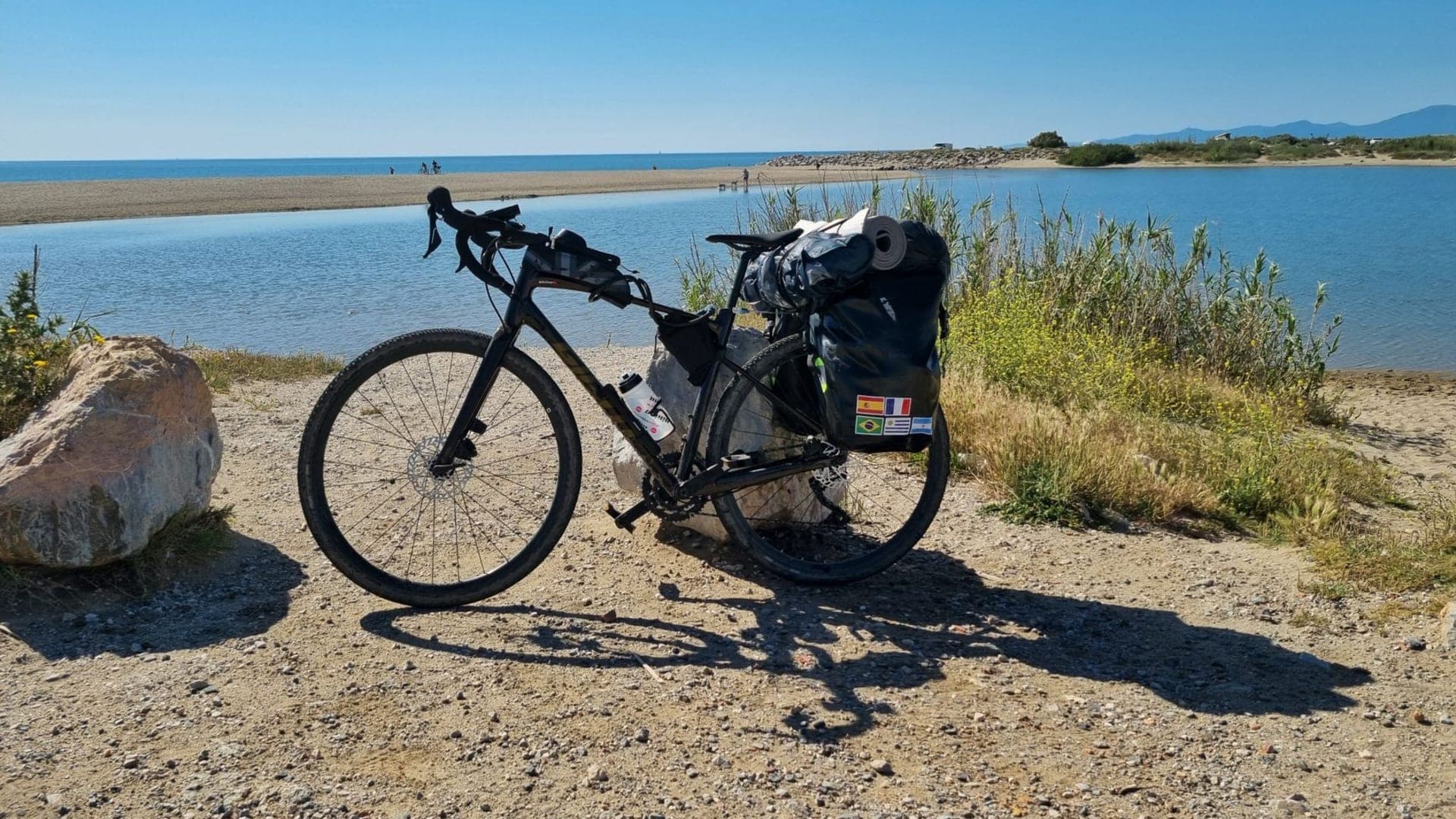
If you've left beginner-level flats and short rides behind, your search for Turkey's best bikepacking routes will inevitably lead you to the challenging geography of the Mediterranean. The Mediterranean coast and the foothills of the Taurus Mountains possess a complex structure that tests not only physical endurance but also camp gear management and route planning skills. The long climbs on the shoulders of the D400 highway, winding descents that suddenly drop to sea level, and the humid climate are key elements that expand the experience of an intermediate bikepacker.
Bikepacking in the Mediterranean is nothing like the flat stages of Central Anatolia or the Aegean. Elevation gain is continuous, and surface quality changes dramatically as you move from main highways to rural roads. Compared to a traditional rear pannier system, bikepacking bag setups (frame, handlebar, and saddlebags) are much more effective in this region because they reduce aerodynamic drag in crosswinds, increasing bike control and providing better maneuverability on narrow dirt roads.
While the average gradient on Mediterranean coastal routes ranges from 6% to 11%, daily water consumption needs during the summer and autumn months are 35% higher compared to other regions of Turkey. This makes it mandatory to maximize your water-carrying capacity on the bike. Standard frame water bottles won't be enough; extra cages mounted on the fork are crucial on these routes.
This route is one of the most technical and climb-heavy stages of the D400 highway. Averaging 120 kilometers, this line should be planned as a two-day bikepacking route rather than being tackled in a single day. The steep gradients you'll face leaving Kaş turn into long descents toward Demre that will put your brake pads to the test.
Starting from sea level and heading into the inner parts of the Taurus Mountains, this route is ideal for gravel cyclists and those wanting to immerse themselves in nature. Winding north through Serik, the road enters pine forests, noticeably dropping the air temperature.
Heading towards the eastern Mediterranean, this line tests the rider on wind management and tunnel crossings. The winding roads passing through banana greenhouses have a continuously rolling profile.
Here are the technical details that will increase your comfort in the Mediterranean's unforgiving gradients and humid climate:
The biggest mistake made when distributing camp weight on the bike is putting heavy items (canned food, tool kits) in the handlebar bag. On the sharp, winding descents of the Mediterranean, a heavy handlebar makes the bike's steering response sluggish. Solution: Place heavy equipment in the frame bag (the lowest point closest to the bike's center of gravity). Only put bulky but light items like your sleeping bag and sleeping pad in the handlebar bag.
According to 2023 data, 60% of intermediate cyclists state that the biggest physical challenge on Mediterranean tours is the rising surface temperature between 12:00 and 15:00 and the headwinds that start in the afternoon. Solution: Start riding on Mediterranean routes around 05:30 in the morning. Take a long break (siesta) in a shaded area during the midday heat, and save the climbs for the cooler hours.
Using thick synthetic sleeping bags on the Mediterranean coast during the summer and early autumn will leave you sweating through the night due to high humidity. Solution: Use very light, thin summer bags with a comfort rating of +15°C, or simply thermal silk liners. If you are gaining altitude and heading up the Taurus Mountains, you can ensure thermal insulation by layering your clothing.
The Mediterranean coastal road (D400) sees heavy vehicle and caravan traffic, especially during the tourist season. The narrow shoulders and poorly lit tunnels on this road pose risks for cyclists. Before entering tunnels, make sure to turn on your rear lights with at least 400 lumens and a daytime flash mode. If possible, wear a high-visibility vest or reflective ankle bands (reflectors that move as you pedal catch drivers' attention much faster). Also, when camping in rural areas, avoid attracting wild boars by storing your food in a closed bag away from the tent, rather than inside it.
The most ideal times are late April to early May and mid-September to early November, when extreme heat and humidity drop, but the seawater is still warm enough for swimming. In mid-summer, the risk of melting asphalt and heatstroke is very high.
Due to the Mediterranean's high elevation gain profile, aiming for a daily distance of 60 to 80 kilometers with a loaded bike is realistic. This distance allows you to reach the campsite in daylight and recover.
To fit on a bike rack or in bags, you should choose compact models with a packed length not exceeding 40 cm, lightweight (under 2 kg), and that won't disrupt the weight balance. Additionally, double-wall tents with large ventilation windows are a must for Mediterranean humidity.
60% of the weight should be on the rear and middle (frame) of the bike, and 40% on the front fork and handlebars. Keeping the center of gravity as low as possible prevents the rear wheel from slipping on climbs and balances the bike.
It is generally safe, but due to the risk of forest fires in the summer, entering many forested areas and lighting fires is strictly prohibited. For wild camping, you should use beach edges or rocky grounds with sparse vegetation, without lighting a fire.
Among Turkey's best bikepacking routes, the Mediterranean stage is a unique laboratory that develops the rider with its difficulty and rewards this effort with its scenery. Pedaling in this geography with the right gear ratios, strategic water management, and timing that accounts for the wind will take your cycling to the next level. Load your gear in a balanced way, download your route to your offline maps, and hit the road to discover your own limits on the challenging yet equally enjoyable climbs of the Taurus Mountains. If your preparation is complete, the wind will be at your back.
Related guides and stories from the outdoor world
A comprehensive guide to routes, gear, and safety for campers looking to explore nature on a bike after pitching their tent.

A comprehensive trail running guide that will take your camping experience to the next level and let you run free on breathtaking trails.

Ways to balance lightweight travel and camp comfort while pedaling long distances.

A comprehensive bikepacking guide packed with gear, safety, and route tips for intermediate campers looking to pedal into the heart of nature.