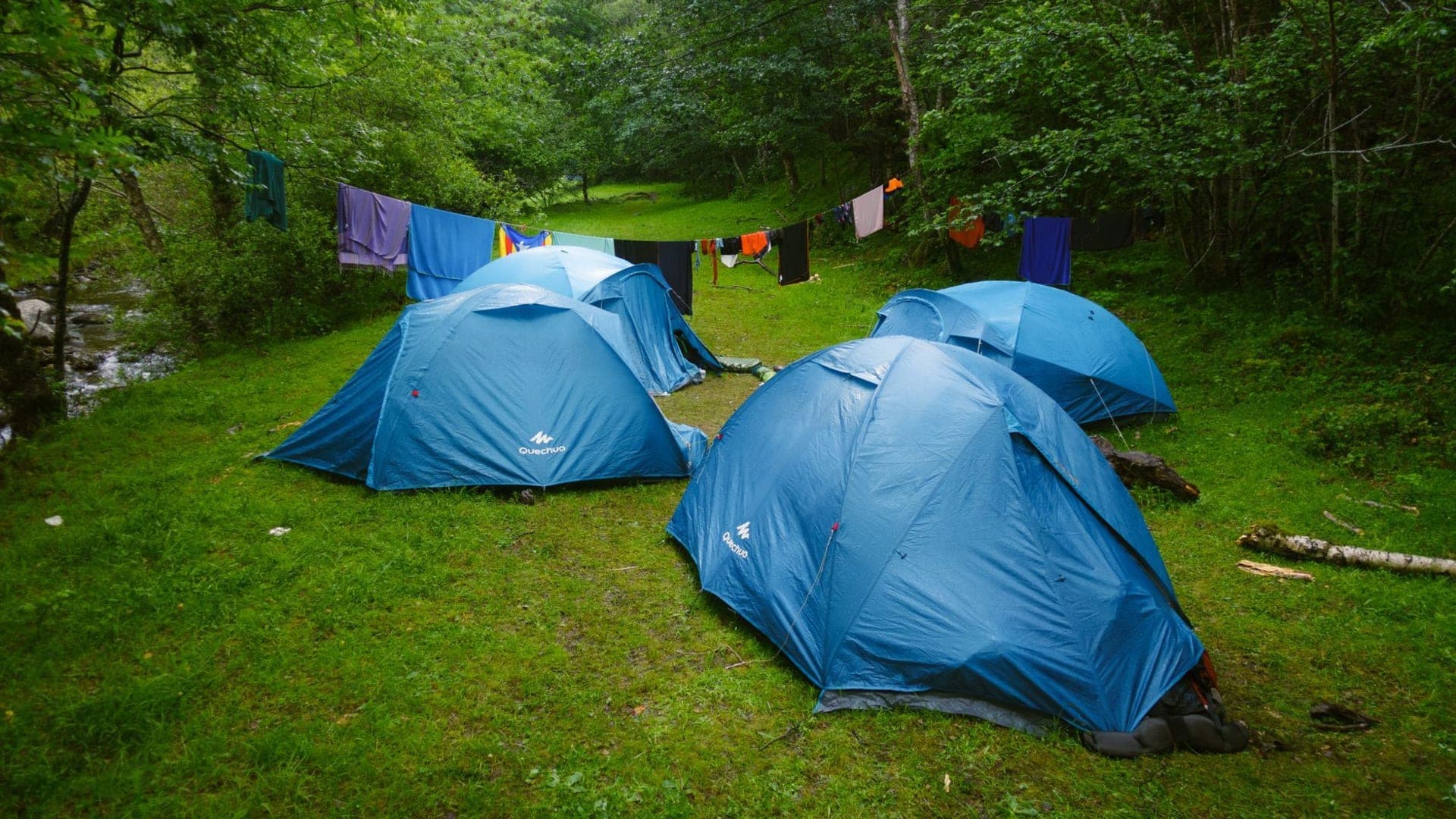
Summary: Camping tent care and cleaning preserve your gear's waterproofing and extend its lifespan by at least three times. Tents should never be washed in a washing machine; they must be hand-washed with special soaps that don't damage the polyurethane coating and should never be stored before drying completely. Proper storage techniques prevent microbial mold damage to the fabric by 90%.
Why is Tent Care Vital?
When you first start camping, you might think your tent is just a piece of fabric protecting you from the rain and wind. However, that fabric features high-tech water-repellent coatings, delicate seam tapes, and specially woven nylon or polyester threads. Whether you wake up to a heavy dew in the Kaz Mountains or get caught in a sudden downpour in the Black Sea highlands, it is this invisible shield that keeps you dry. If you stuff your tent into its bag wet and dirty after a trip and toss it in the closet until the next season, that shield will disintegrate in just a few months.
Tent care is an integral part of the camping ritual. The care you show your gear directly determines the quality of your time in nature. A leaking roof or a jammed zipper can instantly turn your camping experience into a nightmare. In this guide, we will explore the most critical steps of tent cleaning and maintenance for beginners, common misconceptions, and professional tips.
What You Will Learn in This Article
- Chemicals you should never use for tent cleaning and their proper alternatives.
- Periodic maintenance steps to extend the life of zippers, poles, and seam tapes.
- How to restore a tent that has lost its durable water repellent (DWR) coating.
- Proper post-camp and end-of-season storage techniques.
- Urgent measures to take to prevent mold and bad odors.
Understanding Tent Materials
Before moving on to the cleaning stage, we need to know what we are cleaning. Most modern camping tents are made of nylon or polyester fabrics, featuring a Polyurethane (PU) coating on the inside and a Durable Water Repellent (DWR) coating on the outside. Standard laundry detergents, dish soaps, or harsh surface cleaners you use at home will literally melt these coatings away.
According to research and manufacturer data, 70% of user-related tent failures stem not from manufacturing defects, but from improper cleaning with aggressive chemicals and mold growth due to damp storage. Just one incorrect wash can completely destroy your tent's waterproofing.
Step-by-Step Camping Tent Cleaning
Tent cleaning requires patience and the right methods. You don't need to wash the entire tent from top to bottom after every camping trip. Spot cleaning is usually sufficient. However, a full clean is essential at the end of the season or after a very muddy trip.
1. Pitching and Basic Cleaning
The easiest way to clean your tent is to pitch it in your backyard, on a large balcony, or in an empty room. Once pitched, sweep out sand, leaves, and dirt debris from the inside using a soft-bristled brush or a small battery-powered handheld vacuum. Turning it upside down and shaking it is a good way to get rid of dust that won't fit through the door, but shaking the tent too hard while the poles are attached can damage them.
2. Stain Removal and Washing
Do not use hot water; lukewarm water is the safest. As a cleaner, use only unscented Castile soap or specialized tent cleaning fluids designed for outdoor gear. Grab a non-abrasive sponge.
- Spot Cleaning: Gently wipe areas with bird droppings, mud, or tree sap using a wet sponge. Never scrape to remove sap; try freezing it with an ice cube and crumbling it off.
- General Washing: If the tent is very dirty, fill a large bathtub with lukewarm water and the appropriate soap. Submerge the tent and gently knead it with your hands. Never scrub or wring it.
3. Rinsing and Drying
Soap residue is the enemy of water-repellent coatings. If you washed it in a bathtub, drain and refill the water a few times to rinse the tent completely. If you are in the yard, rinse it with a gentle spray from a hose.
The drying phase is the most critical point. When dried in direct sunlight, tent fabrics can lose 30% of their tear resistance in just a single season due to UV rays. Always dry your tent in a shaded, breezy area, preferably by hanging it or leaving it fully pitched. Not even the slightest bit of moisture should remain.
5 Practical Tips to Extend Your Tent's Lifespan
There are some habits that beginner campers often overlook, but which make a huge difference in the long run:
- Use a Tent Footprint: No matter how thick your tent's floor is, direct contact with the ground accelerates wear and tear. Using a footprint reduces the risk of floor punctures and water seepage by 80% compared to pitching directly on the dirt.
- Don't Neglect Zipper Maintenance: Dust and sand get into the zipper teeth, causing them to fail over time. Brush the zippers with an old toothbrush after every trip and lubricate them with beeswax to prevent snagging.
- Fold Poles from the Middle: Folding tent poles starting from one end causes the shock cord (elastic) inside to overstretch in one direction. To extend the cord's life, always start folding the poles by breaking them in half from the middle.
- Renew the DWR Coating: If raindrops soak into the fabric (making it look darker) instead of beading up and rolling off, the DWR coating has weakened. You can easily restore this feature by applying spray-on water repellents to a clean and dry tent.
- Clean Bird Droppings Immediately: Bird droppings are highly acidic. If left on the tent fabric for a long time, they will burn through the polyurethane coating and cause leaks in that spot. Wipe them off with a damp cloth the moment you notice them while camping.
3 Fatal Mistakes Beginners Make
Here are the common mistakes made with good intentions by newcomers to the camping world that end up ruining their gear:
- Mistake: Throwing It in the Washing Machine. Tents should never be washed in a washing machine or put in a dryer. The machine's spinning motion will rip off the seam tapes and turn your tent into a sieve.
- Mistake: Packing It Damp. Packing the tent wet with the thought of "I'll open and dry it at home" and forgetting it for days is a recipe for disaster; a short period of 24-48 hours is enough for microbial mold to form. Mold penetrates the fabric, and you will never be able to get rid of that smell.
- Mistake: Pulling Pegs by the Fabric. When packing up in the morning, trying to pull out stuck pegs by yanking on the tent fabric or guy lines will tear the seams. Remove the peg by using the hook of another peg or a dedicated peg puller.
Safety and Health Notes in Tent Care
If black or green mold spots have formed on your tent, it is not just an aesthetic issue. Mold spores are dangerous for the respiratory tract. Inhaling these spores while sleeping inside a tent, which is a closed and narrow space, can lead to allergic reactions and asthma attacks. Wear a mask when cleaning a moldy tent and do it outdoors. Additionally, avoid inhaling waterproofing sprays or seam sealers during application; these chemicals contain volatile organic compounds (VOCs) and must be applied in well-ventilated outdoor areas.
3 Critical Facts You Need to Know About Tent Care
There are three facts that professionals who use the same tent for years know well, but beginners usually learn the hard way:
- Seam Tapes Are the First to Give Up: No matter how durable your tent's fabric is, the clear tapes over the seams connecting the panels will dry out and peel off over time. Pitch your tent at the beginning of every spring season and inspect the seams. You must remove any peeling tapes and renew them with a liquid seam sealer (seam grip).
- Odor is Temporary, Mold is Permanent: The smoky smell of a campfire will fade as you air out the tent. However, the smell of mold that has penetrated the fabric is permanent. Since heavy chemicals sold as mold cleaners on the market will also destroy the tent's coating, the only solution is to prevent mold from forming in the first place.
- Compression Sacks Are Only for Transport: You can compress your tent into its small carrying bag while taking it to the campsite. However, storing it this way at home for months will cause permanent creases in the fabric and cracks in the coating. Store your tent at home loosely folded or in a large, breathable cotton storage bag, just like sleeping bags.
Frequently Asked Questions
Can a tent be washed in a washing machine?
Absolutely not. The mechanical spinning motions of a washing machine and detergents will rip off the tent's seam tapes and completely destroy its water-repellent polyurethane coating. Tents should only be hand-washed with non-abrasive sponges.
How do I remove mold stains from my tent?
For light mold stains, prepare a natural solution by adding one cup of white vinegar and half a cup of lemon juice to a bucket of lukewarm water. Gently wipe the stained area with a sponge, then rinse thoroughly with plenty of water and let it dry completely in the shade.
How often should waterproofing spray be applied?
This depends on how frequently you use your tent. If you are a regular camper, applying it 1-2 times a year is recommended. If water drops falling on the fabric are absorbed instead of beading up, it means it's time to renew the DWR coating.
What should I do if the tent zipper gets stuck?
Never pull it with force, otherwise, you might break the teeth. Clear the stuck area of sand using an old toothbrush. Then, apply colorless lip balm, natural beeswax, or a special zipper lubricant to the zipper teeth and move it slowly.
Is it mandatory to air out the tent immediately after camping?
Yes, it is highly critical. Even if you packed the tent in rain-free weather, condensation from human breath at night and morning dew leave moisture on the fabric. You must open and completely air out the tent within the first 24 hours of returning home.
Conclusion and Return to Nature
Camping tent care and cleaning might seem like a tough or tedious chore. However, this short amount of time you dedicate to your gear is the only guarantee that you will stay dry and safe during a stormy night in nature. Taking care of your own shelter is a part of the bond you build with nature and the philosophy of camping. With simple steps like using the right soap, drying it thoroughly, and storing it loosely, you can use your tent with its first-day performance for years.
Now it's your turn; before embarking on your next adventure, open your gear closet and give your tent the care it deserves. With clean zippers, renewed waterproofing, and a fresh interior, you are ready to enjoy nature. Do you have any practical methods you've discovered in your own tent care routines? Don't forget to share them with us in the comments. See you out in nature!