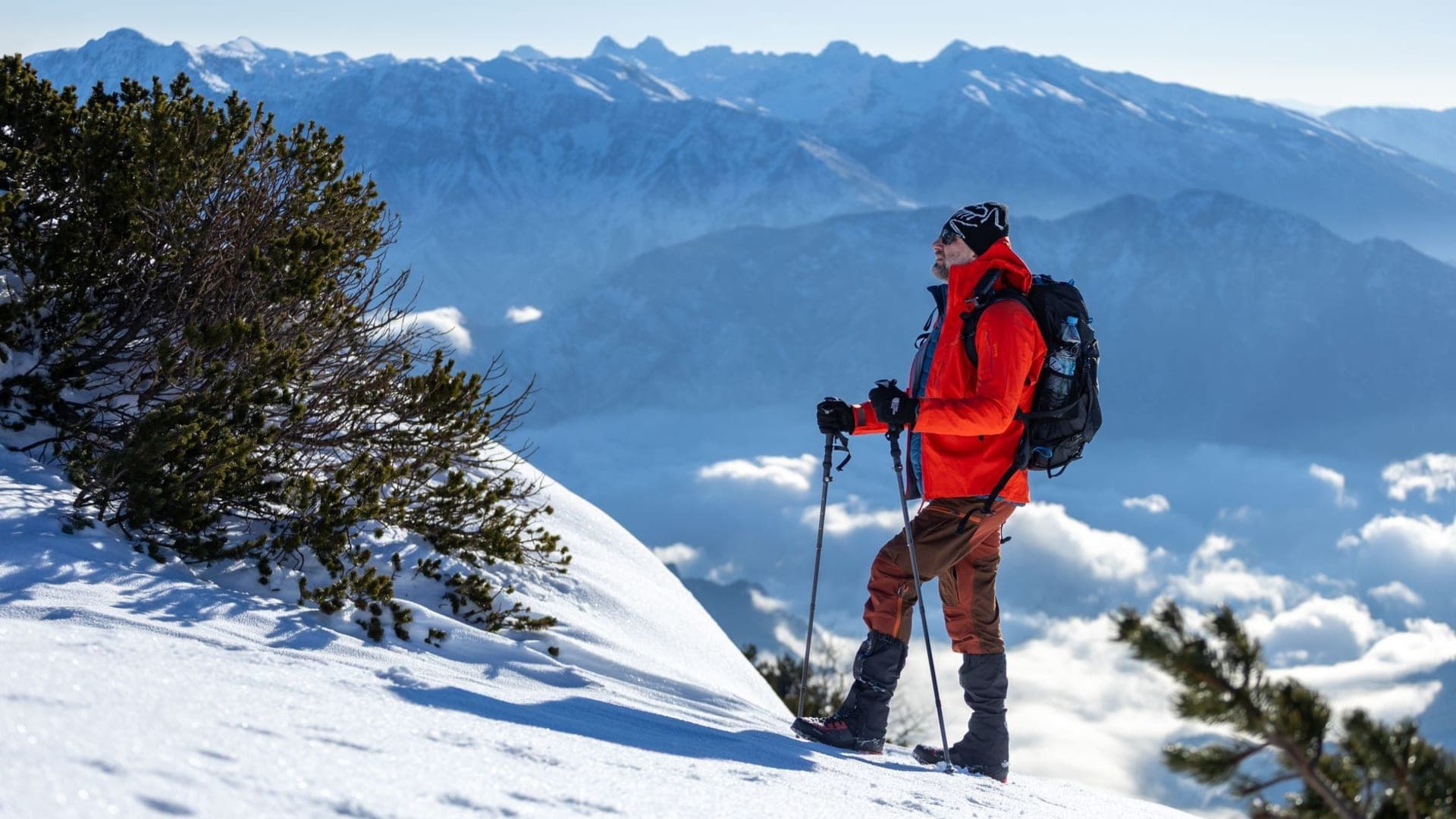
Summary: For nature lovers with camping experience, beginner mountaineering requires choosing the right gear, altitude acclimatization, and risk management. This guide explains step-by-step how to adapt your horizontal camping habits in forested areas to vertical routes and high-altitude conditions. You will learn about the technical equipment, acclimatization rules, and safety protocols that are vital when transitioning from camping to mountaineering.
Camping in forests, by lakes, or in valleys is one of the most effective ways to connect with nature. However, for outdoor enthusiasts with camping experience, beginner mountaineering tips help evolve these horizontal habits into vertical climbs dominated by harsh weather conditions. You already know how to pitch a tent, use a camp stove, and spend the night in the wild; now it's time to learn how to apply these skills at altitudes of 3,000 meters and above, in alpine environments where winds blow at 60 kilometers per hour.
What You Will Learn in This Article
- The main mindset and gear differences between camping and mountaineering
- Symptoms of Acute Mountain Sickness (AMS) and acclimatization strategies
- An introduction to technical gear like mountaineering boots, crampons, and ice axes
- The "Rest Step" technique for saving energy on high-altitude routes
- Objective and subjective risk management for a safe climb
Beginner Mountaineering Tips: Transitioning from Camping to the Summit
Many experienced campers assume their current knowledge will be enough when they leave standard hiking trails and head for the summits. However, autumn camping in Yedigöller and attempting a summit on Mount Erciyes' Şeytan Deresi route in the 2025 season are entirely different disciplines. Mountaineering is not just a steeper hike; it is a combination of meteorology, physiology, and technical decision-making.
At high altitudes, the temperature drops by an average of 6.5°C for every 1,000 meters climbed, and oxygen pressure decreases by 10-15% compared to sea level. This data clearly explains why a camper stepping into mountaineering needs a different layering system and an acclimatization plan. While camping is comfort-oriented, mountaineering requires a mindset focused on survival and efficiency (lightness/speed).
The Basics of Stepping into Mountaineering: Altitude and Climate
The most important factor forming the foundation of mountaineering is how your body and gear react to changing environmental conditions. As altitude increases, atmospheric pressure drops. This means the number of oxygen molecules entering your lungs with each breath decreases. To adapt to this, your body breathes faster and your heart rate increases.
Alpine climate systems are highly variable. A climb that starts sunny in the morning can turn into a severe storm or a dense fog known as a whiteout, where visibility drops to zero, by the afternoon. Therefore, the first thing you need to learn as a beginner mountaineer is how to read the weather. You must analyze not just the chance of precipitation, but also wind speed, wind direction, isobar maps, and the freezing level.
Mountaineering Gear Analysis for Campers
Much of your standard camping gear will be either inadequate or unnecessarily heavy for mountaineering. Weight isn't much of an issue when driving to a campsite or taking a short hike, but when climbing to 3,500 meters, every gram on your back will feel like kilos.
- Tent Selection: Compared to spacious 3-season camping tents, 4-season or alpine tents are much more effective because their aerodynamic structures cut through fierce winds and can bear heavy snow loads. The poles of your standard camping tent risk snapping in high-altitude winds.
- Boot Selection: Flexible-soled trekking boots are ideal for flat and uneven terrain. However, in mountaineering, it is mandatory to use stiff-soled mountaineering boots that are crampon-compatible (with a B1, B2, or B3 stiffness rating) and provide full ankle support against sprains.
- Sleeping Bag: Synthetic bags might do the job for camping, but for mountaineering, you should opt for goose down sleeping bags with at least an 800 fill power (comfort rating between -10°C and -20°C), offering the highest warmth-to-weight ratio.
5 Practical Tips for High Altitudes
Energy management and maintaining body heat in a mountain environment directly impact the success of your climb. Here are the concrete steps you need to apply in the field:
- Use the Rest Step Technique: With every step on steep inclines, fully lock the knee of your trailing leg to transfer your body weight from your muscles to your skeletal structure. This technique significantly delays muscle fatigue.
- Maintain Active Hydration: You might not feel thirsty in cold weather, but fluid loss increases at high altitudes due to dry air and rapid breathing. You should consume at least 3-4 liters of water a day. Use a thermos or insulated bottle sleeves to prevent your water from freezing.
- Manage Your Layering System Quickly: The golden rule of mountaineering is "layer up before you get cold, layer down before you sweat." Avoid cotton products at all costs. Use a merino wool base layer, a fleece mid-layer, and a waterproof/windproof outer layer like Gore-Tex.
- Consume Simple Carbohydrates: The digestive system slows down at altitude. Instead of heavy meals at camp, consume easily digestible energy gels, dried fruits, and high-carbohydrate bars during the climb.
- Don't Neglect Sun Protection: The atmosphere's filtering ability decreases at high altitudes, and the snow surface reflects 80% of UV rays. Always use glacier glasses with category 3 or 4 lenses and sunscreen with at least SPF 50.
3 Common Mistakes Made by Beginner Mountaineers
The most frequent mistakes made by those transitioning from camping to mountaineering usually stem from old habits. Knowing these mistakes will help you prevent problems in the field.
1. Overpacking
The large camp chairs, thick books, or heavy cast-iron skillets you bring while camping must be replaced by lightweight alternatives in mountaineering. As your backpack's weight increases, your climbing speed drops and the effort you exert multiplies. Only pack vital gear and emergency supplies.
2. Ignoring the Turnaround Time
Summit fever should not get in the way of making logical decisions. Set a strict turnaround time before starting the climb (for example, "We turn back at 2:00 PM, no matter where we are"). Even if the weather holds up, having enough daylight and energy left for the descent is crucial.
3. Ignoring Symptoms of Altitude Sickness
Brushing off a headache, nausea, or extreme fatigue by saying "I'm just tired" can be fatal. When symptoms of Acute Mountain Sickness (AMS) begin, the only thing to do is descend and lose altitude. Learn to listen to your body and never hide your symptoms.
Safety and Risk Management at Altitude
Risks in mountaineering are divided into two categories: objective risks (avalanches, rockfalls, bad weather) and subjective risks (poor physical conditioning, improper gear use, lack of knowledge). You cannot completely eliminate objective risks, but you can minimize them with proper planning. Subjective risks, on the other hand, are entirely under your control.
According to statistics, 70% of mountaineering accidents occur during the descent from the summit, when physical and mental fatigue are at their peak. Therefore, remember that you should have only spent half of your energy by the time you reach the summit. Additionally, cell phone signals are rarely available in mountainous areas. Carrying GPS-based emergency communication devices (satellite messengers) and sharing your route with a reliable person before the climb are basic safety protocols.
3 Critical Rules You Need to Know About Mountaineering
Here are three fundamental mountaineering philosophies you need to build upon your camping experience:
- The Summit is Only Halfway: The ultimate goal of a climb is not reaching the summit, but returning safely to camp. A successful mountaineer is one who knows when to turn back.
- Team Harmony Saves Lives: Although mountaineering may seem like an individual sport, when you rope up or share a tent, your partner's life is in your hands. Choose partners with strong communication skills and similar physical fitness levels.
- Leave No Trace Principles Become Stricter: Alpine ecosystems are highly fragile. Some waste that might biodegrade in a forest camp will remain intact for years in frozen mountain conditions. You must pack out all your waste, including your toilet paper.
Frequently Asked Questions
Which mountains in Turkey are suitable for beginners in mountaineering?
For beginners in Turkey, volcanic mountains like Mount Hasan (3,268m) and Mount Erciyes (3,917m) are ideal in non-winter conditions (during the summer months) to learn altitude adaptation and basic hiking dynamics. For more technical routes, the Aladağlar region should be preferred.
What is altitude sickness (AMS) and how can it be prevented?
AMS is a condition characterized by headaches, nausea, and dizziness, caused by the body's inability to adapt to low oxygen levels at high altitudes. To prevent it, you should follow the "climb high, sleep low" principle, drink plenty of water, and keep your climbing pace slow.
Can I use my standard camping tent for mountaineering?
3-season tents designed for forest or valley camps are not durable enough for the harsh winds and sudden snowfalls in the mountains. For your safety, you should use 4-season alpine tents with wind resistance, an aerodynamic design, and a sturdy pole structure.
When should I get crampon and ice axe training?
You must take hands-on winter mountaineering training before transitioning to winter mountaineering or high-altitude routes involving glaciers (such as certain routes in the Kaçkar Mountains or Mount Ararat). Self-arresting with an ice axe is a vital reflex and cannot be learned on the fly in the field.
How should nutrition in mountaineering differ from camping?
While taste and enjoyment are prioritized in camping, the calorie-to-weight ratio and ease of digestion are essential in mountaineering. Appetite diminishes and digestion becomes harder at altitude; therefore, instead of heavy proteins, lightweight, freeze-dried foods rich in carbohydrates that provide instant energy are consumed.
Conclusion
Transitioning from camping to mountaineering takes your relationship with nature to an entirely new and awe-inspiring level. The beginner mountaineering tips we shared above will be your guide as you take your first steps into this challenging yet highly rewarding world. Choosing the right gear, listening to how your body reacts to altitude, and respecting the rules of the mountain are the keys to a long and safe mountaineering journey. Now, lighten your backpack, plan your route, and be open to the new lessons the summits will teach you. See you in the mountains; may your steps be steady and your skies be clear.