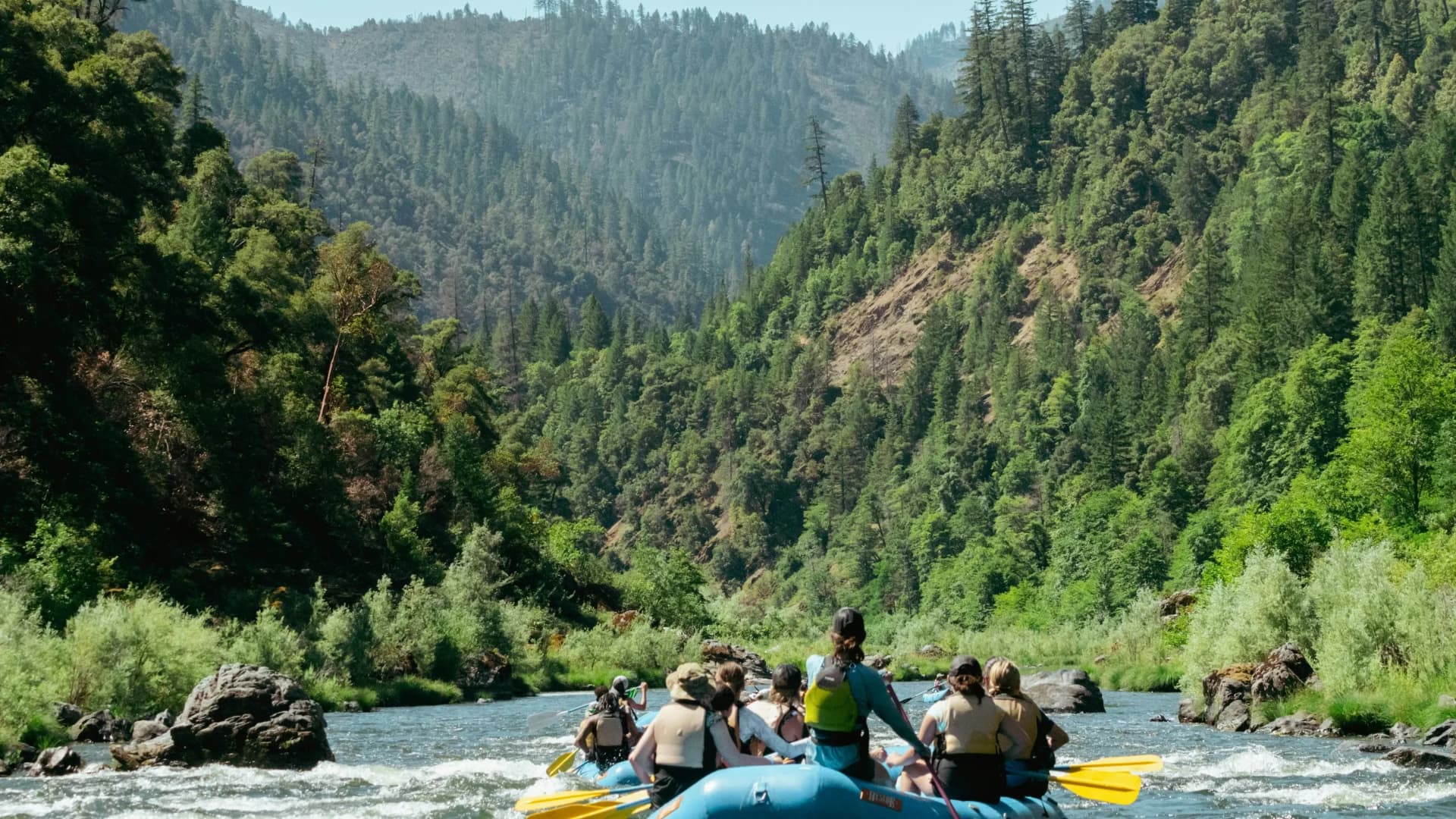
Munzur Valley is one of Turkey's largest and most untouched national parks, covering an area of 42,000 hectares within the borders of Tunceli province. Declared a National Park in 1971, this unique valley is a magnificent natural wonder stretching from the source of the Munzur River all the way to the center of Tunceli. With over 40 water springs, crystal-clear streams, deep canyons, endemic plant species, and rich wildlife, Munzur Valley is a paradise-like destination for nature lovers.
Camping in Munzur Valley means waking up to the sound of birds by crystal-clear springs in untouched nature and sleeping under a star-filled sky at night. However, since the region is remote and has challenging terrain, it is recommended for experienced campers. In this guide, you will find the best camping spots in Munzur Valley, transportation details, and important information to keep in mind.
Where is Munzur Valley?
Munzur Valley is located to the north and east of the central district of Tunceli province. Formed by the Munzur River originating from the Munzur Mountains, the valley is approximately 50 km long.
Location and GPS Coordinates
Munzur Valley National Park Center: 39.3333° N, 39.5000° E
Main Entry Points and Camping Areas:
- Mercan Valley Entrance: 39.2800° N, 39.5300° E - The most popular entry point
- Near Rabat Village: 39.3100° N, 39.4800° E - Suitable for camping
- Munzur Springs Area: 39.4200° N, 39.4500° E - Water springs
- Ovacık-Munzur Roadside: 39.3500° N, 39.5200° E - Accessible camping spot
The altitude of the national park ranges from 1200 to 3000 meters. Camping areas are generally at an altitude of 1300-1800 meters.
Getting There by Private Vehicle
It is possible to reach Munzur Valley by private vehicle, but the roads are long and some sections are challenging.
From Ankara: Ankara → Sivas → Erzincan → Tunceli → Munzur Valley (approx. 850 km, 11-12 hours). Long, but the roads are generally in good condition.
From Istanbul: Istanbul → Ankara → Sivas → Erzincan → Tunceli (approx. 1400 km, 16-18 hours). Very long, overnight stops are recommended.
From Elazığ: Elazığ → Pertek → Tunceli → Munzur Valley (approx. 120 km, 2 hours). The closest major city.
From Erzincan: Erzincan → Ovacık → Tunceli → Munzur Valley (approx. 110 km, 2 hours).
From Diyarbakır: Diyarbakır → Bingöl → Tunceli (approx. 250 km, 4 hours).
From Tunceli to the valley: The road heading from Tunceli city center towards Ovacık passes right through Munzur Valley. It is 15-20 km (20-30 minutes) from Tunceli to the Mercan Valley entrance. To reach the Munzur Springs, you need to continue through Ovacık and take the mountain roads (4x4 recommended, 40-50 km).
Parking: There are parking areas at the valley entrances and along the main road. Reaching the inner regions by vehicle is difficult and may require hiking.
Vehicle requirements: Main roads are asphalt and in good condition. However, a 4x4 or high-clearance vehicle is required for remote spots like the inner valley and Munzur Springs.
Getting There by Public Transport
Reaching Munzur Valley by public transport is quite difficult.
Getting to Tunceli:
By Plane: Erzincan Airport (110 km) or Elazığ Airport (120 km) are the closest airports. There are bus/shuttle services to Tunceli from both airports.
By Bus: There are direct bus services to Tunceli from cities like Ankara, Istanbul, and Izmir, but they are limited. Usually, people travel to Elazığ or Erzincan and transfer from there.
Erzincan-Tunceli: There are minibus services from Erzincan bus terminal to Tunceli 4-5 times a day (around 07:00, 10:00, 13:00, 16:00, 19:00). The journey takes 1.5-2 hours and costs 50-70 TL.
Elazığ-Tunceli: There are 3-4 services a day from Elazığ to Tunceli. The journey takes 2 hours.
From Tunceli to Munzur Valley: There is no public transport from Tunceli city center to Munzur Valley. You can take a taxi (200-300 TL) or try hitchhiking (traffic is light in summer but it's possible).
Organized tours: Some local guides and outdoor clubs in Tunceli organize trekking and camping tours to Munzur Valley. Going with a guide is both safer and offers a better opportunity to get to know the region.
Camping Area Features and Facilities
Since Munzur Valley is a vast area, there are many different camping spots. However, basic facilities are limited, and you will need to wild camp.
Free Camping Spots
1. Mercan Valley Area: The most popular and accessible camping area. Green forested areas along the Munzur River. 15-20 km from Tunceli, easily accessible by car. Enjoy camping accompanied by the sound of the river.
Pros: Easy access, by the Munzur River, green forest, relatively sheltered Cons: Being the most popular spot, there can be day-trippers during the summer months
2. Near Rabat Village: Camping areas around Rabat village in the east of Munzur Valley. Since it is close to the village, basic needs (water, market) can be met. More secluded.
Pros: Close to the village, water/market access, secluded Cons: A bit far from the main sections of the valley
3. Munzur Springs Area: The most special spot in the valley. The area where over 40 water springs emerge. Crystal-clear waters, unique nature. However, access is difficult, a 4x4 is required, and the final section must be hiked.
Pros: Unique nature, springs, completely untouched, endemic plants Cons: Very difficult access, zero basic facilities, experience is a must, guide recommended
4. Ovacık-Munzur Roadside: The main road to Ovacık passes through Munzur Valley. There are camping spots with valley views along the road. Easy access.
Pros: Easy access, valley views Cons: Close to the main road, can be noisy
Important warnings:
- Since Munzur Valley is a National Park, there are certain rules (no littering, no campfires, etc.)
- The region is remote and secluded; camping in a group is recommended
- Wild animals (bears, wolves) can be seen, albeit rarely; be careful
- Weather conditions are variable; be prepared
- Communicate respectfully with the locals
Water and Toilet Situation
Water sources:
Munzur River and springs: There are crystal-clear water sources everywhere in the valley. The water of the Munzur River is drinkable (it is fed by spring water). However, filtering or boiling is recommended for safety.
Springs: There are water springs in the Munzur Springs area that can be drunk directly. It is some of the cleanest water in Turkey.
Villages: Villages like Rabat and Mercan have fountains and grocery stores.
Recommended: Have a water filtration system or purification tablets with you. 5-6 liters of water per person daily.
Toilet facilities:
Villages: There are mosque toilets and toilets in some businesses in Rabat and Mercan villages.
National park entrances: There might be basic toilets at some entry points (hygiene standards are limited).
Natural areas: There are no toilets in most parts of the valley. If you need to relieve yourself in nature:
- At least 70-100 meters away from the Munzur River and springs (it is crucial not to pollute the water source)
- Dig a hole 15-20 cm deep
- Throw toilet paper and wet wipes in the trash (pack them out or burn them)
- Use biodegradable soap
Campfire Rules
Since Munzur Valley is a National Park, you must be very careful about lighting fires:
Prohibited situations:
- Lighting fires in forested areas and under trees is strictly prohibited
- High fire risk during dry seasons (July-August)
- Fires may be banned in national park conservation areas
Permitted situations:
- You can light small, controlled fires in open, rocky areas along the Munzur River
- Only for cooking, inside a stone ring
- In windless weather
Rules:
- Clear dry grass around the area before lighting a fire (3-4 meters in diameter)
- Do not leave the fire unattended
- Use plenty of water and soil to extinguish it
- Make sure the embers are completely cold
- Clean up the fire pit
The safest option: Using a portable gas stove or camping stove. It is both safe and practical.
Is There Cell Phone Reception?
GSM coverage in Munzur Valley is limited:
Turkcell: There is a 4.5G signal in Tunceli city center and along the main Ovacık road. As you go deeper into the valley, the signal weakens or drops entirely. There is no reception at all in remote areas like Munzur Springs.
Vodafone and Turkcell: Similar situation. Available on main roads, weak or non-existent inside the valley.
Internet: There is mobile internet in Tunceli city center and Ovacık. There is no internet inside the valley.
Emergency: Since there is no signal inside the valley, be sure to inform someone in Tunceli (a hotel, gendarmerie, or family) of your location and plans before camping. In an emergency, you may need to head to the main road to make a call.
Satellite phone: If you are going to very remote areas (like Munzur Springs), carrying a satellite phone or an emergency beacon is recommended.
Best Camping Season and Weather
Munzur Valley has a high altitude (1300-1800m camping areas) and features a continental climate.
Seasonal Recommendations
Spring (April-June): One of the suitable periods for camping. Daytime 15-25°C, nighttime 5-12°C. There might still be snow in April. May-June is ideal. Nature is green, flowers are blooming. The Munzur River is full of water. The most beautiful season.
Pros: Green nature, flowers, plenty of water, cool weather, blooming time for endemic plants Cons: Risk of snow in April, occasional rain in May, cold at night
Summer (July-August): The most popular period. Daytime 25-32°C, nighttime 12-18°C. Clear skies, little rain. The water in the Munzur River decreases slightly but is still plentiful. Comfortable at night.
Pros: Warm weather, little rain, long days, comfortable night temperatures Cons: The most crowded period (but still very secluded), fire risk
Autumn (September-October): The second ideal period. Daytime 18-26°C, nighttime 8-14°C. Autumn colors are wonderful. September is still warm, October is cooler. Very few tourists.
Pros: Perfect weather, autumn scenery, completely secluded, clear air Cons: Can get cold early by the end of October, increased risk of rain
Winter (November-March): Only for highly experienced winter campers. Daytime between -5 and +10°C, nighttime between -15 and -5°C. Heavy snowfall. Many roads are closed. Dangerous.
Pros: Snowy valley scenery, completely deserted Cons: Very cold, snow, closed roads, dangerous, winter gear is a must
Conclusion: The most ideal periods are between May-June and September-October.
Temperature and Precipitation Information
Average monthly temperatures (valley floor, 1500m altitude):
- March: Min -2°C / Max 8°C
- April: Min 3°C / Max 15°C
- May: Min 8°C / Max 21°C
- June: Min 12°C / Max 27°C
- July: Min 16°C / Max 32°C
- August: Min 16°C / Max 32°C
- September: Min 11°C / Max 27°C
- October: Min 6°C / Max 19°C
- November: Min 0°C / Max 12°C
Precipitation: The wettest months are April-May and November-December. Summer months are relatively dry, but rain is possible. Annual average precipitation is 800-900 mm.
Snow: Snowfall between November and April. Snow depth can reach 50-150 cm in winter months.
Wind: The valley is generally sheltered from the wind. There can be wind on open hills.
Sudden weather changes: Being a mountainous region, the weather can change quickly. It might be sunny in the morning and rainy in the afternoon. Be prepared.
Nearby Attractions and Activities
There is plenty to do in and around Munzur Valley.
Hiking Trails
1. Munzur Springs Trekking (20 km round trip, 8-10 hours, hard): The most special hike in Munzur Valley. A route starting via Ovacık and reaching the Munzur Springs. A unique area where over 40 water springs emerge. Going with a guide is recommended.
Route: Ovacık → Ziyaret Village → Munzur Springs → Return Difficulty: Hard, high altitude (2000-2400m), dirt trails Scenery: Springs, endemic plants, mountain views
2. Mercan Valley Nature Hike (10 km, 3-4 hours, moderate): A hike from Mercan Valley along the Munzur River. Easily accessible, beautiful scenery.
Route: Mercan Valley entrance → Munzur River bank → Rabat Village Scenery: Pine forests, Munzur River, canyons
3. Pülümür Valley Trekking (Multi-day): For experienced trekkers. A multi-day route starting from Munzur Valley and extending to Pülümür Valley. A guide is a must.
4. Ovacık Plateau Hikes: There are short hiking trails on the plateaus around Ovacık. Easy, suitable for families.
Tips:
- Experience is a must for Munzur Valley hikes
- Trails are poorly marked; use a map and GPS
- Going with a guide is safe
- Carry plenty of water, food, and camping gear
- Check the weather forecast
Water Activities (if any)
Water activities in Munzur Valley are limited:
Munzur River rafting: Rafting can be done in some sections of the Munzur River. There are organized rafting tours in Tunceli (between May and June, when the river is full).
Natural pools: The Munzur River forms natural pools at some points. You can swim in the summer months (the water is cold, 15-18°C).
Photography: The springs, waterfalls, and the Munzur River offer excellent photo opportunities.
Alternative activities:
- Bird Watching: Munzur Valley is home to many bird species. Birds of prey and golden eagles can be spotted.
- Botanical Exploration: There are many endemic plant species. Flowers bloom in the spring. A paradise for botany enthusiasts.
- Wildlife Observation: Animals like wild goats, roe deer, foxes, and jackals live here. If you are lucky, you might see a bear (from a distance).
- Cave Exploration: There are many caves within the valley. Experienced cavers can explore them.
Camping Gear Recommendations
Munzur Valley is a remote and challenging destination; the right gear is crucial.
Must-Bring Items
Tent:
- 4-season tent (against sudden weather changes)
- Waterproof (min 3000mm)
- Wind-resistant
- A model with a mosquito net
Sleeping gear:
- Thick insulated sleeping pad (the ground is cold and rocky)
- Spring/autumn: Sleeping bag with a comfort rating of 0 to -5°C
- Summer: Comfort rating of 5-10°C
- Thermal sleeping bag liner (for extra warmth)
Water and food:
- Water filtration system or purification tablets (to purify Munzur River water)
- 5-10 liter water jug
- Portable gas stove
- Cooking set
- High-calorie foods (energy bars, nuts, canned goods)
- Trash bags (you will pack out all your trash)
Clothing (layered):
- Thermal underwear
- Fleece mid-layer
- Puffer jacket or thick fleece
- Waterproof and windproof outer layer
- Gloves, beanie, neck gaiter (for the evenings)
- Spare socks
- Raincoat
- Comfortable trekking boots (ankle support, waterproof)
Lighting:
- Headlamp
- Flashlight
- Spare batteries
- Power bank
Health and safety:
- Comprehensive first aid kit
- Snake bite first aid kit
- Insect repellent
- Sunscreen
- Personal medications
- Emergency blanket
Navigation and communication:
- GPS device or smartphone with GPS
- Offline maps (maps.me, OsmAnd)
- Compass
- Whistle (for emergencies)
- Flare
- Fully charged phone and power bank
Region-Specific Recommendations
Additional tips for Munzur Valley:
-
Water filtration system: A filter or purification tablets are essential to purify the Munzur River and spring waters. Do not drink the water directly.
-
Navigation gear: Signs are scarce inside the valley, and there is a risk of getting lost. Make sure to have a GPS, compass, and offline map with you.
-
Communication plan: Since there is no signal, inform someone of your location and plan before leaving Tunceli. Set an expected return time.
-
Wildlife precautions: The risk of seeing a bear is low but exists. Store food by hanging it (from a tree), do not leave it in the tent. Make noise to signal your approach.
-
Trekking gear: The trails are challenging. Support gear like trekking poles and knee braces are useful.
-
Emergency kit: Comprehensive first aid kit, flare, whistle, emergency blanket.
-
Photography gear: Unique landscapes. Camera, extra batteries, waterproof bag.
-
Telescope/binoculars: For bird and wildlife watching.
-
Extra food: Carry 1-2 days more food than planned (you might get stuck in the valley if the weather worsens).
-
Nylon rope: For multi-purpose use (hanging clothes, hanging food, securing the tent).
Safety Tips and Rules
Munzur Valley is a remote and wild region; safety precautions are very important.
Wildlife Warnings
Munzur Valley has rich wildlife:
Bear: Brown bears live in Munzur Valley. They are rarely seen, but they are there. Bear attacks are very rare, but taking precautions is important.
Precautions:
- Hang food from a tree or store it in bear-proof containers
- Do not leave food in the tent
- Make noise while walking (bears stay away from humans)
- If you see a bear, back away slowly; do not run
- Consider carrying bear spray
Wolf: There are wolf packs, but they do not attack humans. You might hear them howling from a distance at night.
Wild Goat and Roe Deer: Harmless, they generally run away from humans. Seeing them is a matter of luck.
Snakes: There might be vipers.
Precautions:
- Hiking boots with thick ankle support
- Pay attention to rock piles
- Be careful in the morning and evening
Scorpions: There might be scorpions in rocky areas.
Precautions: Keep the tent door closed, check your shoes.
Emergency Information
Emergency phone numbers:
- 112 - Emergency Medical Services
- 155 - Police
- 156 - Gendarmerie
- 110 - Fire Department
Nearest healthcare facilities:
- Tunceli State Hospital: 0428 213 16 60 (Tunceli city center, ~20-50 km)
- Ovacık District State Hospital: 0428 711 20 67 (Ovacık)
Nearest gendarmerie:
- Tunceli Gendarmerie Search and Rescue Team: 156
- Ovacık Gendarmerie Station: 156
Safety advice:
-
Be in a group: Do not camp alone in Munzur Valley. Be in a group of at least 3-4 people.
-
Share your location: Before leaving Tunceli, inform the Gendarmerie or a hotel of your location, route, and expected return time.
-
Weather: The weather changes quickly in mountainous regions. Check the meteorological forecasts. If there is a bad weather warning, you can postpone your trip.
-
Risk of getting lost: Trails are poorly marked. Use a GPS, map, and compass. Do not stray from the main route. If you get lost, climb to a high point and signal, or head down towards the main road.
-
Water safety: The Munzur River is deep and has strong currents at some points. Do not swim; only dip your feet in shallow areas.
-
Fire risk: Fires in forested areas are very dangerous. Avoid lighting campfires; use a gas stove instead.
-
Health: The nearest hospital is in Tunceli (20-50 km). In case of a serious injury, a helicopter ambulance can be called (112).
Frequently Asked Questions (FAQ)
Q: Is it legal to camp for free in Munzur Valley? A: Yes, since it is a National Park, there are some rules (no littering, no campfires, etc.), but camping is not prohibited. Follow the rules and be respectful of nature.
Q: Is Munzur Valley dangerous? A: The region is remote and wild. It can be risky for inexperienced campers. It is safe if you go in a group, well-prepared, and experienced. Wild animals generally run away from humans.
Q: How do you get to Munzur Springs? A: By driving a 4x4 vehicle on mountain roads via Ovacık and hiking the final section. The road is difficult; experience and a guide are a must. There are also organized tours.
Q: Is the water of the Munzur River drinkable? A: It is fed by spring water and is generally clean, but filtering or boiling is recommended for safety.
Q: Is there cell phone reception? A: There is reception on the main roads, but no signal inside the valley. Make a communication plan for emergencies.
Q: Can you camp in winter? A: Only for highly experienced winter campers. Very cold (-15°C at night), heavy snow. Roads close. Dangerous.
Q: Are there bears in Munzur Valley? A: Yes, brown bears live there. They are rarely seen. Hang your food from a tree, make noise, and be careful.
Q: Are there camping gear rentals in Tunceli? A: Limited. Some outdoor clubs rent gear, but it is safer to bring your own.
Q: Is it necessary to hire a guide? A: Not necessary for main areas like Mercan Valley. A guide is highly recommended for remote and difficult areas like Munzur Springs.
Q: Is there electricity? A: No, there is no electricity in the camping areas. Carry a power bank.
Related Content:
- Eastern Anatolia Free Camping Areas Guide →
- Best Free Camping Areas in Turkey →
- Mount Nemrut Camping Guide →
- Wild Camping Safety Guide →
- High Altitude Camping Tips →
- Safe Camping Guide →
Wishing you an unforgettable camping adventure in the untouched nature of Munzur Valley! 🏕️🏞️