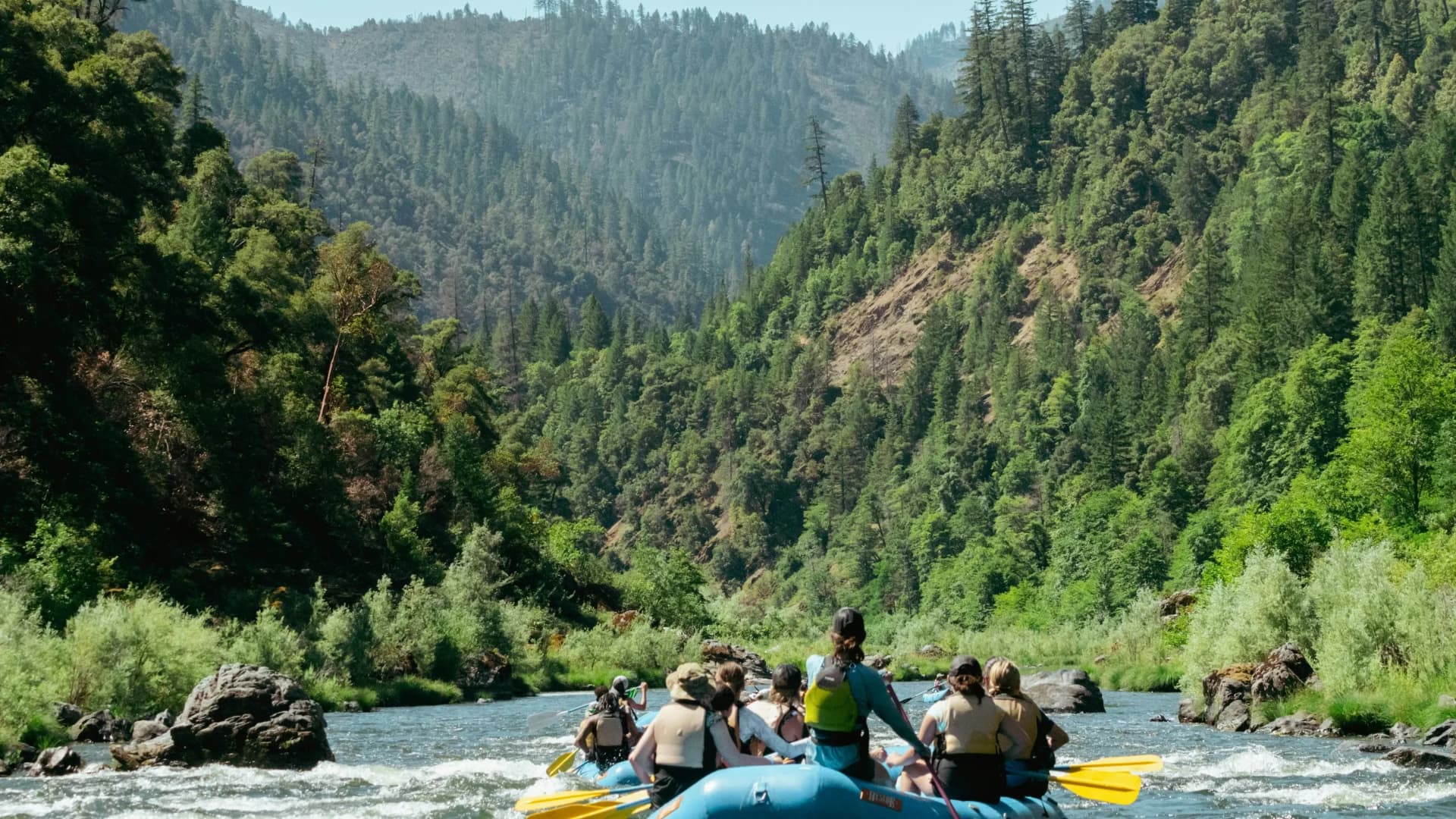
One of Fethiye's best-kept secrets, Kabak Bay is a magnificent natural wonder where the turquoise waters of the Mediterranean meet a small cove surrounded by steep cliffs. Situated on the world-famous Lycian Way, this secluded bay is an ideal sanctuary not only for free camping but also for yoga, nature walks, and those seeking pure tranquility.
Unlike other popular coastal campsites, Kabak Bay offers a more adventurous experience. The descent to the bay is a hiking trail in itself; getting there is a bit challenging, but in return, untouched nature and a secluded camping experience await you. In this guide, you'll find every detail about free camping in Kabak Bay, from transportation and the best camping spots to safety tips and activities.
Where is Kabak Bay?
Kabak Bay is located within the borders of Faralya village in the Fethiye district of Muğla. It is situated approximately 40 kilometers from Fethiye city center, 25 kilometers from Ölüdeniz, and 50 kilometers from Kaş.
Location and GPS Coordinates
The GPS coordinates for Kabak Bay are 36.4833° N, 29.0833° E. These coordinates will take you to the entrance of Kabak village. From there, the descent to the bay takes about 30-45 minutes.
Kabak is within the borders of the Ölüdeniz-Fethiye Special Environmental Protection Area and holds the status of a natural protected site. The region is characterized by dense forests and steep slopes, which is why construction is highly restricted and the natural landscape remains preserved.
One of the most beautiful sections of the Lycian Way passes through Kabak, making the area a crucial stopover for long-distance hikers.
Getting There by Private Car
Reaching Kabak from Fethiye city center takes about 1 to 1.5 hours. You turn off the D400 highway towards Ölüdeniz-Faralya and drive along a narrow, winding mountain road. The road is quite narrow in some sections, so careful driving is required.
You can drive all the way to the entrance of Kabak village. There are a few parking areas at the village entrance, which cost around 50-100 TL per day, though some guesthouse owners offer free parking.
From here, descending to the bay is only possible on foot. There are two different trails down:
1. Main Trail (Easy Route): Starting from the village entrance, this trail zigzags down to the bay in about 30-40 minutes. The path is rocky but generally well-marked. Carrying equipment down can be exhausting, so take frequent breaks.
2. Waterfall Trail (Challenging Route): A more adventurous route passing by the Kabak waterfall. It takes about 45-60 minutes and includes rocky sections. Descending with gear is difficult; this is recommended for experienced hikers.
Carrying camping gear down to the bay is quite tiring. Some guesthouses offer a paid transport service (50-100 TL), which is worth considering.
Getting There by Public Transport
There are no direct buses from Fethiye bus terminal to Kabak, but there are minibuses (dolmuş) heading to Faralya. The Fethiye-Faralya minibuses run a few times a day, especially in the early morning and afternoon. The journey takes about 1 hour and costs around 30-50 TL.
From Faralya, you can reach Kabak by walking or hitchhiking. It's about a 3-kilometer distance, taking a 30-40 minute walk.
There are also minibuses from Ölüdeniz to Kabak, but the schedule is more limited. During the summer season, they run 2-3 times a day.
Alternatively, you can arrange a private transfer or taxi from Fethiye. A taxi from Fethiye to Kabak costs around 300-500 TL. It's quite reasonable if you share it as a group.
During the summer months, some guesthouses provide free or paid shuttle services from Fethiye or Ölüdeniz, so be sure to ask before booking.
Campsite Features and Facilities
Kabak Bay offers a wilder camping experience with minimal infrastructure.
Free Camping Spots
There are a few options for free camping in Kabak:
1. Flat Areas Inside the Bay: There are flat areas on the northern side of the bay, near the stream. This is the most popular free camping zone. You can find shade under the trees, and the ground is a mix of soil and gravel. Pitching a tent is relatively easy, but make sure the ground isn't sloped.
2. Beachfront: It's possible to pitch your tent directly on the beach, but it's a bit challenging due to the rocky-pebbly ground and wind. Also, when the sea is rough, the water level rises, so you must set up your tent above the high-water mark.
3. Valley Areas: In the valley behind the bay, along the path to the waterfall, there are some flat spots. It's more secluded but a bit far from the beach; you can fall asleep listening to the sound of the stream.
4. Hillside Terraces: Some campers prefer the natural terraces on the slopes. The view is spectacular, but climbing up and down is exhausting.
The biggest advantage of Kabak is that it rarely gets crowded. Even in the middle of the season, you can find plenty of space. However, since infrastructure is limited, you need to be self-sufficient.
Water and Toilet Facilities
Infrastructure in Kabak is minimal. There are a few small guesthouses and cafes in the bay where you can get tap water. The Kabak stream is a freshwater source, but it's not used for drinking; you need to bring bottled water or buy it from the village.
The closest spots to refill water are the cafes and guesthouses at the entrance of the bay. As a courtesy, buy a drink before asking for water. To fill large jugs, you might need to hike back up to the village.
Toilet facilities are quite limited. You can use the restrooms at the cafes and guesthouses in the bay. Some campers bring portable toilets. If you need to relieve yourself in nature, always be respectful of the environment, avoid areas near the stream and the sea, and pack out your waste.
Paid shower facilities (50-100 TL) are available at the guesthouses in the bay. Washing in the sea and rinsing off with the cold water of the stream is a common practice. Some campers bring solar-powered portable showers.
Garbage collection is not regular, so you must absolutely take your trash with you. Trash left in the bay causes immense harm to nature; please be a responsible camper.
Campfire Rules
Because Kabak is within a Special Environmental Protection Area, lighting campfires is strictly prohibited. The risk of forest fires is extremely high, especially since you are right next to pine forests.
You must use a portable camping stove for cooking. Barbecues are also forbidden; any open flame is strictly prohibited.
For evening lighting, you can use flashlights, candles (in a closed lantern, protected from the wind), or LED lamps. Since there is no light pollution in Kabak, the night sky is spectacular for stargazing.
You can sit and socialize at the cafes and guesthouses in the bay during the evenings. There are also live music events occasionally.
Is There Cell Phone Reception?
Mobile reception in Kabak is inconsistent. Turkcell generally works but can be weak. Vodafone and Türk Telekom are much weaker and have no signal at all in some spots.
There is absolutely no signal in certain parts of the bay, making it an ideal opportunity for a digital detox. For emergencies, the guesthouses in the bay have landlines.
Guesthouses and cafes offer free Wi-Fi, but the speed is very slow. If you're coming to Kabak, consider it a chance to break free from internet addiction.
Best Camping Season and Weather
Camping in Kabak is possible year-round, but each season offers a different experience.
Seasonal Recommendations
May-June: The most ideal period. Temperatures range between 22-28°C, and the sea is warm enough for swimming from late May onwards (20-23°C). Nature is lush and blooming, and the Kabak waterfall is at its strongest flow. This period is also perfect for Lycian Way hikers. The crowds haven't arrived yet.
July-August: The hottest period, but bearable thanks to Kabak's green valley and sea breezes. Temperatures are 28-35°C, dropping to 22-26°C at night. The sea is very warm (26-28°C). This is the busiest time, yet still quieter compared to other beaches. Water shortages can occur, so bring plenty of water.
September-October: A perfect time. The sea is still warm (24-27°C), the weather has cooled down (24-30°C), and the crowds have thinned out. Light rains may start in October, and the waterfall regains its strength. The sunset views are spectacular.
November-April: The winter season. Rainy days increase, and temperatures drop to 12-20°C. The sea is cold (15-19°C) but still possible for brave swimmers. This period offers a quiet, mystical experience for experienced winter campers. Kabak is almost empty in winter, feeling like your own private paradise. However, the descents can be slippery in the rain.
Temperature and Precipitation Info
Kabak exhibits a typical Mediterranean climate, but the valley creates a microclimate effect. The average annual precipitation is 1000-1200 mm, mostly occurring between November and March. The summer months are dry.
The day-night temperature difference can be 8-12°C in the summer. Thanks to the valley, it cools down at night, making it ideal for a comfortable sleep. A light jacket or sweatshirt is needed in the evenings.
The wind usually blows from the southwest in the afternoons, but thanks to the valley's protection, it is felt less than on other open coasts. Stormy days are rare, but when they happen, the waves in the bay get quite large.
Nearby Attractions and Activities
Kabak is not just about the beach; there are wonderful places to explore nearby.
Hiking Trails
Kabak Waterfall: The most popular activity in the bay. It's about a 20-30 minute climb from the bay entrance. The path is steep and rocky in some spots, requiring good shoes. The waterfall flows strongly, especially in spring and autumn. There is a small pool under the waterfall, great for a refreshing dip (the water is very cold).
Lycian Way - Kabak/Faralya Section: This part of the world-famous Lycian Way stretches from Kabak to Faralya and Butterfly Valley (Kelebekler Vadisi). The distance between Kabak and Faralya is about 8 km and takes 3-4 hours. It offers magnificent sea views, ancient ruins, and a challenging yet rewarding hike.
The route from Kabak to Butterfly Valley is about 6 km and takes 2.5-3 hours. This trail passes along cliff edges; the scenery is incredible, but it might be difficult for those with a fear of heights.
Faralya Village: You can hike up from Kabak to explore Faralya village. It's an authentic Mediterranean village with panoramic views. There are small cafes and restaurants in the village where you can try homemade gözleme.
George's Camp Trail: A path climbing the hill to the north of Kabak. The ascent takes about 1 hour, offering spectacular views of Kabak Bay and the Mediterranean from the top. It's an ideal spot for sunset.
Water Activities
Swimming: Kabak's turquoise waters are fantastic for swimming, but the sea can sometimes be choppy. Bringing a life jacket is a good idea for safety. The beach is pebbly and rocky, so water shoes are necessary.
Snorkeling: There are rocky areas at the southern end of the bay where underwater life is rich. You can spot various fish species, starfish, and octopuses.
Scuba Diving: There are no diving schools in Kabak, but nearby Ölüdeniz and Fethiye have diving centers. Certified divers can explore the wrecks and reefs in the region.
Canoeing/Kayaking: In calm weather, you can kayak in the bay, but there are no equipment rentals in Kabak; you need to bring your own gear.
Boat Tours: There are no boat tours departing directly from Kabak, but you can join the 12 Islands daily boat tours departing from nearby Ölüdeniz.
Camping Equipment Recommendations
Kabak's mountainous terrain and limited infrastructure require special preparation.
Must-Bring Items
Tent and Ground Gear:
- A sturdy tent, resistant to wind and rain
- A thick, comfortable camping mat (the ground is rocky and uneven)
- A well-insulated sleeping bag (5-15°C comfort for summer, -5°C for winter)
- A groundsheet/tarp for under the tent (the ground can get damp)
- Extra pegs and guy lines (for windy days)
- Lightweight but durable materials (every gram counts when descending to the bay)
Kitchen Equipment:
- Portable gas stove and spare canisters (at least 2 canisters)
- Lightweight pot and pan set
- 30-40 liter water jug (water sources are limited)
- Cooler bag (ice is not available in the bay)
- Trash bags (you must pack out your trash)
- Food supplies (there is no market; you have to hike up to the village)
Personal Gear:
- Hiking boots (the descent and ascent are challenging)
- Sunscreen (SPF 50+)
- Hat, sunglasses
- Water shoes (the beach is rocky)
- A strong flashlight or headlamp (for navigating at night)
- First aid kit (the nearest medical facility is far away)
- Mosquito repellent
- Water purification tablets or a filter (for safety)
Region-Specific Recommendations
For the Descent and Ascent:
- Lightweight backpack (40-60 liters is ideal)
- Trekking poles (helps protect your knees on the way down and up)
- Opt for lightweight gear (every gram counts)
- Water bottle or camelback (no water sources on the trail)
Water Management:
- Large water jug (30-40 liters)
- Small bottles (for daily use)
- Conserve water and use it mindfully
Comfort Enhancers:
- Hammock (great for setting up between trees)
- Book or e-reader (Kabak is perfect for relaxing)
- Snorkel mask
- Solar-powered charger (there is no electricity)
- Yoga mat (Kabak is famous for yoga)
- Musical instrument (guitar, ukulele - evening jam sessions are common)
- Biodegradable soap and detergent (chemicals harm the stream)
Safety Tips and Rules
Kabak is a wilder environment, so safety precautions are crucial.
Wildlife Warnings
Snakes: Various snake species live in Kabak, some of which are venomous. Avoid stepping into tall grass, check before lifting rocks, and use a flashlight when walking at night. If you see a snake, stay away and do not chase it.
Scorpions: They can be found under stones and in dark places. Clear the area before pitching your tent, and always check your shoes in the morning before putting them on.
Wild Boars: Rarely seen, but they can roam the valley, especially at night. Store your food securely. If you encounter them, keep your distance and don't try to scare them.
Bees and Wasps: Active during the summer months. If you have allergies, make sure to bring your medication.
Mosquitoes: Very active in the evenings, especially near the stream. Repellent cream and a tent mosquito net are essential.
Marine Life: Jellyfish are rarely seen, and pufferfish even more rarely. Be careful when walking on the rocks.
Emergency Information
Nearest Medical Facility: Faralya Health Clinic, located in the village. For basic treatments. For serious situations, Fethiye State Hospital (40 km).
Emergency Phone Numbers:
- 112 - Ambulance / General Emergency
- 155 - Police
- 110 - Fire Department / Forest Fire
Communication: Phone signal is weak in Kabak. In emergencies, you can seek help from the guesthouses in the bay. Communication is better up in Faralya village.
Security Risks:
- The descent/ascent trail is slippery in wet weather; be very careful
- The sea can sometimes be rough; be cautious when swimming
- The nearest hospital is far away; basic first aid knowledge is important
- Avoid walking on the trail at night; it is highly risky
Valuables: Kabak is generally safe, but still, do not leave your valuables unattended. Do not leave valuables visible in your car.
Frequently Asked Questions (FAQs)
Is Kabak Bay free?
Yes, descending to the bay and camping are free. However, the parking area at the village entrance is paid (50-100 TL/day). Some guesthouses offer their customers free parking and transport assistance for the descent.
Do I need permission to pitch a tent?
No official permission is required, but since the area is a Special Environmental Protection Area, there are certain rules. Lighting fires, cutting trees, and leaving trash are strictly forbidden. Officials conduct occasional checks.
Where is the nearest market/gas station?
There are no markets in Kabak. The nearest market is in Faralya village (3 km up), which is a small grocery store. For better shopping, head to Fethiye (40 km). Make sure to stock up before coming to Kabak. Gas stations are located in Fethiye or Ölüdeniz.
Can I camp with children?
Kabak is a bit challenging for children. The descent/ascent trail is tough with small kids, and carrying gear is difficult. The beach is rocky, and the sea can be rough. Infrastructure is limited, with restricted toilet and shower facilities. It's suitable for experienced camping families, but we do not recommend it for families camping for the first time. It is more appropriate for children over 7-8 years old.
Can I camp with my dog?
Yes, you can camp with your dog. However, the trail is tiring for dogs as well. Your dog must be on a leash and under your control, and you must clean up after them. Be respectful to other campers and nature.
Can I stay in an RV/campervan?
No, driving down to Kabak is difficult even for cars, and impossible for an RV. There is no RV parking at the village entrance either. There are RV campsites available in Fethiye or Ölüdeniz.
How long should I stay?
We recommend a minimum of 2-3 days. Since the hike down and up is exhausting, staying for just one day might not be worth the effort. The ideal duration is 4-7 days, allowing you to fully discover the tranquility of Kabak and the surrounding hiking trails. Many campers stay for 1-2 weeks.
Is it safe to go alone?
Yes, Kabak is safe and popular for solo campers. There are many solo travelers, especially those practicing yoga and nature meditation. The camping community is generally friendly and helpful. However, taking basic safety precautions (keeping valuables secure, being careful at night) is always important.
Is there internet?
Very limited. Mobile internet doesn't work in most places or is very weak. Guesthouses have Wi-Fi, but it's very slow. Kabak is ideal for a digital detox, so take advantage of this opportunity. You can use the guesthouse Wi-Fi for urgent work messages, but it's not suitable for streaming or video calls.
Kabak Bay is one of Turkey's most special, unspoiled camping destinations. Although getting there is challenging, the peace, natural beauty, and adventurous experience it offers in return make it the hidden paradise of every camper's dreams. It is an indispensable stop for Lycian Way hikers, yoga enthusiasts, and anyone wanting to be alone with nature.
For other nearby Mediterranean camping spots, visit our Olympos Beach Camping Guide, Çıralı Beach Camping Guide, and Patara Beach Camping Guide pages.
Check out our Mediterranean Free Camping Areas Guide page for all free camping areas in the region.
To discover free camping spots across Turkey, explore our Turkey's Top 30 Free Camping Areas guide.
Read our What to Bring for Free Camping article for our free camping equipment recommendations.
Happy camping, and enjoy the tranquility of Kabak to the fullest!