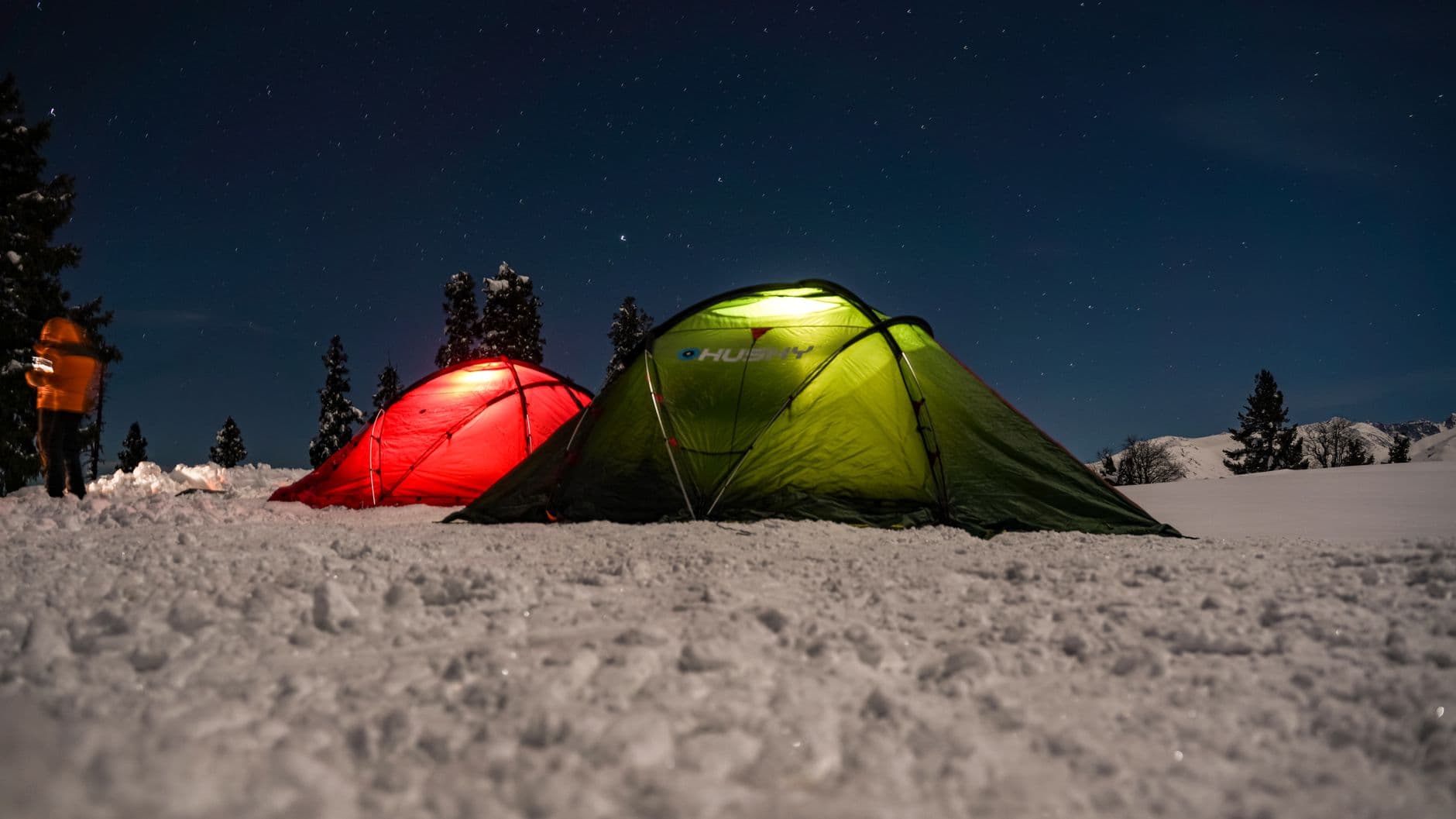
TL;DR: The key to winter camping lies in a 3-layer clothing system, a high R-value sleeping pad, and a sleeping bag with the right comfort rating. Properly packing down the snow at your campsite and leaving tent vents open prevents condensation. Proper layering and ground insulation can reduce body heat loss by up to 60%.
What You Will Learn from This Article
- The life-saving 3-layer clothing system for winter camping and how to choose the right gear.
- Methods for anchoring tents and providing wind protection on snowy and icy ground.
- Techniques for staying warm and preventing water sources from freezing in sub-zero temperatures.
- Vital safety precautions against the risks of hypothermia and frostbite in winter conditions.
How to Winter Camp: A Guide to Embracing the Snowy Wilderness
In winter, the enchanting silence of nature, the gentle patter of snowflakes against the tent rainfly, and the steam rising from a hot cup of coffee offer an unforgettable outdoor experience. However, setting off without knowing how to winter camp can turn a search for adventure into a dangerous emergency. Staying safe and comfortable in Turkey's harsh winter conditions—from the freezing winds of Mount Uludağ to the snowy forests of Bolu Yedigöller—depends entirely on your preparation.
This guide brings together the technical details, gear requirements, and life-saving field tips that every camper planning a winter overnight trip needs to know.
Why Winter Camping? The Importance of Proper Techniques in Harsh Conditions
Winter camping requires much higher discipline and technical knowledge compared to summer trips. A small mistake when temperatures drop below freezing can leave you shivering all night—or worse, facing hypothermia. In Turkey, 45% of emergency search-and-rescue calls during winter camping trips stem from inadequate sleeping bags or improper sleeping pads. Once you master the right techniques, however, freezing temperatures become nothing more than part of the scenery.
Essential Gear and Checklist for Winter Camping
You might manage with missing gear in the summer, but incomplete equipment in winter poses a serious risk. Gear quality and technical specifications are directly matters of survival during winter camping.
- 4 or 5-Season Tent: Should feature flexible aluminum poles designed to withstand snow loads and harsh winds.
- High R-Value Sleeping Pad: Choose inflatable or closed-cell foam pads with an R-value of at least 4.0 or higher for ground insulation. A sleeping pad with an R-value of 4.5 blocks cold transfer from the ground 80% more effectively than a standard summer pad.
- Comfort-Rated Sleeping Bag: When selecting a sleeping bag, look at the "Comfort" rating—not the "Extreme" rating—ensuring it is 5–10 degrees lower than the expected night temperature of your destination.
- Liquid Fuel or 4-Season Canister Stove: Butane-propane gas blends lose pressure in sub-zero temperatures. Therefore, liquid fuel stoves or 4-season stove systems with heat exchangers are essential for winter.
- Snow Shovel and Snow Stakes: Essential for leveling the tent area and creating secure anchors in the snow.
Step-by-Step Winter Camp Setup and Site Management
Step 1: Site Selection and Ground Preparation
When selecting your campsite, avoid placing your tent under snow-laden tree branches that could break. Look for natural windbreaks to block prevailing winds. Before pitching your tent on snow, thoroughly pack down the surface using a snow shovel or your boots, and wait at least 20–30 minutes for the snow to harden (sinter). Unpacked snow will melt under your body heat during the night, causing the tent floor to sag.
Step 2: Tent Pitching and Anchoring
Staking and guying out your tent tightly is vital. Standard thin tent stakes will not hold in snow. Use specialized snow stakes or create "deadman" anchors by filling stuff sacks with snow and burying them. If possible, build a snow wall on the windward side as a windbreak. However, never completely seal the tent's ventilation flaps; otherwise, moisture from your breath will freeze overnight and fall like indoor snow.
Step 3: Mastering the Layering System
In winter camping, a 3-layer clothing system is used instead of relying on a single heavy coat:
- Base Layer (Moisture Management): Thermal underwear (Merino wool or synthetics). Never wear cotton; cotton absorbs sweat and stays wet, chilling you to the bone.
- Mid Layer (Insulation): Fleece or lightweight down jackets. These trap body heat.
- Outer Layer (Weather Protection): Waterproof and windproof shell jackets and pants with membranes like Gore-Tex.
Step 4: Camp Kitchen and Hydration Management
Although you may feel less thirsty in cold weather, staying well-hydrated is essential for maintaining body heat. If you melt snow for water, add a small amount of liquid water to the bottom of the pot first; otherwise, dry snow can scorch the bottom of the pot. At night, store your water bottle upside down inside your tent; since water freezes from the top down, this prevents the cap from freezing shut.
Common Winter Camping Mistakes and Solutions
- Mistake 1: Entering the Sleeping Bag Overdressed and Sweaty.
Solution: Remove excess layers before climbing into your bag. Entering with damp, sweaty clothes degrades the bag's insulation. Stick to dry thermal base layers inside the bag. - Mistake 2: Sealing Off All Ventilation.
Solution: Closing vents to keep the cold out is a major mistake. Interior condensation will soak your gear. Always keep ventilation ports slightly open. - Mistake 3: Inadequate Nutrition and Hydration.
Solution: The body burns up to twice as many calories to stay warm in the cold. Consuming high-calorie snacks containing complex carbohydrates and healthy fats before bed keeps your internal furnace burning all night.
Life-Saving Winter Tips from Experienced Campers
While beginners often focus solely on heavy clothing, seasoned winter campers find comfort in the small details:
- The Hot Water Bottle Hack: Fill a metal or heat-resistant plastic bottle with boiling water, slide it into a sock, and place it at the foot of your sleeping bag before bed. This provides steady warmth for 6–8 hours.
- Protecting Electronics: Lithium batteries in phones, headlamps, and camera gear drain rapidly in freezing temperatures. Keep these items inside your sleeping bag close to your body overnight.
- Keeping Boots from Freezing: If you leave your boots in the tent vestibule, remove the insoles and bring them inside the tent. To prevent boots from freezing solid, put them in a waterproof bag and place them near the foot of your sleeping bag.
Safety Precautions and Essential Risk Management
Risks in the wilderness increase exponentially during winter. Hypothermia (body core temperature dropping below 35°C / 95°F) and frostbite are the two most critical dangers. If shivering stops, speech becomes slurred, or coordination falters, these are signs of moderate hypothermia requiring immediate emergency intervention.
Before setting out, always leave your planned route and expected return time with a trusted relative or local search and rescue team (such as JAK in Turkey). Never pitch camp beneath steep slopes exposed to avalanche hazards.
The 3 Golden Rules of Winter Camping
- Heat Is Trapped, Not Generated: Your sleeping bag doesn't create heat; it traps the heat your body generates. Warm up your body with light exercises (like jumping jacks or push-ups) before crawling into your bag, taking care not to sweat.
- Moisture Is Your Greatest Enemy: Water conducts heat away from the body 25 times faster than air. Constantly check and ensure your clothing stays dry.
- Never Battle Nature: If weather conditions turn dangerous, turning back or calling off the trip is not a failure—it's experience and smart judgment.
Frequently Asked Questions
What is the most important advice for beginners asking how to go winter camping?
If you are winter camping for the first time, go with someone experienced and choose an established campsite close to your vehicle or shelter where cell service is readily available.
Can you use a 3-season or summer tent for winter camping?
It is not recommended. Summer tents feature extensive mesh panels that let in wind and blowing snow, and their lightweight poles can snap under strong winds or snow loads. While it might be attempted in extreme emergencies using heavy windbreaks and rainfly protection, it remains risky.
Can you use a stove or heater inside the tent during winter camping?
Stoves should never be operated inside the main body of a tent. Carbon monoxide poisoning is silent and fatal, and tent fabrics are highly flammable. All cooking should be done in the vestibule or outdoors.
What should you wear inside a sleeping bag?
Wear a single layer of clean, dry thermal base layers and Merino wool socks inside the sleeping bag. Wearing bulky outerwear restricts air entrapment within the insulation, reducing the bag's thermal efficiency.
How do you manage bathroom needs during winter camping?
Holding in the urge to urinate causes your body to waste energy keeping liquid warm, making you feel colder. Dig a designated hole in a sheltered spot near camp, handle your business promptly, and follow proper hygiene practices.
Take Your First Step into the Quiet Beauty of Winter Nature
The answer to how to winter camp ultimately lies in disciplined preparation and respecting nature's rules. With the right gear combination, a proper layering system, and adequate ground insulation, waking up on a blanket of snow is one of the most peaceful experiences on Earth. Pack your backpack with knowledge, plan your route, and take your first steps to explore the enchanting atmosphere of winter.