Summary: Aegean campsites offer a rich outdoor experience combining the crystal-clear waters of the Aegean Sea, century-old olive groves, and untouched coves. Stretching from the North Aegean coasts of
Balıkesir to the southern bays of Muğla, these routes feature both organized campsites and free spots to connect with nature. Wind conditions, available shade, and proximity to water sources are key elements for a successful tent camping trip in the Aegean.
What You Will Learn in This Article
- Top coastal, olive grove, and hidden cove routes among Aegean campsites
- Key differences between organized campgrounds and wild free-camping spots
- Seasonal gear selection tailored to the Aegean’s microclimate characteristics
- Pros and cons of Northern, Central, and Southern Aegean camping regions
- Life-saving practical tips for weather conditions like wind, humidity, and shade
Aegean Campsites: Where Nature Meets the Sea
The Aegean coast holds unique options for outdoor enthusiasts who wish to wake up to the sound of crashing waves and greet the morning sunlight filtering through olive leaves. The Aegean Region is home to 28% of Turkey's total coastline, offering thousands of natural tent spots for campers of all experience levels. When choosing among Aegean campsites, deciding between the refreshing sea air or the natural microclimatic shade of olive trees will define the overall comfort of your stay.
Ranging from North Aegean coves cooled by Poyraz winds to the calm turquoise waters of the South Aegean, this guide offers practical insights and planning strategies based on real field experience. Picking the right spot isn't just dropping a pin on a map—it's about correctly reading seasonal winds, water sources, and ground conditions.
What Are Aegean Campsites and Why Are They So Popular?
Aegean campsites appeal to beginner tent campers and seasoned outdoor lovers alike, thanks to the climatic and topographical diversity of the region. The area's characteristic maquis vegetation, limestone cliffs, century-old olive groves, and intricate coastline create a far more dynamic atmosphere than traditional forest camping.
What sets the Aegean apart from other camping regions in Turkey is the continuous air circulation, even at sea-level campsites, courtesy of mountain ranges rising right behind the coast. This tempers the sweltering heat, especially in summer. Furthermore, the balanced humidity levels compared to the Mediterranean directly enhance the quality of sleep inside your tent.
Unique Advantages of Camping in the Aegean Region
The greatest advantage of camping in the Aegean is experiencing multiple ecosystems in a single trip. You can wake up to crashing waves atop a 20-meter cliff in the morning, and lounge in a hammock under the shade of olive trees by the afternoon.
- Accessibility and Logistics: The road network running along the Aegean coastline makes reaching even the most secluded coves easy with reasonable walking distances. Stocking up on supplies is effortless thanks to abundant local markets.
- Microclimate Variety: Humidity in Aegean olive groves is up to 20% lower than open fields. Moving just 500 meters inland from the shore allows you to find a completely different, refreshing camping climate.
- Extended Camping Season: Favorable weather starting in April allows tent camping well into mid-November.
The Best Coastal Campsites Along the Aegean Sea
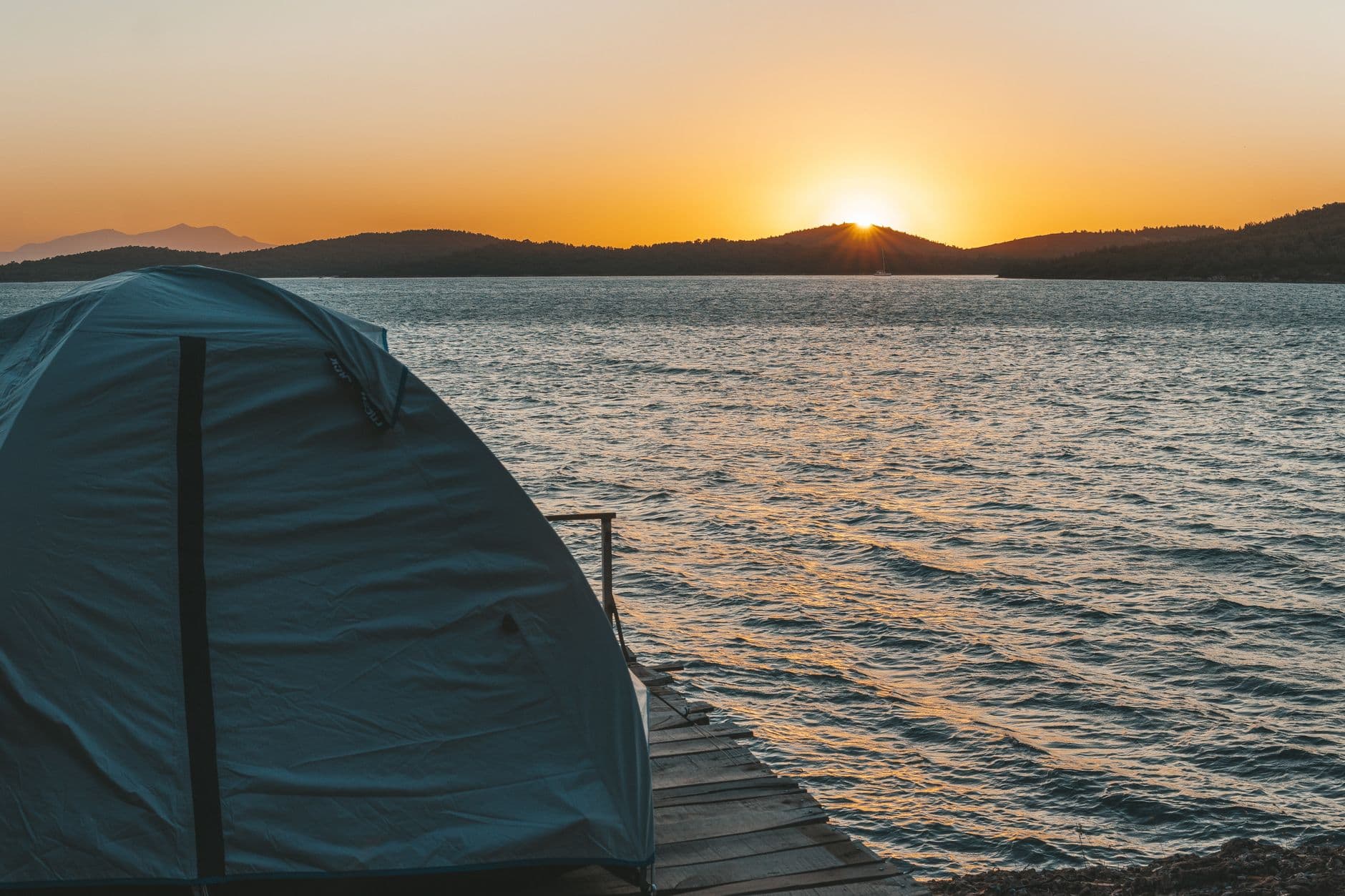
Setting up a tent right by the water is an Aegean camping classic. However, the most critical factor to consider on the beach—even without notable tides—is the evening sea breeze (imbat) and high onshore waves. Key destinations in this category include the Dikili and Foça axes in İzmir, the Dilek Peninsula in Aydın, and the Datça coastline in Muğla.
Field Experience & Example Scenario: During a trip along the shores of Dikili Bademli, we witnessed tents pitched just 3 meters from the water get soaked by strong nighttime winds and sea spray. Setting up at least 15–20 meters back from the shoreline on a slight elevation cuts wind resistance and keeps salt spray off your tent fabric.
Related tip: Wide-flanged sand stakes are essential for securing tent pegs in loose sand. Coastal routines require ground-prep strategies distinct from those used on Central Anatolian or Black Sea routes.
Nature Camping Routes in the Shade of Olive Trees
Symbolic of Aegean culture, olive trees act as natural umbrellas for nature campers. Olive groves—especially across Ayvalık, Cunda, the Gulf of Edremit, and inland Bodrum—offer refreshing cool spots even on peak summer days. The unique leaf structure of olive trees diffuses harsh sunlight while letting gentle breezes pass through.
Respecting the soil structure is essential when camping in olive groves. Since many of these fields are private property or farmland, seeking permission from locals is paramount. Be careful when driving tent stakes into the ground so as not to damage shallow root systems, and never build open fires against tree trunks.
Related guide: Check out our environmental conservation guides on this platform to learn Leave No Trace principles tailored for olive groves.
Untouched and Free Tent Camping Spots in Hidden Coves
One of the iconic images that comes to mind when talking about Aegean campsites is pristine coves accessible only via hiking trails or boats. Maden Cove near Akyaka (Muğla), quiet pockets beyond Palamutbükü in Datça, and rocky coves near Sığacık (İzmir) deliver this true wild experience.
Keep in mind that these sites lack commercial amenities. Operating fully self-sufficiently is mandatory in coves without drinking water, restrooms, or trash bins.
- Water Management: Stock at least 4 liters of fresh water per person per day for drinking and utility needs.
- Waste Management: Carry leak-proof trash bags and gear designed to pack out all waste, including organic food scraps.
- Sun Protection: Shaded trees can be scarce in secluded coves, making a UV-protective tarp a lifesaver.
Related content: Check our outdoor care articles for hygiene and water purification techniques in off-grid areas.
Organized Campsites vs. Wild Camping in the Aegean
Two primary concepts stand out when camping in the Aegean: private managed campgrounds offering various amenities, and wild/free camping spots where you can connect deeply with nature. Your choice depends on your holiday expectations and available gear.
Organized campsites provide electricity, hot showers, refrigeration, security, and dining options, making them very convenient for families and beginners. Excellent campgrounds can be found in Çeşme, Ölüdeniz, Gökova, and the foothills of the Kaz Mountains (Kazdağları). Free camping, beyond being budget-friendly, promises complete serenity and freedom away from crowds.
Seasonal Conditions and Gear Selection for Aegean Campsites
Although the Aegean climate is considered mild, seasonal transitions require proper preparation for campers. Day-to-night temperature drops in Aegean campsites average around 12–15°C in summer. This means that while shorts are fine during the day, you will feel chilly at night without a sleeping pad and a light sleeping bag.
Gear Recommendations:
- Tent Choice: Opt for double-walled tents with wide ventilation windows and a hydrostatic head rating of at least 3000 mm. Single-wall tents trap heat in summer and fail to protect against nighttime condensation.
- Sleeping Bag: Lightweight synthetic sleeping bags rated between +10°C and +15°C comfort levels are ideal for Aegean spring and summer nights.
- Lighting & Power: Solar-powered chargers take full advantage of sunny Aegean days to keep your gear charged.
Aegean Region Campsites Comparison Table
| Region / Location | Camping Style | Ground Type | Available Shade | Best Season | Key Feature |
|---|
| North Aegean (Ayvalık/Dikili) | Olive Grove & Coast | Sand / Gravel | High (Olive Grove) | May – October | Cool Poyraz wind, high oxygen |
| Central Aegean (Foça/Seferihisar) | Organized / Coastal | Grass / Rocky | Medium | June – September | Historic feel, easy access |
| South Aegean (Datça/Akyaka) | Wild Cove / Facility | Rock / Fine Sand | Low – Medium | April – November | Turquoise sea, pristine nature |
| Kazdağları Foothills | Forest / Riverbank | Soil | Very High | All Year | Ice-cold streams, rich flora |
Frequently Asked Questions
Are campfires allowed at Aegean campsites?
Open campfires are strictly prohibited in forest and olive grove areas across the Aegean Region, particularly between June and October due to high wildfire risks. In many spots, fires are only allowed using elevated camping stoves or designated fire barrels at organized facilities.
Can I find fresh water while free camping in Aegean coves?
Most untouched Aegean coves lack fresh water sources or taps. When planning a free camping trip, you must bring sufficient drinking and utility water, calculating at least 4 liters per person per day if arriving on foot.
What is the best month for tent camping in the Aegean?
Considering the balance of temperature and crowds, September and October are the most enjoyable months to camp in the Aegean. Sea temperatures remain warm, summer crowds disperse, and winds subside.
What should I keep in mind when pitching a tent in olive groves?
Since most olive groves are private land, obtaining permission from the property owner is essential. Additionally, avoid damaging tree branches, do not drive heavy stakes near tree roots, and ensure you leave no trash behind.
How can I protect my tent from wind during Aegean beach camping?
Orient your tent door away from the wind direction (typically the northerly Poyraz). Stake down all guy lines tightly, and use wide sand stakes specifically suited for sandy or gravel terrain.
Final Words: Enjoying Nature Camping in the Aegean
Aegean campsites offer a unique escape where nature's generosity meets maritime culture. Whether reading a book under the rustling leaves of an olive tree or diving into cool waters in the morning calm, every camping day spent in the Aegean will refresh your mind. By respecting nature, keeping fires controlled in permitted areas, and ensuring that our footprints are the only trace we leave behind, we can preserve these natural wonders. Pack your backpack, set your itinerary, and start exploring the mesmerizing nature of the Aegean today!