Summary: The key secret to lighting a campfire is layering tinder, kindling, and fuel wood at the right moisture level (below 20%) with proper airflow. In windy and wet conditions, selecting a fire structure suited to the weather (such as a teepee or log cabin) prevents fire hazards. Adhering to General Directorate of Forestry regulations in natural areas and completely extinguishing the fire without leaving a trace are fundamental to outdoor ethics.
What You Will Learn in This Article
- Step-by-step instructions to light a safe fire with a single match using the fire triangle principle.
- Fire lay techniques tailored to different needs and weather conditions, including Teepee, Log Cabin, and Starfire.
- Methods for finding dry kindling in rainy or humid regions like the Black Sea and Kaz Mountains.
- Fire site preparation and extinguishing procedures that eliminate the risk of wildfires.
- 5 critical fire-starting mistakes commonly made and expert solutions for each.
How to Light a Campfire: Fundamentals of Building a Fire in the Wild
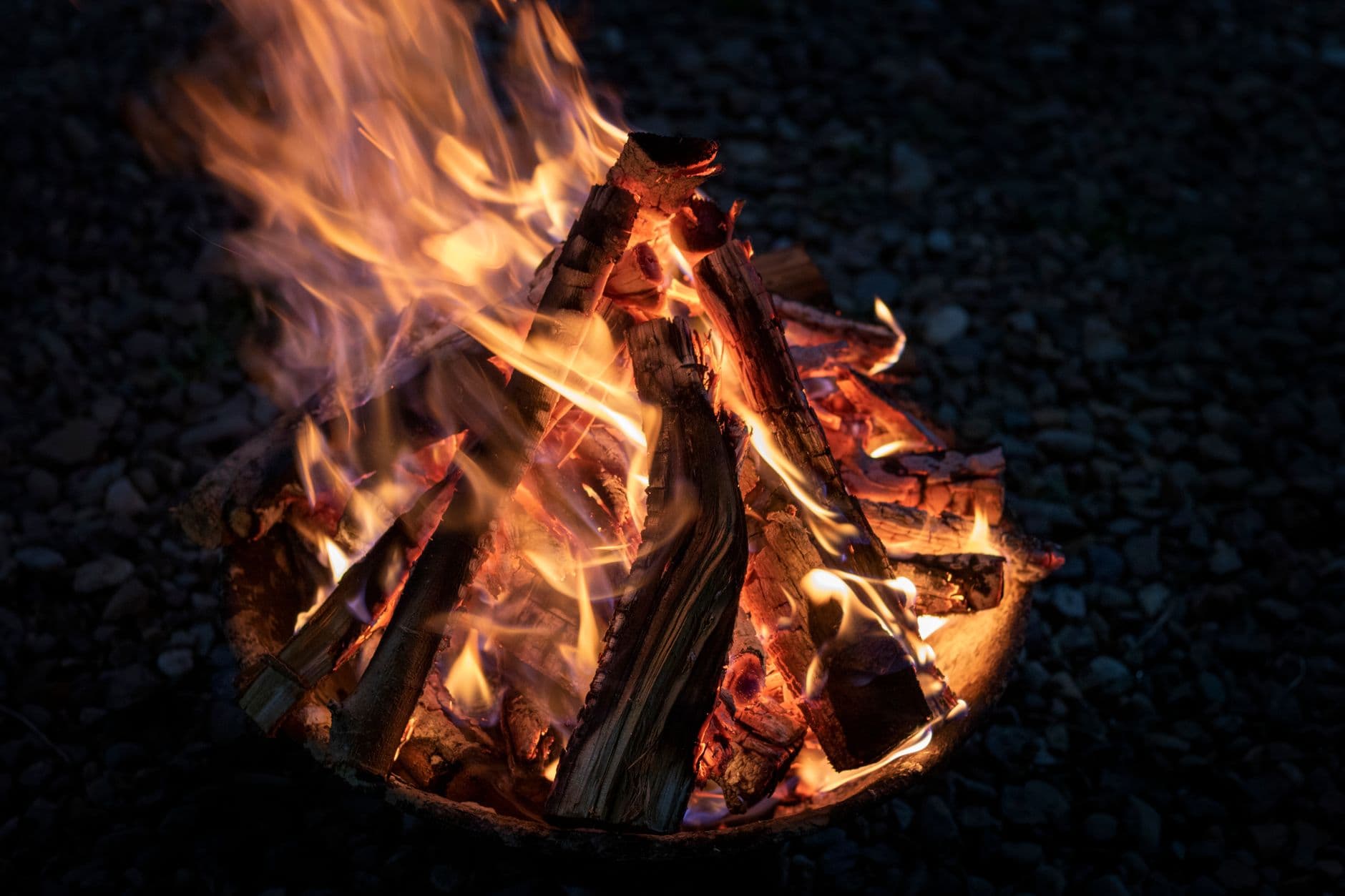
After a day spent outdoors, the crackling sound and woodsy scent rising as the sun sets is the most enchanting moment of any camping trip. However, no matter how complete your camping gear is, trying to light a fire without the proper technique will only result in heavy smoke and wasted time. So, how do you light a campfire in the wild, and how can you get maximum heat efficiency without harming the environment? In this guide, we break down safe, effective, and leave-no-trace fire-building techniques step by step, accessible to everyone from first-time campers to seasoned outdoor enthusiasts.
Why Should You Learn Proper Fire-Building Techniques?
Lighting a fire isn't merely a way to stay warm or cook meals; in emergency situations, it's a life-saving survival skill. Drying wet clothes, sterilizing water, keeping wild animals away from camp, and preventing hypothermia during high-altitude camping all depend directly on fire management. In Turkey, uncontrolled forest campfires account for 35% of annual outdoor-related wildfire risks, according to data from the General Directorate of Forestry. That is why mastering proper fire-starting techniques not only increases your comfort but also protects our nature, including fragile ecosystems like the Kaz Mountains, Bolu Aladağlar, or the Lycian Way.
Fire Architecture: Required Materials and Preparation
The secret to building a successful fire is gathering all your materials in the right proportions before striking a match. Scrambling for firewood once the fire catches is the most common mistake that causes a fire to die out. To enable combustion, you must adhere to the principle of the "Fire Triangle," which requires a combination of oxygen, heat, and fuel.
When the moisture content in wood rises above 20%, more than 50% of the heat energy generated by the fire is spent simply evaporating the water inside the wood. For this reason, ensuring that the materials you collect are completely dry is of critical importance.
1. Tinder - The First Spark Layer
These are cottony or finely dried materials capable of instantly catching a tiny spark from a match or ferrocerium (magnesium) rod. The best tinder you can find in nature includes dry tree bark (especially birch), dry pine needles, dried fungus, and resinous dry grass. The most practical tinder you can bring from home is petroleum jelly-soaked cotton balls.
2. Kindling - The Second Layer
Kindling consists of thin, dry twigs ranging in thickness from a toothpick to a finger, designed to catch and amplify the flame created by the tinder. Small dry branches hanging from the lower limbs of pine trees—which haven't drawn moisture from the ground—make excellent kindling.
3. Fuel Wood - The Heat and Ember Layer
Fuel wood ranges from wrist-sized branches to thick logs, serving as the main material that keeps the fire burning over extended periods and producing sustained heat. Hardwoods like oak and hornbeam burn slowly and leave long-lasting, quality embers. Softwoods like pine and fir burn quickly, creating high flames, but consume themselves rapidly.
Step-by-Step Campfire Building Techniques
The structure in which you arrange your gathered materials directly determines how well your fire burns. Here are the most popular and effective fire lay models:
1. Teepee Method: Beginner-Friendly and Quick Heat
This is the classic and most ideal method for beginners.
How to Do It: Place a small bundle of tinder in the center. Lean thin kindling twigs against each other around the tinder to form a teepee structure. Place thicker fuel wood around the outer layer at the same angle. Leave a small opening at the base for air circulation.
Why It Works: Since flames naturally rise, heat travels directly to the wood above, catching fire very quickly. It is ideal for warming up fast in calm weather.
2. Log Cabin Method: Sustained Heat and Cooking
This is the best technique for cooking and establishing a steady bed of coals to last through the night.
How to Do It: Place two thick fuel logs parallel to each other on the ground. Lay two more logs perpendicularly on top to build a small log structure/tower. Build a small teepee fire lay right in the center of this cabin.
Why It Works: As the structure collapses, the wood falls inward, creating a self-feeding, excellent bed of coals. The perpendicular arrangement creates a chimney effect, maximizing airflow.
3. Starfire Method: Maximum Efficiency with Minimal Wood
Ideal for situations where wood resources are limited or when you want complete control over the fire's size.
How to Do It: Start a small fire in the center. Arrange thick logs like spokes of a wheel, with their tips meeting at the central fire. As the ends burn down, push the logs slowly inward toward the center.
Why It Works: You don't need an axe to cut down logs, and fuel is conserved because only the burning ends are consumed.
Building a Fire in Harsh Weather (Rain and Wind)
Finding dry material can be challenging when camping in damp or rainy weather. Lighting a fire in the highlands of the Black Sea or during autumn trips requires extra skill:
- Using Fatwood: Resin-rich fatwood found in the roots or branch joints of dead pine trees does not absorb water even if it gets wet. Shavings scraped off with a knife will ignite with a single spark.
- Whittling Wet Wood: Even if the outer bark of thick branches is soaked, the wood inside is usually dry. Use a knife to strip away the outer bark and use the dry inner shavings as kindling.
- Digging a Trench: To protect the fire from strong winds, dig a small trench 15–20 cm deep perpendicular to the wind direction, and build your fire inside the pit.
Common Campfire Mistakes and Solutions
Minor mistakes made outdoors can extinguish a fire or create a serious fire hazard:
- Mistake 1: Trying to ignite thick logs directly.
Solution: Build the fire in stages. Do not move from tinder to kindling until the tinder catches, and don't add heavy fuel wood until the kindling forms hot embers.
- Mistake 2: Depriving the fire of oxygen (packing wood too tightly).
Solution: Leave gaps between pieces of wood to allow airflow. If the fire is smothering, blow gently on it to supply extra oxygen.
- Mistake 3: Using green or unseasoned wood.
Solution: Never cut branches from living trees; it harms nature, and green wood won't burn—it only produces thick white smoke. Collect only fallen, dry wood.
Fire Safety and Leave No Trace Principles
Managing a fire safely and extinguishing it properly is as essential to camping ethics as lighting it. In national parks or designated areas, always use designated fire rings.
Fire Extinguishing Procedure:
- Stop adding wood 30 minutes before you plan to let the fire go completely out.
- Pour water over the embers slowly. (Dousing hot rocks with a sudden deluge of water can cause them to crack or explode).
- Stir the ashes and embers with a stick to ensure water reaches the bottom layer.
- Hold the back of your hand right above the ashes (without touching). Repeat pouring water and stirring until you feel no heat whatsoever. "If it's too hot to touch, it's too hot to leave!"
3 Critical Rules You Must Know
- Site Clearance: Clear away all dry leaves, brush, and flammable materials within a 3-meter radius around your fire site down to bare dirt.
- Do Not Build Fires Under Low-Hanging Branches: Rising heat can dry out living tree branches above and cause airborne embers to spark a crown or canopy fire.
- Monitor Wind Speed: Avoid lighting an open campfire when wind speeds exceed 20 km/h; flying embers can ignite dry ground dozens of meters away.
Frequently Asked Questions
What is the best natural tinder/kindling for lighting a campfire?
The best natural tinder found in nature is resin-rich fatwood and dry birch bark. Dried pine cones and fine pine twigs also make excellent kindling.
Is it dangerous to use rocks around a campfire?
Using wet rocks gathered from riverbeds or water sources around a fire is dangerous. Trapped moisture expands rapidly into steam under high heat, which can cause rocks to burst or explode. Always opt for dry, upland rocks.
How do you light a campfire with wet wood?
Wet wood won't burn right away. First, build a hot bed of coals in the center using effective tinder and dry kindling. Arrange wet logs around the edge of the fire to dry them out, feeding them into the flames once they are dry.
Is building campfires in forests banned in Turkey?
By regulation of the General Directorate of Forestry (OGM), lighting open fires in forested areas outside designated picnic and official campsites is strictly prohibited during summer and high-fire-risk periods. Even outside restricted periods, elevated fire pans or existing fire pits should always be used.
How do you light a campfire using a magnesium rod?
When using a ferrocerium/magnesium rod, first scrape a small mound of magnesium shavings onto your tinder using the spine of your knife. Then hold the rod close to the tinder and scrape the knife spine firmly against it to shower high-temperature sparks onto the pile.
A Warm Camping Experience in Harmony with Nature
A campfire built with proper techniques transforms your nights in the wild into unforgettable memories while ensuring your comfort and safety. By using nature's resources responsibly, maintaining the balance of the fire triangle, and adhering to Leave No Trace principles, you can gather warm memories on your next adventure. When you pitch your tent on your next trip, follow the steps in this guide and safely embrace the rhythm of nature!