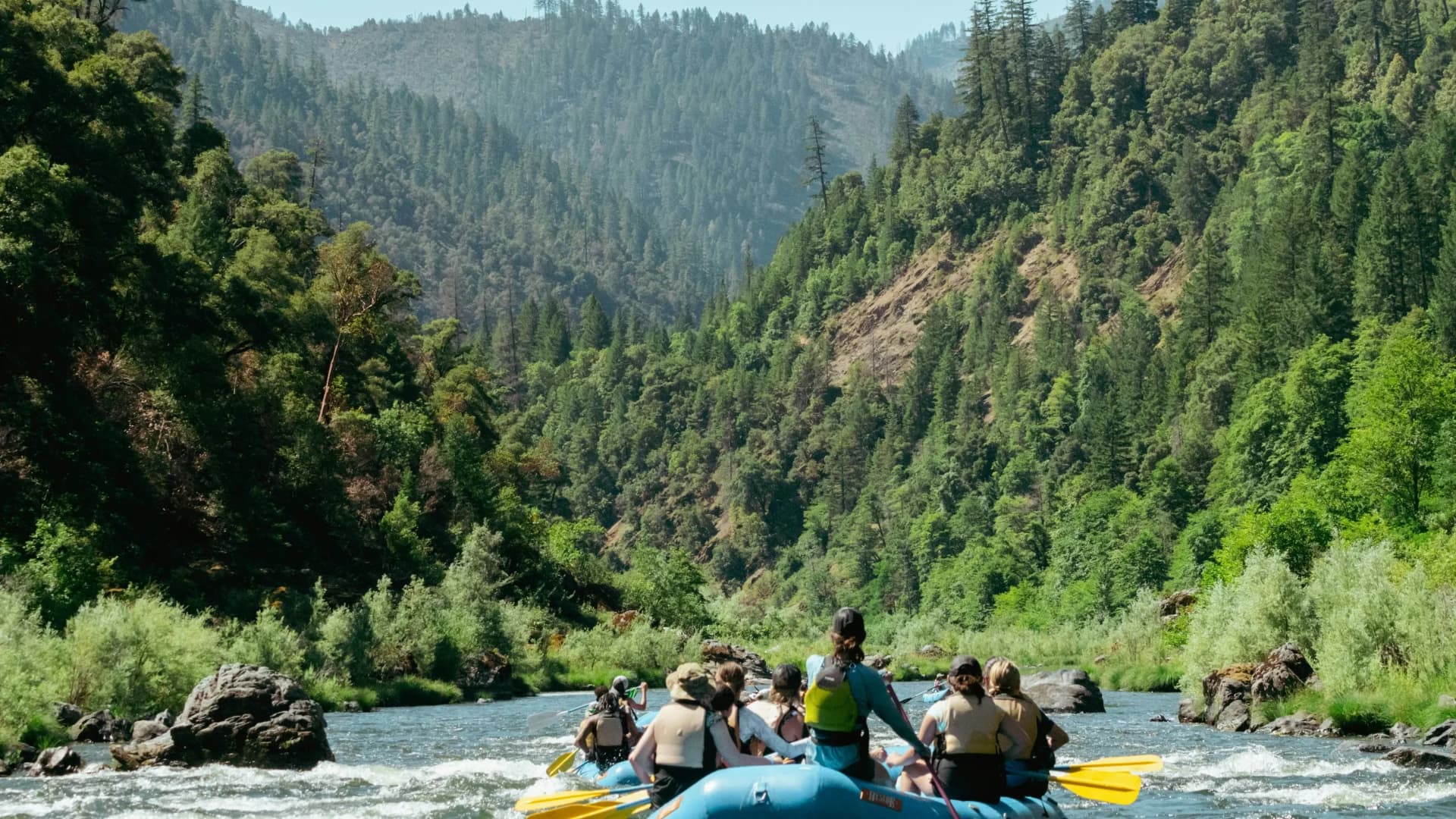
Dilek Peninsula National Park is one of the most unique natural areas in the Aegean Region. Located just 25 km from Kuşadası, this national park offers campers an unparalleled experience with its turquoise bays, lush green forests, and rich flora and fauna. Bordering the Büyük Menderes Delta, the peninsula provides the opportunity to experience both beach and forest camping together.
Camping on the Dilek Peninsula means spending time in one of Turkey's best-preserved natural areas. Four magnificent, untouched beaches await you, along with a rich fauna ranging from wild horses and wild boars to jackals and birds of prey.
In this guide, you will find all the details about free camping in Dilek Peninsula National Park.
Where is the Dilek Peninsula?
Dilek Peninsula-Büyük Menderes Delta National Park is located within the borders of the Kuşadası district in the Aydın province. The national park is established on a peninsula stretching along the Aegean Sea coast and covers a total area of 27,598 hectares. Approximately 11,000 hectares of this area is land, while 16,000 hectares is sea surface.
Declared a national park in 1966, it is one of the oldest national parks in Turkey. It encompasses both the Dilek Peninsula and the delta region where the Büyük Menderes River flows into the sea.
Location and GPS Coordinates
Dilek Peninsula National Park main entrance gate coordinates: 37.6667° N, 27.1500° E
Key points within the national park:
Aydınlık Bay (1st Beach): The closest to the entrance and the most popular beach İçmeler Bay (2nd Beach): The most ideal beach for camping Kavaklıburun Bay (3rd Beach): More secluded and natural Karasu Bay (4th Beach): The farthest and wildest beach
You can enter "Dilek Peninsula National Park" or the coordinates above into your GPS device. There are directional signs and information boards at the park entrance.
Getting There by Private Car
Getting to Dilek Peninsula National Park by private car is quite easy, and access from different cities is good:
From Izmir: It is about 120 km and takes 1.5-2 hours. Follow the Izmir - Selçuk - Kuşadası - Davutlar - Dilek Peninsula route. Alternatively, the Izmir - Torbalı - Selçuk - Kuşadası route can also be used.
From Ankara: It is about 550 km and takes 7-8 hours. The Ankara - Denizli - Aydın - Kuşadası - Dilek Peninsula route is recommended.
From Istanbul: It is about 630 km and takes 8-9 hours. The Istanbul - Bursa - Izmir - Kuşadası - Dilek Peninsula or Istanbul - Çanakkale (ferry) - Izmir - Kuşadası routes can be used.
From Bodrum/Kuşadası: It is about 25 km from Kuşadası and takes 30 minutes. Head towards Güzelçamlı/Davutlar from the center of Kuşadası and follow the signs for the Dilek Peninsula.
Detailed route (from Izmir):
- Leave Izmir and head towards Selçuk (E87 highway)
- Continue from Selçuk towards Kuşadası
- Before entering Kuşadası, turn towards Güzelçamlı/Davutlar
- Pass through the town of Güzelçamlı to reach the Dilek Peninsula National Park entrance
- Pay the fee at the park entrance gate to enter
Park entrance fee: 50 TL per vehicle, 20 TL per person (2026 prices). There is no additional fee for camping, but you must pay the entrance fee.
Road conditions: The road up to the park entrance is completely asphalt and in excellent condition. The roads inside the park are also paved but narrow and winding. You can easily reach all the beaches with standard passenger cars.
Parking: There are parking areas at every beach. If you are camping, you can park close to your tent. The parking areas are cleaned regularly.
Vehicle entry hours: The national park is open between 08:00-19:00 in the summer and 08:00-17:00 in the winter. If you are camping, you can stay inside, but entries and exits are limited to these hours.
Getting There by Public Transport
It is possible to reach Dilek Peninsula National Park by public transport, but it requires a bit of planning.
To Kuşadası by bus: Direct bus services to Kuşadası from major cities (Izmir, Ankara, Istanbul) are very common. Companies like Pamukkale, Kamil Koç, and Metro Turizm operate on this route. The Kuşadası bus terminal is close to the center.
From Kuşadası to the Dilek Peninsula:
- Güzelçamlı/Davutlar minibuses (dolmuş) depart from the center of Kuşadası
- Minibuses run frequently between Kuşadası and Güzelçamlı (every 20-30 minutes)
- Get off at the town of Güzelçamlı
- From Güzelçamlı, you can walk to the Dilek Peninsula entrance (about 3 km, 40 minutes) or take a taxi (around 50-80 TL)
During the summer season: There may be minibus services from Güzelçamlı to the park entrance at certain times; it is recommended to get local information.
Alternative: You can go directly to the park entrance from the center of Kuşadası by taxi or private transfer (around 200-300 TL).
Minibus hours: Kuşadası - Güzelçamlı minibuses run regularly from 07:00 in the morning until 21:00 in the evening. For exact times, you can get information from the Kuşadası Municipality Transportation Desk (+90 256 614 1103).
Return: The last minibus from Güzelçamlı to Kuşadası is usually around 22:00.
Camping Area Features and Facilities
Dilek Peninsula National Park is one of the national parks in Turkey where camping is allowed. Although there are no organized facilities, free camping is permitted in designated areas.
Free Camping Spots
There are four main beaches within the national park, and theoretically, you can camp at all of them. However, each beach has different characteristics:
1. Aydınlık Bay (1st Beach): The closest beach to the entrance gate (about 3 km). Features:
- The most popular and crowded beach
- Pebble beach, shallow and calm sea
- Pine forest shade available
- Toilet and sink facilities available
- Very crowded on weekends and during summer months
- Many day-trippers, quiet at night
- Moderately preferred area for camping
2. İçmeler Bay (2nd Beach) - THE MOST IDEAL FOR CAMPING: About 7 km from the entrance gate. Features:
- A favorite among campers, the most popular camping area
- Plenty of shade from pine and maquis vegetation
- Mixed sandy-pebbly beach
- Clear and turquoise sea
- Toilet and shower facilities available
- You can set up camp between the forest and the sea
- Fewer day-trippers
- Very peaceful and quiet at night
3. Kavaklıburun Bay (3rd Beach): About 10 km from the entrance gate. Features:
- More secluded and quiet
- Pebble beach, deep sea
- Limited tree shade
- Toilet facilities available but no shower
- Ideal for those who want to escape the crowds
- Higher chance of spotting wildlife
4. Karasu Bay (4th Beach): The farthest beach, about 12-13 km from the entrance gate. Features:
- The wildest and most untouched beach
- Pebble beach, quite deep sea
- Very limited shade, an awning is necessary
- No toilets or infrastructure (temporary toilets may only be placed during the season)
- Very few visitors, almost completely empty
- For experienced and self-sufficient campers
- Chance to see herds of wild horses
Forest camping: Besides the beach shore, you can also camp inside the pine forests. However, due to the risk of fire, permission is required; you must contact the park management.
Camping capacity: İçmeler Bay can accommodate about 40-60 tents, Aydınlık Bay 50-80 tents, and the other bays have a smaller capacity.
Water and Toilet Facilities
Dilek Peninsula National Park is an unorganized camping area but has basic infrastructure.
Drinking water:
- There are fountains in Aydınlık and İçmeler bays
- The water is of drinkable quality, but those with sensitive stomachs should still bring bottled water
- There is no water in Kavaklıburun and Karasu bays; you must bring your own
- It is recommended to fill up on water in the town of Güzelçamlı at the park entrance
Toilets:
- Aydınlık Bay: Fixed WC cabins available, cleaned regularly
- İçmeler Bay: Fixed WC cabins and seasonal showers available
- Kavaklıburun: Seasonal toilet cabins (during summer months)
- Karasu: Usually no toilets; you should bring a portable camping toilet
Bathing:
- Open-air showers are available in İçmeler Bay during the summer season (June-September)
- The water is cold but sufficient for those who have warmed up in the sun
- In other bays, you can bathe in the sea or use a solar-powered portable shower
- The use of soap/shampoo in the sea is strictly prohibited (national park protection)
Trash:
- There are trash containers at every beach
- Park staff collect trash regularly
- Still, you should collect your trash in bags and dispose of it properly
- Keeping organic waste separate is respectful to the environment
Fire Rules
There are very strict rules regarding lighting fires in Dilek Peninsula National Park:
PROHIBITED PERIODS:
- Between May 1 and October 30, lighting fires, barbecuing, and smoking (inside the forest) are completely prohibited within the national park
- Those who do not comply with this rule will be escorted out of the park and fined
PERMITTED PERIODS (November-April):
- You can only light a small fire on the beach shore, in the sandy/pebbly area
- Fires are strictly prohibited inside the forest
- You must surround the fire with a stone ring and light it in windless weather
- Do not leave the fire unattended; extinguish it completely before sleeping
CAMPING STOVE:
- You can use a portable gas stove year-round
- Use the stove in a wind-sheltered area, away from trees
- Wait for the stove to cool down after use
BARBECUE:
- Barbecuing is also prohibited during the strict summer ban period
- You can use a portable barbecue on the beach shore during the winter months
SMOKING:
- Smoking is allowed on the beach shores
- Smoking is strictly prohibited in the forest and maquis areas
- Cigarette butts must be extinguished with water and thrown in the trash
PENALTY: Causing a fire in the national park carries very heavy criminal and legal sanctions. Please follow the rules strictly.
Is There Cell Phone Reception?
Dilek Peninsula National Park mobile network coverage status:
Turkcell: There is generally a 4G-4.5G signal within the national park. You can get a strong signal in Aydınlık and İçmeler bays, and a medium-weak signal in Kavaklıburun and Karasu bays.
Vodafone: Good signal at the park entrance and Aydınlık Bay, medium in İçmeler, and weak in the distant bays.
Türk Telekom: Generally provides medium-level coverage. Coverage varies within the park.
Internet: Social media, maps, and messaging apps can be used in Aydınlık and İçmeler bays. The speed may not be sufficient for watching videos and downloading large files.
Emergency: Landlines are available at the park management building at the entrance and in the town of Güzelçamlı.
Best Camping Season and Weather
The Dilek Peninsula is influenced by a mild Mediterranean climate and offers different experiences in every season.
Seasonal Recommendations
Spring (March-May) - THE MOST IDEAL PERIOD: It is the perfect season for camping on the Dilek Peninsula:
- The weather is mild and fresh, with temperatures between 15-25°C
- Nature comes alive, flowers bloom, and maquis plants turn green
- Bird migration period, rich bird diversity can be observed
- Wild horses and wild boars are more active
- The sea water is still cold (16-20°C), but the brave can swim
- No crowds, a peaceful camping experience
- April and May are the most ideal months
Summer (June-August): The most crowded and hottest period:
- Temperatures are 28-35°C, reaching 38°C on some days
- Sea water is 24-27°C, perfect for swimming
- July-August is very crowded; the park can fill up on weekends
- Shade is very precious; under the pine trees should be preferred
- There is almost no precipitation
- Night temperatures are 22-26°C, pleasantly cool
- Mosquito activity increases; repellent is a must
- If you are going to summer camp, June or early September is more ideal
Autumn (September-November) - A VERY GOOD PERIOD: Similar to spring, it is a wonderful season:
- September is still like summer (26-32°C), the sea is warm (23-26°C)
- October cools down (20-27°C), ideal camping weather
- November is cooler and rainy (15-22°C)
- The number of tourists decreases, quiet and peaceful
- The sea is great for swimming throughout September-October
- Autumn colors add a different beauty to the region
- Bird migration begins again
Winter (December-February) - FOR EXPERIENCED CAMPERS: A challenging but different experience:
- Temperatures are 8-16°C, dropping to 5-10°C at night
- Rainy days are frequent; waterproof equipment is a must
- The sea is very cold (14-17°C), do not even think about swimming
- The park is almost empty, absolute peace
- Winter storms can occur; a sturdy tent is necessary
- Good opportunity for wildlife observation (animals are more visible)
- For experienced and cold-resistant campers
Most popular: April-May and September-October are at their peak in terms of weather and sea balance.
Temperature and Precipitation Information
Dilek Peninsula region climate data:
Average monthly temperatures:
- January: 9°C (min 5°C, max 14°C)
- February: 10°C (min 6°C, max 15°C)
- March: 13°C (min 8°C, max 18°C)
- April: 17°C (min 11°C, max 23°C)
- May: 22°C (min 15°C, max 28°C)
- June: 27°C (min 20°C, max 33°C)
- July: 30°C (min 23°C, max 36°C)
- August: 30°C (min 23°C, max 36°C)
- September: 26°C (min 19°C, max 32°C)
- October: 21°C (min 15°C, max 27°C)
- November: 15°C (min 10°C, max 20°C)
- December: 11°C (min 7°C, max 16°C)
Precipitation status:
- Total annual precipitation: 600-700 mm
- Wettest months: December (100-120 mm), January (90-110 mm), February (70-90 mm)
- Driest months: July (2-5 mm), August (1-3 mm), June (8-12 mm)
Sea water temperatures:
- May: 19-21°C
- June: 22-24°C
- July: 25-26°C
- August: 26-27°C
- September: 24-25°C
- October: 21-22°C
Wind: Generally a calm region, summer breeze 15-25 km/h. Autumn-winter storms can be 40-60 km/h.
Nearby Attractions and Activities
The Dilek Peninsula is perfect not only for its beaches but also for nature and history explorations.
Hiking Trails
1. Nature Walk Inside the National Park (5-10 km, easy-moderate): There is a marked nature hiking trail within the park. Route:
- Starts from İçmeler Bay
- Passes through pine forests and maquis vegetation
- Panoramic viewpoints
- Wildlife tracks (wild boar, jackal, fox)
- Bird watching opportunities
- Endemic plant species (Turkish rose, maquis, kermes oak)
Recommendations: Start early in the morning (animals are more active), carry water, do not make noise.
2. Cave of Zeus Hike (4 km, moderate-difficult): A climb to the legendary Cave of Zeus inside the park. Route:
- Starts from Kavaklıburun Bay
- A steep climb, about 300 meters of elevation
- The cave is small but the view is magnificent
- Panoramic view of the Aegean Sea
- Takes about 2-3 hours (round trip)
3. Karşıyaka Village Hike (12 km, difficult): A challenging route crossing to the other side of the peninsula. For experienced hikers.
4. Coastal Walk Between Beaches (10-12 km, moderate): A coastal path connecting the four beaches. You can walk from Aydınlık to Karasu (about 4-5 hours).
Water Activities
Swimming and Snorkeling: The clear waters of the Dilek Peninsula are ideal for swimming and snorkeling:
- Underwater visibility reaches 10-20 meters
- Colorful fish, sea urchins, and crabs in rocky areas
- İçmeler and Kavaklıburun are the best snorkeling spots
- Be sure to bring a mask, snorkel, and fins
Scuba Diving: There are diving spots around the Dilek Peninsula. Diving tours are organized from Kuşadası. Popular diving spots:
- Ada Burnu (20-25 meters)
- Below the Cave of Zeus (15-20 meters)
- Kavaklıburun rocks (10-30 meters)
Canoeing and Paddleboarding: You can canoe or SUP in the calm bays. You must bring your own equipment (no rentals inside the park).
Boat Tours: Daily boat tours departing from Kuşadası visit the bays of the Dilek Peninsula. If you are camping, this might not be necessary, but it is a good option to see different bays.
Fishing: You can fish with a rod from the shore. Follow the national park rules and do not overfish. Horse mackerel, sea bream, and two-banded sea bream are common.
Wildlife Observation: The Dilek Peninsula contains a rich fauna:
- Wild horses: Can be seen in herds in Karasu and Kavaklıburun bays
- Wild boars: Especially in the morning and evening hours at the forest edges
- Jackals: Sounds can be heard at night, rarely seen
- Birds of prey: Hawks, sparrowhawks, kites
- Birds: Pelicans, herons, seagulls, swallows, bee-eaters
Bird Watching: Bring binoculars and a bird guide book. 06:00-09:00 in the morning are the most active hours.
Other Places to Visit:
Kuşadası Ancient City (20 km): Old port city, castle, caravanserai.
Ephesus Ancient City (40 km): One of the most important ancient cities in the world, a must-see.
House of the Virgin Mary (35 km): The house where the Virgin Mary is believed to have spent her last years, a pilgrimage site.
Priene, Miletus, Didyma (50-70 km): Three important ancient cities, can be done as a day trip.
Büyük Menderes Delta (north side): Bird paradise, hiking, and observation.
Camping Equipment Recommendations
Proper equipment is necessary for a comfortable camp in Dilek Peninsula National Park.
Must-Bring Items
Tent and Ground:
- 3-season tent (spring/summer/autumn)
- 4-season tent (for winter camping)
- Tent pegs (ground is soil/sand, easy to drive in)
- Spare pegs and guy lines (for wind)
- Ground tarp
- Sleeping bag (according to the season: summer +15°C, spring/autumn +5°C, winter 0°C comfort)
- Sleeping pad/air mattress
Water and Hydration:
- 20-30 liters of water capacity (especially for Karasu and Kavaklıburun)
- There are fountains in Aydınlık and İçmeler, but backup water is always good
- Filtered water bottle
- Thermos
Food:
- Camping stove (gas/liquid fuel) - MANDATORY (due to fire bans)
- Spare gas cartridge (can be found in Güzelçamlı, but bring it to be safe)
- Lighter/matches
- Cookware set
- Dishwashing supplies (biodegradable detergent)
- Food containers
- Trash bags
Lighting:
- Headlamp
- Camping lantern
- Spare batteries
- Solar-powered lantern
Hygiene:
- Bringing a portable toilet is recommended for beaches other than İçmeler
- Toilet paper, wet wipes
- Biodegradable soap (that does not harm the sea)
- Sunscreen (high SPF, waterproof)
- Mosquito repellent (a must for summer months)
- First aid kit
- Personal medications
- Solar shower bag (for Karasu and Kavaklıburun)
Clothing:
- Light, breathable clothes
- Long-sleeved shirt (sun protection)
- Hat
- Raincoat (spring/autumn/winter)
- Swimsuit
- Hiking shoes
- Sandals
- Fleece/sweatshirt (for evenings)
Other:
- Camping chair
- Awning/beach umbrella (especially important for Karasu)
- Rope and clothespins
- Multi-tool knife
- National park map
- Compass/GPS
- Powerbank
- Camera
Region-Specific Recommendations
Sea Equipment:
- Snorkel, mask, fins (underwater is great)
- Water shoes (for pebbly beaches)
- Inflatable air mattress
- Waterproof bag
- Beach towel
Nature Observation:
- Binoculars (for wild horse and bird watching)
- Bird watching guide book
- Camera/telephoto lens
Compliant with National Park Rules:
- Camping stove (due to fire ban)
- Biodegradable soap (to protect water sources)
- Trash bags (to leave nature clean)
Food: There are markets in the town of Güzelçamlı, but nothing inside the park:
- Stock up on enough food (for 3-5 days)
- Non-perishable foods: pasta, rice, canned goods, nuts
- Fresh fruits and vegetables
- Bread (buy from Güzelçamlı)
- Water (in plenty)
Equipment list: What You Need to Have with You for Free Camping →
Safety Tips and Rules
Since Dilek Peninsula National Park is a natural and protected area, safety precautions and compliance with rules are very important.
Wildlife Warnings
Wild Boar: The wild boar population is high on the Dilek Peninsula. They are especially active in the evening and at night:
- Store your food inside the tent in sealed containers
- Close trash bags tightly and leave them far away
- Never approach females with piglets; they can be aggressive
- In case of an encounter, make noise and slowly back away
- Do not run, do not attack
Wild Horses: Herds of wild horses live in Karasu and Kavaklıburun:
- Feeding them is prohibited
- Do not approach, especially the foals
- Keep your distance when taking photos
- Horses are generally docile but wild; they are unpredictable
Snakes: Vipers and water snakes can be found:
- Be careful in rocky areas and bushes
- Do not lift stones
- Make your presence known by making noise during hikes
- In case of a snake bite, stay calm, call 112, and remain still
Jackals: Jackal sounds can be heard at night. They are generally harmless, but:
- Do not leave food out in the open
- Do not leave children alone at night
- In case of an attack (very rare), make noise and try to look big
Marine Life:
- There can be venomous spiny fish (scorpionfish) and jellyfish
- Step carefully on the rocks
- Jellyfish sting: apply vinegar
Insects:
- Mosquitoes are dense, especially on summer evenings; repellent is a must
- Ticks are rare, but check yourself after hikes
Emergency Information
Emergency Numbers:
- 112: Medical emergency
- 110: Fire department
- 155: Gendarmerie (Police)
- 156: Forest fire
- Park Management: +90 256 646 1015 (daytime hours)
Nearest Health Facilities:
- Güzelçamlı Health Clinic (3 km, near the park entrance)
- Kuşadası State Hospital (25 km, about 30 minutes)
Gendarmerie:
- Güzelçamlı Gendarmerie Station: +90 256 646 1028
Safety Recommendations:
Fire Safety:
- Strictly follow the May-October fire ban
- Use camping stoves carefully
- No smoking; cigarette butts must be extinguished with water
- If you see a fire, immediately call 156 or the park management
Sea Safety:
- Karasu and Kavaklıburun are deep; swim carefully
- Do not enter the sea while intoxicated
- Do not swim alone
- Keep children under supervision
Theft:
- Do not leave valuables in the tent
- Lock your vehicle
- Group camping is safer
Weather Conditions:
- Beware of autumn-winter storms
- If there is a storm warning, choose a sheltered camping area
National Park Rules:
PROHIBITIONS:
- Lighting fires (May-October)
- Plucking or destroying plants
- Feeding animals
- Leaving trash
- Making noise (especially at night)
- Polluting water sources
- Pitching tents in non-camping areas
- Unauthorized forest camping
- Using soap/shampoo in the sea
THINGS TO DO:
- Respect nature
- Collect trash
- Be quiet
- Observe animals from a distance
- Follow park rules
Frequently Asked Questions (FAQ)
Is camping on the Dilek Peninsula paid? Camping is free, but you must pay the park entrance fee: 50 TL per vehicle, 20 TL per person (2026). After paying the entrance fee, you can stay as long as you want.
Is a reservation required? No, it is a free camping area. However, the park can fill up during the summer months (July-August); going early is advantageous.
How many days can you stay? There is no legal time limit. Campers usually stay for 3-7 days. If you want to stay long-term, it would be polite to inform the park management.
Which beach is best for camping? İçmeler Bay (2nd Beach) is the most preferred by campers: the sea-forest balance, toilet-shower facilities, shade, and quietness are ideal.
What are the park's opening hours? 08:00-19:00 in summer, 08:00-17:00 in winter. If you are camping, you can stay inside; entry and exit are limited to these hours.
Can I light a fire? NO. It is completely banned between May 1 and October 30. In winter, it is only possible on the sandy area and with permission. Use a camping stove.
Is there food/a market? There is no market inside the park. Do your shopping in the town of Güzelçamlı (near the park entrance).
Are there toilets/showers? There are toilets in Aydınlık and İçmeler. There are showers in İçmeler during the summer season. Limited at other beaches.
Can I feed the wild horses? NO. Feeding wild animals is prohibited and harms them.
Can I bring pets? Yes, but you must keep them on a leash, pick up their waste, and not disturb the wild animals.
Can I go with children? Absolutely. It is very safe for families. Children will love the nature and wildlife. Supervision in the sea is a must.
Is there electricity? No. Bring a solar charger or powerbank.
Is there cell phone reception? There is generally 4G in Aydınlık and İçmeler. Weak at distant beaches.
Can you camp in winter? Yes, but for experienced campers. Rainy and cool (5-15°C). Sturdy equipment is necessary. The park is almost empty, peaceful.
Comparison with other nearby camping areas:
- Lake Bafa →: Lakeside, historical ruins, bird watching
- Datça Ovabükü →: Further away, almond orchards, quiet bays
- Mount Ida (Kazdağları) →: Mountain/forest camp, cool, different ecosystem
Related Content:
- Turkey's 30 Free Camping Areas →
- Aegean Free Camping Areas Guide →
- What You Need to Have with You for Free Camping →
Dilek Peninsula National Park is one of Turkey's most valuable natural treasures. With its turquoise bays, pine forests, wild horses, and rich biodiversity, it offers an unforgettable camping experience. By following the national park rules and respecting nature, we can protect this unique heritage. Happy camping!