Summary: RV camping is the most effective way to travel freely and comfortably in nature. Monitoring water tanks, battery management, and campsite safety are vital for a successful trip. With over 750 registered RV campsites in Turkey, proper planning will ensure your first trip goes smoothly.
What You Will Learn from This Guide
- How to go RV camping and what technical checks are required before your first trip.
- Proper use of fresh water, grey water, and black water tanks, along with waste management.
- Efficient management of solar panels, leisure batteries, and external 220V grid power.
- Campsite selection, parking techniques, and safety rules for beginners.
- The most common mistakes in RV life and solutions from experienced campers.
What Is RV Camping and Why Choose It?
RV camping is a way of traveling that eliminates hotel dependency and allows you to stay right in the heart of nature with the comforts of home. Compared to tent camping, it offers high protection against weather conditions like wind, rain, and extreme cold. It gives travelers the freedom to stop wherever they like, cook their own meals, and wake up to a different view every morning. With the rapid spread of RV culture in Turkey, the number of well-equipped facilities has increased, and RV ownership has grown by 210% over the last 5 years.
How to Go RV Camping: A Step-by-Step Beginner's Guide
Following the right steps prevents your first RV experience from turning into a stressful ordeal. Mastering technical details allows you to quickly solve any issues that may arise in the wild.
1. Choose the Right Type of RV
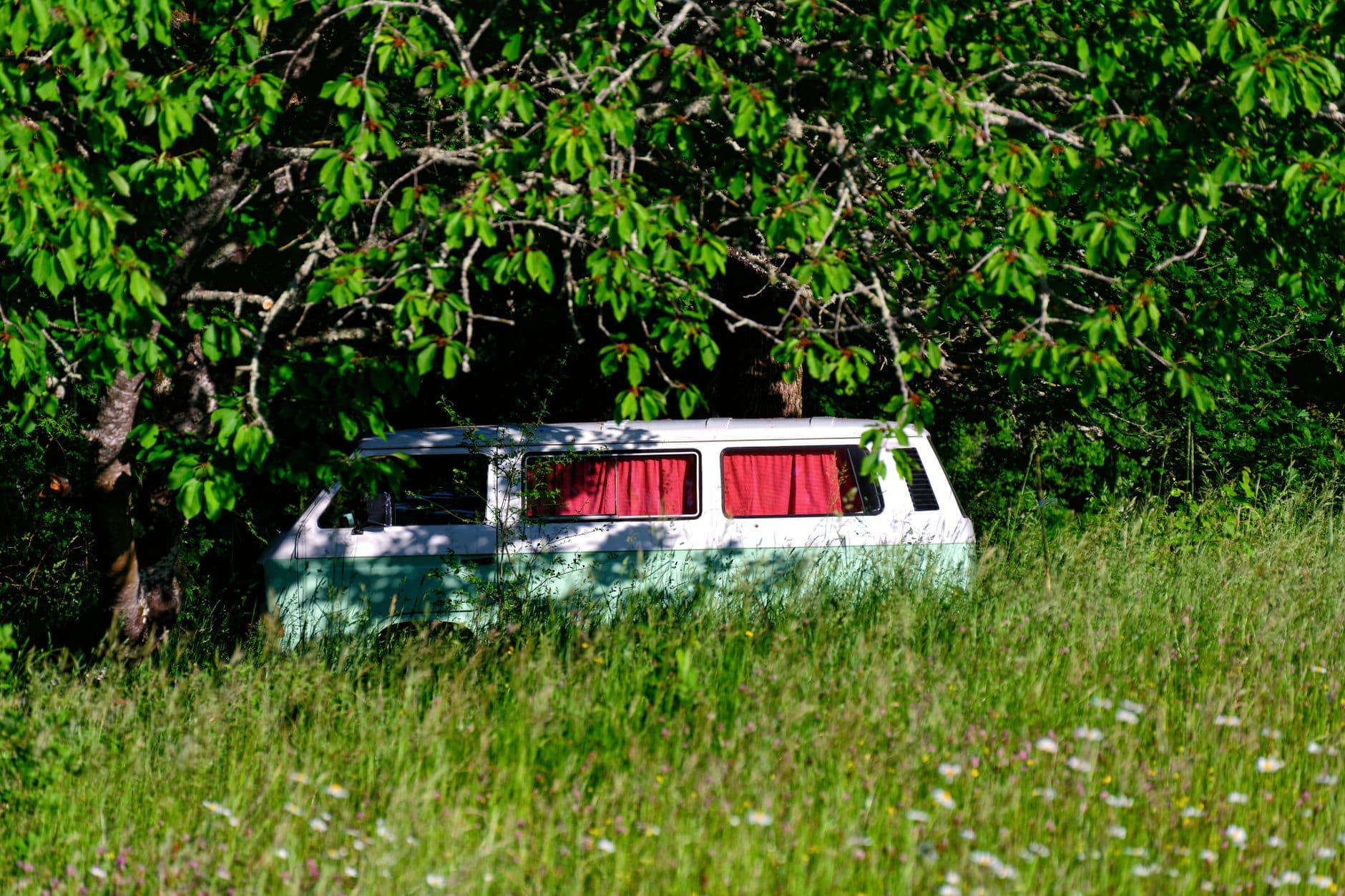
If you're RV camping for the first time, the vehicle type directly impacts your driving comfort. Motorhomes provide mobility and convenience, while travel trailers (caravans) offer the freedom to explore the surroundings in your passenger car once settled at the campsite. For beginners, highly maneuverable campervans (van conversions) offer great convenience along narrow Aegean and Mediterranean coves.
2. Plan Water and Waste Management
An RV has three different water tanks: fresh water, grey water (sink and shower waste), and black water (cassette toilet waste). Fill your fresh water tank before setting off, and dump grey water only at designated discharge points to avoid harming nature. Use specialized breakdown chemicals or organic tablets in your toilet cassette to prevent bad odors.
3. Calculate Power Needs and Battery Capacity
The refrigerator, lights, and water pump in your RV run on a 12V leisure battery. If you plan on dry camping (boondocking), you will need at least a 100Ah Lithium or Gel battery combined with a solar panel system over 200W. Since solar panel efficiency can drop by up to 40% in winter or overcast weather, hookups to external 220V shore power at organized campsites may be required.
4. Perform Pre-Trip Safety and Securing Checks
Before moving the vehicle, make sure cabinet doors are latched, tables are secured, and the external awning and retractable step are closed. All kitchenware that could tip over while driving should be secured with shake-proof holders.
5. Pick the Right Spot to Park and Stay
The ground where you park your RV should be level and firm. Using leveling blocks on muddy, soft ground, or slopes will keep you stable. Be mindful of wind direction when opening your awning and position the front of the vehicle into the wind.
Common RV Camping Mistakes and How to Avoid Them
- Parking on an Incline: Absorption fridges and drainage systems do not function properly on uneven ground. Solution: Always carry leveling blocks with you.
- Leaving the Grey Water Valve Open: Draining grey water into nature or onto public streets damages the environment and can result in fines. Solution: Keep the grey water valve closed and drain it only at authorized waste disposal stations.
- Carrying Unnecessary Weight: Exceeding the vehicle's payload capacity increases fuel consumption and lengthens braking distance. Solution: Fill your water tanks when you are close to the campsite rather than before hitting the road.
Pro Tips from Experienced RVers
Experienced RVers pay close attention to small details before and during their trips. Installing thermal window blinds in the summer reduces interior temperatures, lowering the need for air conditioning. During winter camping, to keep heaters (like Webasto or Truma) running smoothly, careful attention is paid to fuel quality and keeping ventilation grilles unobstructed.
3 Critical Rules to Know Before Hitting the Road
- Weight and Balance: Always store heavy items over the axle and in lower cabinets. Keep upper cabinets strictly for lightweight linens and clothing.
- Fire and Gas Safety: Keep a fire extinguisher and a gas detector inside the vehicle. If you use LPG in the kitchen, keep the gas valve shut while driving.
- Respect Nature & Leave No Trace: Leave your campsite cleaner than you found it. Never dump wastewater near streams or lakes.
Frequently Asked Questions
Can you park and camp anywhere with an RV?
According to traffic laws, RVs can park in public spaces where passenger vehicles are allowed to park. However, setting up tables, chairs, or opening an awning for camping purposes may be considered 'unauthorized occupancy.' Local regulations must be followed in national parks and on private property.
Which RVs can be driven with a standard Category B driver's license?
A Category B driver's license allows you to drive motorhomes up to 3,500 kg maximum gross vehicle weight and tow trailers/caravans under 750 kg. Towing a trailer over 750 kg requires a BE category license.
Where should RV toilet waste be disposed of?
Cassette or portable toilet waste should only be emptied at campsite chemical disposal stations or flushed down municipal toilets. Dumping waste into storm drains or directly into nature is strictly prohibited.
How do you heat an RV during winter camping?
RVs typically use diesel-powered parking heaters (such as Webasto) or LPG heaters (such as Truma). In a well-insulated RV, these heaters maintain a comfortable temperature even in freezing weather.
How many days will electrical power last when RV camping?
A system with a 100Ah Lithium battery and 200W solar panels can provide continuous power for basic lighting and a fridge in sunny weather. In overcast weather, battery power typically lasts around 2–3 days without external recharging.
Start Your RV Journey Today
The best answer to how to go RV camping is to hit the road and experience it for yourself. Plan your route, check your gear, and enjoy the freedom nature has to offer. Don't forget to share your experiences with the Kampçı community at your next stop!