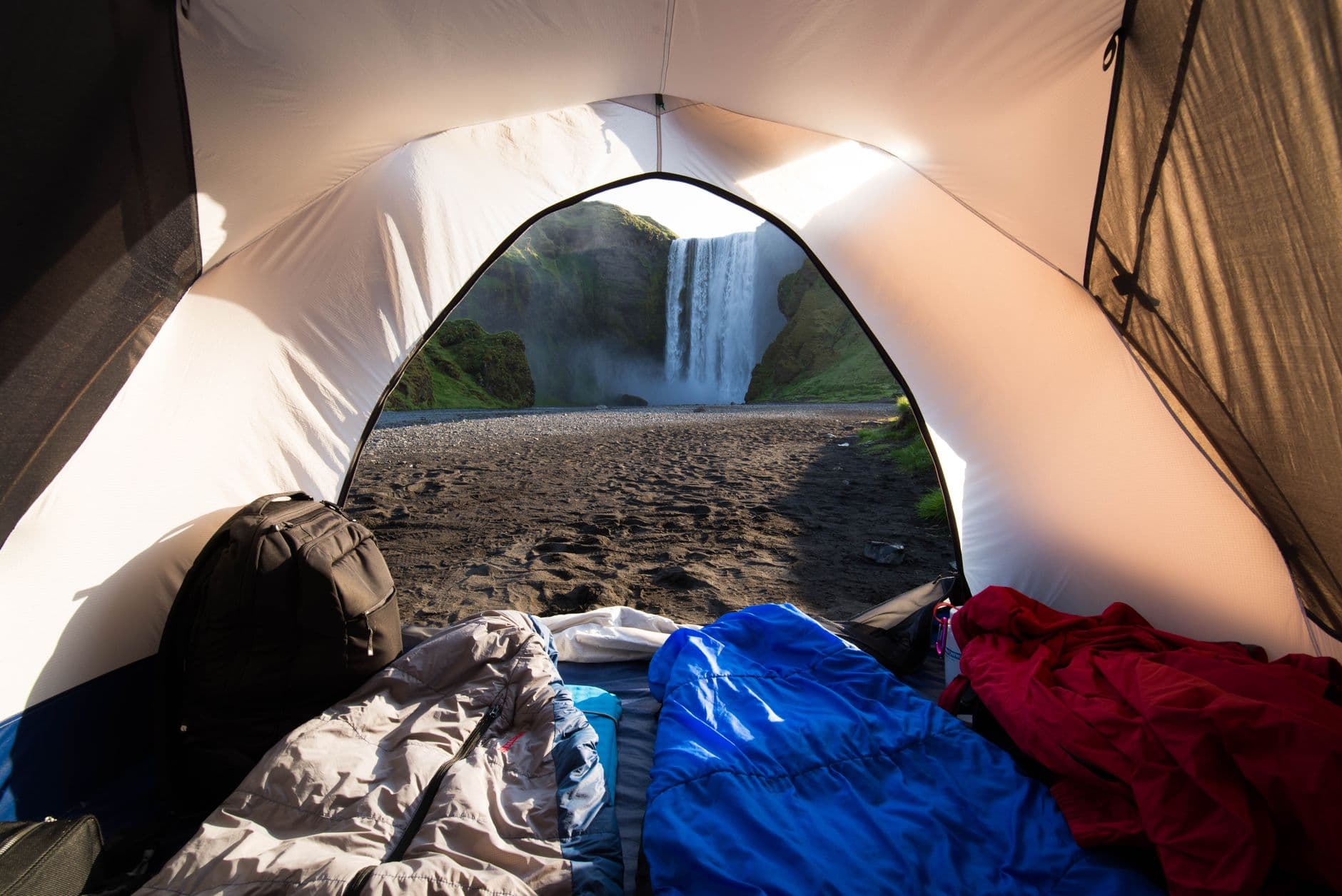
TL;DR: Choosing a camping sleeping bag directly determines the comfort and safety of your night outdoors. When selecting a bag, relying on the 'Comfort' temperature rating and making the right choice between down and synthetic insulation based on your activity is crucial. A properly chosen sleeping bag retains body heat and completely eliminates the risk of hypothermia.
What You Will Learn in This Article
- How to correctly read comfort and limit temperature ratings according to EN/ISO 23537 standards
- A comparison of the pros and cons of down and synthetic insulation materials
- Determining the most suitable sleeping bag shape (Mummy or Rectangular) based on your budget and activity type
- Layering techniques and sleeping bag maintenance methods that prevent heat loss in camping conditions
Why Is Choosing the Right Camping Sleeping Bag Crucial?
Getting a peaceful night's sleep after an enjoyable day in nature is not just a comfort luxury, but a necessity for your health. Shivering all night due to choosing the wrong sleeping bag prevents your body from recovering and causes fatigue and lack of focus during the next day's hikes. A sleeping bag combined with a sleeping pad providing proper insulation reduces potential nighttime heat loss by up to 60%. In Turkey's rich geography for the 2025 season, every environment—from the humid autumn evenings of Yedigöller to the freezing winds of Mount Erciyes—creates a different insulation need.
Temperature Ratings and Technical Material Features
The numbers on a sleeping bag label may seem complex at first glance. However, thanks to European Standards (EN 13537 / ISO 23537), these values are objectively measured:
- Comfort: The lower temperature limit at which a standard woman can sleep comfortably without feeling cold. Women and cold-sensitive campers should use this rating as their main benchmark.
- Limit: The limit at which a standard man can sleep in a curled-up position without feeling cold. It serves as a reference point for cold-resistant male campers.
- Extreme: A survival rating where the bag will protect you from hypothermia, but you remain at risk of frostbite. It should never be chosen as a comfort target.
When it comes to fill material, you have two main options: Down and Synthetic. Down sleeping bags weigh approximately 35% less and pack down much smaller than synthetic bags with the same temperature rating. However, if they get wet in high-humidity areas like Mount Ida National Park, down loses its insulating properties. Synthetic bags, on the other hand, continue to retain heat even when wet and are more budget-friendly.
Step-by-Step Guide to Choosing the Right Sleeping Bag
Step 1: Determine the Season of Use and Geography
Will you mostly use your sleeping bag along the Aegean and Mediterranean coasts in the summer, or in the high plateaus of Central Anatolia during spring and autumn? 3-season sleeping bags (spring, summer, autumn) generally have a comfort rating between 0°C and +5°C, making them the most versatile option for general campers in Turkey.
Step 2: Decide on the Insulation Type (Down vs. Synthetic)
If you are backpacking or mountaineering, down stands out because weight and packed size are critical. If you are car camping or staying in humid coastal regions, synthetic fiber bags are a more practical and low-maintenance choice.
Step 3: Choose the Sleeping Bag Shape (Mummy vs. Rectangular)
Mummy-style sleeping bags fit closely around your body, minimizing the volume of air inside that needs to be heated. This delivers maximum thermal efficiency. Rectangular bags offer more room to move, but because empty air remains around the feet, they are harder to warm up in cold weather.
Step 4: Pay Attention to Sizing and Shoulder Width
Having too much empty space inside the bag forces your body to expend extra energy heating that trapped air. If the bag is too tight, the insulation gets compressed, reducing its insulating performance. Choose a bag length (Regular / Long) that suits your height.
Common Mistakes When Choosing a Camping Sleeping Bag
- Buying Based Solely on the Extreme Rating: This is the most common mistake. A bag with an extreme rating of -15°C typically has a comfort rating around 0°C. You will be severely cold in this bag at -10°C. Solution: Always base your decision on the Comfort rating.
- Ignoring the Importance of a Sleeping Pad: Even if you have the best sleeping bag in the world, you will freeze if cold ground temperatures aren't insulated against. Solution: Choose a sleeping pad with a high R-value (insulation rating) that matches the performance of your sleeping bag.
- Storing the Bag in its Compression Sack: Leaving your sleeping bag in a compression sack during home storage degrades the fill material structure and shortens its insulation lifespan. Solution: Store it at home in a loose mesh storage bag or hung up.
Pro Tips from Expert Campers
Based on years of experience from our seasoned outdoor team, doing light exercises before getting into your sleeping bag will raise your body heat. A sleeping bag doesn't generate heat on its own; it retains your existing body heat. Slipping into the bag at night wearing thermal base layers instead of cold outer clothes—and placing a hot water bottle at your feet—will boost your comfort level significantly.
Safety and Hypothermia Precautions
In cold weather camping, climbing into your sleeping bag in wet or sweaty clothes rapidly lowers your body temperature. You should avoid breathing directly into the bag; moisture from your breath condenses on the lining, making the interior damp. To prevent heat loss from your head, draw the hood cinch cords tight.
3 Critical Rules to Know When Buying a Sleeping Bag
- The Pad and Bag Work Together: Your sleeping pad accounts for 50% of your insulation underneath. If your pad is inadequate, your sleeping bag won't reach its temperature rating.
- Synthetic Handles Moisture, Down Must Stay Dry: Synthetic is ideal for the rainy, humid plateaus of the Black Sea region, while down is perfect for dry cold and high altitudes.
- Layering Saves the Day: Wearing synthetic or merino wool base layers inside the bag improves comfort temperature by 3-5 degrees.
Frequently Asked Questions
What does the comfort rating mean when choosing a camping sleeping bag?
The comfort rating is the lower temperature limit at which a standard user can sleep soundly and comfortably without feeling cold. When buying a sleeping bag, this rating should be your primary reference based on expected weather forecasts.
Should I choose a down or synthetic sleeping bag?
If low weight and compact pack size are your priorities, down models stand out. However, if you are looking for affordability, easy cleaning, and reliable warmth even in damp conditions, synthetic bags offer greater advantages.
What kind of sleeping bag should be chosen for summer camping?
For summer months, lightweight rectangular sleeping bags with a comfort rating between +10°C and +15°C—preferably featuring a full-length zip—offer ideal functionality.
Can a sleeping bag be machine washed?
Synthetic sleeping bags can be washed on a delicate cycle at low RPMs using specialized liquid detergent. Down sleeping bags should be washed with down-specific detergent and tumble dried on low heat using dryer balls.
Should you wear clothes inside a sleeping bag or sleep bare?
Getting into the sleeping bag wearing clean, dry, and breathable thermal base layers provides maximum thermal efficiency. Extremely bulky clothing can restrict air circulation inside the bag and lower its insulation performance.
Choosing a camping sleeping bag is the most strategic gear investment directly determining the quality of your nights spent in the outdoors. By selecting the model best suited to your needs, route, and seasonal conditions, you can enjoy nature safely and comfortably. Don't forget to check out our other comprehensive guides on camping gear and share your adventures with the outdoor community!