Summary: Camping in Cappadocia's unique valleys offers the chance to watch sunrise hot air balloons in the shadow of fairy chimneys and sleep on volcanic tuff soil. While spots like Red Valley (Kızılçukur), Rose Valley, and Devrent offer free wild camping, organized campsites around Göreme and Çavuşin provide amenities such as showers, water, and electricity. Being technically prepared for strong valley winds and significant temperature drops between day and night is vital.
What You Will Learn in This Article
- The best tent pitching spots and terrain structures in Cappadocia's valleys
- GSM cell service coverage in the area and nearest healthcare facilities
- A feature comparison between wild valley camping and organized campsites
- Methods to protect against Cappadocia's harsh weather conditions and strong winds
- Optimal timing for camping based on tranquility, crowds, and seasonal conditions
Cappadocia Campsites and the Region's Enchanting Atmosphere
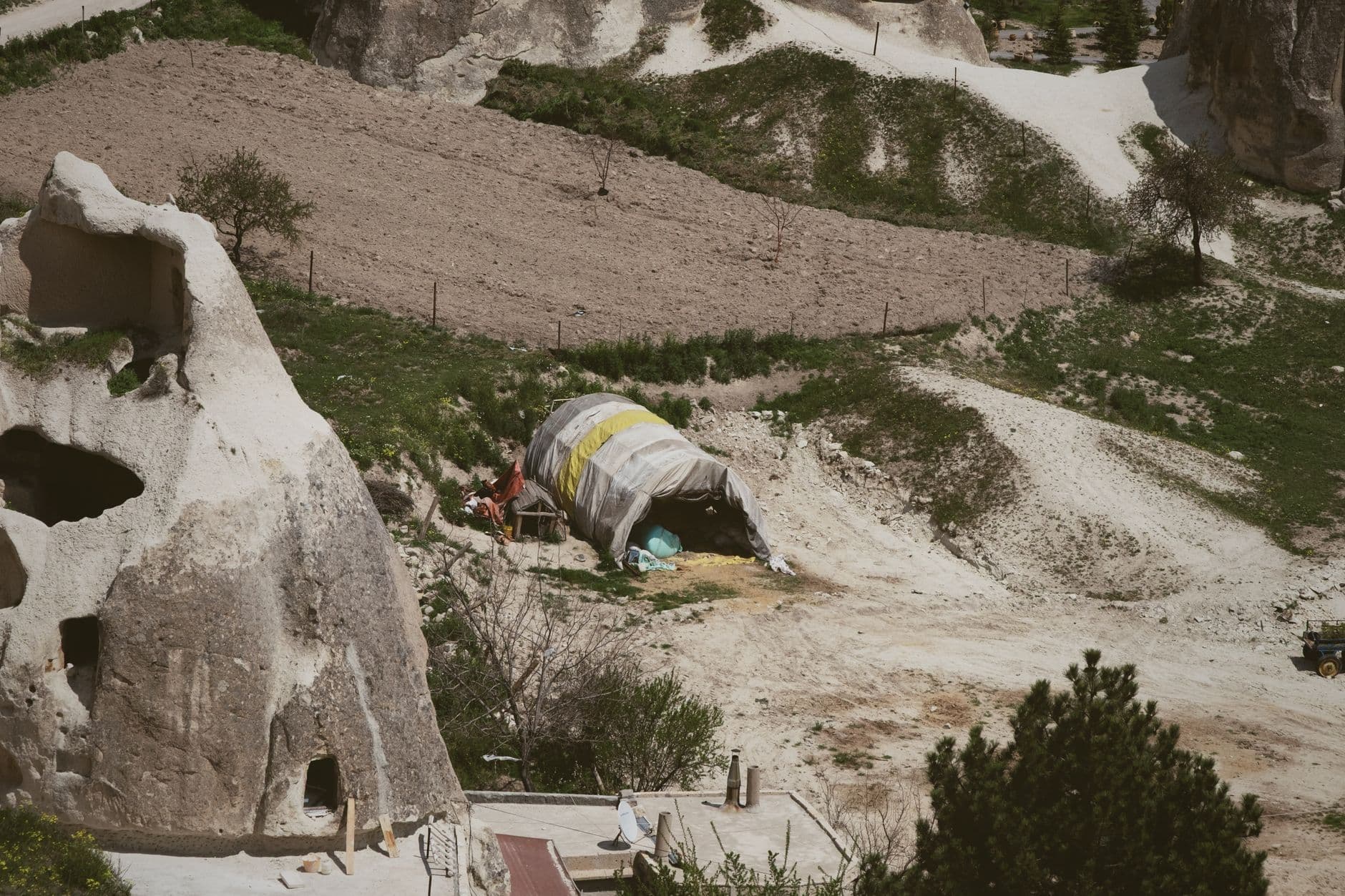
Shaped by volcanic eruptions and millions of years of erosion, Cappadocia offers a landscape unlike anywhere else on Earth. For outdoor enthusiasts looking for Cappadocia campsites in this unique terrain, staying deep within the valleys means waking up right in the embrace of history and nature. As hot air balloons fill the sky at dawn, the soft sand-like tuff ground beneath you and the faint scent of wild thyme rising from the canyons make this an unforgettable experience. However, the isolated nature of these valleys requires careful planning and proper preparation.
Fairy Chimneys and Volcanic Tuff Terrain Characteristics
The area's soil consists largely of soft volcanic tuff and fine sand layers. Standard tent stakes often struggle to hold in this loose ground. Therefore, using snow or sand pegs—or anchoring standard stakes with heavy volcanic rocks—is essential. Valley floors tend to retain moisture, so choosing a well-insulated sleeping pad is crucial. The tuff rocky valleys of Cappadocia create day-to-night temperature swings of up to 20 degrees Celsius, requiring campers to be ready for rapid drops in temperature once evening sets in.
Access and Road Conditions to Cappadocia Camping Areas
Reaching the valleys from the centers of Göreme, Çavuşin, and Ürgüp is quite straightforward. Roads leading to areas like Red Valley (Kızılçukur) and Rose Valley (Güllüdere) start paved, but turn into unpaved dirt tracks with deep ruts as you head deeper into the canyons. Standard passenger cars can easily reach the main panoramic viewpoints; however, reaching the deeper valley floors to pitch a tent requires a 4x4 vehicle or trekking on foot. From central Göreme, you can walk to the valleys within an average of 30 to 45 minutes.
Valley Infrastructure: Water, Restroom, and Electricity Facilities
Wild camping inside the valleys means living without infrastructure such as electricity, tap water, or restrooms. You must pack in your water supply from the nearby centers of Göreme or Çavuşin. In contrast, organized campsites offer 24/7 hot water, electrical hookups, Wi-Fi, and clean restroom facilities. For those planning an isolated valley camp, packing a headlamp, a high-capacity power bank, and at least 5 liters of personal water per person is essential.
Best Tent Pitching Spots in the Valleys
Top locations for pitching a tent in the region include:
- Low-Lying Flats in Red Valley (Kızılçukur): Sheltered, wind-protected flat ground about 300 meters below the main sunset viewpoint is ideal for setting up camp.
- Inner Rose Valley (Güllüdere): Wooded areas near historical cave churches are preferred because they block the wind and provide morning shade. 75% of tent campers in the region favor the southern slopes of Red Valley for protection against wind erosion.
- Organized Campsites Around Çavuşin: For families looking for infrastructure and security, grass- and dirt-ground campgrounds within walking distance of the town center are highly convenient.
Pros and Cons of Camping in Cappadocia
Immersion in nature in Cappadocia comes with distinct advantages and challenges.
Pros:
- The privilege of watching hot air balloons lift off right from your tent door at dawn.
- Spectacular stargazing thanks to minimal light pollution inside the valleys.
- Direct access to historic hiking trails and ancient cave churches.
Cons:
- Fine volcanic dust constantly penetrating tents, gear, and clothing.
- Sudden, strong wind gusts through the canyons, making tent anchoring difficult.
- Rapid heat loss due to sharp night-time temperature drops.
Life-Saving Tips for Staying in the Valleys
Keep these practical tips in mind for a smooth camping experience in Cappadocia's distinct landscape:
- Tent Care: Keep your tent zippers closed at all times. Fine tuff dust can easily jam zipper teeth; carry a small brush to clean them.
- Cell Service and Communication: Deep inside the valleys, Turkcell generally retains reception, while Vodafone and Türk Telekom may drop out in places. Download your GPS maps offline in advance.
- Nearest Healthcare Facilities: Nevşehir State Hospital is 12 km from the city center, while Ürgüp District State Hospital is approximately 10 km from the main valleys.
- Peace and Crowds: Viewpoints get very crowded on weekends. If you seek tranquility, head deeper into the valleys and plan your trip for weekdays.
Best Seasons for Camping in Cappadocia
The best times for camping in Cappadocia are Spring (April – June) and Autumn (September – November). In April and May, the valleys bloom green and daytime temperatures are ideal for hiking. In July and August, valley interiors can exceed 35°C during the day as tuff rocks absorb and radiate heat. In winter, snow-covered fairy chimneys create stunning landscapes, but night temperatures can drop to -10°C, making sub-zero rated sleeping bags an absolute necessity.
Night Cold, Wind, and Safety Precautions
Wild camping in the valleys carries very low wildlife risk; foxes and small lizards are occasionally spotted. The primary safety concerns are gusty winds and falling rocks. Avoid pitching your tent directly beneath steep cliff walls due to erosion-related rockfall risks. Open campfires are strictly forbidden to protect the fragile volcanic rock and historic sites; use canister camping stoves for cooking and hot water instead.
3 Distinct Features That Make Camping in Cappadocia Unique
- Sleeping on Ancient Geological Formations: The chance to rest directly atop millions of years of volcanic ash and tuff layers shaped by human history.
- Visual Splendor: Witnessing one of the world's most impressive sunrise scenes—surrounded by hundreds of hot air balloons—right from your tent door.
- Intersection of History and Nature: Discovering thousand-year-old rock-cut churches, underground cities, and hidden caves along your hiking trails.
Frequently Asked Questions
Is free camping legal in Cappadocia's valleys?
Making fires and pitching unauthorized tents in protected areas within the jurisdiction of the Cappadocia Area Presidency and National Park borders are prohibited. However, you can pitch a tent in designated open zones outside strict protection boundaries in valleys like Kızılçukur and Güllüdere. When in doubt, it is best to consult local gendarmerie or municipal police units.
Is there cell service and internet reception while camping in the valleys?
Mobile networks generally work well on ridges and open ground. However, coverage may drop at deep valley floors and inside narrow slot canyons. Among mobile operators, Turkcell provides the widest coverage in open areas.
Can you light a campfire in Cappadocia?
No, building campfires is strictly illegal and subject to fines in order to protect the fragile ecosystem, soft tuff rock, and historical structure of the valleys. Portable canister camping stoves should be used for cooking.
Can you camp inside fairy chimneys or cave dwellings?
Staying overnight inside historic or archaeological rock formations, cave churches, or fairy chimneys is strictly forbidden. Camping is only permitted on suitable flat ground outside these historic structures.
What type of sleeping bag should I choose for camping in Cappadocia?
Since night temperatures can drop to single digits even during spring and autumn, a sleeping bag with a comfort rating between 0°C and -5°C is recommended. In summer, a sleeping bag rated for +10°C will suffice.
A Night in the Embrace of Nature and History
Spending a night under the stars in Cappadocia's valleys goes beyond an ordinary outdoor trip—it is a chance to connect with a timeless landscape. Equipped with the right gear, a respectful attitude toward the environment, and a desire to align with nature's rhythm, this legendary region will reward you with unforgettable memories. After exploring the unique valleys of Cappadocia, don't forget to check out our guides on the Kampçı platform to discover Turkey's other hidden outdoor routes.