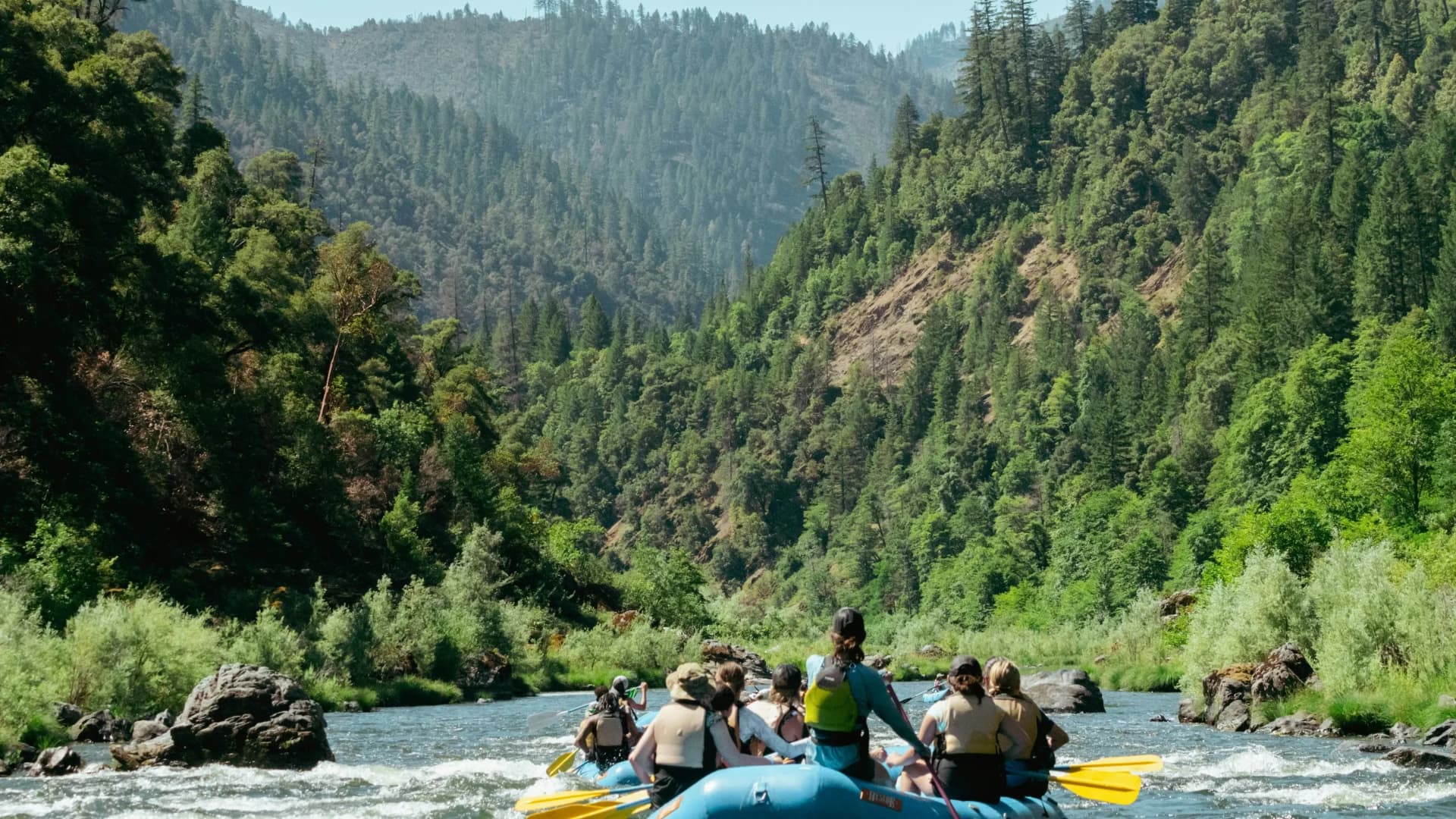
Imagine waking up one morning... As you unzip your tent, the cool, pine-scented forest air hits your face, accompanied by the distant chirping of birds and the gentle rustling of leaves in the wind... You open your eyes to a magnificent morning in the very heart of nature, far away from screens and concrete. The aroma of fresh coffee brewing on the camp stove slowly fills the air. But right in that perfect moment, you realize you spent the night shivering because your sleeping bag was too thin, or you forgot the mug to sip your coffee in at home. To prevent such minor yet frustrating surprises, a camping packing list is an absolute lifesaver.
If you are a first-time camper, not knowing what to bring or packing too much and getting crushed under the weight of your backpack are among the most common mistakes. Being in nature doesn't mean giving up comfort entirely; rather, it's the art of bringing your own comfort zone into the middle of the wilderness with the right gear. In this guide, we will cover exactly what needs to be in your backpack or car trunk for your first camping experience, step by step, in detail, and with the finest tips.
Why a Proper Camping Packing List is Crucial
In nature, weather, ground conditions, and environmental factors can change in an instant. Needs that wouldn't even cross your mind behind the safe walls of your home can become your biggest priority deep in the forest or in a secluded cove. A flawless camping packing list not only meets your needs but also provides mental peace. It allows you to simply enjoy the moment, listen to the crackling of the fire, and watch the stars without the nagging worry of 'Did I forget something?'.
Especially for beginners, stuffing unnecessary items into a bag 'just in case' will physically exhaust you before you even reach the campsite. A proper list covers everything you will need while freeing you from the excess that will weigh you down. Now, let's dive into the details of this balanced and comprehensive preparation, category by category.
Basic Shelter and Comfort: Setting Up Your Home in Nature
When you think of camping, the first thing that comes to mind is shelter. The space where you spend the night directly affects your energy for the next day and your overall camping enjoyment. Therefore, shelter equipment forms the most critical part of your list.
- Season-Appropriate Tent: You should choose a tent suitable for the season and the number of people. If you're just starting out, an easy-to-pitch, double-wall (well-ventilated and waterproof) 3-season tent will do the job perfectly. Considering you'll also keep your gear inside, choosing a tent with a capacity of one more person than your group size (e.g., a 3-person tent for 2 people) will give you plenty of room to move.
- Tent Footprint: This tarp protects the floor of your tent from rocks and thorns while blocking moisture from the ground, extending the life of your tent. A footprint that perfectly matches your tent's dimensions is a lifesaver.
- Sleeping Bag: Nights in nature are much cooler compared to the daytime. When choosing a sleeping bag, be sure to pay attention to the 'Comfort Rating' on it. A high-quality bag that traps your body heat and is suitable for the nighttime temperatures of your destination is the key to a peaceful sleep.
- Sleeping Pad or Air Mattress: A sleeping bag protects you from the cold above, but it's the pad that blocks the cold from the ground. A foam pad with a high R-value (insulation rating) or an inflatable camping mattress prevents backaches and protects your kidneys from the cold.
- Camping Pillow: While folding clothes to make a pillow is an option, a small, inflatable, space-saving camping pillow is a necessity, not a luxury, to avoid waking up with a stiff neck.
- Camp Chair and Table: Sitting on the ground can get tiring after a while. A foldable, lightweight camp chair with back support and a practical fabric/aluminum table will elevate the quality of the hours you spend at the campsite.
Camp Kitchen: A Complete Camping Packing List for an Outdoor Feast
You can't find the taste of a meal eaten outdoors anywhere else. Even a simple pasta dish feels like a Michelin-starred restaurant meal in the middle of nature. However, to enjoy this experience, you need to plan your kitchen gear properly.
- Camp Stove and Fuel: For situations where campfires are prohibited or firewood is scarce, a compact gas camp stove with a windshield and a spare fuel canister is an absolute must.
- Fire Starters: A reliable lighter, waterproof matches, or a magnesium fire starter. You can also carry some cotton or natural kindling to easily stoke the fire in areas where campfires are allowed.
- Cookware Set: A nesting, lightweight aluminum or titanium pot and pan set. Beginners don't need massive sets; a single deep pot and lid where you can boil water and cook basic meals will suffice.
- Eating Utensils: A plate made of unbreakable material, a thermal mug that retains heat (crucial for morning coffees), and a multi-purpose spork set.
- Cleaning Supplies: To leave no trace in nature, pack biodegradable, eco-friendly dish soap, a small sponge, and durable trash bags to pack out all your garbage.
- Water Storage: There might not be a clean water source at the campsite. Calculating at least 3-4 liters of water per person per day, you should carry durable water jugs or hydration bladders.
- Cooler: If you're car camping, a high-quality cooler or insulated bag will prevent your food from spoiling and allow you to safely store meat and dairy products.
Clothing and Personal Items: The Art of Layering
In nature, the saying 'there is no bad weather, only bad clothing' is a golden rule. While you might sweat under the sun during the day, you could be shivering from the sudden cold the moment the sun sets. That's why you should apply the layering principle when preparing your camping packing list.
Basic Clothing Layers
Stay away from cotton clothes; cotton absorbs sweat, dries slowly, and makes you cold. Instead, opt for moisture-wicking synthetic or merino wool base layers. For the second layer, fleece jackets are excellent insulators to retain your body heat. As the outermost layer, a windproof and waterproof yet breathable rain jacket (hardshell) should always be in your bag.
Foot Health and Comfort
When your feet get wet or cold, the joy of camping disappears. Choose a waterproof hiking boot with good ankle support and a grippy sole. Also, don't forget to pack comfortable camp slippers or sandals so you don't have to constantly take your boots on and off while walking around the tent. Thermal socks and definitely a few extra pairs of socks should be staples in your bag.
Safety, First Aid, and Emergency Supplies
When heading into nature, we should always hope for the best but prepare for the worst. Especially when you're far from the city and hospitals, even a minor cut or a headache can be a hassle.
- First Aid Kit: A compact first aid kit containing band-aids, bandages, antiseptic solution, painkillers, allergy medication, burn cream, tweezers, and your personal prescription medications.
- Lighting: A headlamp that keeps your hands free, providing incredible convenience when going to the bathroom at night or setting up the tent. Also, a small camp lantern for inside the tent and, of course, spare batteries.
- Multi-tool Knife: A high-quality Swiss Army knife or multitool that is a cure-all for everything from cutting rope to opening cans.
- Navigation and Communication: A physical map and compass so you can find your way even if your battery dies. Additionally, a fully charged, high-capacity power bank to recharge your phone.
- Whistle: A lifesaving piece of gear that allows your voice to be heard for miles in an emergency. It is usually integrated into the chest clips of modern camping backpacks, so be sure to check.
How to Pack a Camping Backpack? Step-by-Step Tactics
You've prepared all this gear, but how will you fit it into your bag? Just as important as a proper camping packing list is how these items are arranged in your backpack. An improperly packed bag will throw off your balance during the hike and cause back pain. Here is the art of packing a backpack using the 'ABC Principle' (Accessibility, Balance, Compression):
- Bottom of the Bag (Ground Floor): Place items here that you will never need during the hike and will only take out once you reach the camp. Your sleeping bag, spare clothes, and camp pajamas belong in this section. These soft items also help your backpack sit comfortably against your back.
- Middle of the Bag (Heavy Loads): Place the heaviest items, such as your tent (if you aren't strapping it to the outside), cooking set, water reservoir, and food, in the middle and closest to your back. Keeping the center of gravity close to your back prevents you from being pulled backward and maintains your balance.
- Top of the Bag (Light and Urgent Needs): Place items you might suddenly need during the day, such as your fleece jacket, rain jacket, water filter, or snacks, right at the top.
- Outer Pockets and Top Lid (Quick Access): Items you need to reach in seconds, like your headlamp, map, sunscreen, bug repellent, first aid kit, and toilet paper, should be in the top lid or side pockets of the bag.
Leave No Trace Principle
Camping means being a guest of nature. A true camper leaves no trace of their presence when departing the campsite. Make sure to add extra trash bags to your packing list. Picking up not only your own trash but also the trash left before you is the best way to pay our debt to nature. Cleaning up your fire pit, avoiding damage to vegetation, and not disturbing wildlife are the foundations of camping ethics.
Final Words: You Are Ready to Blend into Nature!
The first camping experience is a magical moment when one reconnects with nature and their own essence. To leave behind the stress of missing items and experience the perfection of the moment, this camping packing list will be your most reliable companion. Don't let the preparation phase intimidate you; the excitement you feel while packing your bag is just a trailer for the freedom you will experience deep in the forest. Now, shoulder that backpack, take a deep breath, leave the city behind, and set out to write your own unforgettable story under the stars!